Understanding the Block Type Plate Heat Exchanger Design and Performance
When selecting a compact heat exchanger for demanding industrial processes, the block type plate heat exchanger stands out for its robust construction and high thermal efficiency. This article explains how these welded plate units work, what performance parameters you can expect, and how SHPHE's block type plate heat exchanger solutions compare to traditional gasketed or shell-and-tube designs. Whether you are handling aggressive chemicals or high-temperature fluids, understanding the design trade-offs will help you specify the right equipment.
What Is a Block Type Plate Heat Exchanger?
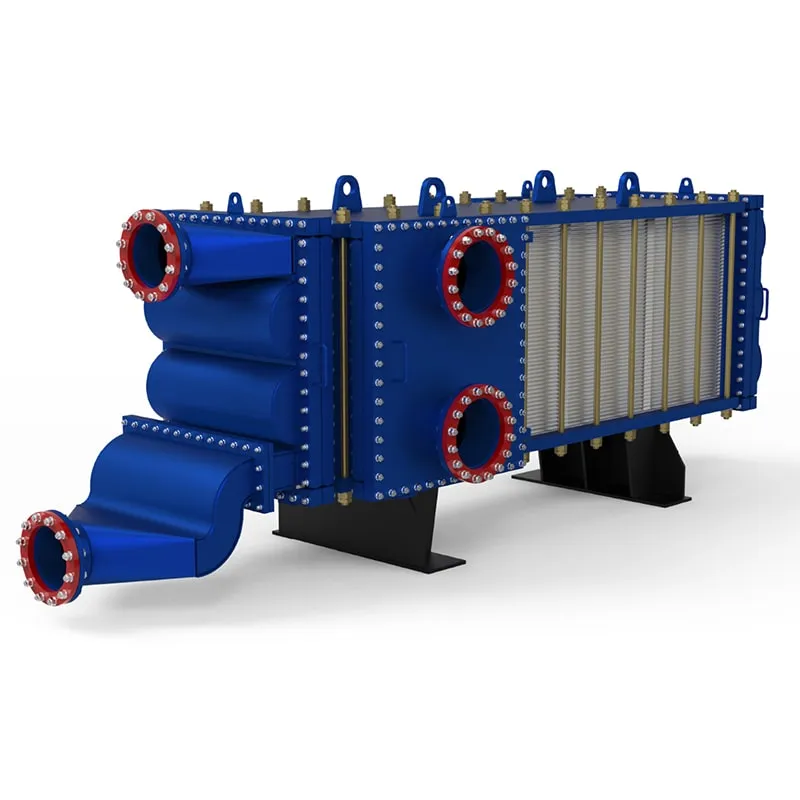
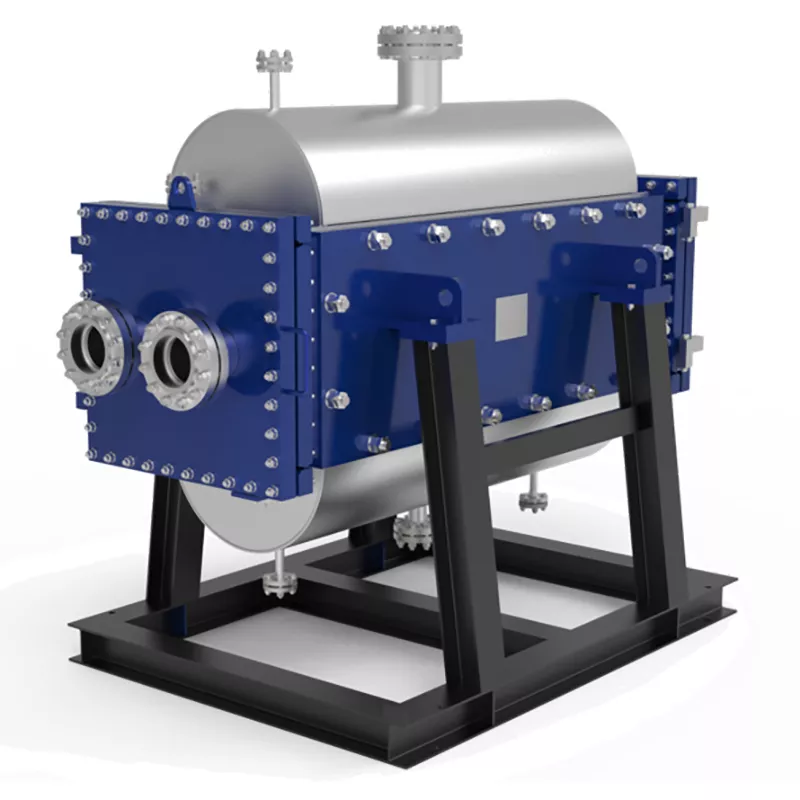
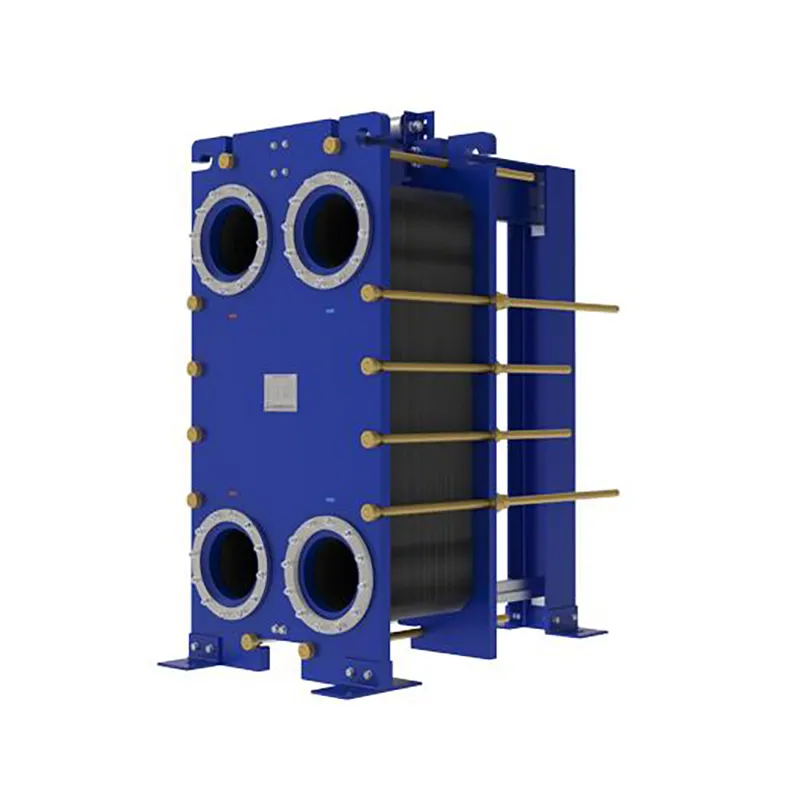
A block type plate heat exchanger is a fully welded, compact heat transfer unit where the plate pack is enclosed within a solid frame or block. Unlike gasketed plate heat exchangers, which rely on elastomer seals between plates, the block type uses laser-welded or brazed plate pairs to create separate flow channels. This design eliminates leakage paths and allows operation at higher pressures and temperatures. Process engineers often choose this configuration when handling hazardous fluids, high-viscosity media, or applications where fugitive emissions must be avoided.
The block type plate heat exchanger is also known as a welded plate heat exchanger or a compact brazed plate heat exchanger in some industry contexts. SHPHE manufactures these units under the HT-Bloc Welded Plate Heat Exchanger and TP Welded Plate Heat Exchanger product lines, offering alternatives to brands like Alfa Laval and Compabloc.
How Does the Block Type Design Work?
The core of a block type plate heat exchanger consists of a stack of stamped metal plates, each pair welded together along the edges to form a cassette. These cassettes are then assembled into a block and welded to the frame nozzles. The two fluids flow through alternating channels in a counter-current or co-current arrangement, transferring heat through the thin plate walls.
Key flow characteristics include:
- High turbulence due to chevron or herringbone plate patterns, which enhances heat transfer coefficients.
- Low fouling tendency compared to shell-and-tube exchangers, especially for viscous or particulate-laden streams.
- Fully welded construction means no gaskets to replace, reducing maintenance downtime.
What Are the Typical Performance Parameters?
The block type plate heat exchanger can handle a wide range of operating conditions. Below are commonly accepted industry ranges:
| Parameter |
Typical Range |
| Design pressure |
Up to 30 bar (435 psi) for standard units; higher on request |
| Design temperature |
-40°C to 400°C (-40°F to 752°F) |
| Heat transfer coefficient |
3,000–7,000 W/m²K (water-to-water duty) |
| Flow capacity per unit |
Up to 1,500 m³/h (6,600 gpm) |
| Plate material |
Stainless steel 316L, titanium, Hastelloy, or duplex alloys |
These values are generic and may vary based on plate geometry, fluid properties, and fouling margins. Always consult a thermal design engineer for your specific duty.
What Applications Are Best Suited for Block Type Plate Heat Exchangers?
The block type plate heat exchanger is widely used in chemical processing, petrochemical, pharmaceutical, and food industries. Common applications include:
- Heating or cooling corrosive acids and solvents where gasket compatibility is a concern.
- High-temperature heat recovery from flue gases or thermal oil systems.
- Condensation and evaporation duties under moderate pressure.
- Processes requiring frequent thermal cycling or where vibration resistance is critical.
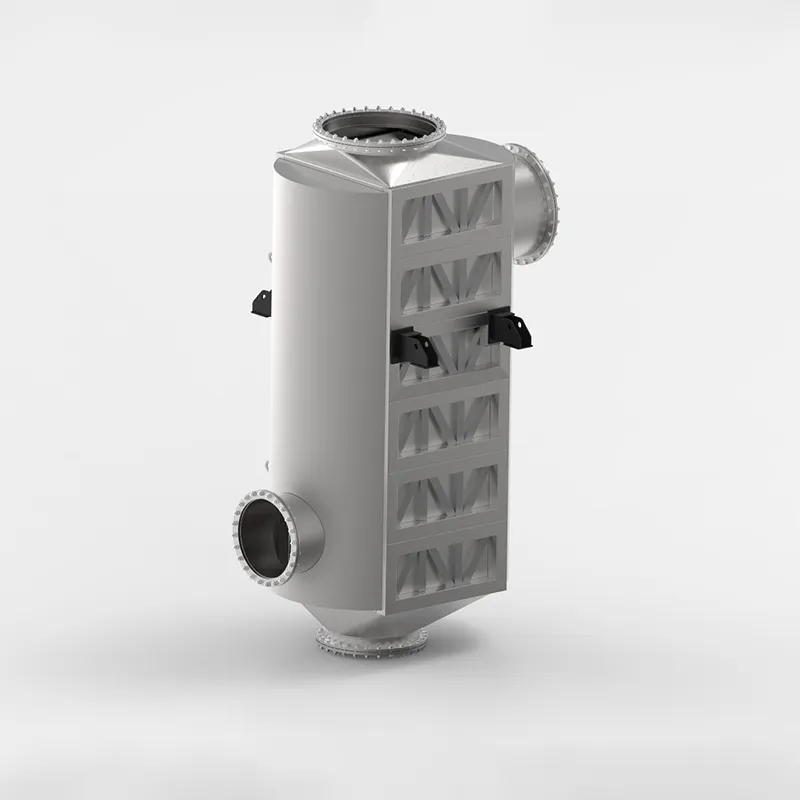
For applications involving large particulate or fibrous media, SHPHE also offers a Wide Gap Welded Plate Heat Exchanger as a specialized variant of the block type design.
Why Choose SHPHE for Your Block Type Plate Heat Exchanger?
SHPHE has been manufacturing plate heat exchangers in Shanghai since 2005. We export to over 20 countries and hold ISO9001 and ASME U certifications. Our block type plate heat exchanger product lines include the HT-Bloc and TP welded series, which are designed as direct alternatives to Alfa Laval and Compabloc models while offering competitive lead times and pricing.
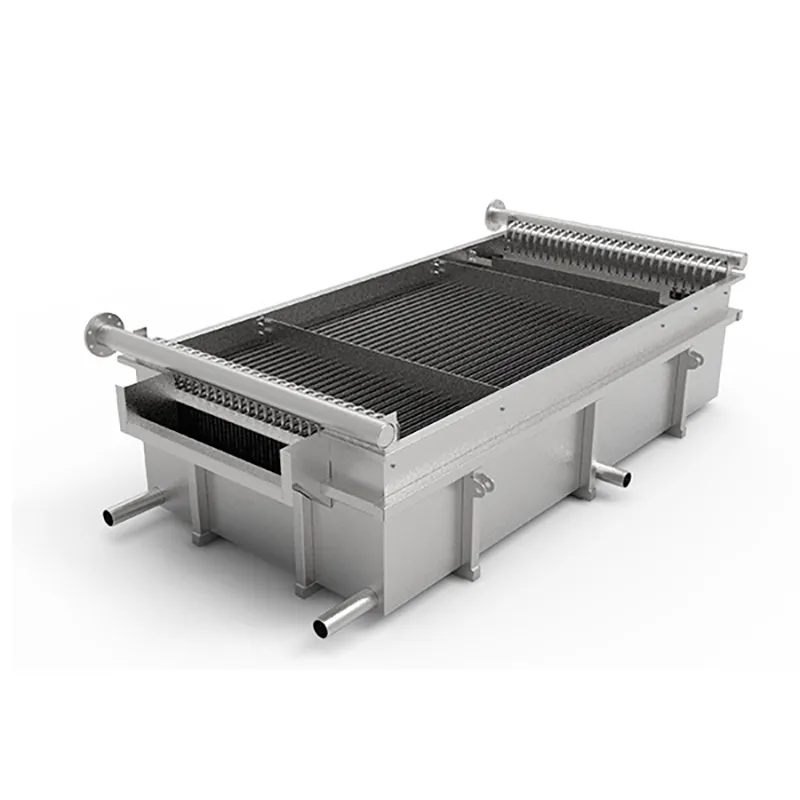
We provide free thermal design and selection services. Our engineers will calculate the exact plate count, channel arrangement, and material grade for your process conditions. We also manufacture related equipment such as Plate Air Preheaters, Printed Circuit Heat Exchangers (PCHE), and Pillow Plates for specialized duties.
Frequently Asked Questions About Block Type Plate Heat Exchangers
Can a block type plate heat exchanger replace a gasketed unit?
Yes, in many cases. The block type design offers higher pressure and temperature limits than gasketed units, and it eliminates gasket maintenance. However, it is less flexible for capacity changes because the plate pack is welded. If you need to modify the duty frequently, a gasketed unit may be more practical.
What is the typical lifespan of a block type plate heat exchanger?
With proper operation and water chemistry control, a welded block type unit can last 15–25 years. The absence of gaskets reduces failure points. Regular inspection of weld integrity and plate thickness is recommended every 3–5 years.
How do I clean a block type plate heat exchanger?
Cleaning is typically done through chemical circulation (CIP) since the plate pack cannot be disassembled. For heavy fouling, the unit can be backflushed or soaked with appropriate solvents. SHPHE designs all units with clean-in-place connections as standard.
Is a block type plate heat exchanger compatible with Alfa Laval frames?
SHPHE block type units are designed as functional alternatives, not direct drop-in replacements. We can match nozzle locations and overall dimensions to fit existing piping, but the internal plate geometry is proprietary. Contact our engineering team with your existing drawings for a compatibility review.
What materials are available for the block type plate heat exchanger?
Standard materials include stainless steel 316L and 304. For corrosive or high-temperature services, we offer titanium, Hastelloy C276, Inconel 625, and duplex stainless steels. The frame and nozzles are typically carbon steel or stainless steel depending on the application.
How does the cost compare to a shell-and-tube heat exchanger?
For the same thermal duty, a block type plate heat exchanger is usually 30–50% lighter and 20–40% less expensive than a shell-and-tube unit, especially in stainless steel construction. Installation and foundation costs are also lower due to the compact footprint.
Request a Quote for Your Block Type Plate Heat Exchanger
To receive a detailed thermal design and quotation for a block type plate heat exchanger, please provide the following information to our sales team:
- Flow rate for both hot and cold streams (m³/h or gpm)
- Inlet and outlet temperatures (°C or °F)
- Operating pressure and allowable pressure drop
- Fluid composition and any special properties (viscosity, solids content, corrosivity)
SHPHE engineers will respond within 48 hours with a preliminary selection and budget price. We support both standard and custom-engineered solutions for your block type plate heat exchanger requirements.

 English EN





User Comments
Service Experience Sharing from Real Customers
Ethan
Maintenance SupervisorWe swapped out our old shell-and-tube for a block type plate heat exchanger six months ago. The difference in heat transfer efficiency is night and day. Cleaning the plates is straightforward, and we've had zero leaks so far. It handles our glycol loop perfectly without clogging. Definitely a solid upgrade for the money.
Maya
HVAC Design EngineerSpec'd this block type unit for a new office building's hydronic system. The compact footprint saved us valuable mechanical room space. Performance data matched the supplier's curves almost exactly. Only minor gripe is the gasket replacement procedure is a bit fiddly if you're not used to it, but overall a reliable piece of kit.
Liam
Plant OperatorBeen running this block type heat exchanger 24/7 for the past eight months on our pasteurization line. Temps stay rock steady, and the pressure drop is way lower than our old unit. It's easy to pop open for a quick inspection during downtime. My team loves how simple it is to maintain. Would buy again without hesitation.
Sophie
Facilities ManagerThe block type design works fine for our district heating loop, but installation was trickier than I expected due to the weight and bolt torque specs. Once it was up and running, performance has been acceptable. Not a bad product, just make sure you have a good rigging plan and a torque wrench handy. Decent value for the price.