How an LNG Vaporizer Heat Exchanger Optimizes Cryogenic Gasification Processes
LNG vaporizer heat exchangers are critical for converting liquefied natural gas back to its gaseous state efficiently. This article explains how a well-designed LNG vaporizer heat exchanger can reduce energy consumption, improve process stability, and lower operational costs. We cover working principles, key design parameters, application scenarios, and how SHPHE's welded plate heat exchanger technology offers a reliable alternative to traditional shell-and-tube units. Whether you are sourcing for a new LNG terminal or upgrading an existing regasification facility, this guide provides actionable insights for process engineers and procurement managers.
What Is an LNG Vaporizer Heat Exchanger and Why Does It Matter?
An LNG vaporizer heat exchanger is a specialized thermal device that transfers heat from a warm source (such as seawater, ambient air, or a hot water/glycol loop) to cryogenic LNG, raising its temperature above its boiling point (approximately -162°C / -260°F) and converting it into natural gas for pipeline distribution. Inefficient vaporization leads to excessive energy use, ice formation, and unstable outlet gas temperatures that can damage downstream equipment.
For overseas process engineers and purchasing managers, selecting the right LNG vaporizer heat exchanger directly impacts capital expenditure (CAPEX), operational expenditure (OPEX), and system reliability. A well-optimized unit minimizes temperature gradients, reduces fouling risks, and ensures consistent gas flow even under varying load conditions.
How Does an LNG Vaporizer Heat Exchanger Work in a Cryogenic Process?
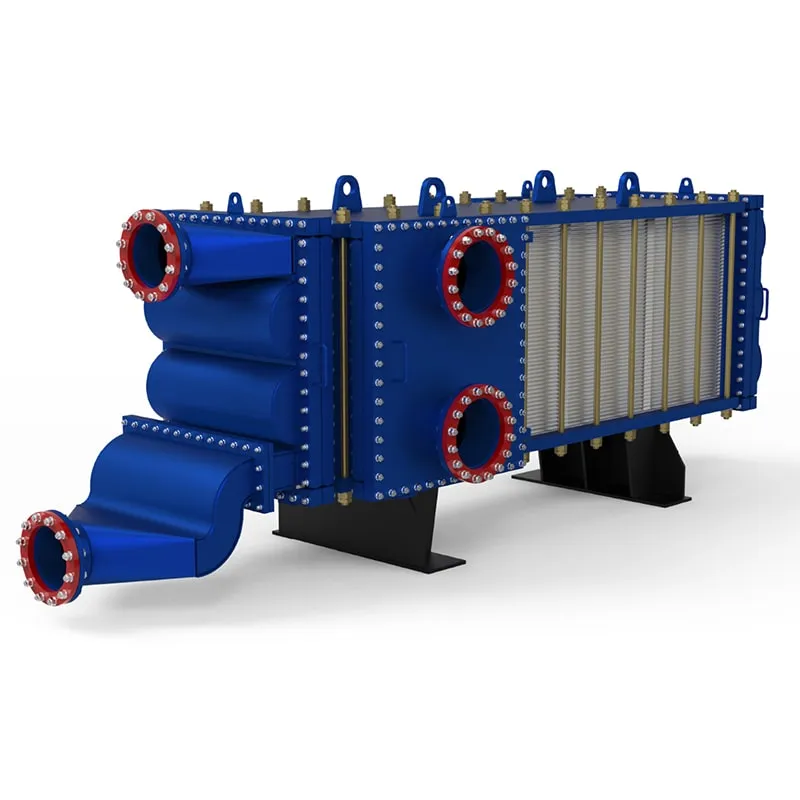
The core principle is indirect heat exchange between the cryogenic LNG and a heating medium. In a typical submerged combustion vaporizer (SCV) or open-rack vaporizer (ORV), the heat transfer area is large but efficiency is limited by thermal resistance. Modern welded plate heat exchangers, such as those from SHPHE, use compact plate geometries to achieve higher heat transfer coefficients.
The process flow involves:
- Cryogenic LNG enters the exchanger at approximately -160°C and 1–10 barg.
- A heating medium (e.g., seawater at 5–25°C or a closed-loop glycol/water mixture at 10–40°C) flows on the opposite side.
- Heat transfers through the thin plate walls, causing the LNG to boil and vaporize.
- The natural gas exits at a controlled temperature (typically 0–10°C) and pressure, ready for metering and pipeline injection.
Advanced designs incorporate multiple passes and countercurrent flow to maximize temperature driving force while minimizing thermal stress on the plates.
Key Features and Typical Parameter Ranges of LNG Vaporizer Heat Exchangers
When evaluating an LNG vaporizer heat exchanger, focus on these performance indicators:
| Parameter |
Typical Range |
Impact on Performance |
| Design pressure |
10–100 barg (LNG side) |
Higher pressure requires thicker plates and stronger welds |
| Design temperature |
-196°C to +50°C |
Cryogenic materials (e.g., 304L, 316L, or nickel alloys) needed |
| Heat transfer coefficient |
500–2000 W/m²·K (depending on medium) |
Higher values reduce required surface area |
| Flow capacity |
1–500+ tons/hour |
Determines number of plates and passes |
| Pressure drop |
0.1–2.0 barg per side |
Must balance with pump/compressor power |
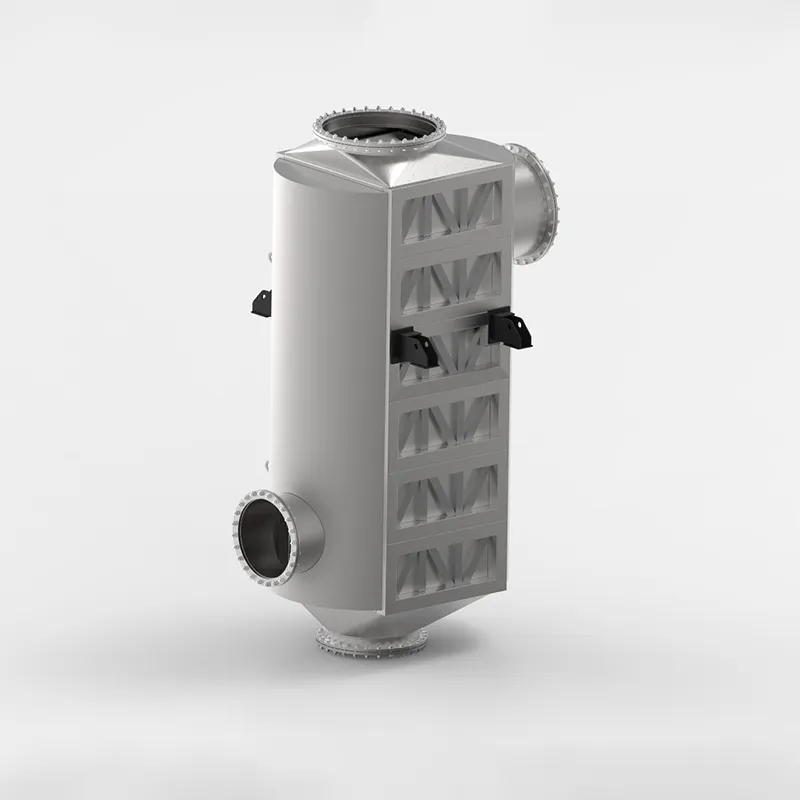
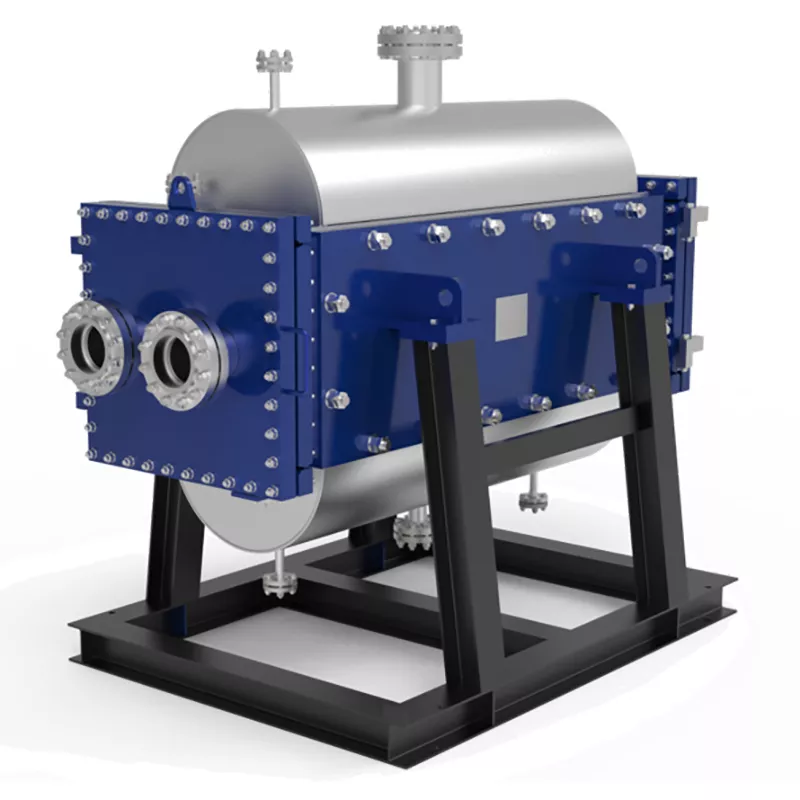
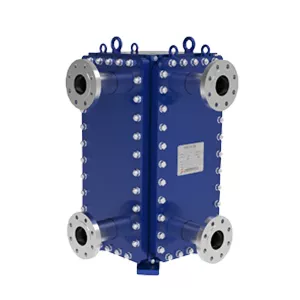
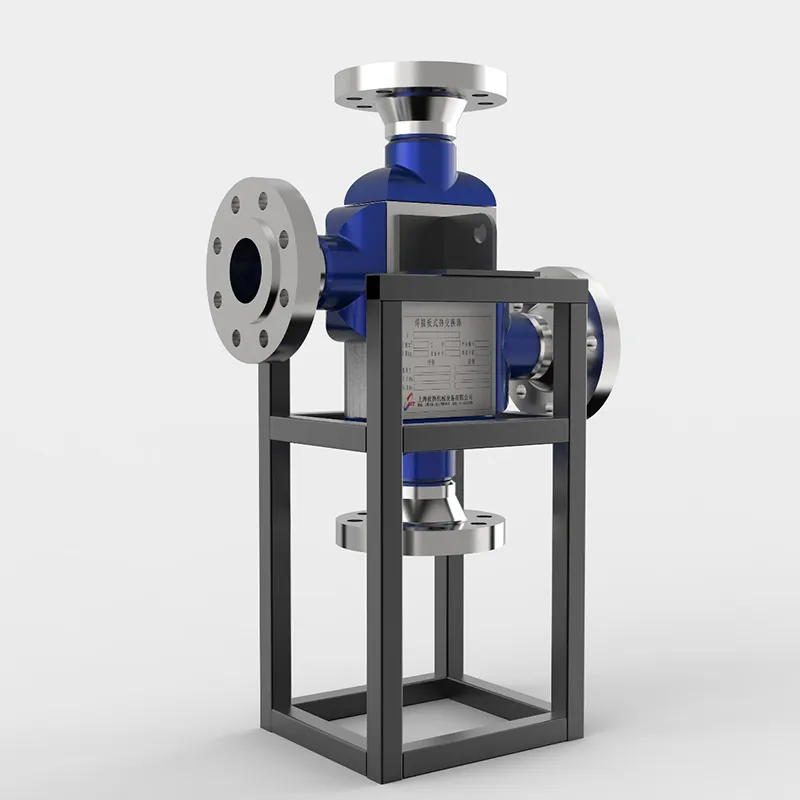
SHPHE's welded plate heat exchangers, including the HT-Bloc and TP series, are designed to handle these cryogenic conditions with minimal thermal fatigue. They are compatible with most heating media and can be custom-configured for specific LNG compositions.
What Are the Main Applications of LNG Vaporizer Heat Exchangers?
LNG vaporizer heat exchangers are deployed in several key scenarios:
- Onshore LNG import terminals – Large-scale vaporization using seawater or combustion heat.
- Offshore floating LNG (FLNG) facilities – Compact units that save deck space and weight.
- Peak-shaving plants – Fast response vaporizers for meeting sudden demand spikes.
- Small-scale LNG satellite stations – Truck unloading and local distribution.
- Industrial fuel gas systems – Direct supply to gas turbines or boilers.
For each application, the choice between open-rack, submerged combustion, or plate-type vaporizers depends on site conditions, environmental regulations, and budget. Welded plate heat exchangers offer a compact alternative to traditional shell-and-tube designs, especially when space is limited or when low-temperature differentials are required.
Why Choose SHPHE for Your LNG Vaporizer Heat Exchanger Needs?
SHPHE is a Shanghai-based plate heat exchanger manufacturer founded in 2005, exporting to more than 20 countries. We hold ISO9001 and ASME U certifications, ensuring our products meet international quality standards. Our product lines include HT-Bloc welded plate heat exchangers, TP welded plate heat exchangers, wide gap welded plate heat exchangers, gasketed plate heat exchangers, PCHE (printed circuit heat exchangers), plate air preheaters, and pillow plates.
For LNG vaporizer applications, we offer free thermal design and selection services. Our engineering team analyzes your specific flow rate, temperature, pressure, and media composition to recommend the optimal configuration. Whether you need a direct replacement for an existing unit or a custom-engineered solution, we provide full support from concept to commissioning.
Our welded plate heat exchangers are designed as an alternative to traditional shell-and-tube or Alfa Laval Compabloc units, offering similar thermal performance with a more compact footprint and lower maintenance requirements. They are particularly effective in LNG vaporizer heat exchanger applications where reliability and efficiency are paramount.
Frequently Asked Questions About LNG Vaporizer Heat Exchangers
1. What is the typical lifespan of an LNG vaporizer heat exchanger?
A well-maintained welded plate LNG vaporizer heat exchanger can last 15–25 years. Factors affecting lifespan include material selection (stainless steel or nickel alloys), operating temperature cycles, and water quality of the heating medium. Regular inspection for pitting or stress corrosion cracking is recommended.
2. Can a plate heat exchanger handle the extreme temperature difference in LNG vaporization?
Yes, but careful design is required. SHPHE uses multi-pass configurations and gradual temperature staging to reduce thermal shock. Our HT-Bloc series incorporates expansion bellows and flexible plate packs to accommodate differential expansion between the cryogenic and warm sides.
3. What heating media are commonly used with LNG vaporizer heat exchangers?
Seawater is the most common medium for coastal terminals due to its availability and low cost. For inland or cold-climate installations, closed-loop systems using glycol/water mixtures, steam, or hot water are preferred. Ambient air vaporizers are also used for small-scale applications but require larger surface areas.
4. How do I size an LNG vaporizer heat exchanger for my project?
Sizing requires the LNG flow rate (kg/h or tons/day), inlet and outlet temperatures and pressures, heating medium temperature and flow rate, and allowable pressure drop. SHPHE provides free thermal design calculations based on your process data. We recommend sharing a process datasheet for accurate quotation.
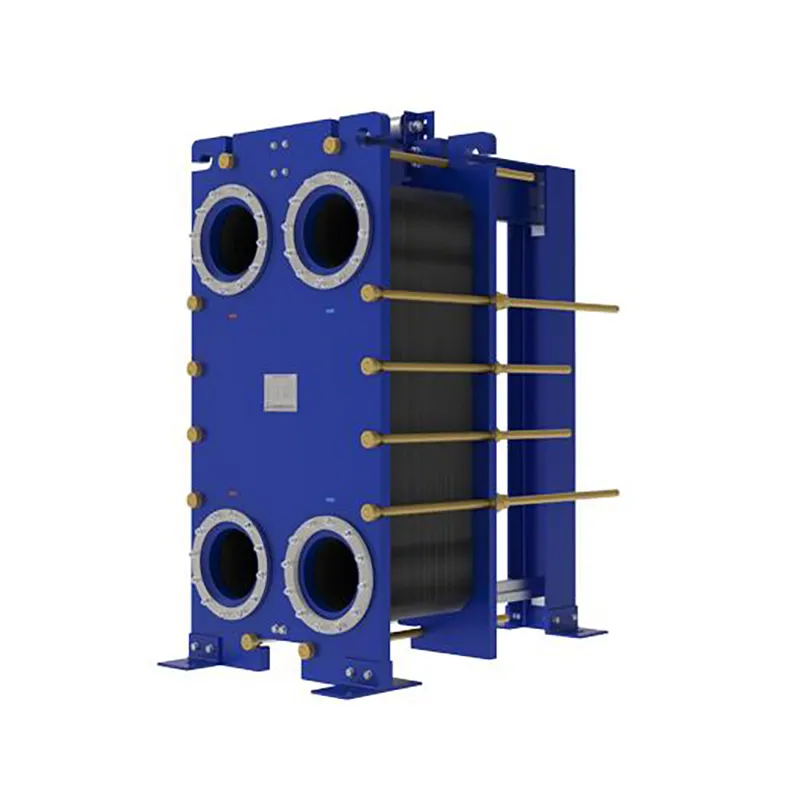
5. What is the difference between a welded plate and a gasketed plate heat exchanger for LNG service?
Welded plate heat exchangers have no gaskets, making them suitable for high-pressure and cryogenic applications where leakage is unacceptable. Gasketed units are easier to clean but limited to lower pressures (typically below 25 barg) and temperatures above -40°C. For LNG vaporizer heat exchanger duty, welded construction is standard.
6. Can SHPHE provide ASME U-stamped LNG vaporizer heat exchangers?
Yes, SHPHE is ASME U certified and can supply stamped vessels for LNG service. Our quality system also complies with ISO9001, PED, and other international codes. We provide full documentation including material certificates, weld maps, and hydrostatic test reports.
Request a Quote for Your LNG Vaporizer Heat Exchanger
To receive a tailored proposal for your LNG vaporizer heat exchanger, please provide the following information in your inquiry:
- LNG flow rate (kg/h or tons/day)
- Inlet and outlet temperatures and pressures
- Heating medium type, temperature, and available flow
- Allowable pressure drop on both sides
- Any special material or code requirements (e.g., ASME U, NACE)
Our engineering team will review your data and provide a free thermal design and selection within 2–3 business days. Contact SHPHE today to discuss how our LNG vaporizer heat exchanger solutions can improve your cryogenic gasification process efficiency and reliability.

 English EN





User Comments
Service Experience Sharing from Real Customers
Mike Torres
Lead Process EngineerWe swapped out an older unit for this LNG vaporizer heat exchanger at our Gulf Coast terminal, and the improvement in thermal efficiency is immediately noticeable. The shell-and-tube design handles the cryogenic temps without any stress fractures, and the maintenance crew actually likes working on it because the tube bundle is easy to pull. No complaints after six months of continuous winter operation.
Sarah Chen
Senior Reliability TechnicianBeen running this vaporizer heat exchanger for about eight months on a floating storage unit. It’s solid—no leaks at the gaskets so far, which is rare for us. The only reason I’m not giving five stars is that the insulation jacket could be a bit thicker for arctic conditions, but we added a secondary wrap and it’s been fine. Would buy again.
Jake Morrison
Plant ManagerHad to replace a failing unit at a small peak-shaving plant and this thing came in clutch. Installation was straightforward—bolted right onto our existing skid. The heat transfer rate is consistent even when we’re pulling heavy loads in the middle of winter. My operators say it’s the quietest vaporizer we’ve ever had. Solid piece of gear.
Emma Wright
Field Service SupervisorI oversee commissioning for several small-scale LNG facilities, and I’ve installed three of these heat exchangers this year. They’re well-built—the finned tube sections are durable and the welds look clean. Only minor gripe is the documentation could be clearer for the control wiring, but once you figure it out, it runs like a champ. Customers are happy.