Critical Design Parameters for the sCO2 Brayton Cycle Heat Exchanger
Selecting the right sCO2 Brayton Cycle Heat Exchanger is a complex task that directly impacts system efficiency and operational reliability. This article breaks down the key design parameters every process engineer and procurement manager must evaluate, from pressure and temperature limits to material selection and flow configuration. We cover working principles, performance ranges, and practical solutions, including how SHPHE’s welded plate heat exchangers serve as a robust alternative to traditional shell-and-tube or brazed units. Whether you are retrofitting an existing plant or designing a new supercritical CO2 loop, understanding these parameters helps avoid costly oversizing or material failure.
What Makes the sCO2 Brayton Cycle Heat Exchanger Different?
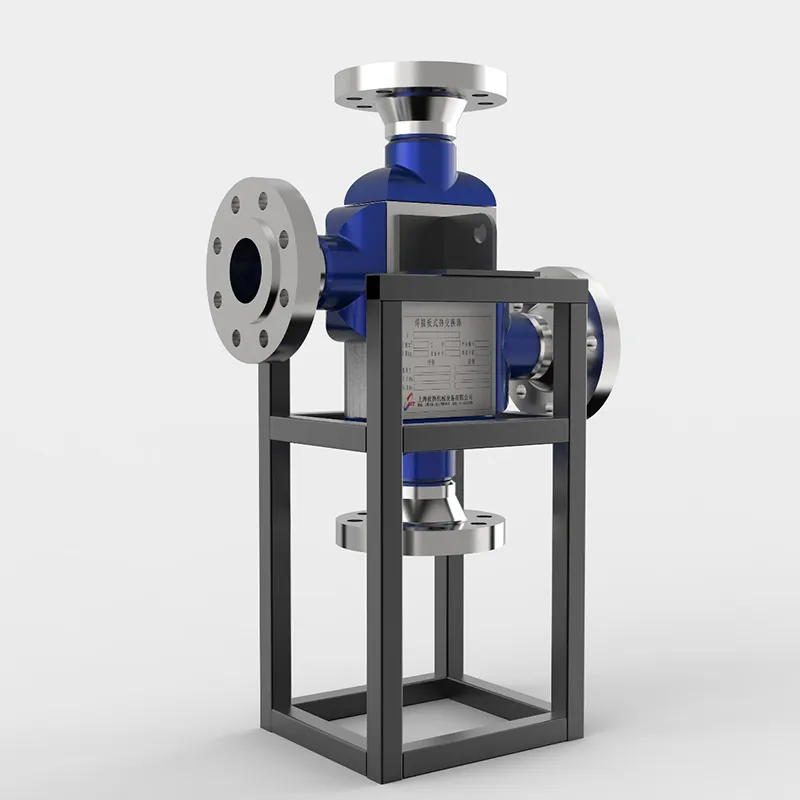
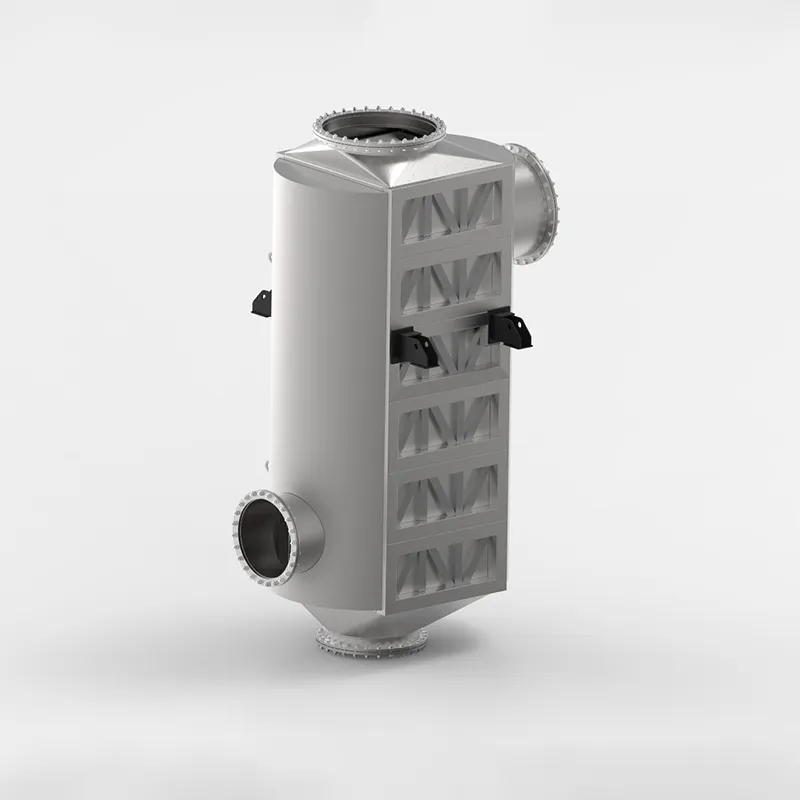
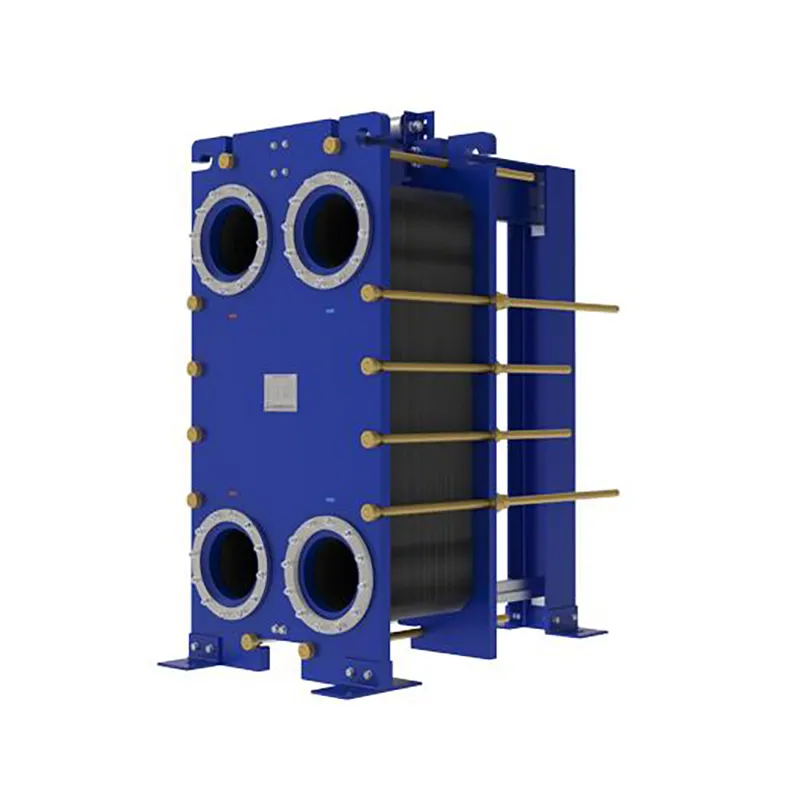
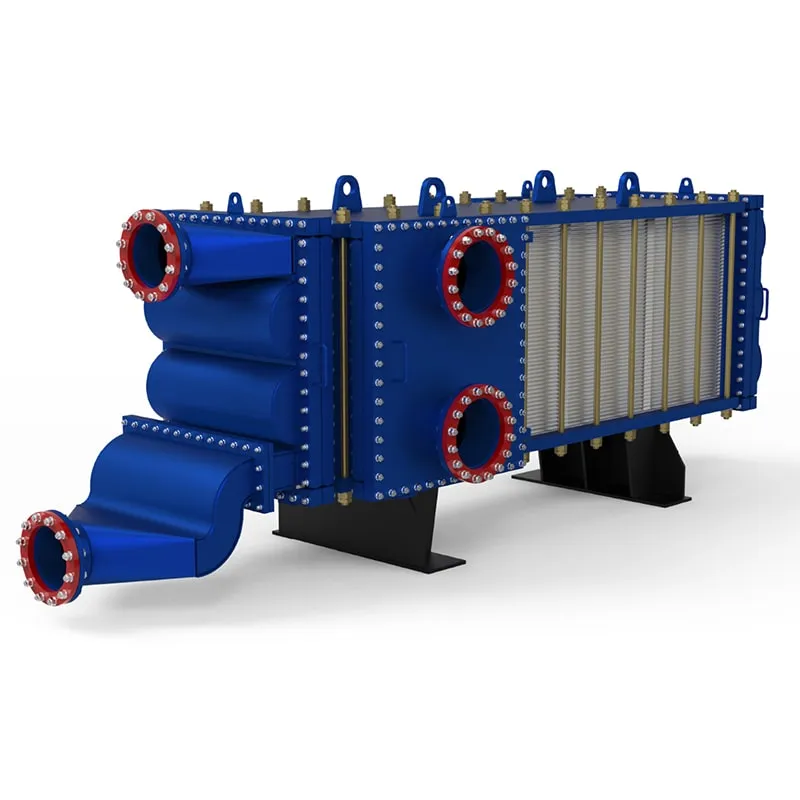
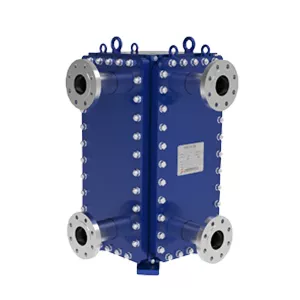
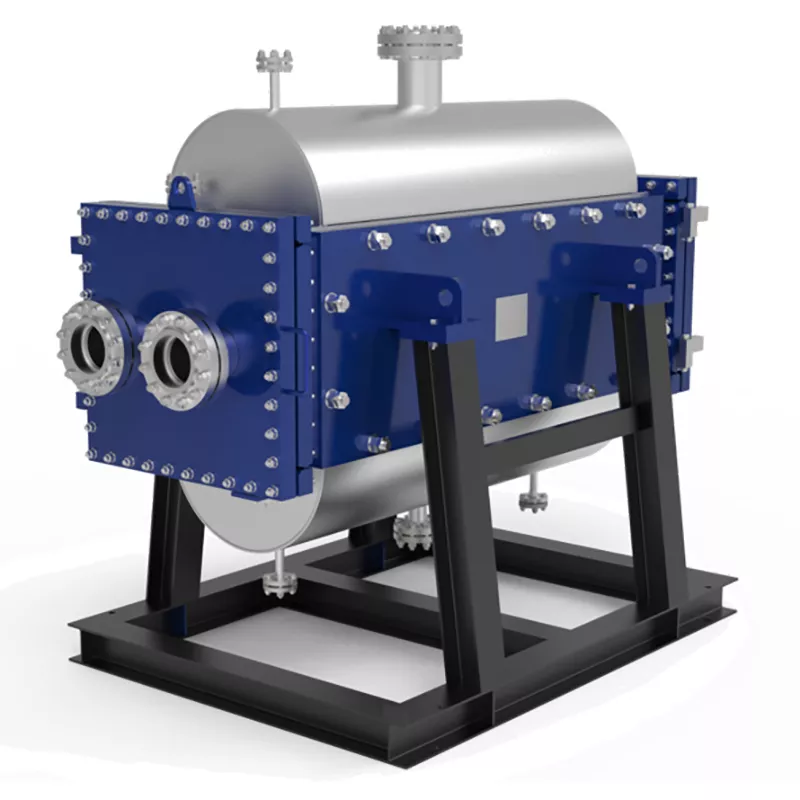
The supercritical carbon dioxide (sCO2) Brayton cycle operates at pressures above 7.38 MPa and temperatures often exceeding 500°C. Unlike conventional steam or gas cycles, sCO2 offers higher thermal efficiency and a compact footprint. However, the heat exchanger must handle extreme pressure differentials, thermal transients, and potential corrosion from CO2 impurities. A standard gasketed plate heat exchanger often fails under these conditions because gaskets cannot withstand the high temperatures and pressures. This is where welded plate designs, such as SHPHE’s HT-Bloc or TP Welded units, become essential.
Working Principle and Process Scenario
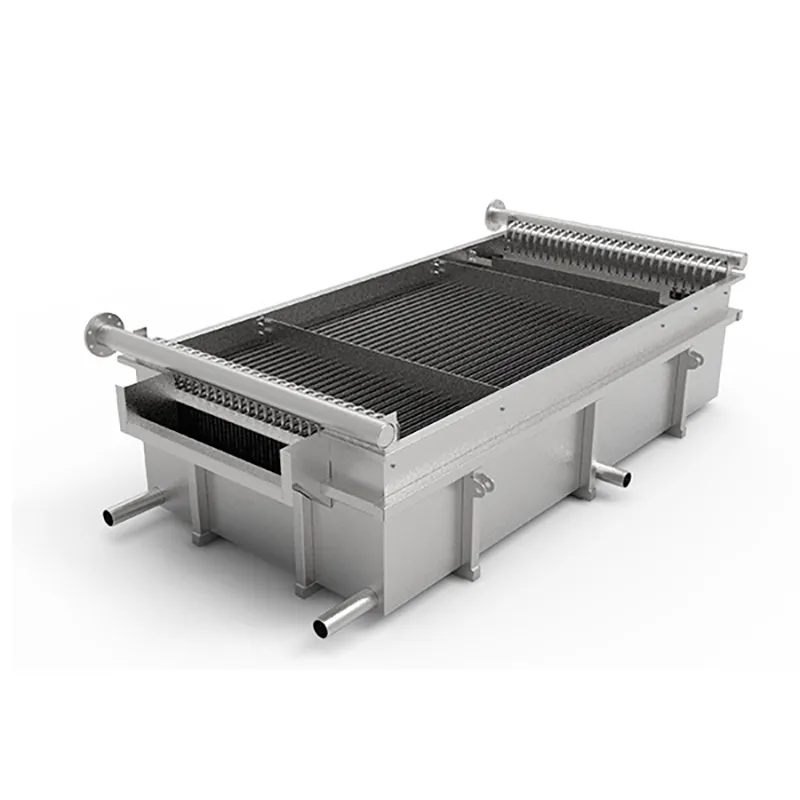
In a typical sCO2 Brayton cycle, the working fluid is compressed, heated, expanded through a turbine, and then cooled before recompression. The heat exchanger serves as either a heater, recuperator, or cooler. For example, in a concentrated solar power (CSP) plant, the sCO2 heater absorbs thermal energy from molten salt or direct solar receivers. The recuperator preheats the high-pressure sCO2 using exhaust heat from the turbine, significantly boosting overall cycle efficiency. Each application demands a heat exchanger that can maintain structural integrity under cyclic thermal loads and high-pressure fluctuations.
Key Design Parameters and Typical Ranges
When specifying a sCO2 Brayton Cycle Heat Exchanger, engineers must evaluate the following parameters. These values represent commonly accepted industry ranges for supercritical CO2 service:
| Parameter |
Typical Range |
Impact on Design |
| Operating Pressure |
10–30 MPa |
Determines wall thickness and material grade; high pressure requires fully welded construction to avoid leakage. |
| Inlet Temperature |
450–700°C |
Drives material selection; stainless steel 316L or Inconel 625 is common for high-temperature zones. |
| Temperature Approach |
5–15°C |
Tighter approach increases surface area but improves cycle efficiency; typical for recuperators. |
| Pressure Drop |
0.1–0.5 MPa per side |
Excessive drop reduces turbine output; plate designs offer lower pressure drop compared to shell-and-tube. |
| Flow Configuration |
Counter-flow or cross-flow |
Counter-flow maximizes thermal effectiveness; cross-flow used in some compact designs. |
| Material |
SS316L, Inconel 625, Hastelloy |
Corrosion resistance and creep strength at elevated temperatures are critical. |
Applications and Recommended Solutions
The sCO2 Brayton Cycle Heat Exchanger finds use in waste heat recovery, nuclear power, solar thermal, and industrial cogeneration. For each application, the recommended solution varies:
Why SHPHE for Your sCO2 Heat Exchanger Needs?
SHPHE, founded in 2005 in Shanghai, has been exporting plate heat exchangers to over 20 countries. We hold ISO9001 and ASME U certifications, ensuring our products meet international quality standards. Our product lines include HT-Bloc and TP Welded Plate Heat Exchangers, Wide Gap Welded units, Gasketed Plate Heat Exchangers, PCHE, Plate Air Preheaters, and Pillow Plates. For the sCO2 Brayton cycle, our fully welded designs eliminate gasket failure risks and provide reliable operation at pressures up to 30 MPa. We offer free thermal design and selection services, helping you choose the right configuration without upfront engineering costs. Unlike some competitors, we focus on custom solutions rather than off-the-shelf units, ensuring optimal performance for your specific process conditions.
Frequently Asked Questions
Q1: Can a gasketed plate heat exchanger be used for sCO2 Brayton cycle applications?
No, gasketed designs are not suitable. The high temperatures (above 400°C) and pressures (above 10 MPa) cause gasket degradation and leakage. Welded plate heat exchangers, such as SHPHE’s HT-Bloc series, are required for reliable sealing and long service life.
Q2: What is the typical pressure drop allowed in an sCO2 recuperator?
Most systems target a pressure drop of 0.1 to 0.3 MPa per side. Higher drops reduce turbine efficiency. Plate heat exchangers generally offer lower pressure drop than shell-and-tube designs, making them a preferred choice for recuperators.
Q3: How does SHPHE ensure material compatibility with supercritical CO2?
We select materials based on operating temperature and CO2 purity. For standard conditions, SS316L is adequate. For higher temperatures or corrosive impurities, we recommend Inconel 625 or Hastelloy. Our free thermal design service includes material selection guidance.
Q4: What is the difference between HT-Bloc and TP Welded designs for sCO2?
HT-Bloc units are fully welded with no gaskets, suitable for high-pressure and high-temperature duties. TP Welded plates have a similar construction but are optimized for lower pressure drops and higher thermal effectiveness in recuperator services. Both are compatible with sCO2 cycles.
Q5: Can SHPHE provide a heat exchanger compatible with Alfa Laval or Compabloc designs?
Yes, our welded plate heat exchangers are designed as a direct alternative to brands like Alfa Laval and Compabloc. We can match flange dimensions, connection sizes, and performance specifications, allowing easy retrofit without major piping modifications.
Q6: What is the lead time for a custom sCO2 Brayton Cycle Heat Exchanger?
Typical lead time ranges from 8 to 14 weeks, depending on complexity and material availability. After receiving your process parameters, we provide a preliminary design within 3–5 business days. Expedited options are available for urgent projects.
Request a Quote for Your sCO2 Project
Choosing the right sCO2 Brayton Cycle Heat Exchanger requires accurate process data. To receive a tailored thermal design and quotation, please provide the following details: flow rate (kg/s or m³/h), inlet and outlet temperatures, operating pressure, allowable pressure drop, and media composition (e.g., CO2 purity, presence of moisture or contaminants). Our engineering team will review your requirements and recommend the most cost-effective solution. Contact us today to start your free thermal design service.
For more information on related products, explore our Gasketed Plate Heat Exchangers and Pillow Plates for auxiliary cooling or heating duties in your plant.

 English EN





User Comments
Service Experience Sharing from Real Customers
Megan
Senior Thermal EngineerWe retrofitted our pilot plant with this heat exchanger for the sCO2 Brayton loop. The pressure drop numbers are way lower than our old shell-and-tube units, and the compact size saved us a ton of floor space. The welds look clean, and so far no creep issues at 700°C. Solid build.
Derek
R&D TechnicianNot gonna lie, I was skeptical about the microchannel design handling the high side pressure, but we've been running it for three months straight without a single leak. Only gripe is the flange bolts are a bit finicky to torque down evenly. Otherwise, it's doing exactly what the datasheet promised.
Priya
Project ManagerOrdered this for a university research loop and the delivery was actually ahead of schedule. The documentation and CAD files matched perfectly, which saved us a redesign headache. My team loves how easy it is to instrument. Performance-wise, we hit 88% effectiveness on the first test run. No complaints here.
Leo
Maintenance SupervisorIt works great when it's clean, but we're finding that any particulates in the loop really clog the small channels fast. We had to add a 10-micron filter upstream. The thermal performance is impressive, but the maintenance access is a pain compared to a standard shell and tube. Just be aware of your fluid cleanliness.