Why Choose a Trusted Plate Heat Exchanger Supplier for Your Operation
Selecting a reliable plate heat exchanger supplier is critical for maintaining process efficiency, reducing downtime, and ensuring long-term equipment performance. This article explores the key factors engineers and procurement managers should consider, from product range and certification to thermal design support and after-sales service. Whether you are upgrading an existing system or specifying equipment for a new plant, understanding what a trusted partner offers can directly impact your operational bottom line.
What Defines a Trusted Plate Heat Exchanger Supplier?
A trusted plate heat exchanger supplier does more than just deliver hardware. They bring engineering expertise, manufacturing consistency, and a track record of meeting international standards. For process engineers and purchasing managers, the choice often comes down to whether the supplier can handle the specific thermal and mechanical demands of your application. A supplier with ISO9001 and ASME U certifications, for example, demonstrates a commitment to quality management and pressure vessel safety. Beyond paperwork, a reliable partner offers free thermal design and selection services, helping you match the correct heat transfer area, plate geometry, and material to your process conditions. This upfront engineering support saves time and prevents costly oversizing or undersizing.
How Does a Plate Heat Exchanger Work in Industrial Processes?
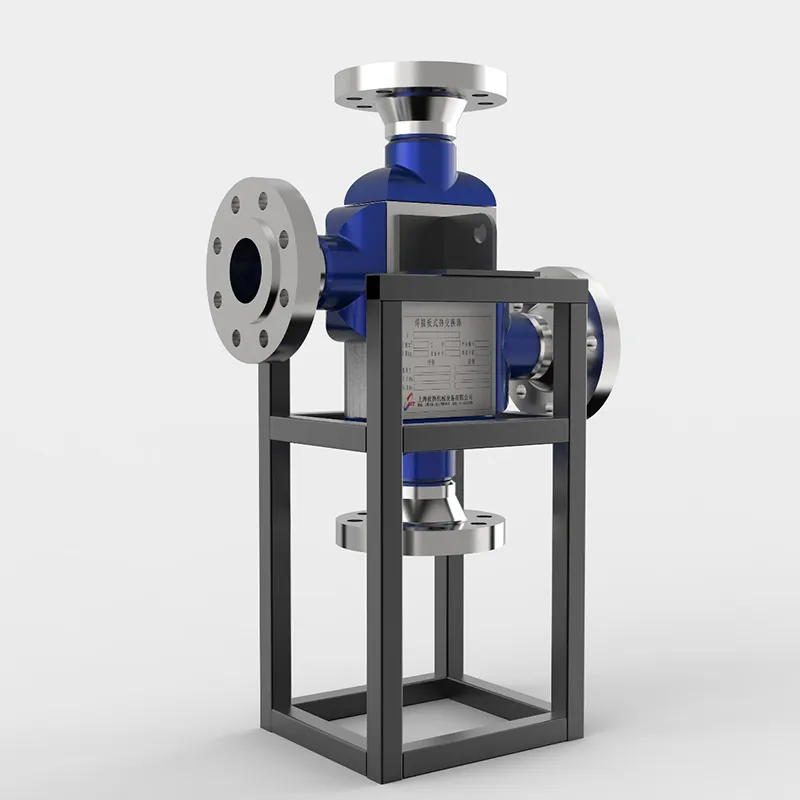
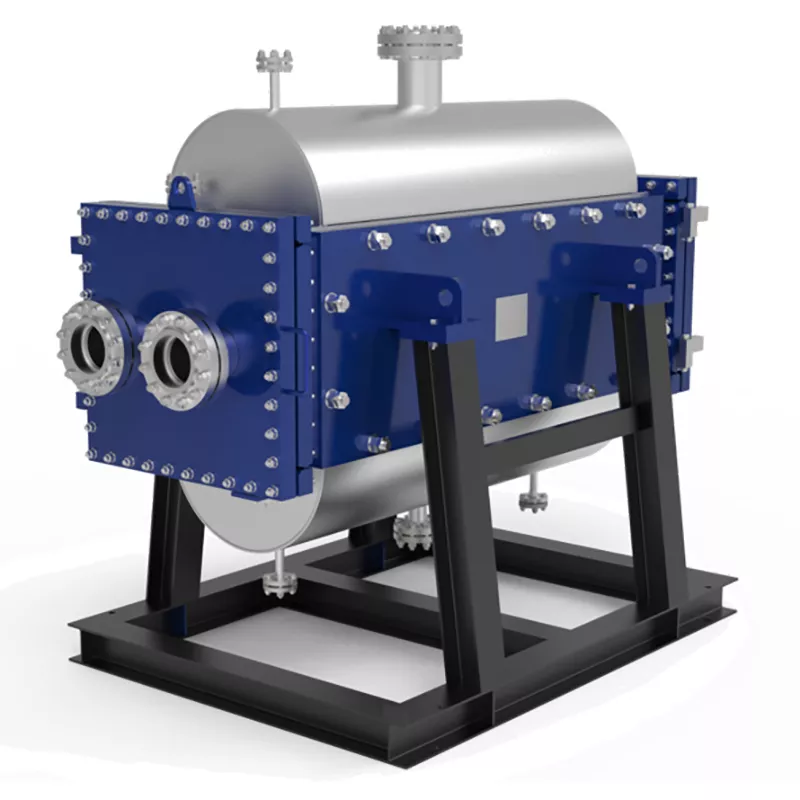
Plate heat exchangers transfer heat between two fluids through a series of corrugated metal plates. The plates create alternating channels for hot and cold fluids, maximizing surface area contact while maintaining separation. The design allows for high thermal efficiency in a compact footprint. In a typical industrial scenario, a gasketed plate heat exchanger handles pressures up to 25 bar and temperatures up to 180°C, while welded variants like the TP welded plate heat exchanger can operate at higher temperatures and pressures without gasket failure risks. The choice between gasketed and welded designs depends on factors such as fluid compatibility, maintenance frequency, and operating conditions. For processes involving fouling fluids or particulates, a wide gap welded plate heat exchanger provides larger channel openings to reduce clogging.
Key Features and Typical Parameter Ranges
When evaluating a plate heat exchanger supplier, understanding the technical envelope is essential. Below are commonly accepted parameter ranges for industrial plate heat exchangers:
| Parameter |
Typical Range |
| Maximum operating pressure |
Up to 30 bar (gasketed), up to 100 bar (welded/PCHE) |
| Maximum operating temperature |
Up to 180°C (gasketed), up to 900°C (plate air preheaters) |
| Heat transfer area per unit |
0.1 m² to 2,500 m² |
| Plate materials |
Stainless steel 304/316L, titanium, Hastelloy, nickel alloys |
| Gasket materials |
NBR, EPDM, Viton, PTFE |
| Connection sizes |
DN 25 to DN 500 |
These ranges are industry-generic and should be confirmed with your supplier for specific models. A trusted plate heat exchanger supplier will provide detailed datasheets and selection software to verify compatibility.
Applications and Recommended Solutions
Plate heat exchangers serve a wide range of industries including chemical processing, oil and gas, HVAC, food and beverage, and power generation. For each application, the optimal product type varies:
- Chemical processing: Use HT-Bloc welded plate heat exchangers for high-temperature and high-pressure duties, or PCHE for compact, high-integrity applications.
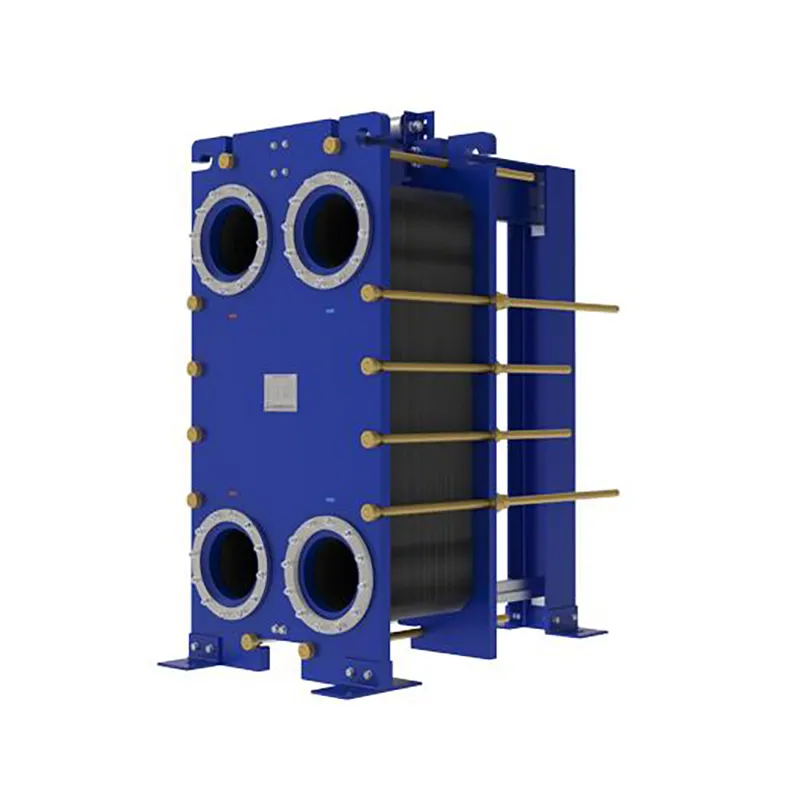
- HVAC and district heating: Gasketed plate heat exchangers are cost-effective and easy to maintain, compatible with Alfa Laval and GEA frame sizes.
- Fouling or viscous fluids: Wide gap welded plate heat exchangers handle slurries and fibrous media with reduced fouling.
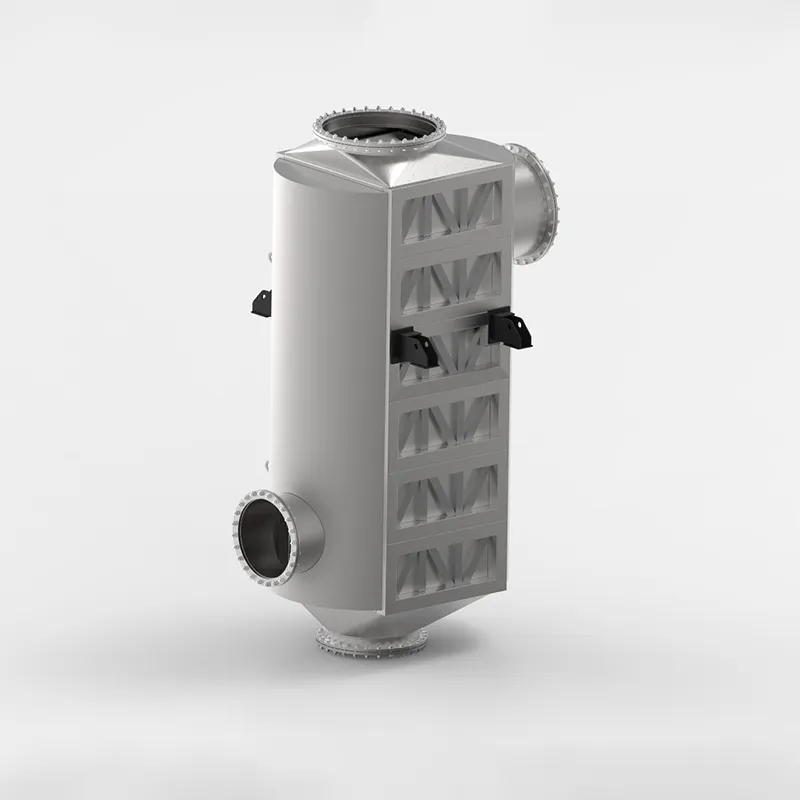
- Waste heat recovery: Plate air preheaters recover heat from flue gas, improving overall plant efficiency.
- Pharmaceutical and sanitary: Gasketed designs with stainless steel plates and EPDM gaskets meet hygiene standards.
Why SHPHE Stands Out as a Plate Heat Exchanger Supplier
SHPHE, founded in Shanghai in 2005, has grown into a manufacturer exporting to over 20 countries. The company holds ISO9001 and ASME U certifications, ensuring that every unit meets internationally recognized quality and safety standards. Their product portfolio includes HT-Bloc and TP welded plate heat exchangers, wide gap welded plate heat exchangers, gasketed plate heat exchangers, PCHE, plate air preheaters, and pillow plates. Unlike many suppliers who only offer standard models, SHPHE provides free thermal design and selection services, helping engineers find the right fit without additional engineering fees. This approach reduces project lead times and ensures the heat exchanger performs as expected from day one. For operations that require compatibility with existing installations, SHPHE units are designed as alternatives to Compabloc and other major brands, simplifying retrofit projects.
Frequently Asked Questions
How do I choose between a gasketed and a welded plate heat exchanger?
Gasketed units are suitable for moderate temperatures and pressures where regular cleaning and plate replacement are expected. Welded units are better for high-temperature, high-pressure, or hazardous fluids where gasket failure is unacceptable. Your supplier can help evaluate the trade-off based on your specific media and maintenance schedule.
What certifications should a reliable plate heat exchanger supplier have?
Look for ISO9001 for quality management and ASME U for pressure vessel design. These certifications indicate that the manufacturer follows rigorous design, fabrication, and testing procedures. Some industries also require PED (Europe) or CRN (Canada) marks depending on the installation location.
Can I use a plate heat exchanger as an alternative to a shell-and-tube design?
Yes, in many cases. Plate heat exchangers offer higher thermal efficiency and a smaller footprint. However, they may not be ideal for extremely high pressures (above 100 bar) or very large flow rates where shell-and-tube remains dominant. A thermal design review by your supplier will clarify the best option.
How long does it take to get a custom-engineered plate heat exchanger?
Lead times vary by complexity and current production load. For standard gasketed units, delivery can be 4–6 weeks. Custom welded units or PCHE may require 8–12 weeks. A trusted plate heat exchanger supplier will provide a clear timeline during the quotation stage.
What spare parts should I keep in stock?
For gasketed units, keep a set of gaskets and tightening bolts. For welded units, consider spare plate packs or nozzle gaskets. Your supplier can recommend a spare parts kit based on your unit model and operating conditions.
Do you provide free thermal design and selection?
Yes. A professional plate heat exchanger supplier like SHPHE offers free thermal design and selection services. Simply provide your process parameters, and the engineering team will recommend the optimal model, plate count, and material configuration.
Request a Quote for Your Application
To get an accurate proposal, please provide the following details to your plate heat exchanger supplier: flow rate (hot side and cold side), inlet and outlet temperatures, operating pressure, and media type (including any fouling tendencies or corrosive components). With this information, the engineering team can perform a free thermal design and deliver a selection that meets your process requirements. Contact SHPHE today to discuss your project and experience the difference a trusted partner makes.

 English EN





User Comments
Service Experience Sharing from Real Customers
Liam
Maintenance SupervisorWe switched to this supplier for our plate heat exchangers about six months ago, and I have to say, the build quality is noticeably better than what we were getting before. The plates fit tight, no leaks, and the thermal performance is spot on. Our old units used to scale up every few months, but these are holding up way better. Definitely sticking with them.
Maya
Procurement SpecialistI’ve dealt with a bunch of suppliers over the years for our HVAC projects, and this one actually responds to emails within the same day. That alone is a win. The pricing was competitive, and the delivery arrived a day early. Only reason I’m not giving 5 stars is because the packaging could’ve been sturdier for the gaskets. But overall, solid experience.
Oscar
Process EngineerNeeded a custom plate heat exchanger for a tricky food pasteurization line, and these guys nailed the specs. The heat transfer rate matched our calculations perfectly, and the stainless finish is easy to clean. My team was skeptical about going with a new supplier, but the performance speaks for itself. No complaints here.
Elena
Plant ManagerWe bought a few units for our district heating system, and installation was straightforward. The documentation was clear, which is rare for industrial equipment. I knocked off one star because the pressure drop was slightly higher than the datasheet claimed, but the supplier’s tech support walked us through adjusting the flow, so it’s manageable. Would order again.