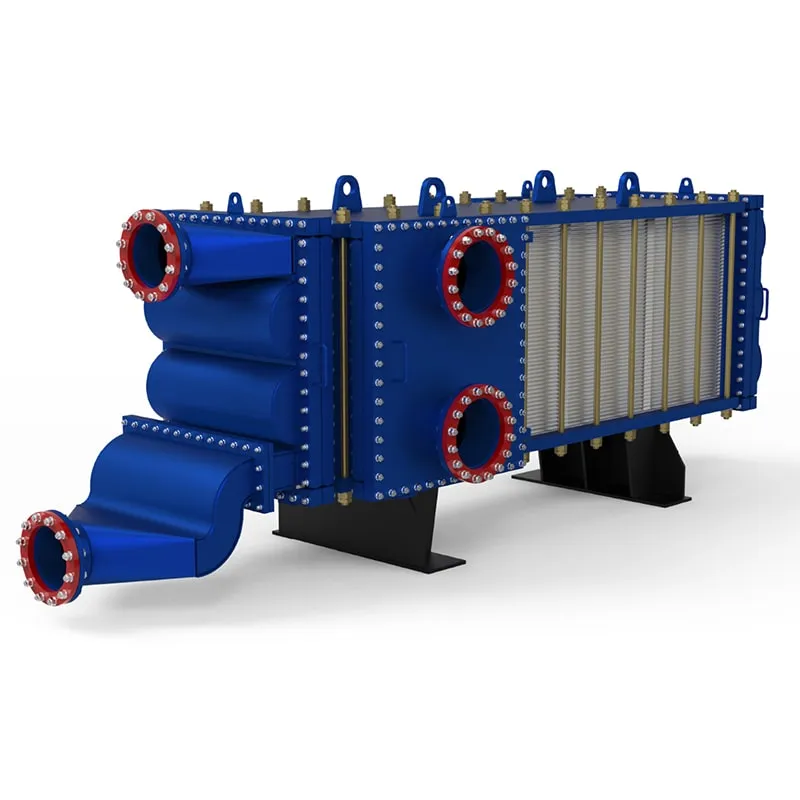
Custom-Engineered Gasketed Plate Heat Exchangers
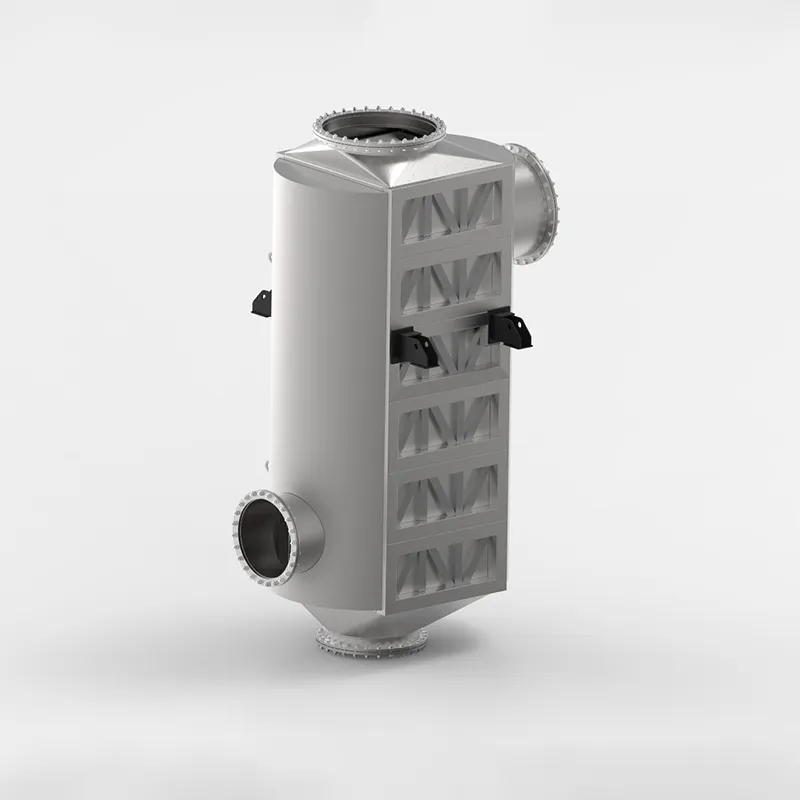
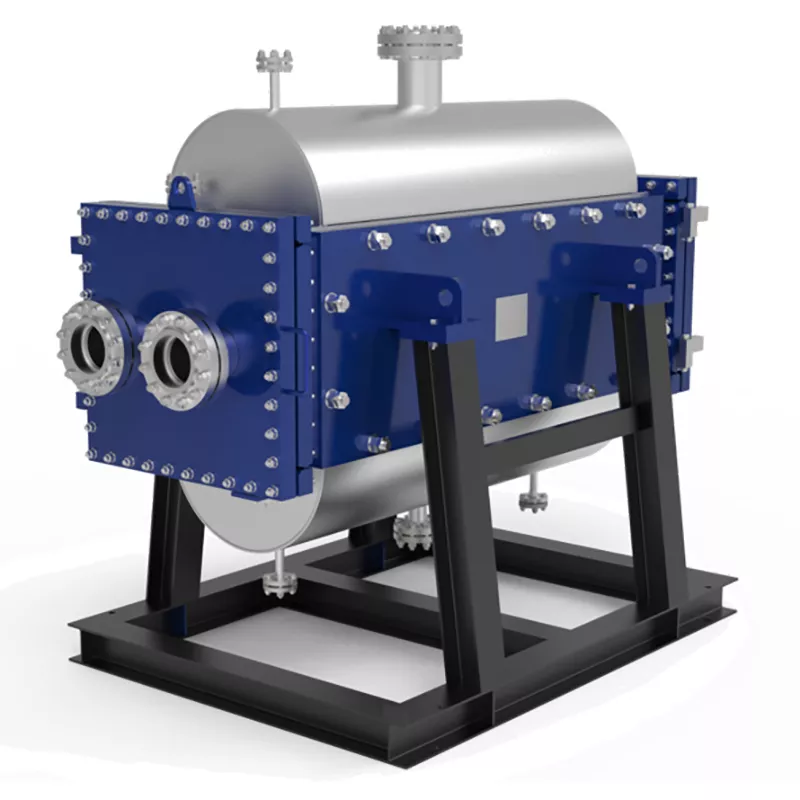
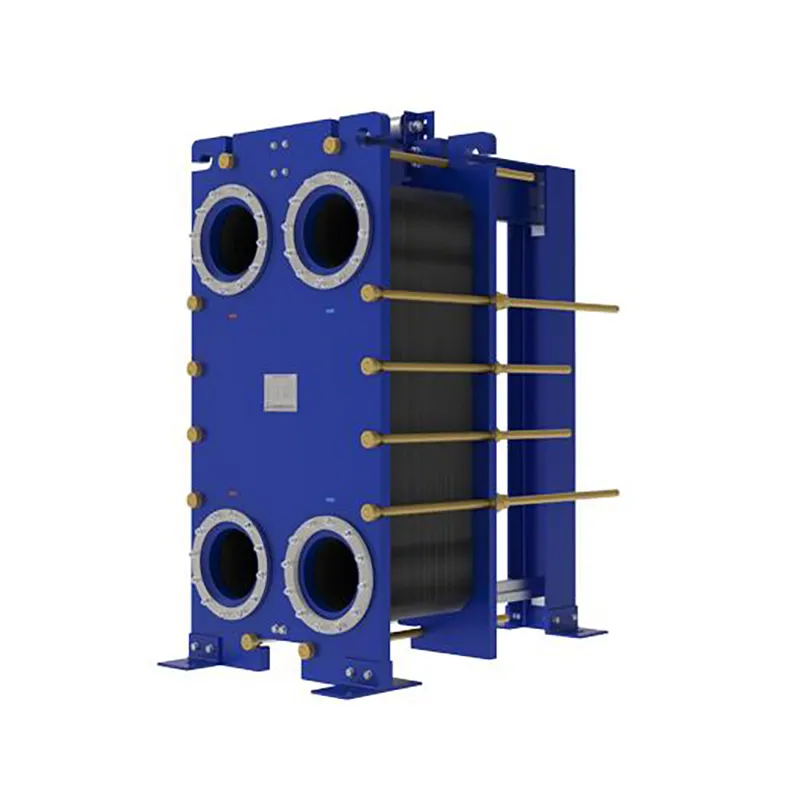
Since the invention of the plate heat exchanger (PHE) in 1923, thermal technology has evolved from standard food-grade processing to highly complex industrial operations. At SHPHE, we take this classic, versatile design and transform it into highly bespoke heat transfer solutions tailored to your unique process fluids and thermal loads. While traditional gasketed PHEs offer high efficiency and compact footprints, SHPHE optimizes plate corrugations, metallurgy, and sealing systems to handle your specific chemical, HVAC, or energy recovery parameters. Our custom-engineered gasketed plate heat exchangers provide outstanding scalability and ease of maintenance, serving as an indispensable asset for heavy industries—including oil and gas, metallurgy, and food processing—where uptime, energy recovery, and long-term sustainability are top priorities.
Heat Exchangers

 English EN





User Comments
Service Experience Sharing from Real Customers
Liam
Maintenance SupervisorWe had a nasty fouling issue on our dairy pasteurizer last month. I used the troubleshooting guide to isolate a flow imbalance caused by a partially blocked channel. Cleaned it per the steps, and the outlet temp delta came right back to spec. Saved us a costly factory shutdown. Highly recommend keeping this manual handy.
Mia
Process EngineerNot gonna lie, I was skeptical about a generic troubleshooting list, but the section on pressure drop anomalies actually pinpointed a gasket extrusion we missed during the last PM. Replaced the gasket and the plate pack tightened up nicely. Only gripe: I wish there were more photos of worn gasket patterns. Still, solid resource for a mid-career engineer like me.
Ethan
HVAC TechnicianI work on large commercial chiller systems, and plate heat exchanger leaks are my nightmare. This guide walked me through a step-by-step leak detection using a soap solution and a flashlight—sounds basic but it worked when the pressure test was inconclusive. Found a hairline crack on the third plate from the end. Replaced it, system held vacuum all night. Five stars from a field guy.
Olivia
Plant OperatorI’m not an engineer, just the guy who runs the reactor cooling loop. When the outlet temperature started climbing, I checked the troubleshooting table for 'low flow on one side'. Turned out the strainer before the HX was half clogged with rust flakes. Cleaned it out and the delta T dropped back to normal. The plain language in this saved me from bothering the shift lead at 2 AM.