Understanding the Primary Plate Heat Exchanger Leaking Causes
Plate heat exchanger leaks can disrupt production, increase downtime, and lead to costly repairs. This article breaks down the most common primary plate heat exchanger leaking causes, from gasket failure and corrosion to improper installation and thermal fatigue. Whether you are a process engineer or a purchasing manager, understanding these root causes helps you select the right equipment and schedule preventive maintenance. We also share practical solutions and how SHPHE, a trusted Shanghai-based manufacturer since 2005, can support your heat transfer needs with reliable designs and free thermal selection services.
What Are the Most Common Plate Heat Exchanger Leaking Causes?
A plate heat exchanger (PHE) leaks when the seal between plates breaks or when the plate itself develops a crack. The most frequent primary plate heat exchanger leaking causes include gasket degradation, corrosion pitting, thermal fatigue, and improper tightening during reassembly. In our experience working with overseas process engineers, these issues often appear after years of service or when operating conditions exceed design limits. For example, gaskets made of NBR or EPDM can harden and lose elasticity at temperatures above their rated range, leading to external leaks. Similarly, chloride stress corrosion cracking in stainless steel plates is a known problem in marine or chemical applications. Identifying the exact cause early can save thousands in repair costs and unplanned shutdowns.
How Does Gasket Failure Cause Leaks in a Plate Heat Exchanger?
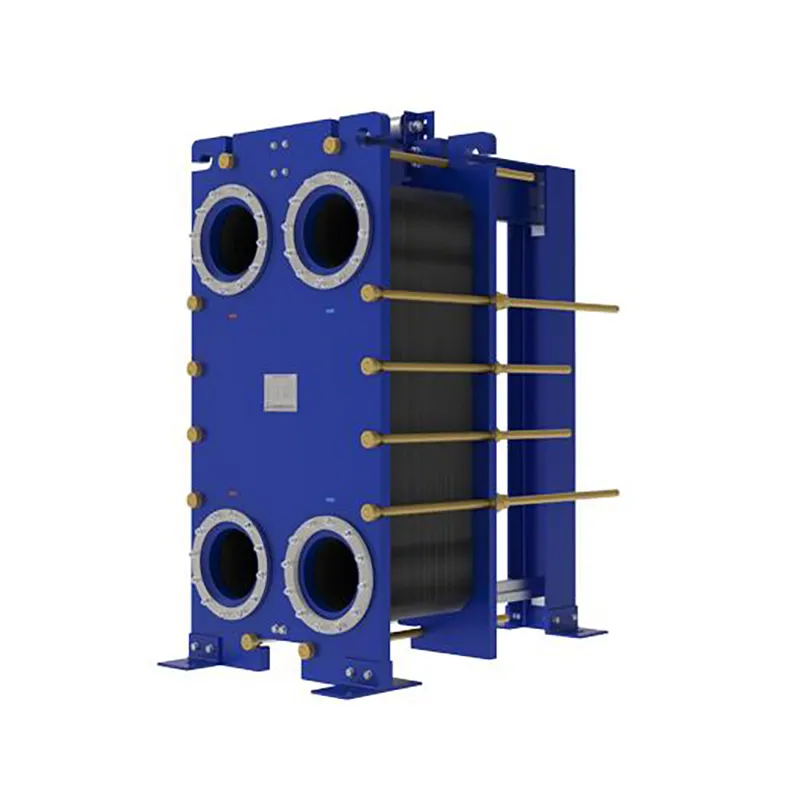
Gasket failure is the number one reason for leaks in gasketed plate heat exchangers. Over time, gaskets can become brittle, swell, or lose compression due to chemical attack, high temperature, or age. When a gasket fails, fluid escapes between the plate pack and the frame, often visible as drips or sprays. We recommend checking gasket hardness and compression set annually. For demanding applications, SHPHE offers gasketed plate heat exchangers compatible with Alfa Laval and GEA designs, using materials like Viton or PTFE for better chemical resistance. Always follow the torque specifications from the manufacturer to avoid over-compression, which can also cause leaks.
Corrosion and Pitting: A Hidden Cause of Leaks
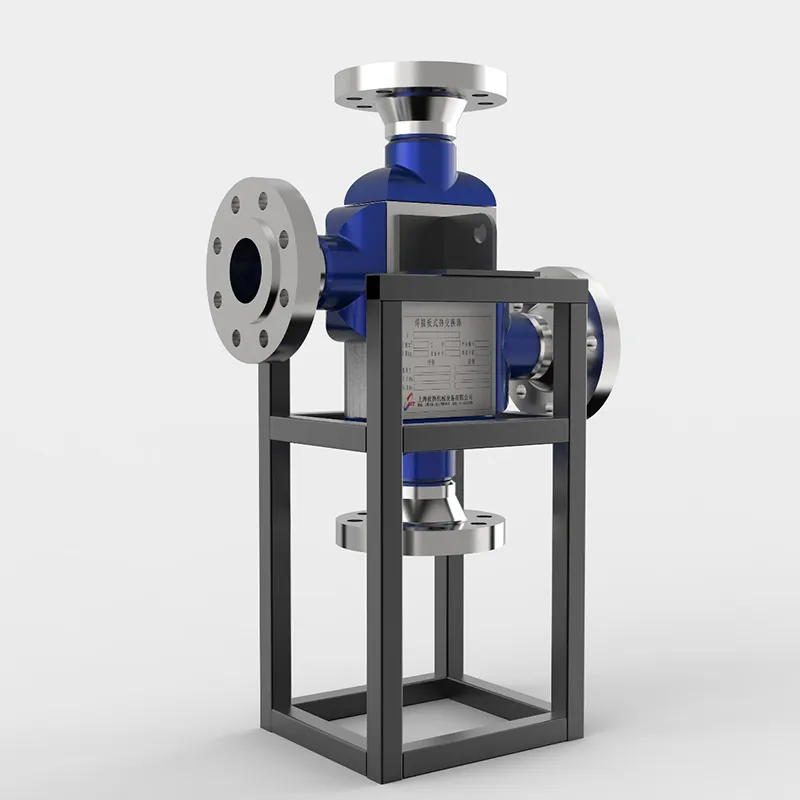
Corrosion, especially pitting and crevice corrosion, is another leading primary plate heat exchanger leaking cause. Stainless steel plates (304 or 316L) can develop tiny holes when exposed to chlorides, acidic media, or stagnant flow zones. These pits grow over time and eventually create through-wall leaks. In one common scenario, a heat exchanger handling cooling tower water with high chloride levels showed pitting within two years. To mitigate this, consider upgrading to titanium or duplex stainless steel plates. SHPHE provides free thermal design and material selection advice to match your media. For fully welded designs like our HT-Bloc Welded Plate Heat Exchanger, gaskets are eliminated, reducing corrosion risk at the sealing points.
Thermal Fatigue and Pressure Surges: What You Need to Know
Rapid temperature changes or pressure spikes can cause plates to expand and contract unevenly, leading to stress cracks at the plate ports or around the gasket grooves. This is especially common in steam heating applications where cold fluid is introduced suddenly. Thermal fatigue often appears as hairline cracks near the inlet or outlet ports. To prevent this, install slow-opening valves and use a bypass system to preheat the exchanger. If your process involves frequent cycling, consider a welded plate heat exchanger like the TP Welded Plate Heat Exchanger, which handles higher thermal stresses without gasket-related leaks.
Installation and Maintenance Mistakes That Lead to Leaks
Improper installation is a preventable but common cause. Overtightening the tightening bolts can crush gaskets, while undertightening leaves gaps. Also, misaligned plates during reassembly after cleaning can pinch gaskets or damage plate edges. Always use a torque wrench and follow the manufacturer's tightening sequence. For large plate packs, check the plate pack length against the frame's closing dimension. SHPHE provides detailed installation manuals and remote support for all our products. Regular maintenance, including visual inspection of gaskets and pressure testing, can catch small issues before they become major leaks.
Why Choose SHPHE for Reliable Plate Heat Exchanger Solutions?
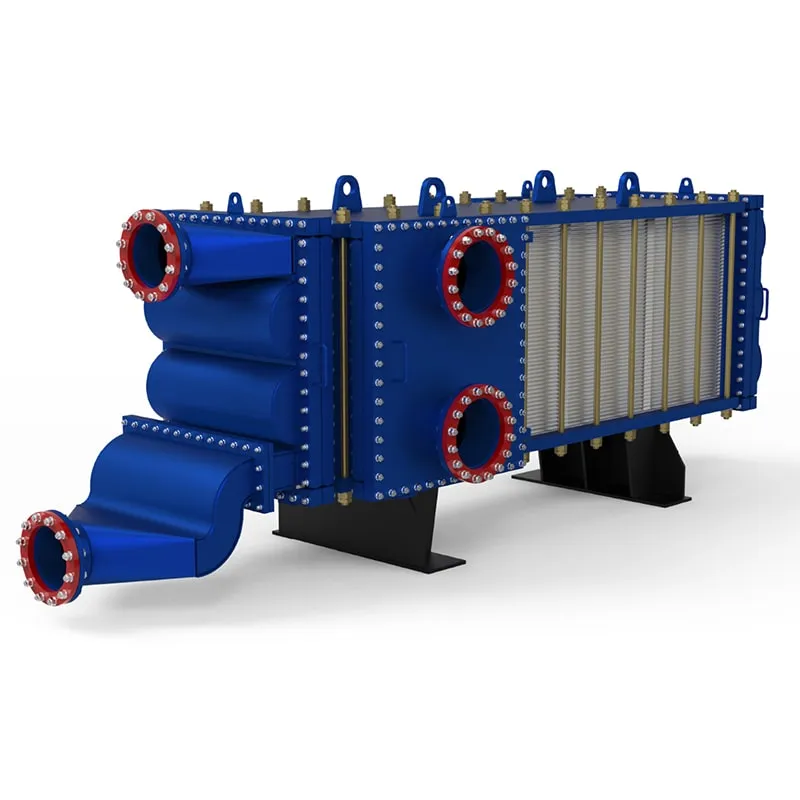
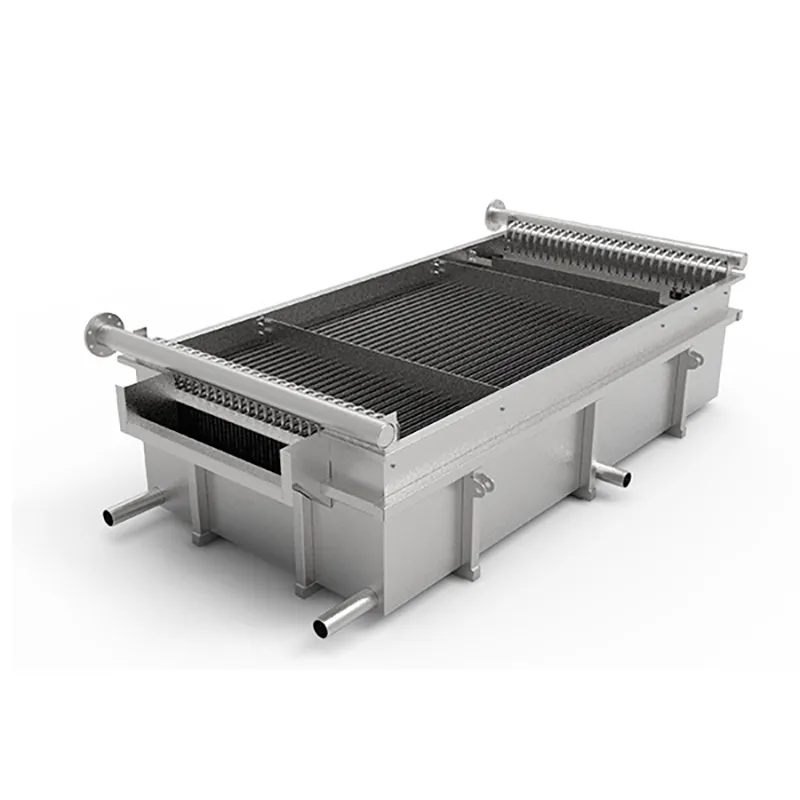
SHPHE is a Shanghai-based plate heat exchanger manufacturer founded in 2005, exporting to over 20 countries. We hold ISO9001 and ASME U certifications, ensuring quality and safety. Our product lines include HT-Bloc and TP Welded Plate Heat Exchangers, Wide Gap Welded Plate Heat Exchangers, Gasketed Plate Heat Exchangers, PCHE, Plate Air Preheaters, and Pillow Plates. We offer free thermal design and selection services to help you avoid the primary plate heat exchanger leaking causes by choosing the right materials and design for your application. Whether you need a replacement for an existing unit or a custom solution, our engineers work with you to optimize performance and longevity. For instance, our Wide Gap Welded Plate Heat Exchanger is ideal for viscous or fibrous fluids that can clog standard units, reducing the risk of pressure-related leaks.
Frequently Asked Questions About Plate Heat Exchanger Leaks
Q: Can a small leak in a plate heat exchanger be repaired, or do I need to replace the whole unit?
A: Yes, many leaks can be repaired by replacing damaged gaskets or plates. If the leak is from a pinhole in a plate, that plate can be removed or replaced. However, if the frame is cracked or severely corroded, a new unit may be more cost-effective. SHPHE offers both spare parts and complete replacements.
Q: How often should I inspect my plate heat exchanger for potential leaks?
A: We recommend a visual inspection every 6 months and a full pressure test every 2 years. For units handling aggressive chemicals or high temperatures, increase the frequency to quarterly inspections. Early detection of gasket wear or corrosion can prevent unexpected failures.
Q: What is the difference between an internal leak and an external leak in a PHE?
A: An external leak is visible as fluid dripping from the frame or gasket area. An internal leak happens when two fluids mix inside the exchanger due to a damaged plate or gasket. Internal leaks are harder to detect but can be identified by changes in outlet temperature or fluid composition.
Q: Can using the wrong gasket material cause a leak?
A: Absolutely. Gaskets must match the fluid temperature, pressure, and chemical compatibility. For example, NBR gaskets fail quickly in oil-free steam applications. Always consult the manufacturer's material compatibility chart. SHPHE provides free guidance on selecting the right gasket for your media.
Q: Are welded plate heat exchangers less prone to leaks than gasketed ones?
A: Yes, welded designs like the HT-Bloc or TP series eliminate gaskets, removing the most common leak source. They are ideal for high-temperature, high-pressure, or hazardous fluids. However, they are harder to clean and repair. SHPHE offers both options to suit your specific process needs.
Q: How do I know if my plate heat exchanger is leaking internally?
A: Signs include a drop in heat transfer efficiency, unexpected changes in outlet temperatures, or contamination of one fluid by another. A pressure test or dye test can confirm internal leaks. Contact SHPHE for diagnostic support and repair solutions.
Request a Quote for Your Plate Heat Exchanger Needs
Understanding the primary plate heat exchanger leaking causes is the first step to preventing downtime and extending equipment life. To get a tailored solution, please provide your process parameters: flow rate, inlet and outlet temperatures, operating pressure, and media details (including chemical composition if applicable). SHPHE offers free thermal design and selection to ensure you get the right heat exchanger for your application. Contact our team today for a quote and technical support.

 English EN





User Comments
Service Experience Sharing from Real Customers
Mike
Maintenance SupervisorWe had a small leak at the gasket last month. Tightening the bolts evenly solved it, but I wish the manual had clearer torque specs for different plate materials. Overall solid unit for the price.
Sandra
Process EngineerAfter two years of heavy use in a chemical plant, we finally got a pinhole leak from chlorine pitting. Replaced the plate and it's back to normal. Just make sure your fluid chemistry is compatible—our fault, not the heat exchanger's.
Tom
HVAC TechnicianInstalled this in a commercial building's hydronic system. Within 6 months we had a small drip at the nozzle weld. Had to braze it. Might be a batch issue? Otherwise works fine now, but I expected better from a new unit.
Elena
Plant OperatorHad a leak from thermal stress after a sudden cold water shock. Followed the startup procedure from the supplier's video and never had the issue again. These units handle normal cycling really well—just don't slam them with cold water.