Understanding the Core Factors That Influence Plate Heat Exchanger Efficiency
Plate heat exchanger efficiency directly impacts operating costs and process reliability in industries like chemical processing, HVAC, and food production. This article breaks down the key variables—from plate geometry and flow arrangement to fouling resistance and material selection—that engineers and procurement managers must evaluate. Whether you are specifying a new unit or troubleshooting an existing system, understanding these factors helps you achieve optimal thermal performance and long-term savings. We also explore how SHPHE, a Shanghai-based manufacturer with ISO9001 and ASME U certifications, delivers tailored solutions for demanding applications.
What Defines Plate Heat Exchanger Efficiency?
Efficiency in a plate heat exchanger is typically measured by its heat transfer coefficient (U-value) and pressure drop. A higher U-value means more heat is transferred per unit area, but this often comes with increased pressure loss. The balance between these two parameters determines the overall effectiveness of the unit. Factors like plate corrugation pattern, channel spacing, and fluid properties play a major role. For process engineers, the goal is to maximize heat recovery while keeping pumping costs within acceptable limits. Real-world data shows that well-designed plate heat exchangers can achieve U-values ranging from 3,000 to 7,000 W/m²K for water-to-water applications, depending on the specific design.
How Does Plate Geometry Affect Thermal Performance?
The geometry of the plates is one of the most critical factors influencing plate heat exchanger efficiency. Chevron angles, plate depth, and the number of contact points all contribute to turbulence and heat transfer. Plates with a high chevron angle (60° or more) create intense turbulence, which improves the heat transfer coefficient but also increases pressure drop. Low-angle plates (around 30°) offer lower pressure drop but reduced thermal performance. In practice, manufacturers like SHPHE offer a range of plate patterns to match specific process requirements. For example, in applications with viscous fluids or slurries, wide-gap designs are preferred to prevent clogging while maintaining reasonable efficiency.
What Role Does Flow Arrangement Play?
Flow arrangement—whether counter-current, co-current, or cross-flow—directly impacts the temperature driving force. Counter-current flow is the most efficient because it maintains a consistent temperature difference across the heat exchanger. In gasketed plate heat exchangers, the design allows for true counter-current flow, which is a key advantage over shell-and-tube units. For multi-pass arrangements, the efficiency can drop slightly due to mixing effects, but this is often necessary for meeting specific temperature targets. Engineers should always evaluate the log mean temperature difference (LMTD) correction factor when designing or selecting a unit.
Key Parameters That Influence Plate Heat Exchanger Efficiency
The following table summarizes the typical ranges for common parameters that affect performance:
| Parameter |
Typical Range |
Impact on Efficiency |
| Chevron angle |
30°–65° |
Higher angle increases U-value and pressure drop |
| Plate thickness |
0.4–1.2 mm |
Thinner plates improve heat transfer but reduce strength |
| Channel gap |
2–10 mm |
Larger gaps reduce fouling but lower turbulence |
| Flow velocity |
0.3–1.5 m/s |
Higher velocity improves heat transfer and reduces fouling |
| Fouling factor |
0.00005–0.0005 m²K/W |
Higher fouling reduces overall U-value |
How Does Fouling Impact Long-Term Efficiency?
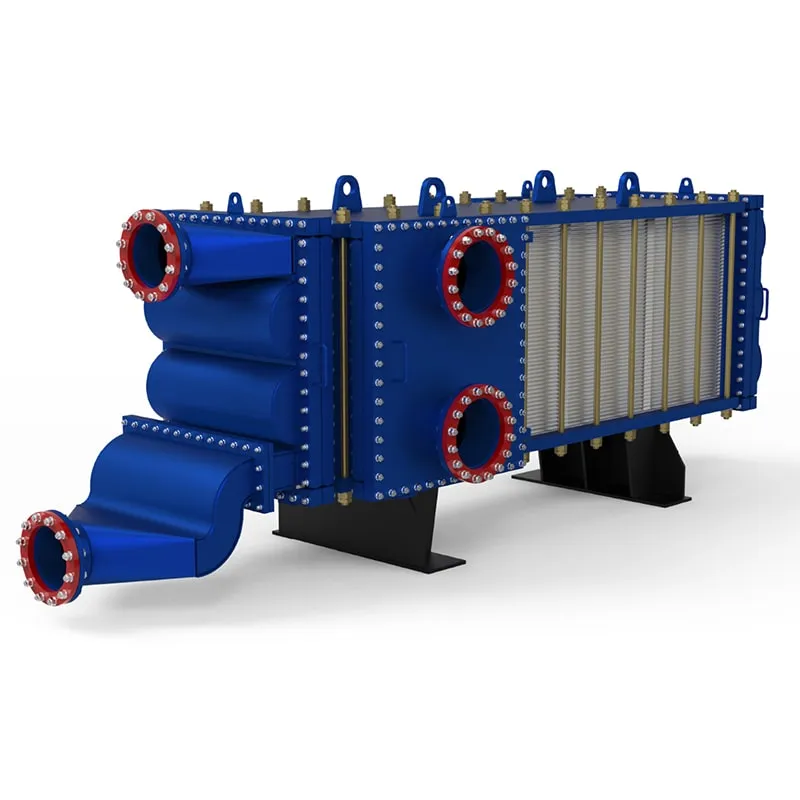
Fouling is a major concern in many industrial processes. Deposits on plate surfaces create an insulating layer that reduces heat transfer. In severe cases, fouling can cut efficiency by 30% or more. Regular cleaning and proper material selection help mitigate this. For example, in applications with hard water or scaling tendencies, using plates with a smooth surface or applying anti-fouling coatings can extend maintenance intervals. SHPHE offers gasketed plate heat exchangers that are easy to disassemble for cleaning, which is a practical advantage for processes prone to fouling. Additionally, wide gap welded plate heat exchangers are a good alternative for fluids with high solids content.
Applications and Recommended Solutions
Plate heat exchangers are used across a wide range of industries. Here are some common scenarios and recommended product types:
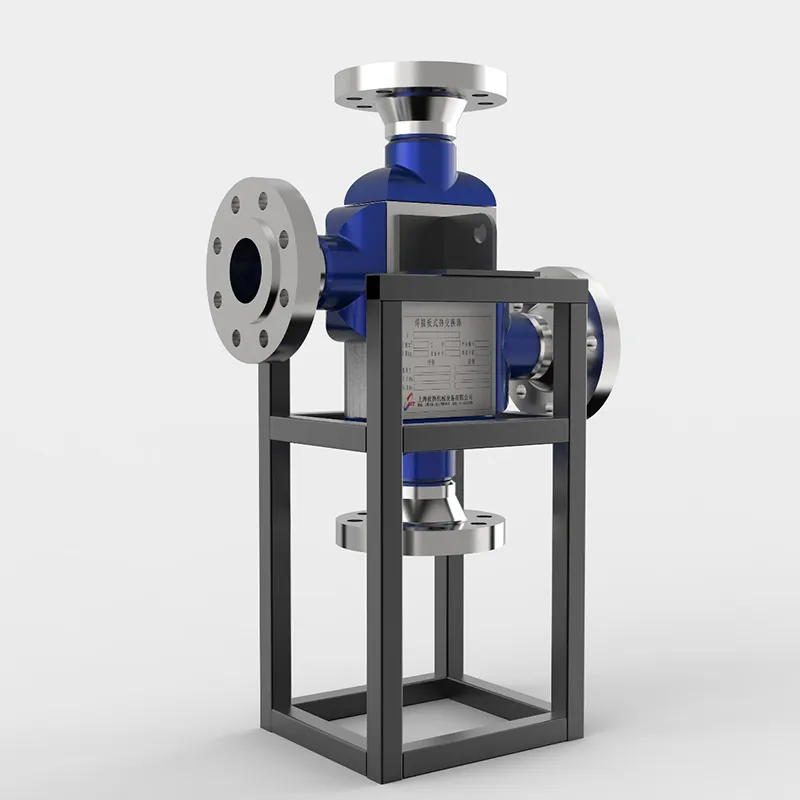
- Chemical processing: For corrosive fluids, use titanium or Hastelloy plates. SHPHE's HT-Bloc welded plate heat exchangers offer high durability and leak-free performance.
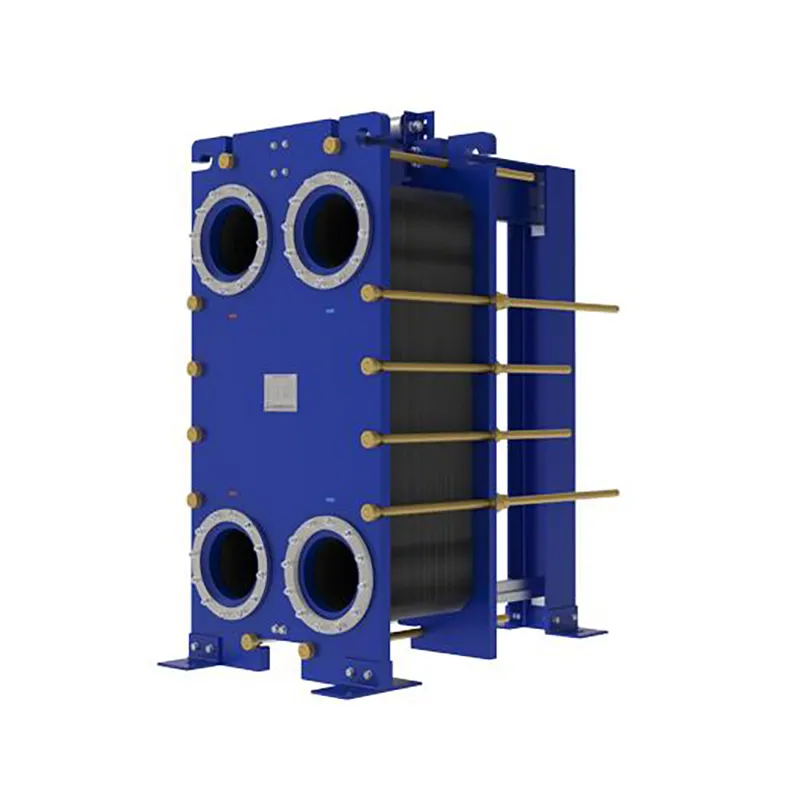
- HVAC systems: Gasketed plate heat exchangers are cost-effective for water-to-water heating and cooling. They are compatible with major brands like Alfa Laval.
- Food and beverage: Sanitary designs with wide gaps prevent clogging from viscous products. SHPHE's wide gap welded plate heat exchangers are ideal for such applications.
- High-temperature processes: For temperatures above 300°C, consider printed circuit heat exchangers (PCHE). SHPHE provides custom-engineered PCHE solutions for demanding thermal cycles.
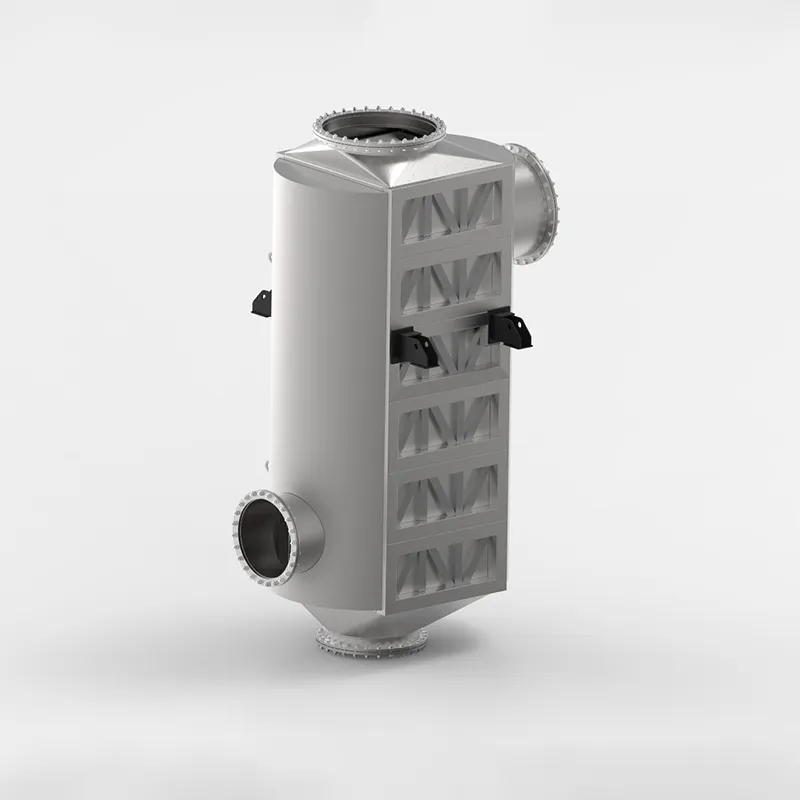
- Air preheating: Plate air preheaters recover waste heat from flue gases. SHPHE's custom-engineered plate air preheaters are designed for power plants and industrial boilers.
Why Choose SHPHE for Your Plate Heat Exchanger Needs?
SHPHE has been manufacturing plate heat exchangers in Shanghai since 2005. Our product lines include HT-Bloc and TP welded plate heat exchangers, wide gap welded units, gasketed plate heat exchangers, PCHE, plate air preheaters, and pillow plates. We export to over 20 countries and hold ISO9001 and ASME U certifications. Every unit comes with free thermal design and selection service, ensuring that the plate heat exchanger efficiency matches your process requirements. Whether you need a replacement for a Compabloc or GEA unit, or a custom solution for a new project, our engineering team can help.
Frequently Asked Questions
1. What is the typical lifespan of a plate heat exchanger?
A well-maintained plate heat exchanger can last 15 to 20 years. Factors like fluid corrosiveness, operating temperature, and cleaning frequency significantly affect longevity. Regular inspection of gaskets and plates is recommended.
2. How often should I clean my plate heat exchanger?
Cleaning frequency depends on the application. For clean water systems, annual cleaning may suffice. For processes with scaling or fouling, every 3 to 6 months is common. Monitoring pressure drop and temperature difference helps determine the right schedule.
3. Can I use a plate heat exchanger for steam heating?
Yes, but you need a design that handles high temperatures and pressures. Welded plate heat exchangers, like SHPHE's TP series, are suitable for steam applications. Gasketed units may require special gasket materials for temperatures above 150°C.
4. What is the difference between gasketed and welded plate heat exchangers?
Gasketed units are easier to disassemble for cleaning and plate replacement, making them ideal for frequent maintenance. Welded units offer higher pressure and temperature limits and eliminate gasket leakage risks. SHPHE provides both options to suit different process needs.
5. How do I select the right plate material?
Material selection depends on fluid corrosiveness and temperature. Stainless steel 316L is common for general applications. Titanium is used for seawater or chloride-rich fluids. Hastelloy and nickel alloys are for aggressive chemicals. SHPHE's free thermal design service includes material recommendations.
6. Can I retrofit a plate heat exchanger from another brand?
Yes, many plate heat exchangers are compatible with standard frame sizes. SHPHE offers replacement plates and gaskets that are compatible with Alfa Laval, Compabloc, and GEA units. It is important to verify the plate geometry and port dimensions before ordering.
Request a Quote for Your Application
To get a precise thermal design and quotation, please provide the following details: flow rate, inlet and outlet temperatures, operating pressure, and media composition. Our engineering team will analyze your process and recommend the most efficient plate heat exchanger configuration. Contact SHPHE today to discuss how we can optimize your heat transfer performance and reduce energy costs.

 English EN





User Comments
Service Experience Sharing from Real Customers
Ethan
Senior Process EngineerI was skeptical about swapping out our old shell-and-tube units for a plate heat exchanger, but the efficiency gains are undeniable. Our coolant loop temperature delta improved by nearly 3°C almost immediately. Maintenance is a breeze too—just a few bolts and the plates slide right out for cleaning. Definitely worth the investment for any plant looking to cut energy costs.
Mia
HVAC TechnicianWe installed this in a commercial building's hydronic system last fall. The heat transfer is noticeably better than the old brazed plate unit we had. I did have to tweak the flow rates a bit to stop some cavitation noise, but once dialed in, it's been running smooth for six months. Great for retrofit jobs where space is tight.
Oscar
Dairy Plant ManagerWe use these for pasteurizing milk, and the efficiency is a game-changer. We're recovering so much heat from the hot milk to preheat the incoming cold milk that our steam boiler usage dropped by about 15%. The plates are super easy to inspect for fouling during CIP cycles. My only wish is that the gaskets lasted a bit longer, but that's standard for dairy applications.
Liam
Energy AuditorI've been recommending plate heat exchangers to clients for years, but this particular model stands out for its low pressure drop at high flow rates. I audited a small brewery that switched to this unit for their wort chilling, and their cooling tower pump energy consumption went down by 20%. The only reason I'm not giving 5 stars is that the initial cost is a bit higher than some budget brands, but the payback period is usually under two years.