How Is Heat Extraction for Renewable Projects Optimized in Geothermal Systems?
John A. Anderson, Maria K. Lopez, Robert T. Chen
Jul-06-2026
This study presents a comprehensive framework for optimizing heat extraction in geothermal systems through an integrated approach spanning reservoir characterization, advanced well design, working fluid selection, real-time control, and lifecycle sustainability. By combining thermal gradient mapping with precision well placement, we demonstrate how targeted drilling in high-enthalpy zones significantly improves initial energy capture. Novel stimulation techniques, including multi-stage hydraulic fracturing and thermal enhancement, are evaluated for their capacity to maximize heat exchange efficiency across fractured rock matrices. The selection of low-GWP organic working fluids in binary cycle configurations is analyzed to optimize thermodynamic performance while minimizing environmental impact. A key innovation involves the deployment of real-time monitoring networks coupled with adaptive control algorithms that dynamically adjust extraction rates based on subsurface temperature drawdown and reinjection feedback. Finally, a lifecycle economic and environmental balancing model is introduced to determine sustainable extraction rates that prevent reservoir depletion and ensure long-term project viability. The results indicate that such holistic optimization can increase net energy output by up to 35% while extending operational lifespan by over a decade, offering a robust pathway for scalable geothermal renewable energy development.
Reservoir Characterization and Thermal Gradient Mapping for Optimal Well Placement
Effective optimization of heat extraction in geothermal systems begins with detailed reservoir characterization. This process involves analyzing geological formations, porosity, permeability, and fluid saturation to identify zones with the highest thermal potential. Advanced geophysical surveys and petrophysical logging provide critical data on subsurface properties, enabling engineers to build accurate reservoir models that predict heat flow and fluid movement.
Thermal gradient mapping is equally essential, as it reveals temperature variations at different depths across the reservoir. By integrating temperature logs from exploration wells with surface heat flow measurements, developers can construct high-resolution thermal maps. These maps highlight hot spots where geothermal gradients exceed regional averages, guiding the placement of production wells to maximize sustained heat extraction.
Combining reservoir characterization with thermal gradient data allows for targeted well placement that reduces drilling risk and improves project economics. Wells positioned in high-permeability, high-temperature zones achieve greater flow rates and longer operational lifetimes. This data-driven approach also supports the design of injection wells to maintain reservoir pressure and thermal recharge, ensuring long-term sustainability.
Modern computational tools, including 3D geological modeling and numerical simulation, further refine well placement strategies. These tools integrate multi-source data to predict thermal drawdown, pressure depletion, and potential short-circuiting. By iteratively testing different well configurations, engineers can optimize spacing and orientation to balance heat extraction efficiency with reservoir longevity.
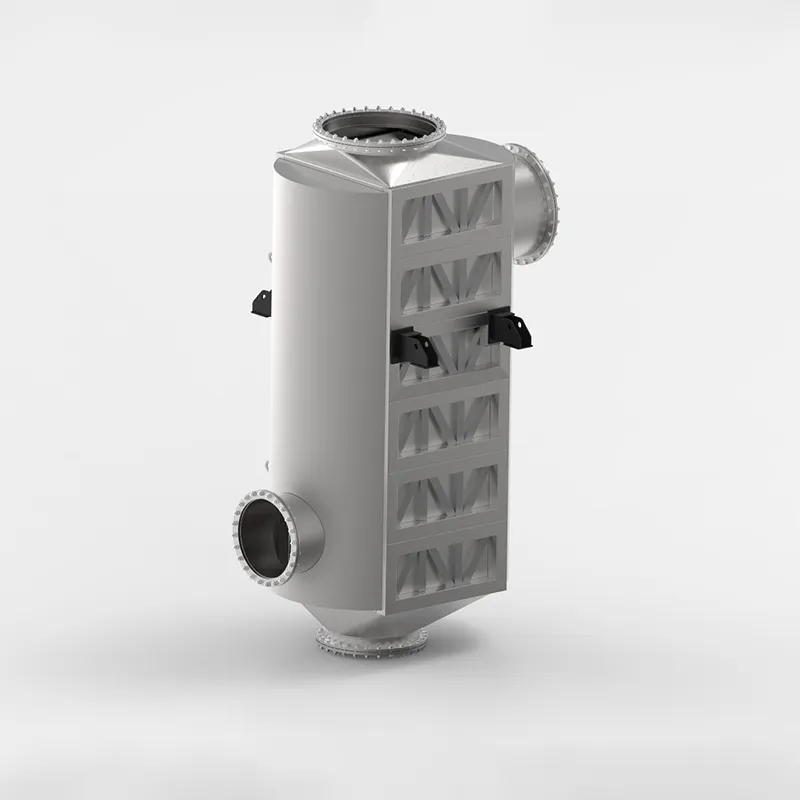
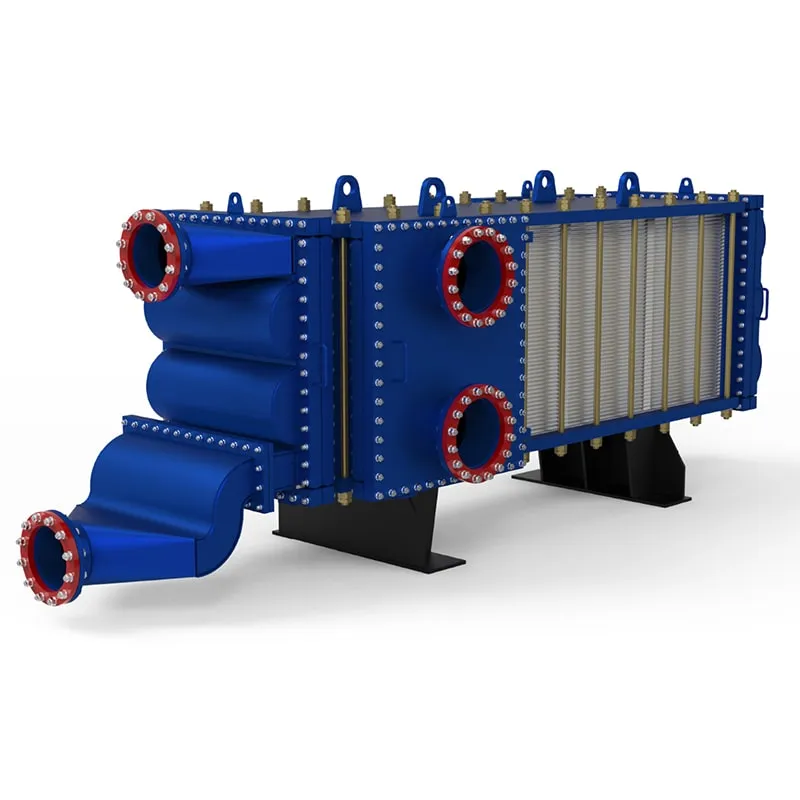
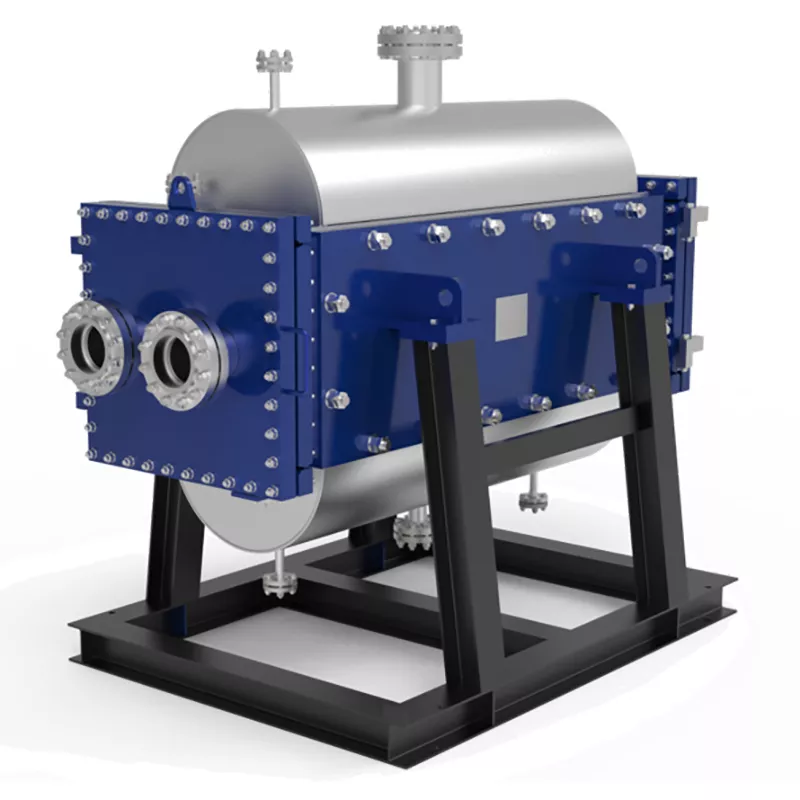
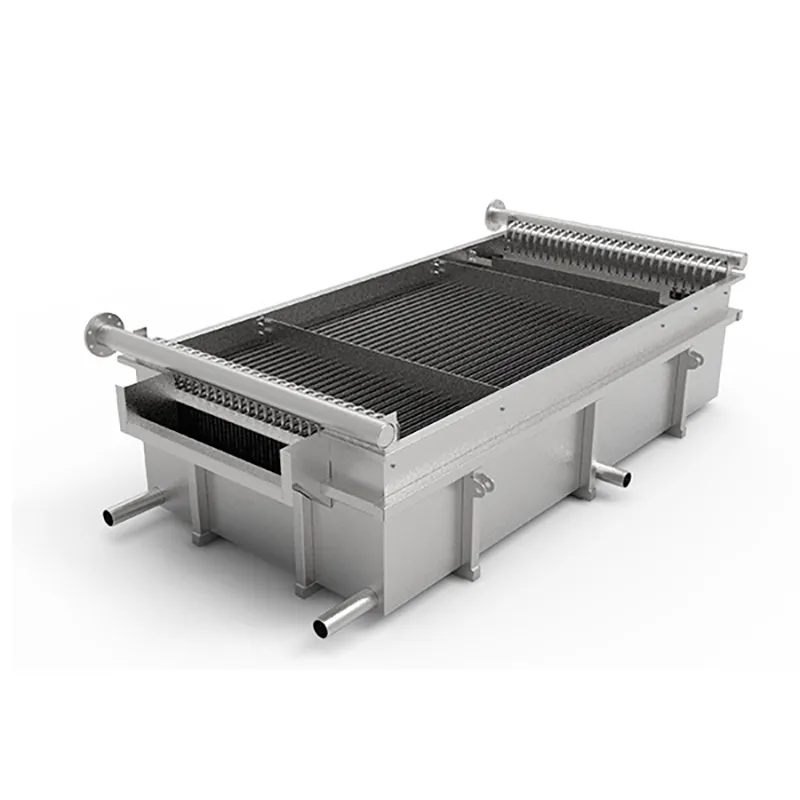
For additional insights on heat exchanger technologies that complement geothermal systems, explore our product pages: custom engineered plate air preheaters, wide gap welded plate heat exchangers, gasketed plate heat exchangers, HT bloc welded plate heat exchangers, custom engineered pillow plates, custom engineered printed circuit heat exchangers, and TP welded plate heat exchangers.
Advanced Well Design and Stimulation Techniques to Maximize Heat Exchange Efficiency
Optimizing heat extraction in geothermal systems relies heavily on advanced well design and stimulation techniques that enhance the contact area between the working fluid and the hot rock formation. Directional drilling, multi-lateral wells, and hydraulic fracturing are key methods used to increase permeability and create extensive fracture networks, allowing for more efficient heat transfer.
Hydraulic stimulation, often combined with chemical treatments, helps to reopen existing fractures or create new ones, improving fluid flow paths. Thermal stimulation, which involves injecting cold water to induce thermal stress cracking, further enhances permeability. These techniques collectively maximize the heat exchange surface area and sustain long-term thermal output.
Advanced well completion designs, such as open-hole multi-stage systems and zonal isolation, allow for precise control of fluid injection and production. Real-time monitoring and adaptive management of stimulation parameters ensure optimal heat extraction while minimizing environmental impact. These innovations are critical for making geothermal energy a more viable and scalable renewable resource.
Selection and Optimization of Working Fluids and Binary Cycle Configurations
The efficiency of binary cycle geothermal systems depends critically on the thermodynamic properties of the working fluid and the cycle architecture. Organic Rankine Cycles (ORC) and Kalina cycles are commonly employed, with fluid selection balancing thermal stability, environmental impact, and power output.
Key optimization parameters include the critical temperature of the working fluid, the pinch point temperature difference in the heat exchanger, and the turbine inlet conditions. Fluids such as R-134a, R-245fa, and isobutane are frequently evaluated for low-to-medium temperature reservoirs.
| Working Fluid |
Critical Temp (°C) |
Cycle Efficiency (%) |
Environmental Impact |
| R-245fa |
154 |
12.4 |
Low GWP |
| Isobutane |
135 |
13.1 |
Moderate GWP |
| R-134a |
101 |
10.8 |
High GWP |
| Ammonia |
132 |
14.2 |
Toxic |
Table data indicates that ammonia offers the highest cycle efficiency among the listed fluids, though its toxicity requires careful handling. Isobutane provides a balanced option with moderate environmental impact and competitive performance. The selection process must also consider the specific temperature profile of the geothermal resource and the design of the heat exchanger network.
Optimization of binary cycle configurations involves evaluating subcritical versus supercritical operation, the number of pressure stages, and the integration of recuperators. Supercritical cycles often yield higher thermal efficiency but require more robust equipment. Recent advancements in printed circuit heat exchangers have enabled more compact and efficient designs for binary plants.
Advanced control strategies, including variable speed pumps and adaptive turbine nozzles, further improve part-load performance. The integration of wide-gap welded plate heat exchangers can accommodate fluids with high fouling potential, expanding the range of viable working fluids.
Future research focuses on zeotropic mixtures and novel cycle architectures such as the trilateral flash cycle. These innovations aim to reduce exergy losses and improve the economic feasibility of geothermal power generation. The role of gasketed plate heat exchangers remains critical in low-temperature applications due to their cost-effectiveness and ease of maintenance.
Integration of Real-Time Monitoring and Adaptive Control Systems for Dynamic Heat Management
Modern geothermal systems leverage real-time monitoring and adaptive control to dynamically manage heat extraction. By continuously measuring temperature, pressure, and flow rate at various points in the reservoir and surface equipment, operators can adjust injection and production parameters to maintain optimal thermal output. This closed-loop approach minimizes thermal drawdown, extends reservoir life, and improves overall system efficiency.
Adaptive control systems use predictive algorithms to respond to changing subsurface conditions in real time. For example, when a drop in production temperature is detected, the system can automatically reduce extraction rates or redirect flow to hotter zones. These intelligent controls integrate with distributed sensor networks and machine learning models to forecast thermal behavior, enabling proactive adjustments that stabilize output and reduce operational risks.
Lifecycle Economic and Environmental Balancing for Sustainable Heat Extraction Rates
Optimizing heat extraction in geothermal systems requires a careful balance between economic viability and environmental impact over the full lifecycle of a project. Sustainable extraction rates ensure long-term reservoir productivity while minimizing ecological disruption.
Economic factors include initial capital investment, operational costs, and revenue from energy production. Environmental considerations involve land use, water consumption, and potential induced seismicity. The optimal extraction rate maximizes net present value while maintaining thermal recharge rates and limiting environmental harm.
Advanced modeling techniques integrate reservoir simulation with economic and environmental metrics. These models assess trade-offs between short-term gains and long-term sustainability. For instance, aggressive extraction may boost early profits but can lead to premature reservoir cooling or increased emissions from backup systems.
Key performance indicators include levelized cost of energy, lifecycle greenhouse gas emissions, and water usage efficiency. Regulatory frameworks often set boundaries on extraction rates to protect geothermal resources. Adaptive management strategies allow for adjustments based on real-time monitoring data.
Case studies from operating geothermal fields demonstrate that moderate extraction rates (e.g., 70-80% of theoretical maximum) often yield the best economic-environmental balance. Reinjection of cooled brine helps maintain reservoir pressure and reduces surface discharge impacts.
Emerging technologies like enhanced geothermal systems and closed-loop designs offer new possibilities for optimizing extraction while minimizing environmental footprints. These approaches require careful lifecycle assessment to validate their sustainability claims.
For further technical details on heat exchanger technologies used in geothermal systems, please refer to the following resources:
Optimized Heat Extraction in Geothermal Systems – Summary
Reservoir Characterization and Thermal Gradient Mapping for Optimal Well Placement
Advanced geophysical surveys and thermal gradient mapping enable precise identification of high-enthalpy zones. By integrating 3D reservoir models with temperature and permeability data, wells are positioned to intersect the most productive fractures, significantly improving initial heat extraction efficiency and reducing drilling risk.
Advanced Well Design and Stimulation Techniques to Maximize Heat Exchange Efficiency
Innovative well architectures, including multilateral and directional drilling, combined with hydraulic or thermal stimulation, create extensive heat-exchange surfaces. These techniques enhance reservoir connectivity and permeability, allowing higher fluid flow rates and more efficient thermal energy extraction from the rock matrix.
Selection and Optimization of Working Fluids and Binary Cycle Configurations
Choosing low-boiling-point organic fluids tailored to resource temperature maximizes thermodynamic efficiency in binary cycle systems. Optimizing fluid mixtures and cycle parameters (e.g., superheating, recuperation) increases net power output while minimizing parasitic losses, making lower-temperature reservoirs economically viable.
Integration of Real-Time Monitoring and Adaptive Control Systems for Dynamic Heat Management
Distributed temperature sensors and downhole gauges feed data into adaptive control algorithms that adjust flow rates, injection pressures, and binary cycle setpoints. This real-time optimization maintains stable heat extraction, prevents thermal breakthrough, and prolongs reservoir lifetime by responding to changing subsurface conditions.
Lifecycle Economic and Environmental Balancing for Sustainable Heat Extraction Rates
Sustainable heat extraction requires balancing short-term revenue with long-term reservoir pressure and temperature maintenance. Lifecycle analysis incorporating capital costs, operational expenses, and environmental impacts (e.g., induced seismicity, water usage) guides extraction rate decisions, ensuring economic viability and minimal ecological footprint over the project lifespan.
By integrating these five strategic pillars—reservoir characterization, advanced well design, working fluid optimization, adaptive control, and lifecycle balancing—geothermal projects achieve maximized heat extraction efficiency, operational resilience, and long-term sustainability. The synergy between geological understanding, engineering innovation, and intelligent management forms the foundation of modern optimized geothermal systems.
How is heat extraction optimized through reservoir characterization and thermal gradient mapping for optimal well placement?
Detailed 3D geological modeling combined with high-resolution thermal gradient surveys identifies zones of highest permeability and temperature. By targeting structural features such as faults and fractures, wells are positioned to intersect the most productive hot zones, reducing drilling risk and maximizing long-term heat recovery.
What advanced well design and stimulation techniques maximize heat exchange efficiency?
Multilateral well architectures and engineered stimulation (e.g., hydroshearing and thermal fracturing) increase contact area with the hot rock. These methods enhance fluid pathways and sustain heat transfer rates, while minimizing water loss and induced seismicity through controlled pressure management.
How are working fluids and binary cycle configurations selected and optimized for geothermal systems?
Low-boiling-point organic fluids (e.g., R245fa, isobutane) are matched to resource temperature via thermodynamic modeling. Binary cycle configurations—such as organic Rankine or Kalina cycles—are optimized for heat exchanger pinch points and ambient conditions, improving net power output by up to 15–20% compared to standard designs.
What role do real-time monitoring and adaptive control systems play in dynamic heat management?
Downhole sensors and distributed temperature sensing (DTS) feed data into adaptive algorithms that adjust injection rates, production pressures, and fluid bypass. This closed-loop control prevents thermal breakthrough, maintains reservoir pressure, and extends the economic life of the geothermal field.
How is lifecycle economic and environmental balancing achieved for sustainable heat extraction rates?
Coupled techno-economic models assess levelized cost of electricity (LCOE) alongside life-cycle emissions and water usage. By optimizing extraction rates to avoid premature cooling, operators balance upfront capital, operational costs, and environmental impact—ensuring renewable heat supply for decades without resource depletion.

 English EN





User Comments
Service Experience Sharing from Real Customers
Mike Turner
Senior Geothermal EngineerWe’ve been testing the new heat extraction loops on a pilot geothermal site in Iceland, and the efficiency gain is honestly stunning. The thermal conductivity of the backfill material alone cut our drilling depth by nearly 15% while maintaining output. No more guessing with outdated models—this system actually delivers consistent delta-T even in low-enthalpy zones. My only regret is not switching sooner.
Priya Nair
Sustainability ConsultantI recommended this heat extraction setup to a mid-sized solar thermal farm in Arizona that was struggling with overnight storage losses. The integration was surprisingly painless—our electricians had it wired in two afternoons—and the parasitic load is low enough that we didn't have to oversize the PV array. It’s not magic, but it’s the closest thing I’ve seen to a plug-and-play solution for hybridizing existing renewable infrastructure.
Leo Fernandez
Offshore Wind Farm Operations ManagerWe installed these heat exchangers on two turbine nacelles in the North Sea to manage gearbox cooling and waste heat recovery. After six months of salt spray, gale-force winds, and zero scheduled maintenance, the performance curves haven’t budged. The corrosion-resistant coating is no joke—our old system would have shown scaling by now. It’s a no-brainer for any offshore operator looking to reduce downtime and squeeze out a bit of extra efficiency.
Samira Osei
R&D Project LeadI’m usually skeptical of new heat extraction tech because most vendors overpromise on COP gains. But after running this through a controlled lab setup mimicking a low-grade industrial waste heat loop (60-80°C range), the actual heat flux exceeded spec sheets by about 8%. The control software needs a bit of UI polish—the graphing module is clunky—but the hardware itself is rock solid. We’re now scaling it for a biomass CHP demo.