Understanding the Design and Function of a Double Wall Plate Heat Exchanger
When process fluids must never mix—even in the event of a gasket failure—a double wall plate heat exchanger offers a reliable solution. This article explains its construction, working principle, typical parameters, and real-world applications for engineers and procurement professionals evaluating safe heat transfer options.
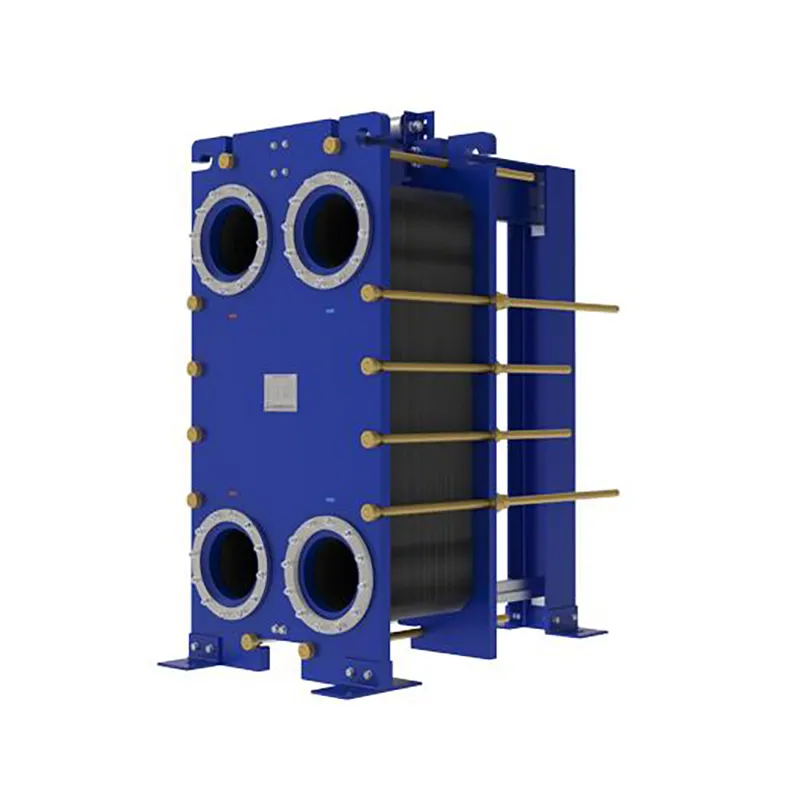
A double wall plate heat exchanger is designed with two thin metal plates separated by a small air gap or a leak detection channel. Unlike standard gasketed plate heat exchangers, this design ensures that if one plate develops a pinhole leak, the fluid escapes through the gap rather than mixing with the other side. For process engineers handling hazardous, expensive, or high-purity media, this added safety layer is often a non-negotiable requirement.
How Does a Double Wall Plate Heat Exchanger Work?
In a standard gasketed plate heat exchanger, two corrugated metal plates are pressed together with a single gasket between them. In a double wall plate heat exchanger, each plate is actually two thin sheets welded or brazed together at the edges, leaving a narrow vented gap. The primary fluid flows on one side of the double plate, and the secondary fluid flows on the other. If either sheet corrodes or cracks, the leaking fluid exits through the gap—visible as a drip or collected by a drain—rather than crossing into the opposite fluid stream.
This design is especially common in applications where cross-contamination could cause chemical reactions, product spoilage, or environmental hazards. The air gap also provides a thermal break, slightly reducing overall heat transfer efficiency compared to a single-wall design, but the safety benefit usually outweighs the small performance trade-off.
What Are the Key Differences Between Single-Wall and Double Wall Designs?
The most obvious difference is the construction of the heat transfer plates. Single-wall plates use one solid sheet per channel, while double wall plates consist of two thin sheets with a vented gap. This affects:
- Leak detection: Double wall designs allow visual or sensor-based detection before cross-contamination occurs.
- Maintenance: Double wall units require more careful gasket handling and plate inspection.
- Thermal performance: Double wall units typically have a 10–15% lower overall heat transfer coefficient due to the additional metal layers and air gap.
- Cost: Double wall plate heat exchangers are generally 20–30% more expensive than equivalent single-wall units.
Typical Parameter Ranges for Double Wall Plate Heat Exchangers
While exact specifications depend on the manufacturer and model, the following ranges are commonly accepted across the industry:
| Parameter |
Typical Range |
| Maximum operating pressure |
10–25 bar (depending on gasket material and plate thickness) |
| Maximum operating temperature |
160–200 °C (with EPDM or Viton gaskets) |
| Plate material |
Stainless steel 304/316L, titanium, or Hastelloy |
| Gap width (air gap) |
0.3–0.8 mm |
| Flow capacity per channel |
0.5–15 m³/h (dependent on plate size and corrugation pattern) |
Applications Where a Double Wall Plate Heat Exchanger Is Recommended
Process engineers typically specify double wall plate heat exchangers in these scenarios:
- Heating or cooling of potable water with a heat transfer fluid like glycol or thermal oil.
- Pharmaceutical or food-grade processes where product purity must be guaranteed.
- Chemical processing involving toxic, corrosive, or reactive fluids.
- Waste heat recovery where one stream contains particulates or scaling potential.
- Systems requiring compliance with strict environmental or safety regulations.
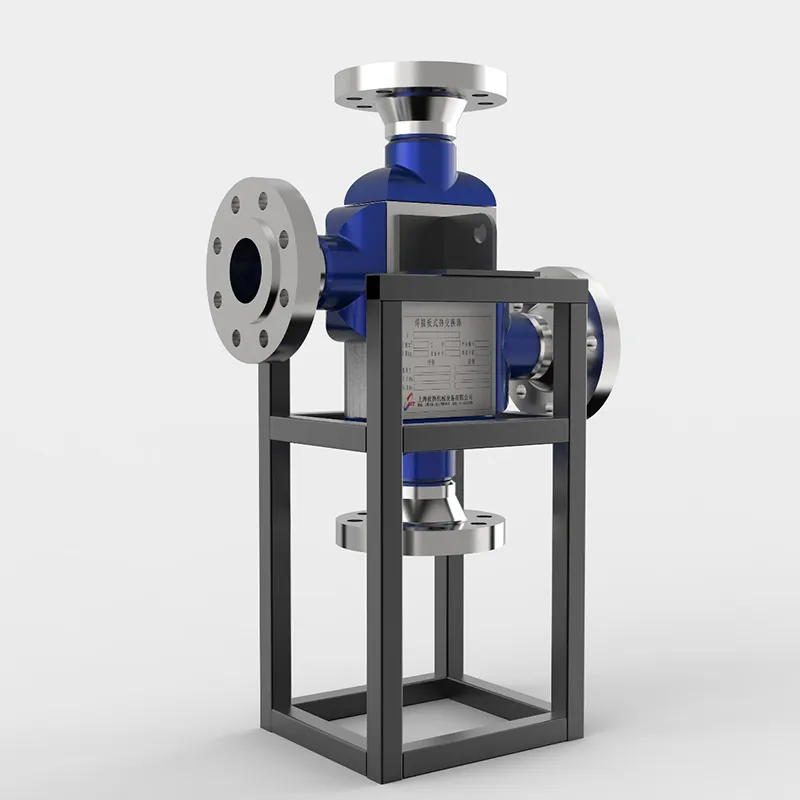
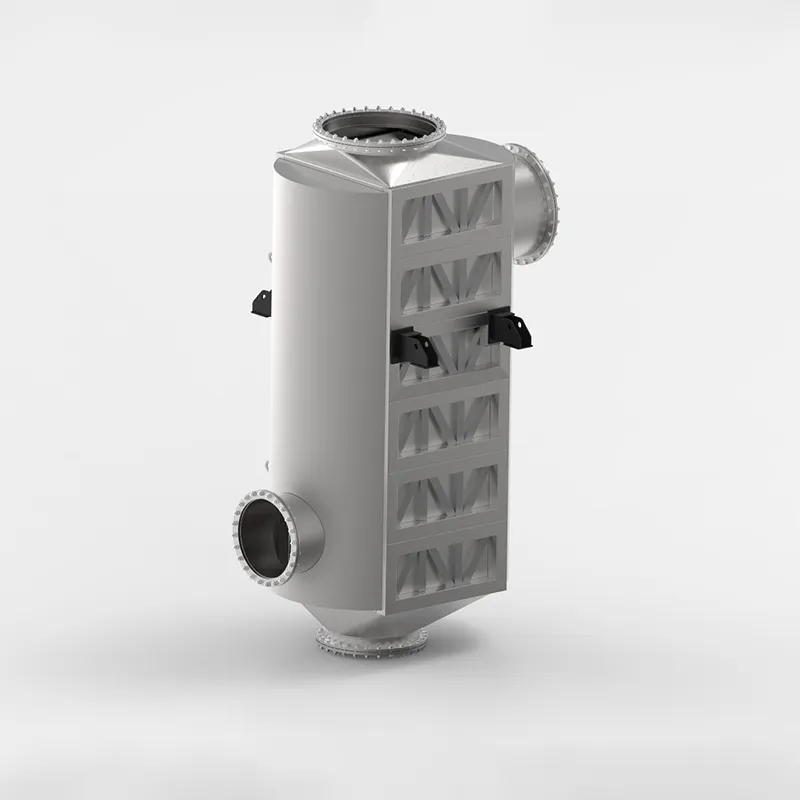
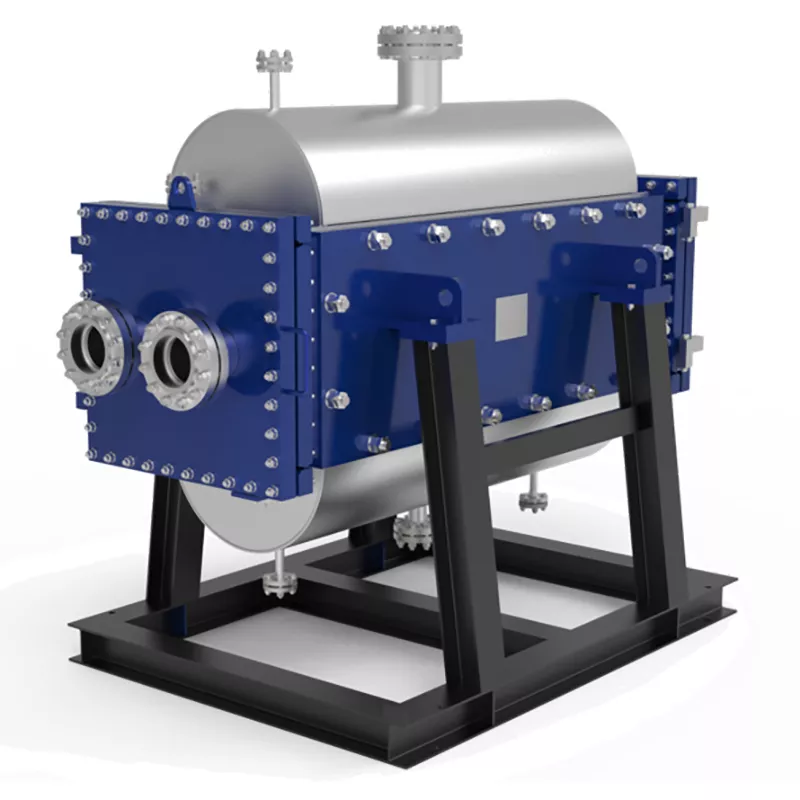
For many of these duties, a gasketed plate heat exchanger with double wall plates offers a cost-effective alternative to more expensive shell-and-tube or welded block designs. In cases where higher pressures or aggressive media are involved, HT-Bloc welded plate heat exchangers may be considered.
Why Choose SHPHE for Your Double Wall Plate Heat Exchanger?
SHPHE, founded in Shanghai in 2005, has been manufacturing plate heat exchangers for nearly two decades. The company exports to over 20 countries and holds ISO9001 and ASME U certifications. Their product range includes double wall designs across multiple series, including gasketed, wide gap, and fully welded configurations. Every unit is backed by a free thermal design and selection service, helping engineers match the correct plate geometry, gasket material, and port size to their process conditions.
SHPHE’s double wall plate heat exchangers are compatible with major brands such as Alfa Laval and GEA, making them a practical alternative for retrofit or new installations. The company also offers wide gap welded plate heat exchangers for fibrous or viscous fluids, and printed circuit heat exchangers for high-pressure gas applications.
Frequently Asked Questions About Double Wall Plate Heat Exchangers
Can a double wall plate heat exchanger be repaired if a leak is detected?
Yes. When a leak is detected through the air gap, the affected plate pair can be removed and replaced individually. The unit does not need to be fully discarded. Regular gasket replacement and plate inspection are recommended every 12–24 months depending on operating conditions.
What is the typical pressure drop across a double wall plate heat exchanger?
Pressure drop depends on flow velocity, plate corrugation angle, and number of passes. For most double wall designs, the pressure drop per channel ranges from 0.2 to 1.5 bar. Engineers should provide target pressure drop limits during the selection process to optimize plate count and channel arrangement.
Is a double wall plate heat exchanger suitable for steam heating?
Yes, but only if the steam pressure and temperature are within the gasket rating. For steam above 10 bar or 180 °C, a welded plate heat exchanger is often more reliable. Double wall gasketed units can handle low-pressure steam (up to 6 bar) with proper gasket selection.
How do I clean a double wall plate heat exchanger?
Cleaning is typically done by circulating a suitable cleaning solution through the unit in place (CIP) or by disassembling the plate pack and manually brushing each plate. Double wall plates require careful handling to avoid damaging the thin sheets. Always consult the manufacturer’s cleaning guidelines.
What gasket materials are available for double wall plate heat exchangers?
Common gasket materials include EPDM (general purpose, up to 150 °C), NBR (oil-resistant, up to 130 °C), Viton/FKM (high temperature and chemical resistance, up to 200 °C), and PTFE (for aggressive chemicals). The choice depends on fluid compatibility and operating temperature.
Can I retrofit a double wall plate heat exchanger into an existing system?
Yes. Double wall units are available in standard frame sizes and port dimensions that match common single-wall units. However, the overall dimensions and weight may differ slightly due to the thicker plate pack. A dimensional check and piping adjustment may be needed.
Request a Quote for Your Double Wall Plate Heat Exchanger
Selecting the right double wall plate heat exchanger requires accurate process data. To receive a thermal design and a quotation, please provide the following details: flow rate (hot and cold side), inlet and outlet temperatures, operating pressure, allowable pressure drop, and fluid composition (including any corrosive or fouling tendencies). SHPHE’s engineering team will review your requirements and recommend the most cost-effective solution.
A double wall plate heat exchanger is a smart investment when safety and fluid isolation are priorities. Understanding its design and function helps you make an informed purchasing decision that balances performance, cost, and reliability.

 English EN





User Comments
Service Experience Sharing from Real Customers
Tommy
Maintenance SupervisorWe swapped out an old shell-and-tube for this double wall plate exchanger six months ago. The thermal efficiency jump is no joke—our glycol loop is running cooler and the pressure drop is way lower. The double wall design gives me peace of mind for cross-contamination risks, especially since we occasionally switch between different process fluids. Cleaning is a breeze too; we just pop the plates and hose them down. No leaks so far, even after a few freeze-thaw cycles. Solid buy.
Linda
HVAC Design EngineerSpec’d this unit for a new office building’s heat recovery loop. The compact footprint saved us a ton of mechanical room space compared to a traditional brazed plate. Installation was straightforward—our crew had it piped and running in half a day. Only giving 4 stars because the gaskets felt a bit stiff out of the box; we had to warm them up to get a good seal. But once it was up, performance has been rock solid. No cross-leak worries with the double wall, which our client specifically asked for.
Raj
Lead Process TechnicianRunning a dairy pasteurization line, we can’t risk product mixing. This double wall plate exchanger handles the hot water side perfectly. The heat transfer is so consistent that our temperature control loop barely has to hunt. We’ve put it through CIP cycles daily for three months—no gasket failures, no fouling buildup inside the plates. The drainability is excellent too; no trapped pockets. My only tiny gripe is the bolt torque specs in the manual were a little vague, but we figured it out. Would buy again without hesitation.
Sofia
Facility ManagerWe needed a reliable heat exchanger for a small pharmaceutical R&D pilot plant. This double wall unit fit the bill because we handle some nasty solvents and absolutely need that leak detection space. The stainless steel finish is nice and easy to keep clean. Performance-wise, it does exactly what it says on the tin—steady outlet temps even when our flow fluctuates. I knocked off one star because the price is a bit premium, but for the safety factor and build quality, it’s worth it. Delivered on time, no damage.