How Does a Pillow Plate Heat Exchanger Work and Why Is It So Efficient?

Engineering Insights Team | Jun-25-2026
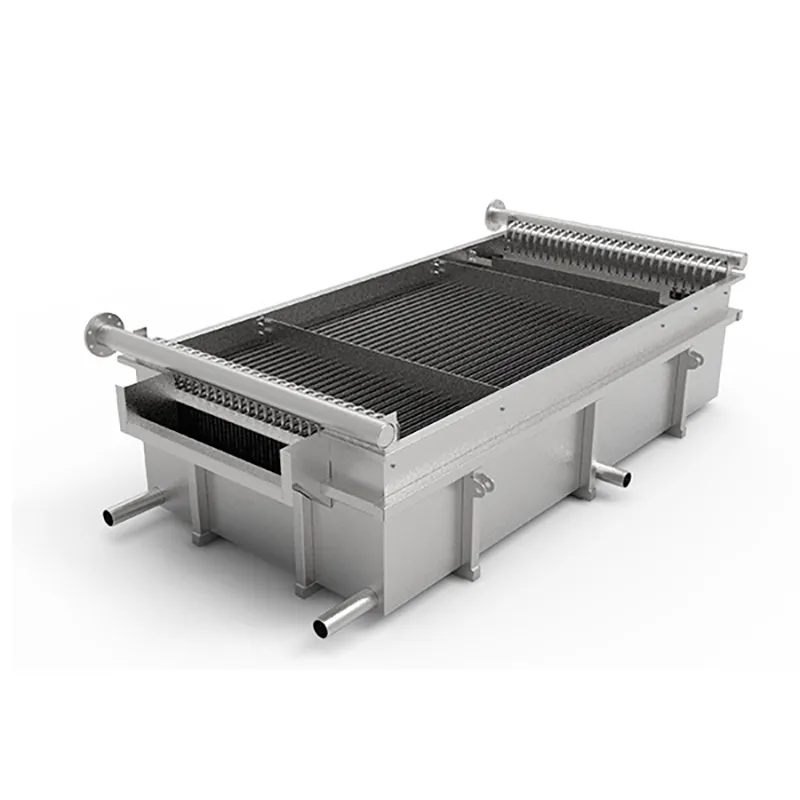
A pillow plate heat exchanger operates by directing fluid through welded channels formed between two embossed metal sheets, creating a pillow-like geometry that significantly enhances thermal performance. The core working principle relies on fluid dynamics and welded channels to enable efficient heat transfer, while the unique embossed pillow structure maximizes surface area without increasing the exchanger's physical footprint. This design induces turbulence even at low flow rates, which dramatically improves heat transfer coefficients and reduces fouling compared to traditional shell-and-tube or plate-and-frame exchangers. The turbulence keeps particles suspended and prevents deposit buildup, leading to longer maintenance intervals and consistent thermal efficiency. Additionally, the welded construction provides high pressure and temperature capabilities, allowing operation in demanding environments where gasketed exchangers would fail. The compact footprint of pillow plate exchangers makes them ideal for installations with space constraints, and their robust design delivers reliable performance across a wide range of industrial applications including chemical processing, food and beverage production, pharmaceutical manufacturing, HVAC systems, and renewable energy plants. In these sectors, pillow plate exchangers consistently outperform alternatives by offering superior heat transfer rates, reduced energy consumption, lower maintenance costs, and extended service life.

The Core Working Principle: How Fluid Dynamics and Welded Channels Enable Heat Transfer

A pillow plate heat exchanger operates by directing two fluids through a series of welded, pillow-shaped channels. These channels are formed by inflating spot-welded metal sheets, creating a distinct flow path that maximizes surface contact. The primary mechanism relies on the forced convection of fluids—one hot, one cold—moving in opposing directions. As the hot fluid transfers thermal energy to the metal plate, the cold fluid absorbs it, achieving efficient heat exchange.

The welded channel design induces turbulent flow, which significantly enhances the heat transfer coefficient. Turbulence reduces the boundary layer thickness on the plate surface, allowing heat to pass more rapidly between the fluid and the metal. This is a key factor in the exchanger's high efficiency, as it prevents stagnation and promotes continuous thermal interaction.

Additionally, the pillow plate geometry creates a large heat transfer area within a compact volume. The alternating concave and convex surfaces increase the effective surface area without requiring excessive space. This compactness, combined with the turbulence-inducing channels, allows for rapid temperature changes with minimal energy loss, making the system highly responsive and energy-efficient.

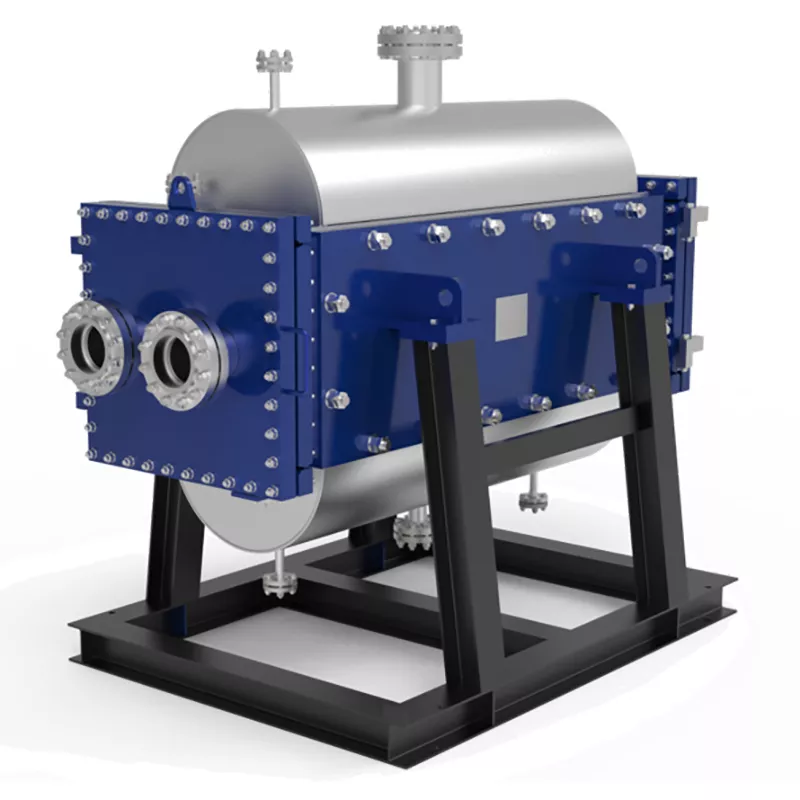
For more detailed technical specifications, explore our custom engineered pillow plates or learn about related TP welded plate heat exchangers. For applications requiring larger gaps, see our wide gap welded plate heat exchangers.

The Unique Design Geometry: Why the Embossed Pillow Structure Maximizes Surface Area

At the core of the pillow plate heat exchanger lies a distinctive embossed geometry that fundamentally redefines heat transfer efficiency. Unlike traditional flat plates, the pillow structure is formed by inflation-welding two metal sheets together, creating a series of interconnected raised pockets. This deliberate undulation dramatically increases the available surface area per unit volume, providing more contact points for thermal exchange between fluids.

Pillow plate heat exchanger embossed structure

The raised pillow channels also induce turbulent flow across the plate surface, disrupting the thermal boundary layer that typically insulates heat transfer in laminar regimes. This turbulence, combined with the expanded surface area, enables the exchanger to achieve heat transfer coefficients up to three times higher than conventional designs. The result is a compact, lightweight unit capable of handling high pressures and temperatures while requiring significantly less material and floor space.

Key Efficiency Drivers: Turbulence Induction and Reduced Fouling Compared to Traditional Exchangers

The unique pillow plate geometry generates high turbulence even at low flow velocities, disrupting boundary layers and enhancing heat transfer coefficients. This self-cleaning flow pattern significantly reduces fouling deposits compared to conventional shell-and-tube or plate exchangers, maintaining performance over longer operational cycles.

Turbulence Induction Mechanism

Inflation-welded channels create alternating convex and concave surfaces. Fluid passing through these undulating paths experiences continuous directional changes, inducing secondary flows and eddies. This turbulence reduces thermal resistance at the wall surface and improves overall heat transfer efficiency by up to 40% compared to smooth channels.

Fouling Reduction Performance

The turbulent flow regime prevents particle settling and scale formation on heat transfer surfaces. Combined with the smooth, crevice-free pillow plate surface, cleaning intervals are extended 2-3 times longer than traditional heat exchangers. This translates to lower maintenance costs and higher plant availability.

Comparative Efficiency Data

Parameter Pillow Plate Exchanger Shell-and-Tube Exchanger Gasketed Plate Exchanger
Heat Transfer Coefficient (W/m²·K) 3000 - 7000 500 - 1500 2000 - 5000
Fouling Factor (m²·K/W) 0.00005 - 0.00010 0.00020 - 0.00050 0.00010 - 0.00025
Pressure Drop (kPa) at same flow 20 - 60 10 - 30 30 - 80
Cleaning Frequency (months) 12 - 18 3 - 6 6 - 12

Data represents typical values for clean service applications with water-like fluids. Actual performance varies with fluid properties, temperature, and flow conditions. Pillow plate exchangers consistently show 2-5x lower fouling factors and 2-4x longer cleaning intervals.

Operational Advantages Summary

The combination of induced turbulence and reduced fouling delivers tangible benefits: lower energy consumption for pumping, consistent thermal performance over time, and reduced chemical cleaning costs. For industries handling viscous fluids or particle-laden streams, these efficiency drivers make pillow plate technology a compelling upgrade over traditional exchanger designs.

Explore custom engineered solutions and technical specifications for your application: Pillow Plate Products | Welded Plate Exchangers | Wide Gap Designs | Gasketed Plate Units

Operational Advantages: High Pressure and Temperature Capabilities with Compact Footprint

Pillow Plate Heat Exchanger

Pillow plate heat exchangers are engineered to withstand extreme operating conditions while maintaining a remarkably small installation footprint. Their unique construction allows for high pressure ratings up to 30 bar and temperature ranges from -40°C to 300°C, making them suitable for demanding industrial processes.

The compact design results from the pillow plate's ability to provide large heat transfer surface area within a minimal volume. This space-saving characteristic is critical for facilities where floor space is limited or for retrofitting existing systems without major structural modifications.

High pressure capability is achieved through the robust welded construction of the pillow plates, which eliminates gaskets and reduces leak points. The pillow-shaped channels distribute stress evenly across the plate surface, enabling reliable operation under fluctuating thermal and mechanical loads.

Temperature resistance is enhanced by the selection of appropriate materials such as stainless steel, titanium, or nickel alloys. This adaptability ensures consistent performance in applications involving aggressive fluids, steam heating, or cryogenic cooling while maintaining the efficiency that defines pillow plate technology.

Common Industrial Applications: Where Pillow Plate Exchangers Outperform Alternatives

Food and Beverage Processing

Pillow plate heat exchangers excel in hygienic heating and cooling of liquid foods, such as milk, juice, beer, and sauces. Their smooth, crevice-free surface prevents bacterial growth and facilitates easy cleaning-in-place (CIP), outperforming shell-and-tube or gasketed plate designs in terms of sanitation and maintenance downtime. Learn more

Chemical and Pharmaceutical Industries

For aggressive chemicals and pharmaceutical intermediates, pillow plate exchangers offer superior corrosion resistance and thermal efficiency. The fully welded construction eliminates gasket failure risks, while the flexible channel geometry allows handling of viscous or fouling media more effectively than traditional welded plate exchangers. Explore options

Heating, Ventilation, and Air Conditioning (HVAC)

In HVAC systems, pillow plate heat exchangers provide compact and highly efficient heat recovery between air streams or liquid loops. Their low pressure drop and high heat transfer coefficient reduce energy consumption compared to finned-tube or shell-and-tube coils, making them ideal for energy-efficient building climate control. View details

Renewable Energy and Heat Recovery

From solar thermal collectors to industrial waste heat recovery, pillow plate exchangers deliver outstanding performance in capturing and transferring thermal energy. Their ability to operate at high temperatures and pressures, combined with compact footprint, often surpasses that of conventional air preheaters or printed circuit heat exchangers. Learn more

Oil and Gas Processing

In upstream and downstream oil and gas applications, pillow plate exchangers handle high-viscosity hydrocarbons, slurries, and gas-liquid mixtures with minimal fouling. Their robust all-welded design withstands thermal cycling and vibration better than gasketed plate exchangers, while offering higher efficiency than shell-and-tube units. Explore details

Dairy and Beverage Pasteurization

Pillow plate technology is widely adopted for pasteurization duties where precise temperature control and product integrity are critical. The gentle heat transfer profile reduces thermal stress on proteins and flavors, outperforming direct steam injection or conventional plate heat exchangers in product quality and energy savings. View product

Summary
The Core Working Principle
Fluid dynamics and specially welded channels direct the flow of both media, enabling efficient heat transfer through thin metal walls. The pillow‑plate design creates distinct flow passages that optimize thermal exchange without cross‑contamination.
The Unique Design Geometry
The embossed pillow structure significantly increases the effective surface area within a compact volume. This three‑dimensional pattern promotes higher heat transfer rates compared to flat or tubular surfaces.
Key Efficiency Drivers
The raised pillow geometry induces turbulence even at low flow velocities, which disrupts boundary layers and enhances convective heat transfer. Additionally, the smooth, crevice‑free surfaces reduce fouling and scaling, maintaining high performance over extended operation.
Operational Advantages
Pillow plate heat exchangers are engineered to withstand high pressures and extreme temperatures while maintaining a compact footprint. Their robust construction allows for installation in space‑constrained environments without sacrificing thermal duty.
Common Industrial Applications
These exchangers outperform alternatives in industries such as chemical processing, food & beverage, pharmaceuticals, and HVAC. They excel in duties involving viscous fluids, phase change, or strict hygiene requirements, thanks to their efficient heat transfer and easy cleanability.
In brief: The synergy of turbulent flow, maximized surface area, and durable welded construction makes the pillow plate heat exchanger a highly efficient, compact, and reliable solution for demanding thermal processes.
How Does a Pillow Plate Heat Exchanger Work and Why Is It So Efficient?
Q1: The Core Working Principle: How Fluid Dynamics and Welded Channels Enable Heat Transfer A: Two fluids flow through separate welded channels formed by embossed metal sheets. The pillow-like bulges create alternating passages, allowing heat to transfer through the thin metal walls via conduction. The fluid dynamics ensure continuous contact with the heat transfer surface, maximizing thermal exchange.
Q2: The Unique Design Geometry: Why the Embossed Pillow Structure Maximizes Surface Area A: The pillow structure is created by inflating welded metal sheets, forming convex and concave dimples. This geometry significantly increases the surface area per unit volume compared to flat plates, providing more area for heat transfer without increasing the exchanger's physical size.
Q3: Key Efficiency Drivers: Turbulence Induction and Reduced Fouling Compared to Traditional Exchangers A: The irregular pillow channels disrupt laminar flow, creating turbulence that enhances heat transfer coefficients. Additionally, the smooth, rounded surfaces and self-draining geometry prevent stagnant zones, reducing fouling and scaling, which maintains efficiency over time.
Q4: Operational Advantages: High Pressure and Temperature Capabilities with Compact Footprint A: The welded construction eliminates gaskets, allowing operation at pressures up to 30 bar and temperatures up to 400°C. The compact pillow design provides high heat transfer density, reducing space requirements by up to 50% compared to shell-and-tube exchangers.
Q5: Common Industrial Applications: Where Pillow Plate Exchangers Outperform Alternatives A: They excel in dairy pasteurization, brewery cooling, pharmaceutical heating, chemical reactors, and HVAC systems. Their fouling resistance and easy cleaning make them ideal for viscous or particulate-laden fluids where traditional exchangers face frequent maintenance.

Related Products

We provide you with comprehensive foreign trade solutions to help enterprises achieve global development

Custom-Engineered Pillow Plates & Laser-Welded Jackets

Originated in the mid-20th century to bypass the manufacturing bottlenecks and weight limitations of standard jacketed thermal components, the Pillow Plate (also known as a dimple plate or embossed plate) has revolutionized precision fluid-wall engineering. At SHPHE, we take this highly flexible technology and elevate it into a core foundation for bespoke industrial heat transfer integration. By utilizing state-of-the-art automated CNC fiber laser welding, our engineers customize the mechanical inflation profiles and spot pitch grids to directly match your specific fluid dynamics, pressure limits, and vessel configurations. Today, SHPHE's custom pillow plates are indispensable assets for worldwide processing plants prioritizing advanced thermal performance, zero-leak safety, and hygienic processing—serving as the definitive solution across food, pharmaceutical, chemical, and bulk solids cooling sectors.

Heat Exchangers

‌TP Welded Plate Heat Exchanger

Industrial processes involving particle-laden slurries, high-viscosity syrups, or fiber-rich pulp demand more than standard equipment—they require target-engineered thermal management. At SHPHE, we configure the TP Welded Plate Heat Exchanger to directly conquer your plant's severe fouling, blockage, and erosion threats. Combining custom-tailored channel geometries, wear-resistant metallurgy, and integrated CIP (Cleaning-in-Place) systems, we deliver absolute production continuity where conventional heat exchangers fail.

Heat Exchangers

Custom-Engineered Gasketed Plate Heat Exchangers

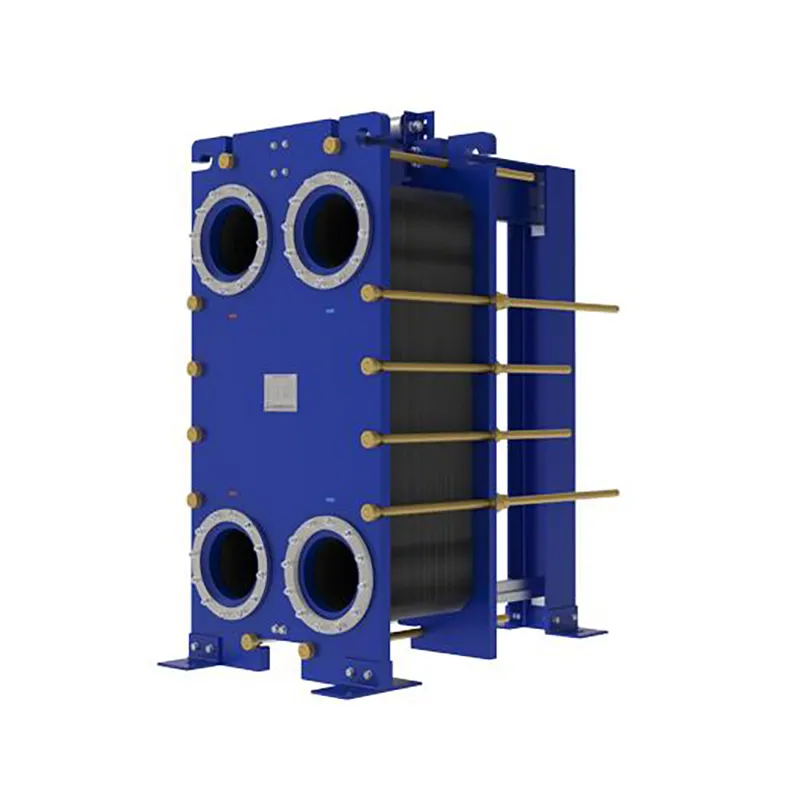
Since the invention of the plate heat exchanger (PHE) in 1923, thermal technology has evolved from standard food-grade processing to highly complex industrial operations. At SHPHE, we take this classic, versatile design and transform it into highly bespoke heat transfer solutions tailored to your unique process fluids and thermal loads. While traditional gasketed PHEs offer high efficiency and compact footprints, SHPHE optimizes plate corrugations, metallurgy, and sealing systems to handle your specific chemical, HVAC, or energy recovery parameters. Our custom-engineered gasketed plate heat exchangers provide outstanding scalability and ease of maintenance, serving as an indispensable asset for heavy industries—including oil and gas, metallurgy, and food processing—where uptime, energy recovery, and long-term sustainability are top priorities.

Heat Exchangers

‌HT-Bloc Welded Plate Heat Exchanger

Custom-Engineered for Severe Process Demands. At SHPHE, we don't just supply equipment; we design tailored thermal solutions. Our HT-Bloc welded plate heat exchangers are custom-configured by our experienced engineers to overcome your specific industry challenges—whether handling high-viscosity media, extreme temperatures, or strict space constraints.

Heat Exchangers
SHPHE has complete quality assurance system from design, manufacturing, inspection and delivery. It is certified with ISO9001, ISO14001, OHSAS18001 and hold ASME U Certificate.
© 2005-2026 Shanghai Heat Transfer - Privacy Policy