English EN


How to Choose the Right Printed Circuit Heat Exchanger for Your Process
Select the right printed circuit heat exchanger by matching process needs, pressure, temperature, and fluid compatibility for optimal efficiency and safety.
More
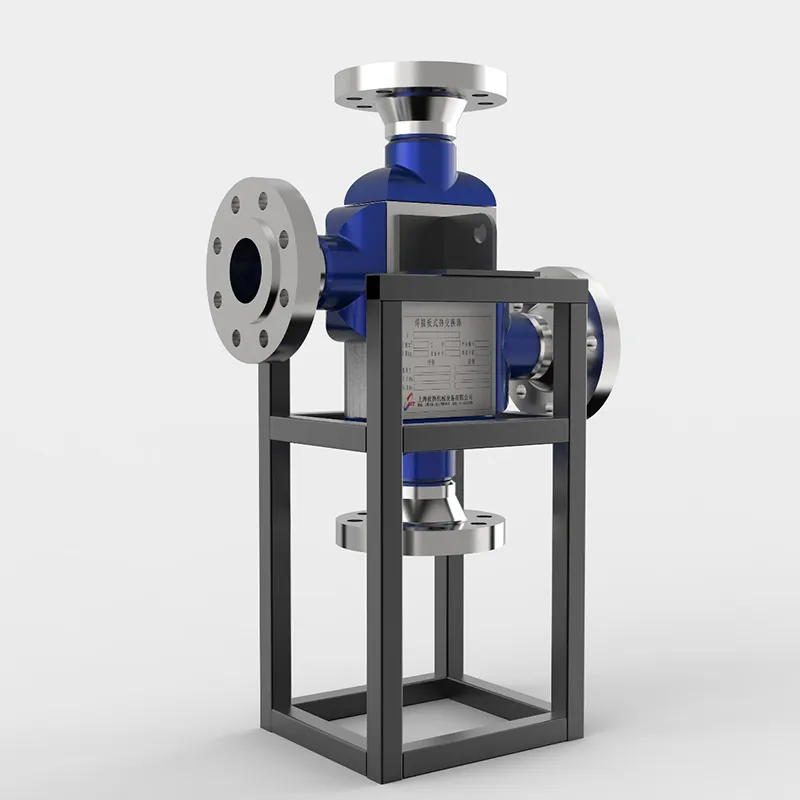
When you look at the numbers, the case for printed circuit heat exchangers becomes clear. A typical PCHE can deliver heat transfer coefficients three to five times higher than conventional shell-and-tube units, while occupying up to 85% less volume. This is possible because the diffusion-bonded stainless steel or titanium plates contain microchannels—typically 0.5 to 2 mm wide—that create turbulent flow even at low Reynolds numbers. The result is a compact core that handles high pressures (up to 600 bar) and extreme temperatures (from -200°C to 900°C) without sacrificing reliability.
Consider a real-world application in natural gas processing. A major LNG facility replaced its bank of six shell-and-tube exchangers with a single PCHE unit. The footprint shrank from 120 square meters to just 18 square meters, and the pressure drop across the system dropped by 30%. Maintenance costs also fell sharply because the PCHE has no gaskets or welded joints that need regular inspection. Over a five-year period, the facility reported a 22% reduction in total lifecycle costs.
Another area where PCHEs shine is in waste heat recovery. Many industrial processes release exhaust gases at 300°C to 600°C. A printed circuit heat exchanger can capture that heat and preheat incoming combustion air or process fluids, boosting overall system efficiency by 15% to 25%. Because the channels are narrow and the plates are stacked in a counterflow arrangement, the temperature approach can be as low as 5°C—far tighter than what most plate-and-frame or shell-and-tube designs can achieve.
For engineers concerned about fouling, the smooth microchannel surfaces and high shear forces inside a PCHE naturally resist deposit buildup. In a chemical plant that switched from a gasketed plate heat exchanger to a PCHE for cooling a polymer slurry, the cleaning interval extended from every three months to once every 18 months. That translated to 200 more hours of uptime per year.
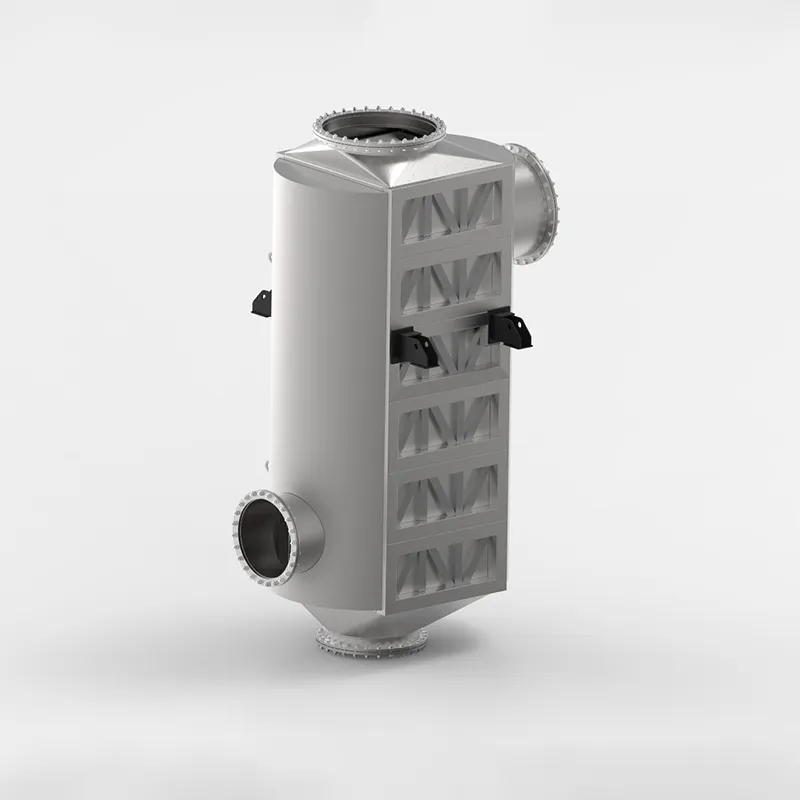
Of course, not every application needs a PCHE. But if your system operates above 50 bar, requires a small footprint, or struggles with thermal fatigue from rapid temperature swings, it is worth evaluating. The upfront cost per square meter of heat transfer area is higher than for a gasketed plate exchanger, but the total installed cost often ends up lower because the unit is smaller, lighter, and needs less structural support. Plus, the elimination of gaskets means no leak paths and no routine retorquing.
To get a better sense of how a printed circuit heat exchanger fits into your specific setup, you can explore custom-engineered PCHE designs that match your flow rates, pressure limits, and material requirements. Many suppliers also offer pilot testing with a small-scale unit to validate performance before committing to a full-size installation.
In an era where energy efficiency and compactness drive equipment choices, the printed circuit heat exchanger stands out as a proven technology. Whether you are in petrochemicals, power generation, or food processing, the data supports making the switch sooner rather than later. The combination of high thermal performance, durability, and low maintenance makes it a smart investment for any system that demands reliable heat transfer under tough conditions.
We provide you with comprehensive foreign trade solutions to help enterprises achieve global development
The SHPHE Printed Circuit Heat Exchanger (PCHE) is an advanced diffusion bonded microchannel heat exchanger engineered for demanding high-pressure and high-temperature thermal duties. Compared with conventional shell-and-tube equipment, its chemically etched microchannel structure provides exceptionally high heat-transfer surface density within a compact core. Combined with solid-state diffusion bonding, the design delivers high thermal effectiveness, mechanical integrity, and reliable containment under extreme operating conditions.
Designed as a compact high pressure heat exchanger, the SHPHE PCHE supports critical thermal processes across LNG, natural gas processing, offshore energy systems, supercritical CO₂ power cycles, hydrocarbon processing, and high-pressure hydrogen applications. Its combination of compact size, high pressure capability, low fluid inventory, and efficient heat recovery makes PCHE technology particularly suitable for applications where equipment footprint, weight, safety, and thermal performance are equally important.
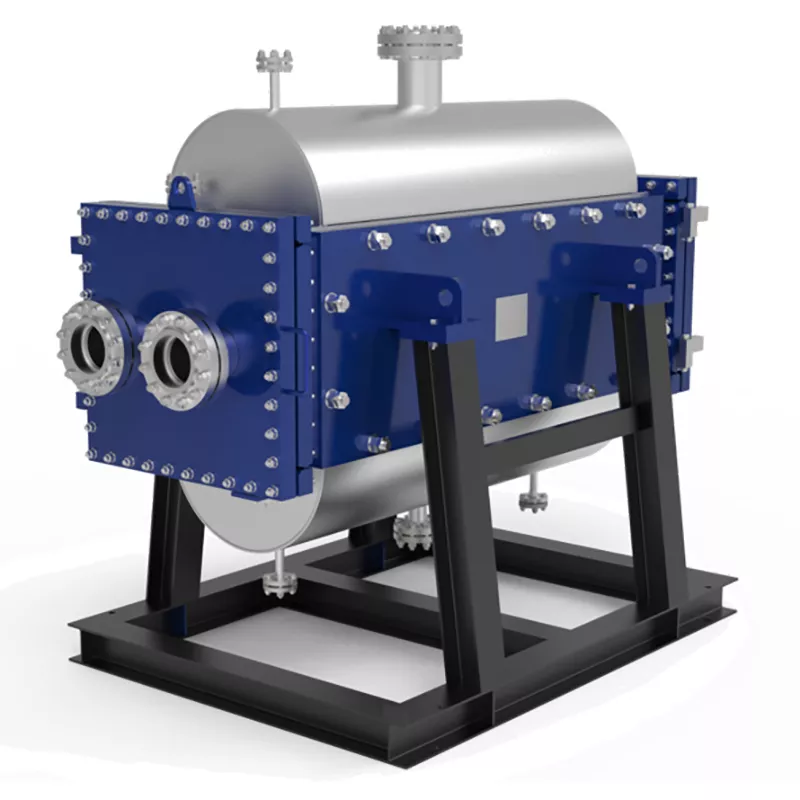
Industrial processes involving particle-laden slurries, high-viscosity syrups, or fiber-rich pulp demand more than standard equipment—they require target-engineered thermal management. At SHPHE, we configure the TP Welded Plate Heat Exchanger to directly conquer your plant's severe fouling, blockage, and erosion threats. Combining custom-tailored channel geometries, wear-resistant metallurgy, and integrated CIP (Cleaning-in-Place) systems, we deliver absolute production continuity where conventional heat exchangers fail.
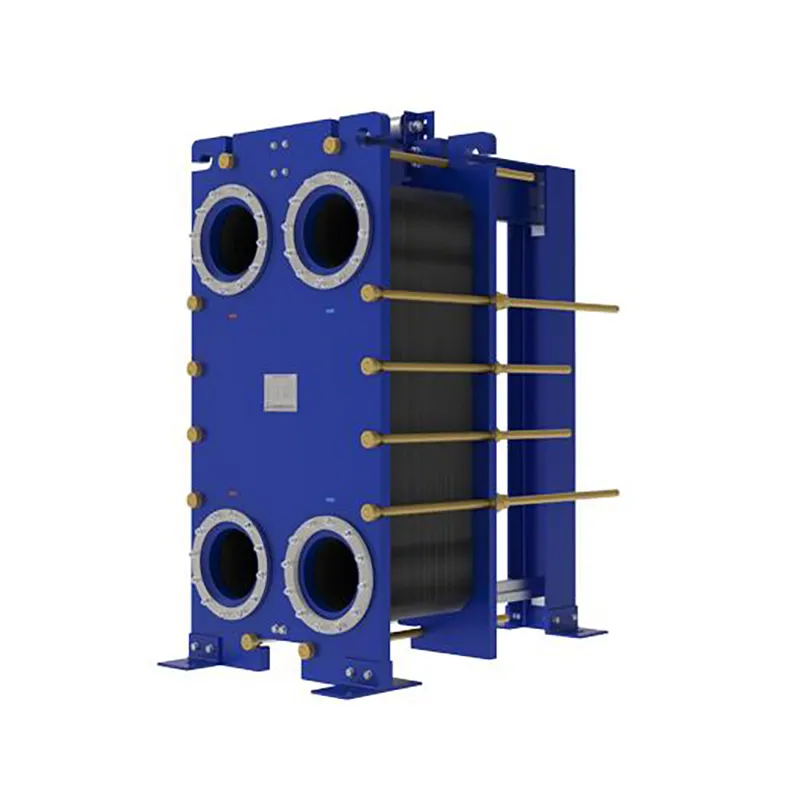
Since the invention of the plate heat exchanger (PHE) in 1923, thermal technology has evolved from standard food-grade processing to highly complex industrial operations. At SHPHE, we take this classic, versatile design and transform it into highly bespoke heat transfer solutions tailored to your unique process fluids and thermal loads. While traditional gasketed PHEs offer high efficiency and compact footprints, SHPHE optimizes plate corrugations, metallurgy, and sealing systems to handle your specific chemical, HVAC, or energy recovery parameters. Our custom-engineered gasketed plate heat exchangers provide outstanding scalability and ease of maintenance, serving as an indispensable asset for heavy industries—including oil and gas, metallurgy, and food processing—where uptime, energy recovery, and long-term sustainability are top priorities.
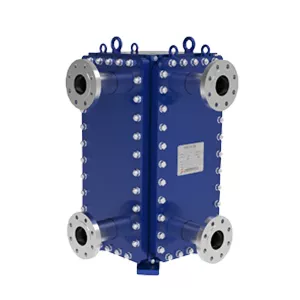
Custom-Engineered for Severe Process Demands. At SHPHE, we don't just supply equipment; we design tailored thermal solutions. Our HT-Bloc welded plate heat exchangers are custom-configured by our experienced engineers to overcome your specific industry challenges—whether handling high-viscosity media, extreme temperatures, or strict space constraints.