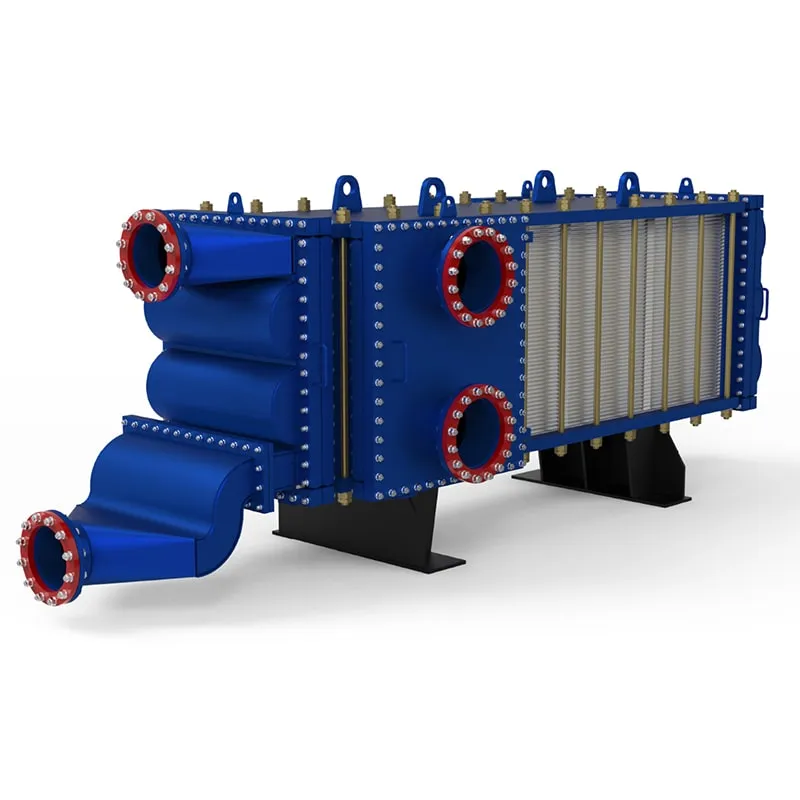
Top Benefits of a Plate and Shell Heat Exchanger
Plate and shell heat exchangers combine the high thermal efficiency of plate designs with the robust pressure-handling capability of shell-and-tube units. This article explores the key advantages of this hybrid technology, including compact size, superior heat transfer rates, and reduced fouling, making it a reliable choice for demanding industrial applications like chemical processing and power generation.
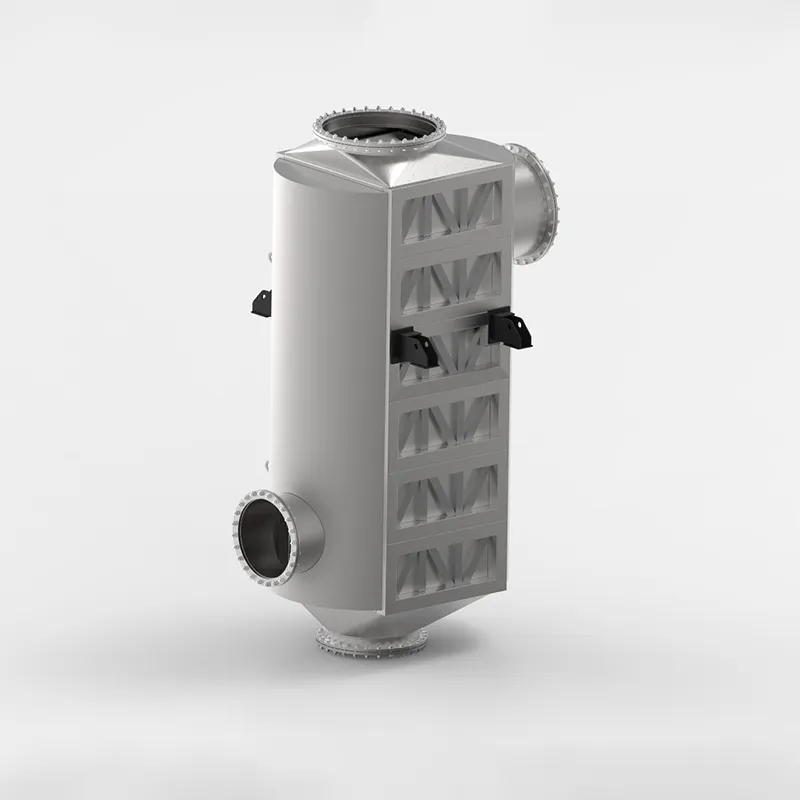
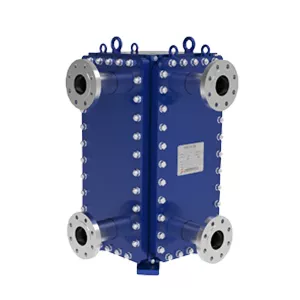
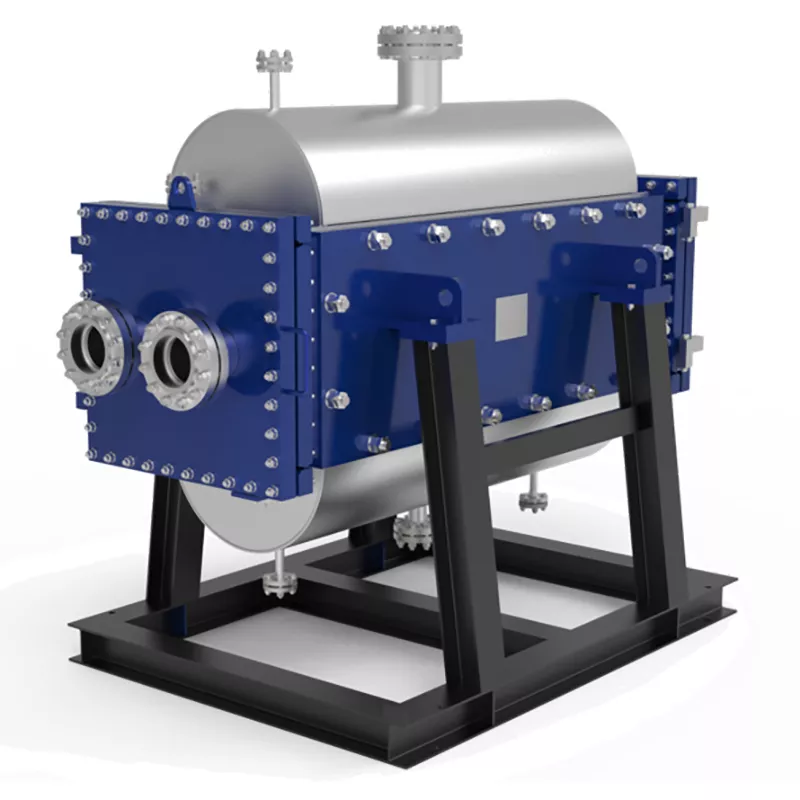
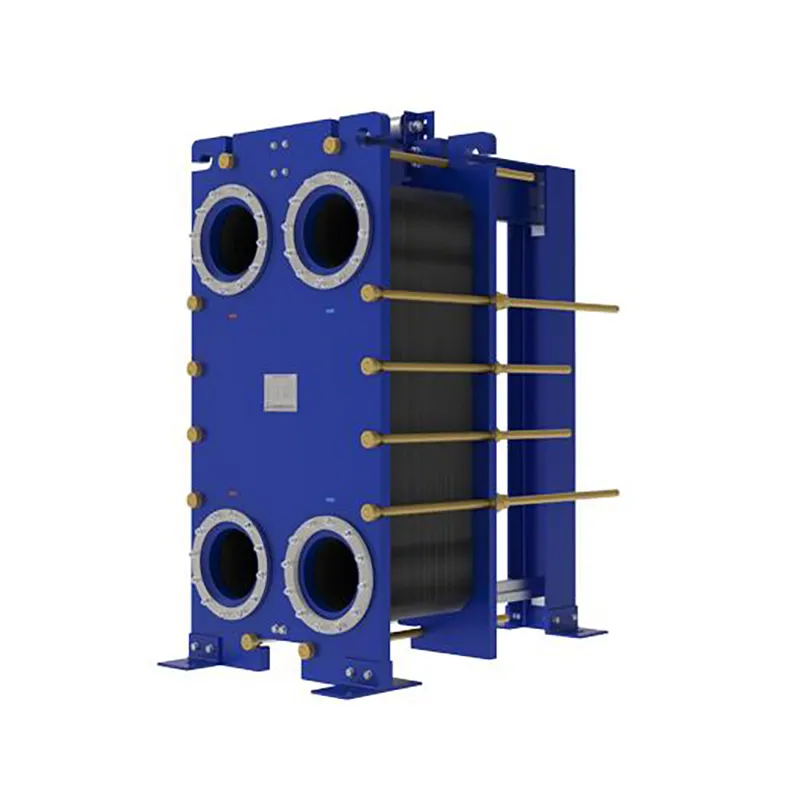
When you need efficient heat transfer in a compact footprint, the plate and shell heat exchanger often stands out as a practical solution. Unlike traditional shell-and-tube designs, this technology uses corrugated plates housed inside a cylindrical shell. This structure allows for higher turbulence and better heat transfer coefficients, which means you can achieve the same thermal duty with less surface area.
One of the most appreciated benefits is its ability to handle high pressures and temperatures. The shell provides mechanical strength, while the plate pack delivers excellent thermal performance. In many chemical and petrochemical plants, these units operate reliably at pressures up to 100 bar and temperatures exceeding 400°C. This makes them a strong candidate for applications where conventional plate heat exchangers would struggle.
Compact Design Saves Space and Weight
Space is often at a premium in industrial facilities. A plate and shell heat exchanger typically requires 30% to 50% less floor area compared to a shell-and-tube unit with the same duty. For example, a typical 500 kW unit might weigh around 800 kg, while a comparable shell-and-tube design could exceed 1,500 kg. This weight reduction also simplifies installation and reduces structural support costs.
Superior Heat Transfer Efficiency
The corrugated plate pattern creates turbulent flow even at low velocities. This turbulence breaks up the boundary layer on the heat transfer surface, significantly improving the overall heat transfer coefficient. In practice, you can expect coefficients in the range of 3,000 to 7,000 W/m²·K for water-to-water applications, which is roughly three to five times higher than a typical shell-and-tube exchanger. This efficiency translates directly into lower energy consumption and smaller equipment sizes.
Reduced Fouling and Easier Maintenance
Fouling is a common headache in heat exchangers. The high turbulence in plate and shell designs helps keep particles suspended and reduces the deposition of scale or dirt. Many users report fouling factors that are 50% lower than those seen in shell-and-tube units. When cleaning is eventually needed, the plate pack can be removed from the shell for mechanical or chemical cleaning, which is much simpler than cleaning a fixed tube bundle.
Versatility Across Applications
These exchangers handle a wide range of fluids, from clean water to viscous oils and aggressive chemicals. The plate material can be selected from stainless steel, titanium, or Hastelloy to match the process fluid. For example, in the food and beverage industry, they are used for pasteurization and CIP (clean-in-place) systems. In the oil and gas sector, they serve as intercoolers and aftercoolers. The design also accommodates temperature cross situations, where the cold fluid outlet temperature can approach the hot fluid inlet temperature, achieving temperature approaches as close as 1°C.
Cost-Effective Over the Long Term
While the initial purchase price of a plate and shell heat exchanger can be comparable to or slightly higher than a shell-and-tube unit, the total cost of ownership is often lower. The reduced fouling means less downtime for cleaning, and the higher efficiency leads to lower pumping and energy costs. Many industrial users see a payback period of less than two years when replacing older shell-and-tube units with plate and shell technology.
For engineers and plant managers looking to optimize thermal processes, the plate and shell heat exchanger offers a balanced combination of performance, durability, and space savings. Whether you are working on a new installation or upgrading an existing system, it is worth evaluating how this design can meet your specific heat transfer needs. For more information on related products, you can explore custom engineered plate air preheaters or wide gap welded plate heat exchangers for specialized applications.

 English EN