Top Benefits of a Pillow Plate Heat Exchanger Explained
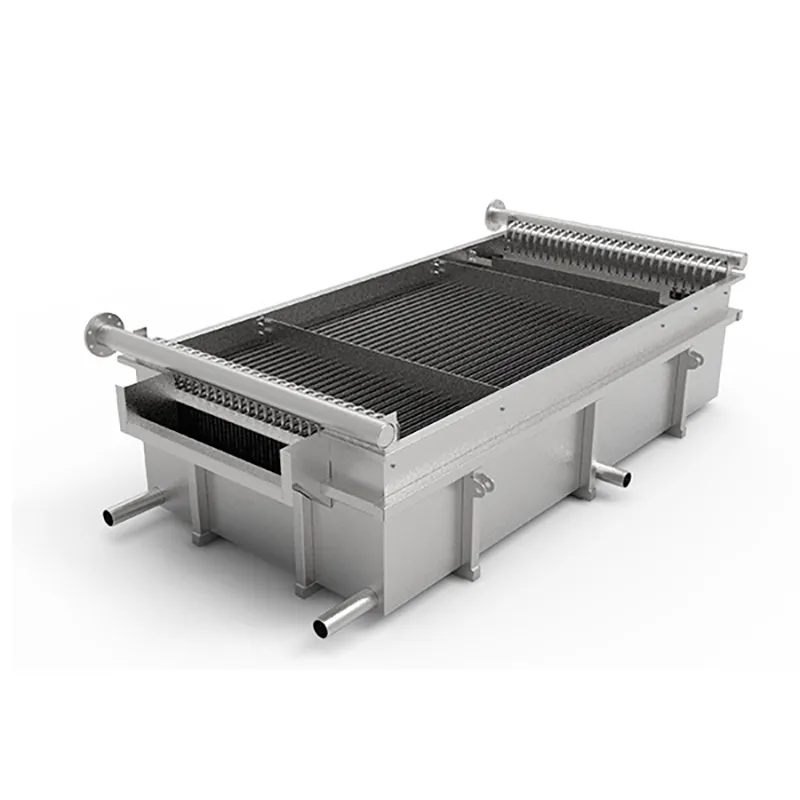
Pillow plate heat exchangers are a smart choice for industries that need efficient, compact, and reliable thermal management. Unlike traditional shell-and-tube or gasketed plate designs, these units use a unique embossed surface to boost heat transfer while cutting down on fouling and maintenance. In this article, we break down the real-world advantages you can count on, from energy savings to longer equipment life.
1. High Thermal Efficiency in a Compact Footprint
The pillow plate design creates a series of dimpled channels that increase turbulence in the fluid flow. This turbulence breaks up the boundary layer, allowing heat to transfer much faster than with flat plates. In practice, this means you can achieve the same duty with a smaller surface area. For example, a typical pillow plate exchanger can be up to 40% more compact than a comparable shell-and-tube unit, saving valuable floor space in your plant.
2. Reduced Fouling and Easier Cleaning
One of the biggest headaches with traditional heat exchangers is fouling. Deposits build up over time, reducing efficiency and forcing frequent shutdowns for cleaning. Pillow plates have a smooth, continuous surface with no sharp corners or gaskets where debris can get trapped. The gentle curves of the pillow pattern also promote self-cleaning flow, especially when handling viscous or particle-laden fluids. Many users report extending cleaning intervals by 30% to 50% compared to gasketed plate exchangers.
3. Excellent Pressure Handling and Leak Resistance
Because pillow plates are made from two metal sheets welded together along the edges and at the dimple points, they form a very strong, leak-proof structure. They can handle operating pressures up to 30 bar and temperatures up to 300°C, depending on the material and thickness. The welded construction eliminates the need for gaskets, which are a common failure point in other plate heat exchangers. This makes pillow plates a reliable choice for applications where leaks are unacceptable, such as in food processing or chemical handling.
4. Versatility Across Industries
Pillow plate heat exchangers are not limited to one type of application. They work well for heating, cooling, evaporation, and condensation duties. Common uses include dairy pasteurization, brewery wort cooling, chemical reactor temperature control, and even HVAC systems. The ability to customize the plate material—stainless steel, titanium, or Hastelloy—means you can match the exchanger to your specific fluid chemistry. For more details on custom-engineered options, you can explore custom pillow plate designs that fit unique process requirements.
5. Lower Total Cost of Ownership
While the initial purchase price of a pillow plate exchanger might be slightly higher than some alternatives, the long-term savings are significant. You save on energy because the higher heat transfer coefficient means less pumping power is needed. You save on maintenance because there are no gaskets to replace and less fouling to deal with. And you save on downtime because the unit stays clean and operational for longer stretches. Over a five-year period, many facilities see a 20% to 30% reduction in total operating costs compared to traditional plate heat exchangers.
6. Gentle Product Handling for Sensitive Fluids
For food, beverage, and pharmaceutical applications, maintaining product quality is critical. The low shear flow inside a pillow plate exchanger minimizes mechanical stress on the fluid. This is especially important for products like yogurt, fruit concentrates, or protein solutions that can be damaged by high turbulence or hot spots. The uniform temperature distribution across the pillow surface also prevents local overheating, which can cause scorching or denaturation.
7. Easy Integration Into Existing Systems
Pillow plate exchangers are available in a range of configurations, including single-pass, multi-pass, and even as immersion coils for tanks. They can be mounted vertically or horizontally, and the nozzle positions can be customized to match your piping layout. This flexibility makes retrofitting straightforward. Many engineers find that they can replace an older, less efficient exchanger without having to redesign the entire system. If you are working with a specific process, you might also look into printed circuit heat exchangers for high-density applications.
8. Environmentally Friendly Operation
Because pillow plate exchangers use less energy and require fewer chemical cleanings, they have a smaller environmental footprint. The reduced water consumption for cleaning cycles is a tangible benefit for facilities looking to lower their utility bills and meet sustainability goals. Additionally, the long service life of the welded construction means fewer replacements end up in landfills. Some manufacturers also offer recycling programs for end-of-life units.
9. Reliable Performance in High-Temperature Applications
When you need to handle hot fluids or steam, pillow plates hold up well. The all-welded design can withstand thermal expansion without leaking, which is a common problem with gasketed units at high temperatures. For example, in the chemical industry, these exchangers are used for heating aggressive solvents and recovering heat from exhaust streams. The robust construction also resists vibration and mechanical shock, adding to their dependability.
10. Scalability for Future Growth
If your production capacity needs to increase, pillow plate systems can often be scaled up by adding more plates in parallel or by using larger units. The modular nature of some designs allows you to expand without replacing the entire setup. This is a practical advantage for growing businesses that want to avoid large capital outlays every few years. For more information on how these exchangers compare to other welded plate options, you can check out TP welded plate heat exchangers for similar applications.
In summary, pillow plate heat exchangers offer a compelling mix of efficiency, durability, and ease of maintenance. Whether you are upgrading an existing line or designing a new process, the data shows that these units can deliver measurable improvements in both performance and cost. By choosing the right material and configuration, you can tailor the exchanger to your exact needs and enjoy reliable operation for years to come.

 English EN