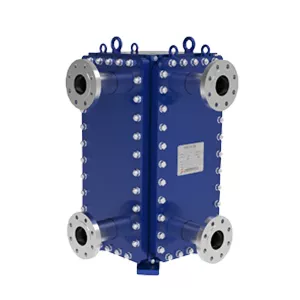
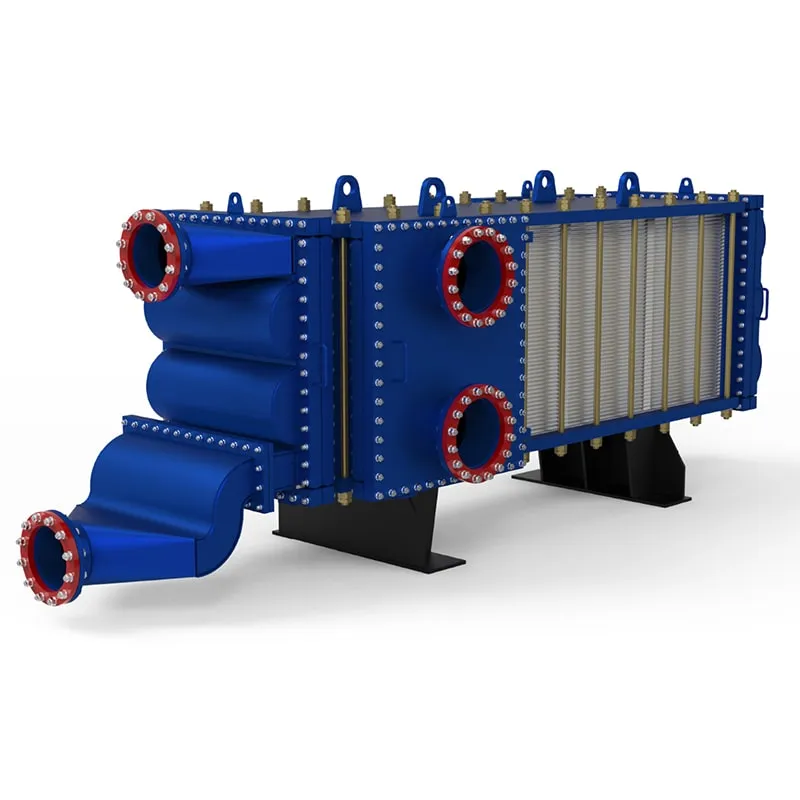
Gasketed plate heat exchangers are a smart choice for many industrial heating and cooling tasks. They offer great efficiency, easy maintenance, and a compact design that saves space. This article walks you through the key advantages, backed by real-world performance data, so you can see why they are a trusted solution in sectors like food processing, chemical manufacturing, and HVAC systems.
Exceptional Thermal Efficiency
One of the standout features of a gasketed plate heat exchanger is its high heat transfer coefficient. The corrugated plate design creates turbulent flow even at low velocities, which significantly improves heat exchange. In typical applications, these units achieve thermal efficiencies of up to 90% or more. For example, in a dairy pasteurization process, a gasketed plate heat exchanger can reduce energy consumption by 15-20% compared to traditional shell-and-tube designs, while maintaining precise temperature control.
Compact and Space-Saving Design
Space is often at a premium in industrial facilities. Gasketed plate heat exchangers pack a lot of surface area into a small footprint. A unit with a heat transfer area of 100 square meters might be only 1.5 meters long and 0.8 meters wide. This is roughly one-third the size of an equivalent shell-and-tube exchanger. That extra floor space can be used for other equipment or storage, making your layout more efficient.
Easy Maintenance and Cleaning
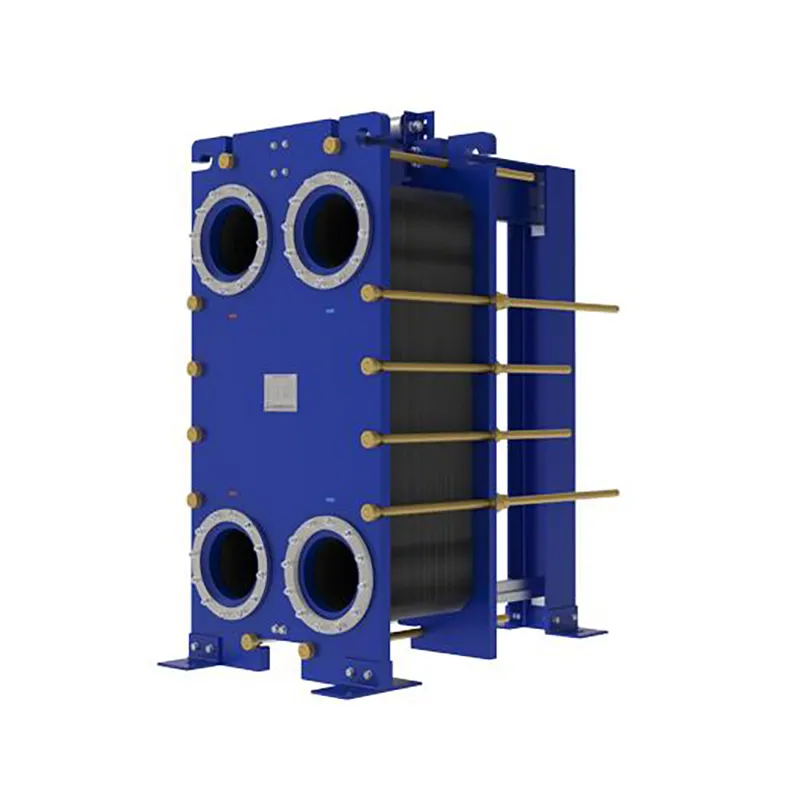
The bolted construction of gasketed plate heat exchangers allows for quick disassembly. You can open the unit, inspect the plates, and clean them without specialized tools. In food and beverage plants where hygiene is critical, this means you can perform cleaning-in-place (CIP) routines effectively. Many operators report that a full plate inspection and gasket replacement takes just a few hours, compared to days for some other heat exchanger types. This reduces downtime and keeps production running smoothly.
Flexibility and Expandability
Another practical benefit is the ability to adjust capacity. If your process needs change, you can add or remove plates to modify the heat transfer area. For instance, a unit originally designed for 50 kW of cooling can be upgraded to 70 kW by adding a few extra plates, as long as the frame allows. This modularity saves you from buying a completely new exchanger when your requirements evolve. Many manufacturers, like those at SHPHE Global, offer frames that support a range of plate counts.
Low Operating Costs
Because of the high efficiency and low pressure drop, gasketed plate heat exchangers consume less pumping energy. In a typical HVAC application, the pressure drop might be only 30-50 kPa per side, which is lower than many comparable technologies. Over a year of continuous operation, this can translate to significant savings on electricity bills. Additionally, the durable gaskets and stainless steel plates have a long service life, often exceeding 10 years with proper maintenance.
Versatility Across Industries
These heat exchangers handle a wide range of fluids, from clean water to viscous liquids like syrups or oils. They are commonly used in chemical processing for heating or cooling corrosive fluids, thanks to options like titanium or Hastelloy plates. In the pharmaceutical sector, they meet strict sanitary standards. For heavy-duty applications, you can explore custom-engineered options such as pillow plates or wide-gap welded plate heat exchangers for fluids with particulates.
Reliable and Leak-Proof Operation
Modern gasket designs ensure a tight seal between plates. Double gasketing and leak detection grooves are standard features that prevent cross-contamination of fluids. In a recent installation at a chemical plant, a gasketed plate heat exchanger operated for over five years without a single leak incident, handling a temperature difference of 80°C between the hot and cold streams. This reliability gives operators peace of mind.
Environmental Benefits
By improving energy efficiency, these exchangers help reduce carbon emissions. For a mid-sized food processing plant, switching from an older shell-and-tube unit to a gasketed plate design can lower annual CO2 emissions by several tons. The materials are also recyclable at the end of the unit's life, supporting sustainability goals.
Conclusion
Gasketed plate heat exchangers deliver real, measurable advantages: high thermal efficiency, a compact footprint, easy maintenance, and low operating costs. Whether you are upgrading existing equipment or designing a new system, they offer a practical and cost-effective solution. For specialized needs, consider exploring other plate heat exchanger designs like HT-Bloc welded plate heat exchangers or TP welded plate heat exchangers for high-temperature applications. With proper selection and care, these units provide years of reliable service.

 English EN