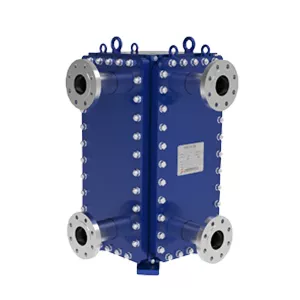
Top Benefits of a Gasket Plate Heat Exchanger
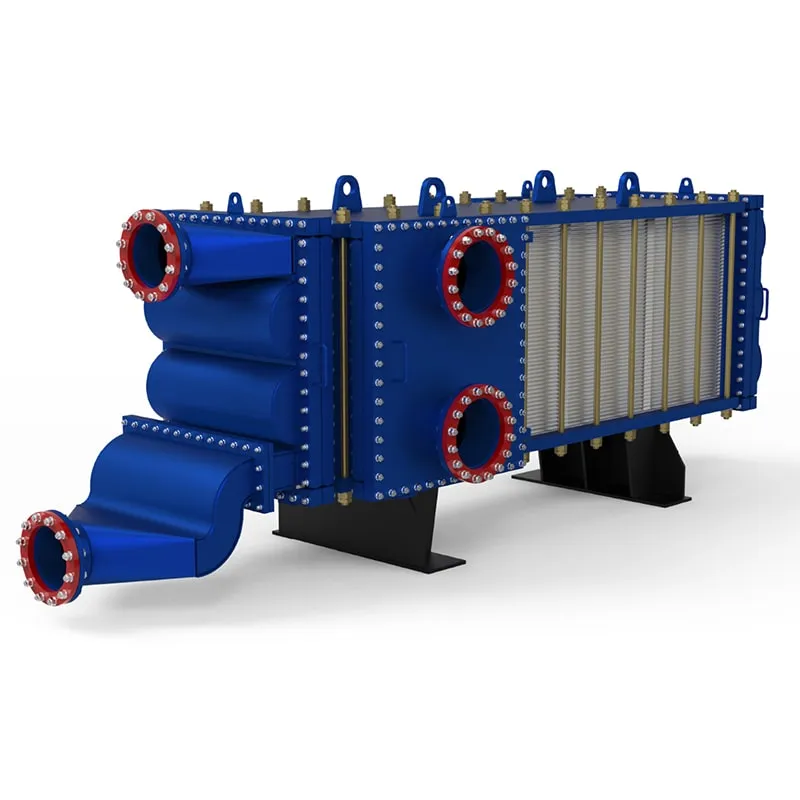
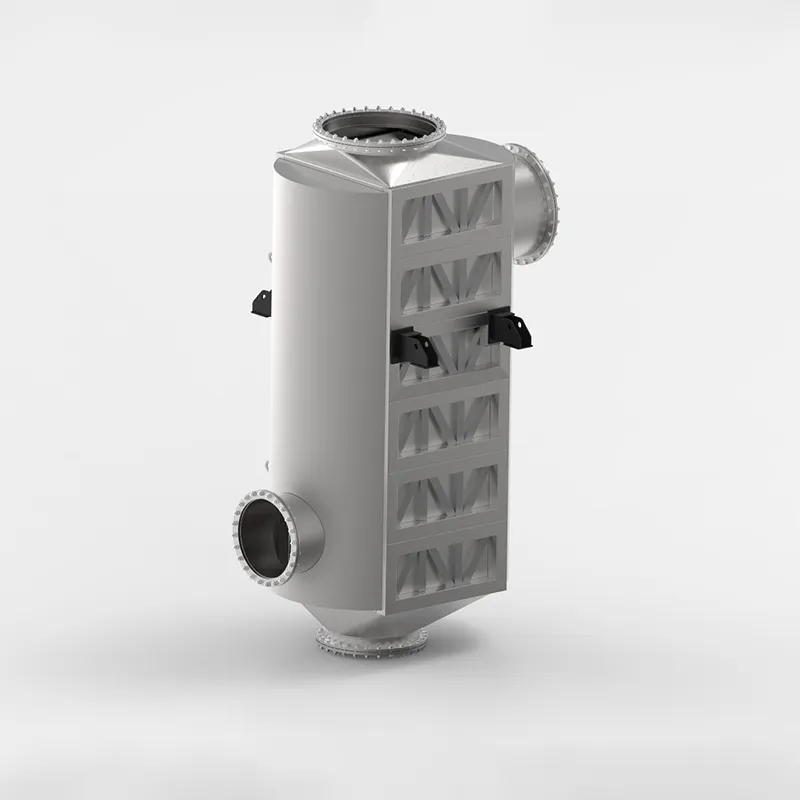
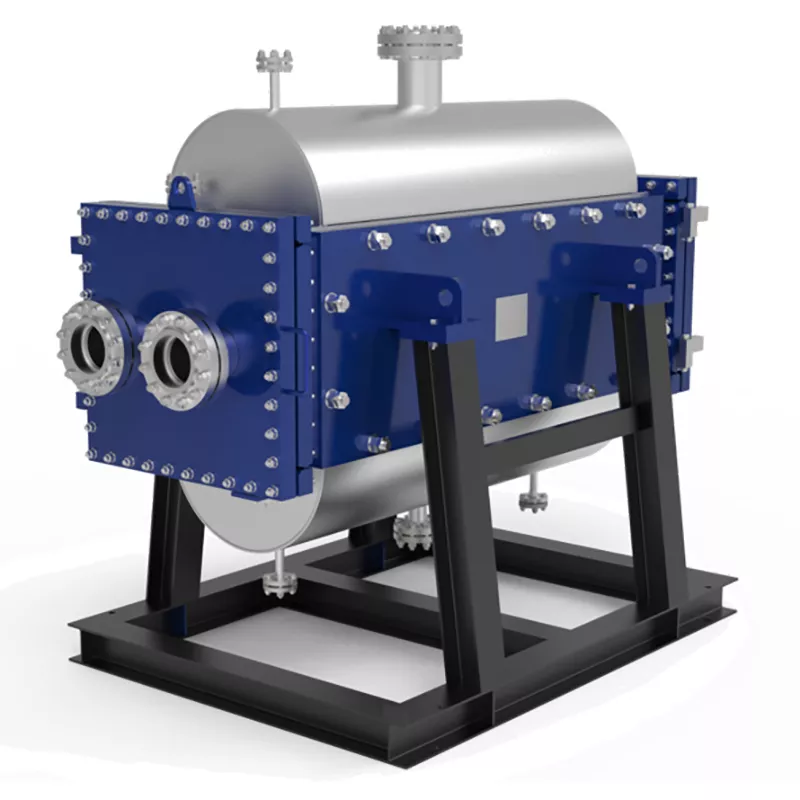
Gasket plate heat exchangers are a reliable and efficient solution for transferring heat between fluids in industrial processes. They offer high thermal performance, easy maintenance, and flexible capacity, making them a popular choice across HVAC, chemical, food processing, and power generation sectors. This article explores the key benefits that set these units apart from other heat exchanger types.
Exceptional Thermal Efficiency
One of the standout advantages of a gasket plate heat exchanger is its ability to achieve high heat transfer coefficients. The corrugated plate design creates turbulent flow even at low fluid velocities, which significantly improves heat transfer rates. In many applications, these units can achieve thermal efficiencies of up to 90% or more, compared to 50-60% for traditional shell-and-tube designs. This means you can often downsize the equipment or reduce energy consumption while meeting the same process requirements.
The close temperature approach capability (as low as 1°C) allows for better heat recovery and tighter process control. For example, in a typical HVAC system, a gasket plate heat exchanger can recover waste heat from exhaust air and preheat incoming fresh air, cutting heating costs by 20-30% annually.
Easy Maintenance and Cleaning
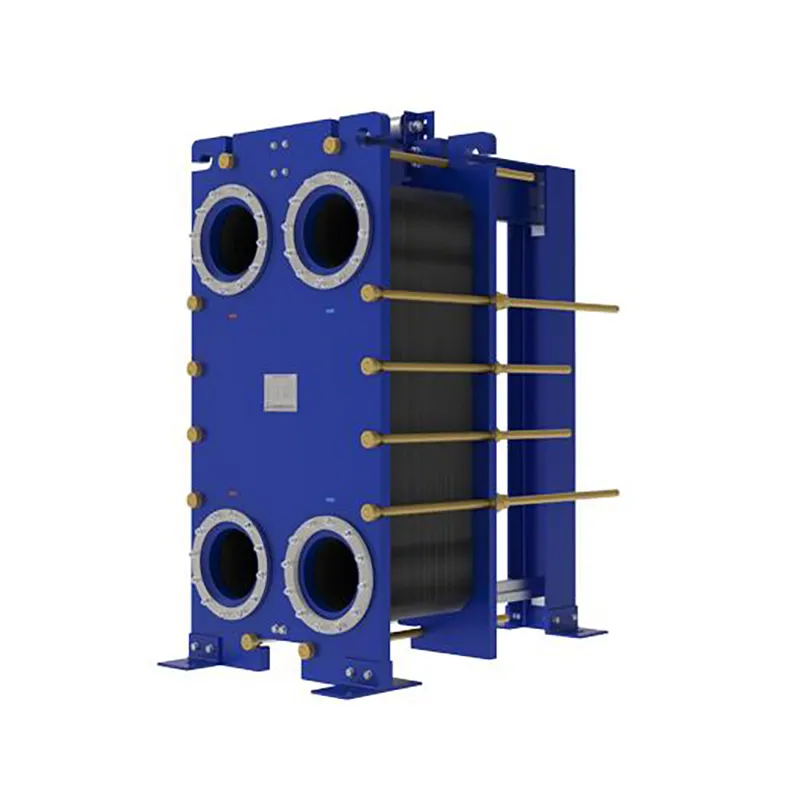
Unlike welded or brazed heat exchangers, gasket plate units are designed for disassembly. The plates are held together by compression bolts and sealed with gaskets, allowing you to open the unit for inspection, cleaning, or plate replacement without special tools. This is especially valuable in food processing or pharmaceutical applications where hygiene standards require regular cleaning. A typical cleaning cycle takes just a few hours, compared to days for shell-and-tube units that need chemical cleaning or tube bundle removal.
The modular plate design also means you can add or remove plates to adjust the heat transfer capacity. If your process requirements change, simply adding a few plates can increase the duty by 15-20% without replacing the entire unit. This flexibility is a major cost saver for growing facilities.
Compact Footprint and Lightweight Design
Gasket plate heat exchangers occupy significantly less floor space than equivalent shell-and-tube units. A typical plate heat exchanger requires only about 20-30% of the space of a shell-and-tube model with the same heat transfer capacity. This is because the plates provide a much higher surface area per unit volume. For instance, a 100 kW gasket plate unit might measure just 0.5 m x 0.3 m x 0.6 m, while a comparable shell-and-tube unit could be 1.5 m long and 0.4 m in diameter. The weight savings are also substantial, often 50-70% lighter, which simplifies installation and reduces structural support requirements.
Versatile Application Range
These heat exchangers handle a wide variety of fluids, including water, oils, chemicals, and food products. With proper gasket material selection (such as EPDM, NBR, or Viton), they can operate at temperatures from -30°C to 180°C and pressures up to 25 bar. This makes them suitable for applications like gasketed plate heat exchangers in district heating systems, where they efficiently transfer heat from a central plant to individual buildings. In the chemical industry, they are used for cooling corrosive acids or heating viscous fluids, thanks to the availability of stainless steel, titanium, or Hastelloy plate materials.
Cost-Effective Operation
The combination of high thermal efficiency and low maintenance translates directly into lower operating costs. Because the plates create turbulent flow, fouling is reduced compared to shell-and-tube designs, meaning less frequent cleaning and longer intervals between maintenance shutdowns. In a typical HVAC application, a gasket plate heat exchanger can save 15-25% in energy costs annually compared to a shell-and-tube unit. The initial investment is also competitive: a gasket plate unit often costs 20-40% less than a shell-and-tube unit with the same duty, especially when you factor in the reduced installation and foundation costs.
Scalability and Future-Proofing
As your production needs grow, a gasket plate heat exchanger can adapt without requiring a complete system overhaul. You can simply add more plates to the existing frame, increasing the heat transfer area by up to 20% without buying a new unit. This modularity is a key advantage for industries with fluctuating demand, such as food and beverage processing during seasonal peaks. For example, a dairy plant can add plates to its pasteurization heat exchanger during summer months when milk production increases, then remove them in winter to maintain optimal performance.
Environmental and Energy Benefits
By enabling efficient heat recovery and reducing energy consumption, gasket plate heat exchangers contribute to lower carbon emissions. In many industrial processes, they allow you to capture waste heat and reuse it for preheating feed water or space heating, cutting overall energy use by 20-30%. The compact design also means less material is used in manufacturing, reducing the environmental footprint. For companies aiming for sustainability certifications like LEED or ISO 14001, these units are a practical choice. A typical installation in a chemical plant can reduce annual CO2 emissions by 50-100 tons, depending on the scale of operation.

 English EN