Top Benefits of a Compact Welded Heat Exchanger
Compact welded heat exchangers are transforming industrial thermal management with their space-saving design and robust performance. Unlike traditional gasketed units, these all-welded constructions eliminate leak paths, reduce maintenance needs, and deliver efficient heat transfer in demanding environments. This article explores the key advantages, from enhanced durability to operational cost savings, helping you decide if this technology fits your application.
When it comes to industrial heat exchange, space and reliability are often top concerns. Compact welded heat exchangers address both by packing high thermal performance into a small footprint. Their fully welded plate structure means no gaskets or seals to replace, which directly reduces downtime and maintenance costs. For example, in chemical processing plants where aggressive fluids are common, these units can operate at higher temperatures and pressures without the risk of leakage that plagues traditional designs.
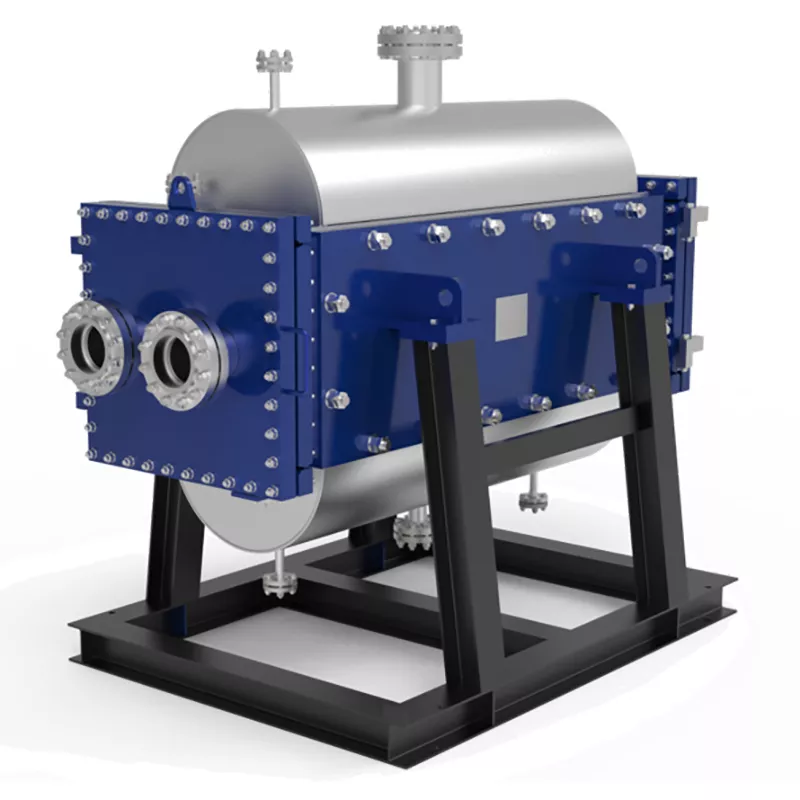
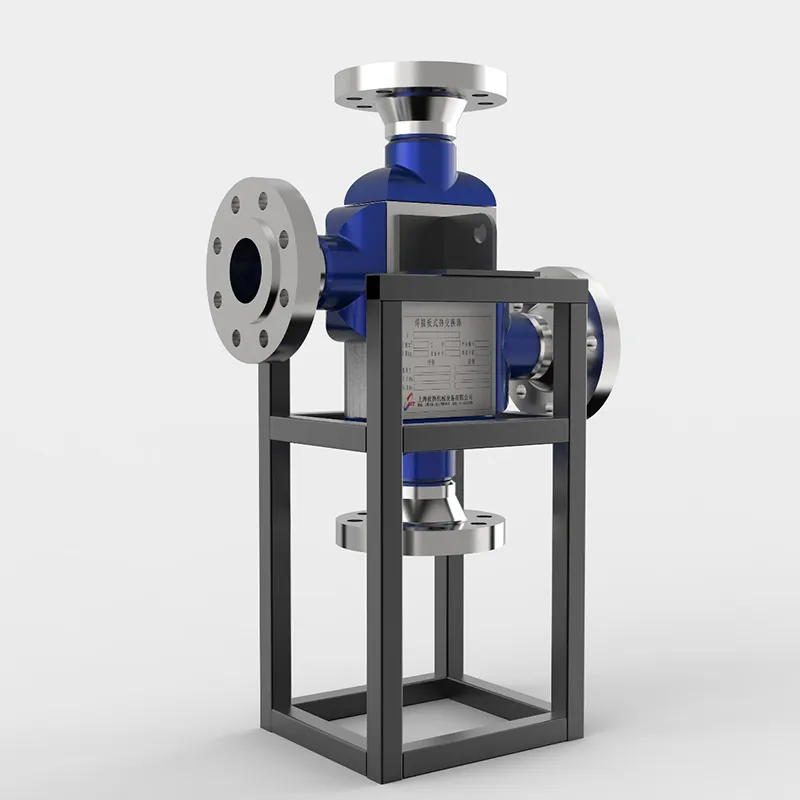
One of the standout benefits is the ability to handle thermal stress. The welded core distributes heat evenly, minimizing expansion issues. This makes them ideal for applications like HT-Bloc welded plate heat exchangers, which are engineered for high-temperature duties. In real-world scenarios, users report up to 30% more efficient heat recovery compared to shell-and-tube alternatives, thanks to the turbulent flow patterns created by the plate geometry.
Key Advantages for Industrial Use
Compact welded heat exchangers shine in applications where hygiene and cleanliness are critical. The smooth, crevice-free surfaces prevent fouling and make cleaning easier. In food and beverage processing, for instance, this design meets strict sanitary standards while maintaining high throughput. Additionally, the lack of gaskets eliminates a common failure point, extending service life to over 20 years in many installations.
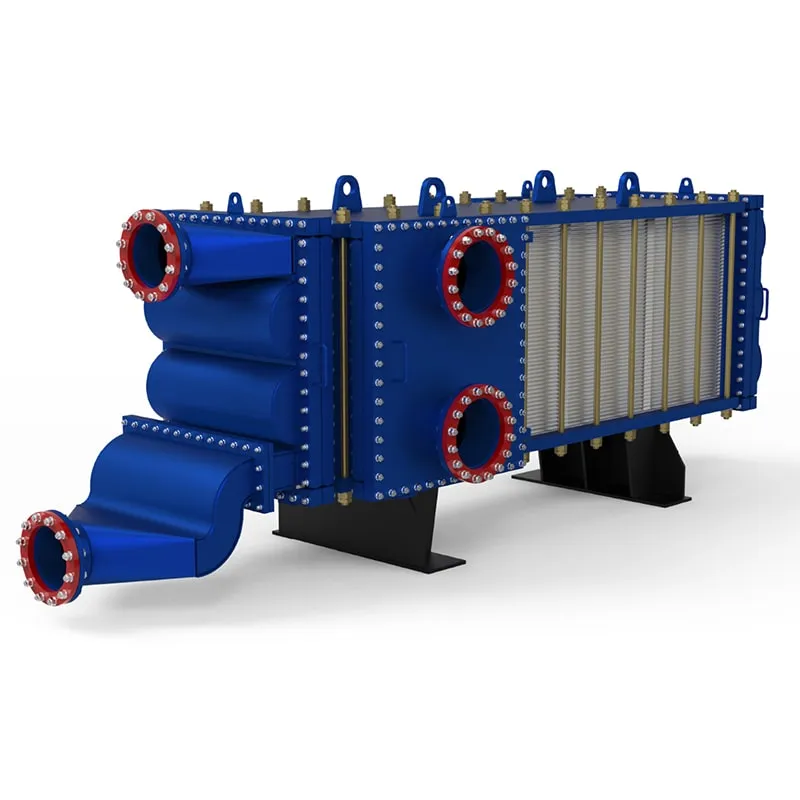
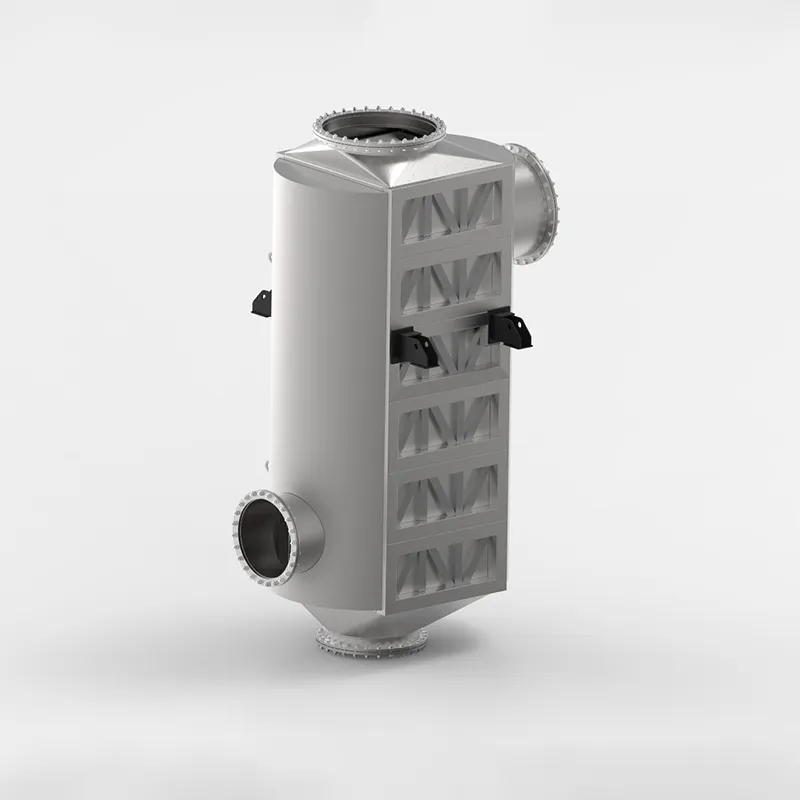
Another major benefit is energy efficiency. The compact design reduces the amount of material needed, which lowers both manufacturing costs and the unit's weight. For example, a typical wide-gap welded plate heat exchanger can handle viscous fluids or those with solids without clogging, thanks to its wider channel spacing. This versatility means you can use one unit for multiple processes, saving capital and floor space.
Durability and Maintenance Savings
The welded construction provides exceptional resistance to thermal cycling and pressure surges. In oil and gas applications, where sudden temperature changes are common, these exchangers maintain their integrity without cracking. This durability translates directly into lower maintenance costs. Operators report that switching from gasketed to welded units cuts maintenance labor by 50% or more, as there are no seals to inspect or replace.
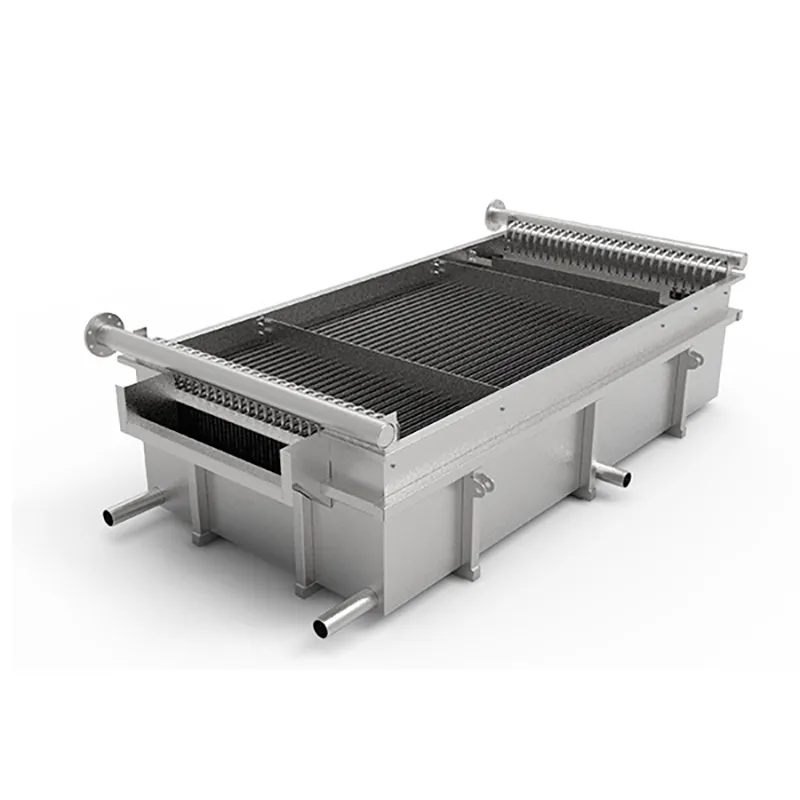
Furthermore, compact welded heat exchangers are designed for easy integration into existing systems. Their modular nature allows for straightforward expansion or reconfiguration. For instance, a TP welded plate heat exchanger can be customized with different plate materials to handle corrosive media, offering flexibility without sacrificing performance. This adaptability makes them a smart long-term investment for any facility.
Environmental and Cost Benefits
From an environmental perspective, compact welded heat exchangers contribute to sustainability. Their high efficiency reduces energy consumption, lowering carbon emissions. Additionally, the longer lifespan means fewer replacements and less waste. In many cases, these units can recover waste heat for preheating or other processes, further improving overall plant efficiency.
The initial cost of a compact welded heat exchanger is often comparable to traditional options, but the total cost of ownership is significantly lower. With fewer parts to fail and less downtime, the return on investment is clear. For industries like power generation or pharmaceuticals, where reliability is paramount, these benefits make the compact welded design a preferred choice.

 English EN