Laser Welded Pillow Plate: The Ultimate Guide to Durable Heat Transfer
Article Summary: This guide takes a close look at laser welded pillow plates, a heat transfer solution known for its durability and efficiency. We'll walk through how these plates are made, why the laser welding process matters, where they perform best in industrial applications, and what to consider when selecting a custom-engineered option. If you're evaluating heat transfer equipment for demanding environments, this article will help you understand why laser welded pillow plates are a reliable choice.
When it comes to industrial heat transfer, the equipment you choose has to hold up under pressure, temperature swings, and constant use. For many engineers and plant managers, laser welded pillow plates have become a go-to solution because they offer a combination of strength, thermal efficiency, and design flexibility that traditional heat exchangers often can't match. In this guide, we'll break down what makes these plates special, how they're constructed, and why they might be the right fit for your next project.
What Exactly Is a Laser Welded Pillow Plate?
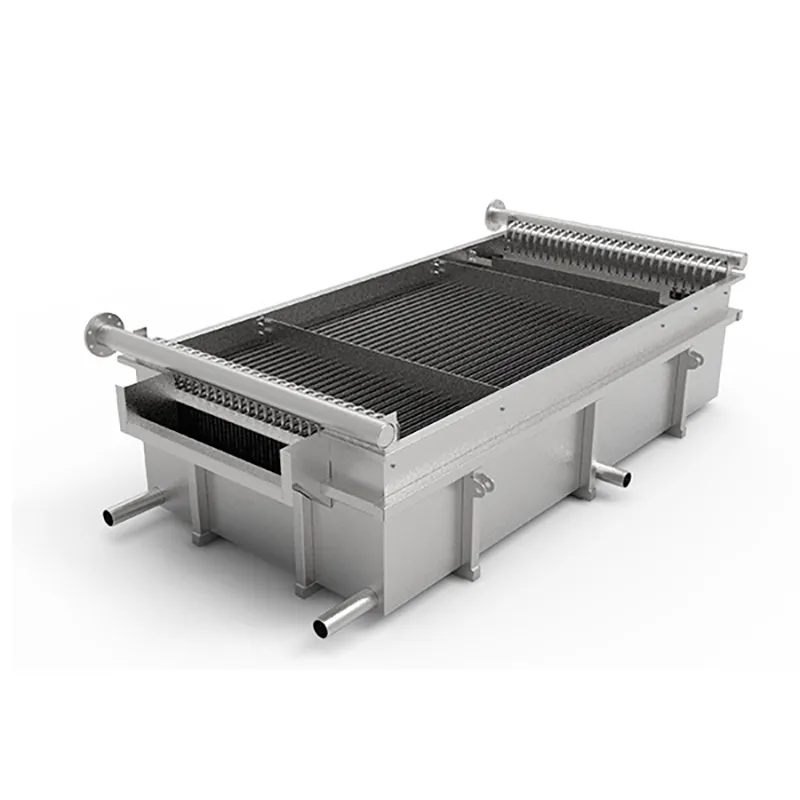
A pillow plate is a type of heat transfer surface made from two thin metal sheets that are welded together in a pattern. The welding creates a series of channels or "pillows" through which a heating or cooling fluid can flow. The term "laser welded" refers to the manufacturing method used to join the two sheets. Unlike traditional spot welding or resistance welding, laser welding uses a high-energy beam to create precise, deep, and consistent welds. This results in a stronger bond between the sheets, which translates to better pressure handling and a longer service life.
The laser welding process allows for more intricate and customizable patterns than conventional methods. This means the plates can be designed to optimize fluid flow, maximize heat transfer surface area, and accommodate specific space constraints. For industries that require hygienic or corrosion-resistant solutions, the smooth surface of a laser welded pillow plate is also a major advantage—there are no crevices where bacteria can grow or where scale can easily build up.
Key Advantages of Laser Welded Construction
Why go with laser welding over other methods? The answer lies in the quality and consistency of the weld. A laser weld is incredibly precise, which means the heat-affected zone is smaller. This reduces the risk of warping or distortion of the metal sheets, especially when working with thin materials. The result is a flat, true plate that maintains its shape even under thermal cycling.
Another significant benefit is the depth of penetration. Laser welds can penetrate deeper into the material, creating a stronger joint that can withstand higher internal pressures. This is crucial for applications where the heat transfer fluid is under high pressure or where the process itself involves high-pressure gases or liquids. Additionally, the consistency of laser welding means fewer weak points in the plate, reducing the likelihood of leaks or failures over time.
From a maintenance perspective, laser welded pillow plates are also easier to clean. The absence of gaskets and the smooth, continuous surface make them ideal for applications in food processing, pharmaceuticals, and chemical manufacturing where cleanliness is non-negotiable. You can also use more aggressive cleaning agents without worrying about degrading the weld or the plate material.
Common Applications Across Industries
Laser welded pillow plates are incredibly versatile. In the food and beverage industry, they are often used in pasteurizers, brew kettles, and storage tanks where gentle, even heating is required. The smooth surface ensures that product doesn't stick or burn onto the plate, which is essential for maintaining flavor and quality.
In the chemical and petrochemical sector, these plates are used as reactor cooling coils, condenser walls, and process vessel linings. Their ability to handle corrosive media (when made from appropriate alloys like stainless steel or titanium) and high temperatures makes them a solid choice for harsh environments. They're also found in HVAC systems as part of heat recovery loops, and in renewable energy installations such as solar thermal collectors and geothermal heat pumps.
One area where laser welded pillow plates really shine is in cryogenic applications. The robust weld integrity ensures that the plates can handle the extreme temperature differentials without cracking or becoming brittle. This makes them suitable for LNG processing and storage, as well as in the aerospace industry for thermal management systems.
Custom Engineered Solutions: Getting the Right Fit
Not all heat transfer challenges are the same, and sometimes off-the-shelf solutions just don't cut it. That's where custom-engineered pillow plates come into play. Manufacturers can adjust the plate dimensions, the weld pattern, the material thickness, and the type of metal used to match your specific process requirements. For instance, if you're working with a highly corrosive fluid, you might opt for a plate made from Hastelloy or a duplex stainless steel. If space is tight, the plates can be formed to fit the contours of your existing vessel.
When considering a custom design, it's important to provide your manufacturer with detailed information about your process: the flow rates, the temperatures, the pressure limits, and the physical properties of the fluids involved. This allows them to simulate the performance and optimize the weld pattern for maximum efficiency. A well-designed pillow plate can significantly improve heat transfer coefficients, leading to lower energy consumption and faster processing times.
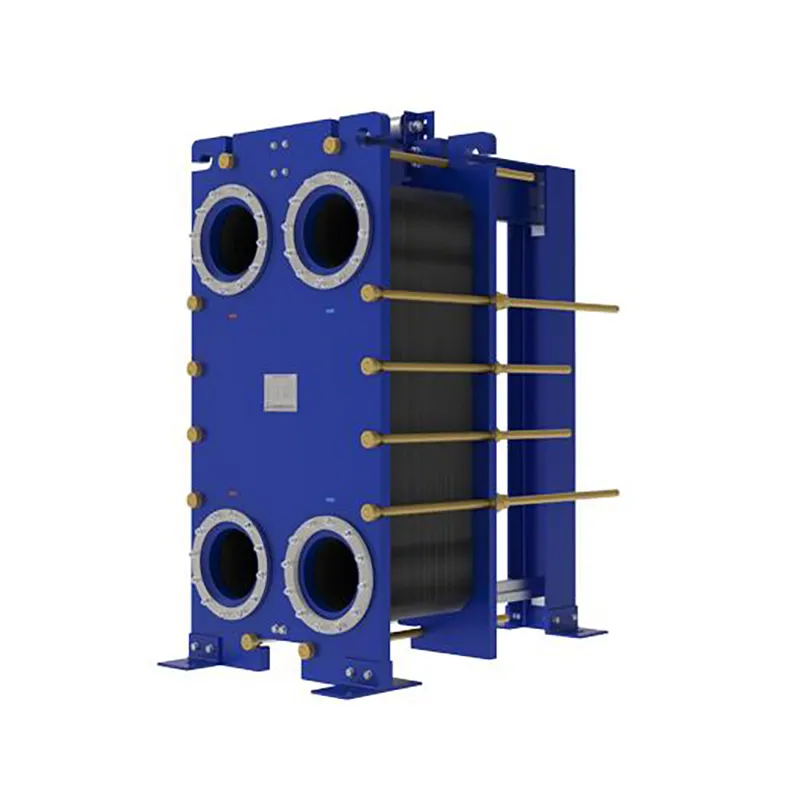
If you're looking at integrating pillow plates into a larger system, you might also want to explore related products like custom engineered pillow plates or even gasketed plate heat exchangers for comparison. Each technology has its own set of advantages, and the right choice depends on your specific operational needs.
Material Selection and Quality Considerations
The durability of a laser welded pillow plate is heavily dependent on the base material. Stainless steel grades like 304 and 316L are the most common due to their excellent corrosion resistance and weldability. For more demanding applications, materials like titanium, nickel alloys, and even copper are used. The choice of material affects not only the lifespan of the plate but also its thermal conductivity. Copper, for example, has much higher thermal conductivity than stainless steel, but it's also softer and more expensive.
Quality control is another critical factor. Reputable manufacturers will perform pressure tests, dye penetrant inspections, and sometimes even helium leak tests on the finished plates to ensure there are no microscopic defects. When sourcing pillow plates, always ask about the manufacturer's quality assurance processes and whether they can provide documentation of the material certifications.
Installation and Maintenance Best Practices
Proper installation is key to getting the most out of your pillow plates. Whether you're installing them inside a tank or as an external heat transfer panel, it's essential to ensure that the plates are properly supported and that the connections are secure. The plates should be oriented to allow for natural drainage of the process fluid and to avoid air pockets that could reduce heat transfer efficiency.
Maintenance is relatively straightforward. Because there are no gaskets to replace, the primary maintenance task is cleaning the surface. For most applications, a simple CIP (clean-in-place) cycle with an appropriate cleaning solution is sufficient. It's also a good idea to periodically check the inlet and outlet connections for any signs of wear or leakage. With proper care, a laser welded pillow plate can last for decades, even in demanding service.
Comparing Laser Welded Pillow Plates to Other Heat Exchangers
It's always worth comparing technologies before making a decision. Traditional shell and tube heat exchangers are robust and widely used, but they are also bulky and less efficient in terms of heat transfer per unit volume. Gasketed plate heat exchangers offer excellent efficiency and are easy to clean, but the gaskets can fail over time and limit the operating pressure and temperature.
Laser welded pillow plates sit in a sweet spot. They offer the high efficiency of a plate heat exchanger without the gasket issues, and they are much more compact than shell and tube designs. They also offer greater design flexibility, as they can be custom-shaped to fit into existing equipment. For processes that require high purity, such as in the pharmaceutical industry, the fully welded construction eliminates the risk of cross-contamination between the process fluid and the utility fluid.
If you're working with particularly viscous fluids or fluids containing solids, you might also look into wide gap welded plate heat exchangers, which are designed to handle such challenging media. Alternatively, for ultra-high-pressure applications, a printed circuit heat exchanger might be more appropriate, though these are typically more expensive and have longer lead times.
Making the Right Choice for Your Operation
Ultimately, the decision to use laser welded pillow plates comes down to your specific operational requirements. If you need a durable, efficient, and hygienic heat transfer solution that can be tailored to your exact specifications, they are an excellent option. They are particularly well-suited for applications where downtime is costly, as their robust construction means fewer failures and less frequent maintenance.
Before making a purchase, take the time to consult with an experienced engineer or manufacturer. Discuss your process parameters, your budget, and your long-term maintenance plans. A reputable supplier will be able to guide you toward the best solution, whether that's a standard design or a fully custom-engineered plate. You can also explore other related products like TP welded plate heat exchangers or HT Bloc welded plate heat exchangers to see if a different style might be a better fit for your facility.
In summary, laser welded pillow plates represent a mature and reliable technology that has proven its worth across many industries. Their combination of strength, efficiency, and adaptability makes them a smart investment for any operation looking to improve its heat transfer capabilities. By understanding the manufacturing process, the material options, and the potential applications, you'll be well-equipped to make an informed decision that benefits your bottom line for years to come.

 English EN