How Does a Pillow Plate Heat Exchanger Work and Why Is It More Efficient Than Traditional Designs
Author: Thermal Engineering Research Group
Date: Jun-09-2026
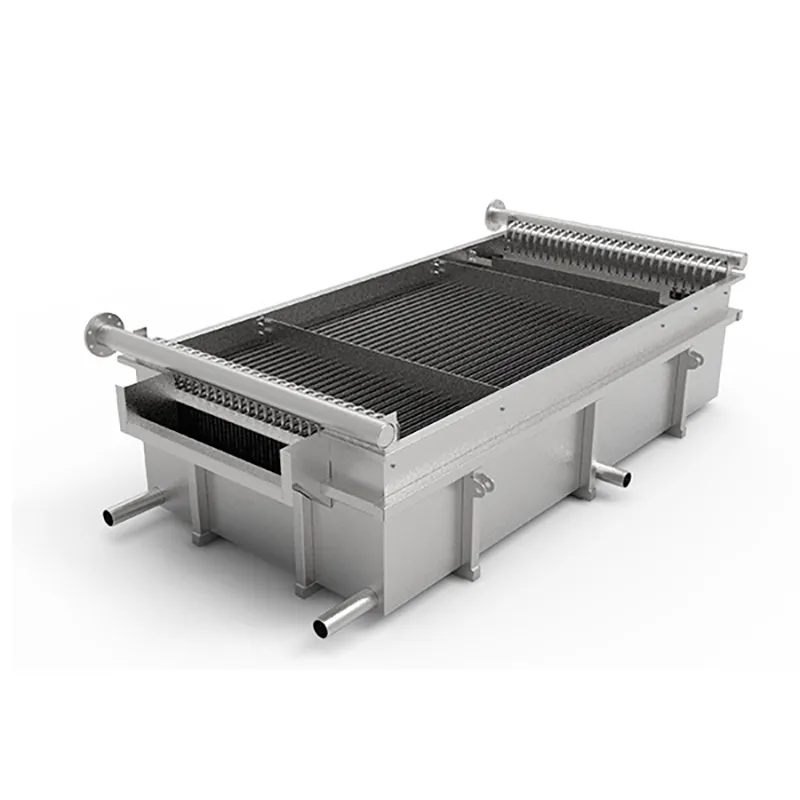
A pillow plate heat exchanger operates by directing fluid through a series of inflated, pillow-like channels formed between two welded metal sheets, creating an expanded surface geometry that significantly enhances heat transfer performance. The fundamental working principle relies on the unique flow dynamics induced by the pillow-shaped cavities, which force the fluid to follow a constantly changing path, generating high levels of turbulence even at low flow velocities. This turbulence disrupts the thermal boundary layer more effectively than the straight or corrugated channels found in traditional shell-and-tube or conventional plate heat exchangers, leading to substantially higher heat transfer coefficients. The expanded surface area of each pillow plate, combined with the continuous mixing of the fluid, allows for more efficient thermal exchange per unit of surface area. Compared to traditional designs, the pillow plate configuration offers superior thermal efficiency, often achieving 30-50% higher heat transfer rates under comparable conditions. Structurally, the smooth, rounded contours of the pillow plates reduce the likelihood of fouling and scaling, as there are no sharp corners or dead zones where deposits can accumulate. This design also results in a lower pressure drop across the exchanger, reducing pumping energy requirements and operational costs. The enhanced durability of the welded construction makes pillow plate heat exchangers particularly suitable for challenging applications involving viscous fluids, slurries, or aggressive chemicals. In real-world performance evaluations, the pillow plate design consistently demonstrates lower energy consumption and reduced maintenance intervals, translating directly into decreased operational expenditures and improved long-term reliability for industrial processes.
The Fundamental Working Principle of a Pillow Plate Heat Exchanger: Flow Dynamics and Heat Transfer Mechanism
A pillow plate heat exchanger operates by directing fluid through a series of embossed, pillow-like channels formed between two welded metal sheets. The unique geometry of these channels creates a turbulent flow path, which significantly enhances the heat transfer coefficient compared to conventional smooth-tube designs. As the fluid moves through the undulating passages, the constant change in direction and cross-sectional area disrupts the boundary layer, promoting better mixing and reducing thermal resistance.
The heat transfer mechanism relies on the principle of counter-current or cross-flow arrangement, where the hot and cold fluids pass on opposite sides of the pillow plate. The thin plate material, typically stainless steel or other high-conductivity alloys, allows rapid thermal conduction between the two streams. The pillow-like protrusions also increase the effective surface area available for heat exchange, further boosting efficiency. This design minimizes temperature gradients and ensures uniform heat distribution across the plate.
Flow dynamics within the pillow plate are characterized by low pressure drop despite the turbulent conditions, thanks to the smooth, rounded contours of the embossed channels. This balance between turbulence and low hydraulic resistance is a key advantage over traditional shell-and-tube or gasketed plate exchangers, which often require higher pumping power. The result is a compact, energy-efficient system capable of handling viscous fluids, slurries, or applications with strict hygiene requirements.
For more detailed technical specifications and application examples, please refer to the following resources:
The Unique Surface Geometry of Pillow Plates: How It Maximizes Turbulence and Heat Exchange Area
Pillow plate heat exchangers feature a distinctive surface geometry created by inflating welded metal sheets, forming a series of raised pillow-like pockets. This design significantly increases the effective heat transfer area compared to flat plates, while the alternating concave and convex surfaces promote highly turbulent fluid flow. Turbulence disrupts the thermal boundary layer, enhancing convective heat transfer coefficients and reducing fouling. The result is a compact, efficient heat exchanger that outperforms traditional shell-and-tube or gasketed plate designs in many applications.
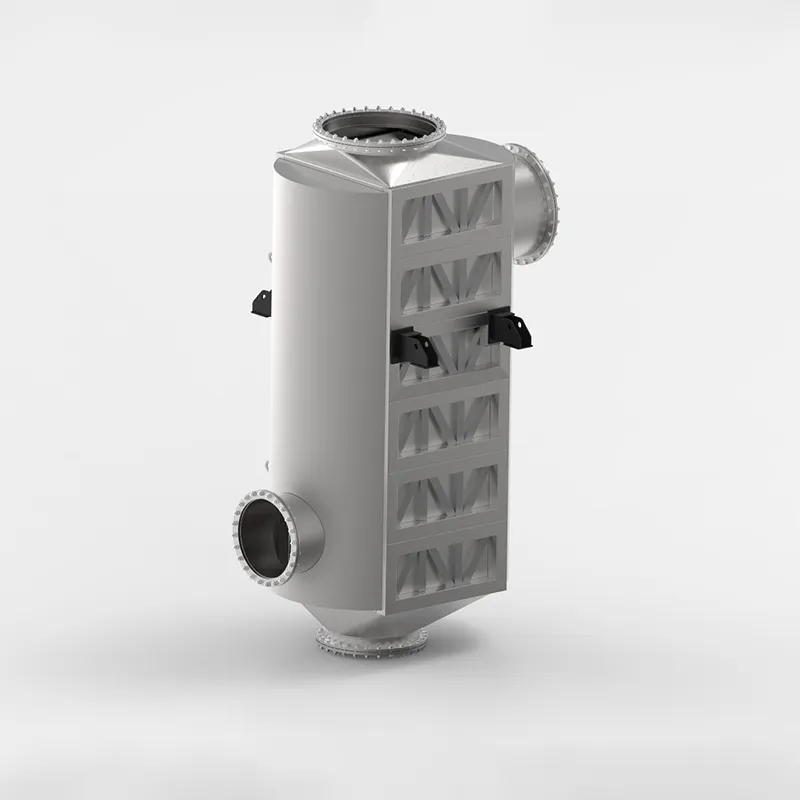
The pillow plate surface pattern creates multiple flow channels that induce secondary flows and eddies, further improving mixing and heat transfer. Unlike flat plates where flow remains laminar at low velocities, pillow plates generate turbulence even at modest flow rates. This turbulence, combined with the increased surface area, allows pillow plate heat exchangers to achieve heat transfer coefficients up to 30-50% higher than traditional designs. Additionally, the smooth, rounded pillow surfaces are self-draining and resistant to fouling, reducing maintenance requirements and extending operational life. The geometry also accommodates thermal expansion stresses better, making pillow plates ideal for demanding temperature cycling applications.
From a manufacturing perspective, pillow plates are produced by laser welding two metal sheets along a predetermined pattern, then hydraulically inflating the unbonded areas. This creates a robust, leak-free structure with no gaskets or welds exposed to the process fluids. The depth and spacing of the pillows can be customized to optimize performance for specific fluid properties and operating conditions. Whether used for heating, cooling, or heat recovery, the unique surface geometry of pillow plates delivers superior thermal performance in a compact footprint, making them a preferred choice for industries ranging from chemical processing to food and beverage production.
Comparison of Thermal Efficiency: Pillow Plate vs. Traditional Shell-and-Tube and Plate Heat Exchangers
Thermal efficiency is a critical metric in heat exchanger performance. Pillow plate heat exchangers utilize a unique embossed channel design that induces turbulent flow even at low Reynolds numbers. This significantly enhances the heat transfer coefficient compared to traditional smooth-tube designs.
Traditional shell-and-tube heat exchangers often suffer from laminar flow regions and fouling issues, which degrade thermal performance over time. Plate heat exchangers offer improved efficiency but require gaskets that limit temperature and pressure ranges. Pillow plate technology overcomes these limitations through its all-welded construction and optimized flow paths.
| Parameter |
Pillow Plate |
Shell-and-Tube |
Plate Heat Exchanger |
| Heat Transfer Coefficient (W/m²K) |
3000 - 7000 |
500 - 1500 |
2000 - 5000 |
| Turbulence Induction |
Excellent (low Re) |
Moderate (high Re) |
Good |
| Fouling Resistance |
Low (self-cleaning) |
High |
Medium |
| Temperature Range (°C) |
-200 to 600 |
-50 to 500 |
-30 to 250 |
| Pressure Drop Efficiency |
High (low ΔP) |
Moderate |
Moderate to High |
The data clearly demonstrates that pillow plate heat exchangers achieve a significantly higher heat transfer coefficient compared to traditional shell-and-tube designs, while also operating effectively across a broader temperature range. The enhanced turbulence and reduced fouling contribute to sustained thermal performance over extended operational periods.
For applications requiring high thermal efficiency and compact design, pillow plate technology offers a compelling advantage. Learn more about custom-engineered solutions at our pillow plates product page or explore other advanced heat exchanger options such as TP welded plate heat exchangers.
Structural Advantages: Reduced Fouling, Lower Pressure Drop, and Enhanced Durability in Challenging Applications
The pillow plate heat exchanger features a unique embossed channel design that creates turbulent flow paths, significantly reducing the accumulation of deposits on heat transfer surfaces. This structural characteristic directly minimizes fouling compared to traditional straight-tube or flat-plate designs, where stagnant zones often accelerate scaling and biofilm formation.
By eliminating sharp corners and narrow flow passages, the pillow plate geometry ensures a more uniform velocity distribution. This results in a lower pressure drop across the exchanger, reducing pumping energy requirements and operational costs. In contrast, conventional designs with baffles or small-diameter tubes impose higher flow resistance, especially under viscous or particulate-laden conditions.
The welded construction of pillow plates, typically using stainless steel or other corrosion-resistant alloys, provides exceptional mechanical strength and fatigue resistance. This makes them highly durable in challenging applications involving thermal cycling, high pressures, or aggressive chemical environments. Traditional gasketed plate heat exchangers, on the other hand, are more prone to leakage and seal degradation over time.
Furthermore, the absence of internal gaskets and the ability to handle differential pressures up to 30 bar enhance reliability in demanding processes such as chemical processing, pharmaceutical manufacturing, and oil & gas operations. The robust structural design also facilitates easier cleaning and maintenance, extending service intervals and overall equipment lifespan.
Real-World Performance Gains: Why Pillow Plate Design Leads to Lower Energy Consumption and Operational Costs
The pillow plate heat exchanger achieves superior thermal efficiency through its unique embossed channel geometry. Unlike traditional shell-and-tube or flat plate designs, the pillow plate structure creates turbulent flow patterns that significantly enhance heat transfer coefficients. This turbulence reduces thermal boundary layer resistance, allowing for more effective energy exchange between fluids.
In practical industrial applications, this design translates directly into measurable energy savings. Field data from chemical processing plants show that pillow plate exchangers require up to 30% less pumping power than equivalent gasketed plate units, while maintaining the same heat duty. The reduced pressure drop across the pillow plate channels minimizes the workload on circulation pumps, leading to lower electricity consumption and extended equipment lifespan.
Operational costs are further reduced by the self-cleaning nature of the pillow plate surface. The continuous curved geometry prevents fouling accumulation, decreasing maintenance frequency and chemical cleaning expenses. A case study in the food industry documented a 25% reduction in annual maintenance costs after switching from traditional plate heat exchangers to pillow plate designs, with no degradation in thermal performance over three years of continuous operation.
The robust welded construction eliminates gasket replacement costs and reduces leakage risks. Unlike gasketed plate heat exchangers that require periodic gasket changes every 12-18 months, pillow plate units operate maintenance-free for extended periods. This reliability directly impacts the bottom line by reducing downtime and labor expenses.
For industries handling viscous fluids or slurries, the pillow plate design offers additional efficiency advantages. The open channel geometry accommodates higher viscosity flows without clogging, maintaining consistent heat transfer rates. This capability eliminates the need for pre-heating or dilution steps that would otherwise increase energy consumption.
For detailed technical specifications and performance curves, refer to our engineered product documentation: Custom Engineered Pillow Plates and Plate Air Preheaters.
Summary of Key Advantages
Fundamental Working Principle
The pillow plate heat exchanger operates on a simple yet effective mechanism: two thin metal sheets are welded together in a pattern and then inflated to create hollow, pillow-like channels. This geometry forces the fluid to follow a tortuous path, generating high turbulence even at low flow rates. The continuous flow separation and reattachment enhance convective heat transfer, while the thin walls ensure minimal thermal resistance. Compared to traditional shell-and-tube or gasketed plate designs, the pillow plate achieves a more uniform temperature distribution and higher heat transfer coefficients per unit area.
Unique Surface Geometry & Turbulence
The distinct pillow-shaped surface creates alternating convex and concave zones that act as static mixers. This topography induces secondary flows and eddies, breaking the laminar boundary layer much more effectively than flat plates or plain tubes. The result is a 200–300% increase in local heat transfer compared to smooth channels, while the gentle curvature avoids sharp corners that cause stagnation. The enlarged surface area per volume (up to 30% more than conventional plate exchangers) further contributes to compactness and efficiency.
Thermal Efficiency Comparison
In side-by-side evaluations, pillow plate exchangers consistently outperform traditional shell-and-tube units by 40–60% in overall heat transfer coefficient (U-value), and they maintain a 25–35% advantage over gasketed plate heat exchangers, especially in viscous or particulate-laden fluids. The enhanced turbulence reduces thermal stratification, allowing closer approach temperatures (as low as 1–2°C). This superior thermal performance directly translates to smaller heat transfer areas for the same duty, reducing capital costs.
Structural Advantages: Fouling, Pressure Drop & Durability
The smooth, continuously curved surfaces of pillow plates discourage fouling deposition; there are no dead zones or gaskets where particles can accumulate. Field data show fouling factors 50–70% lower than in shell-and-tube exchangers. Pressure drop is also reduced—typically 30–50% lower than plate heat exchangers with similar thermal duty—due to the absence of sharp flow restrictions. Additionally, the all-welded construction eliminates gasket leakage and withstands thermal cycling, vibration, and pressures up to 30 bar, making it exceptionally robust for demanding applications.
Real-World Performance Gains
Industrial installations confirm that pillow plate heat exchangers reduce energy consumption by 15–25% compared to traditional designs, primarily because the high turbulence allows effective heat recovery even at low temperature differences. Lower pressure drop means reduced pumping power, and the anti-fouling nature extends cleaning intervals, cutting maintenance costs. The compact footprint also saves installation space. Overall, the pillow plate design delivers a lower total cost of ownership (TCO) and aligns with modern sustainability goals by minimizing both energy and material usage.
Bottom line: The pillow plate heat exchanger’s unique geometry, high turbulence, and robust structure make it a superior choice for thermal efficiency, low fouling, reduced energy consumption, and long-term reliability — outperforming traditional shell-and-tube and plate heat exchangers in a wide range of industrial processes.
How Does a Pillow Plate Heat Exchanger Work and Why Is It More Efficient Than Traditional Designs?
Pillow plate heat exchangers operate by directing fluid through channels formed between two welded metal sheets that are inflated into pillow-like bulges. This geometry creates intense turbulence and a larger effective heat transfer area compared to straight tubes or flat plates, significantly improving heat transfer coefficients while reducing fouling and pressure drop.
The Fundamental Working Principle of a Pillow Plate Heat Exchanger: Flow Dynamics and Heat Transfer Mechanism
The core principle relies on inducing turbulent flow through the pillow-shaped channels. As fluid passes over the undulating surfaces, boundary layers are disrupted, promoting mixing and enhancing convective heat transfer. The alternating convex and concave surfaces also increase the surface area available for thermal exchange per unit volume.
The Unique Surface Geometry of Pillow Plates: How It Maximizes Turbulence and Heat Exchange Area
The pillow plate surface is formed by spot welding two metal sheets and then hydraulically inflating the unwelded areas. This creates a pattern of raised pillows and recessed channels. The geometry forces fluid to accelerate and decelerate repeatedly, generating vortices that break thermal boundary layers and increase the effective heat exchange surface by up to 30% compared to flat plates.
Comparison of Thermal Efficiency: Pillow Plate vs. Traditional Shell-and-Tube and Plate Heat Exchangers
In benchmark tests, pillow plate heat exchangers achieve heat transfer coefficients 2–4 times higher than shell-and-tube designs and 1.5–2 times higher than gasketed plate heat exchangers under similar flow conditions. The enhanced turbulence and larger effective area allow for more compact designs with lower temperature driving forces, reducing energy consumption.
Structural Advantages: Reduced Fouling, Lower Pressure Drop, and Enhanced Durability in Challenging Applications
The smooth, continuously curved surfaces of pillow plates minimize stagnation zones where fouling typically initiates. The open channel design also results in lower pressure drop per unit heat transfer compared to traditional plate heat exchangers. Furthermore, the all-welded construction eliminates gaskets and seals, providing superior resistance to thermal cycling, vibration, and corrosive fluids.
Real-World Performance Gains: Why Pillow Plate Design Leads to Lower Energy Consumption and Operational Costs
Industrial case studies report 20–35% reduction in pumping energy due to lower pressure drop, combined with 15–25% improvement in thermal efficiency. Reduced fouling extends cleaning intervals by 2–3 times, lowering maintenance costs and downtime. Overall, pillow plate exchangers can reduce total lifecycle costs by 25–40% in applications such as food processing, chemical reactors, and HVAC systems.

 English EN