English EN


What Are The Different Types of Plate Heat Exchangers
Plate Heat Exchangers include gasketed, brazed, welded, semi-welded, shell and plate, and specialty types for varied industrial uses.
More
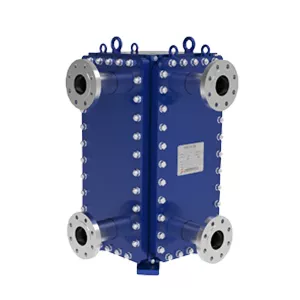
When you walk up to a plate heat exchanger on the job, the first thing to look for is any visible leakage around the plate pack. Even a small drip can indicate a compromised gasket or a pinhole in the plate. Use a flashlight to inspect the tie bolts and frame edges — if you see rust trails or mineral deposits, that is a clear sign that fluid has been escaping. In my years of working with these units, catching a weep early has saved entire production runs from unplanned shutdowns.
Next, check the pressure differential across the exchanger. A sudden increase in pressure drop often points to fouling or scaling inside the channels. For example, in a typical gasketed plate heat exchanger handling cooling water, a 15% rise in pressure drop over a month usually means it is time for a chemical clean. Keep a log of your readings — trending this data helps you schedule maintenance before performance drops below 90% of the design spec.
Do not forget to examine the plates themselves. If you have access during a shutdown, pull a few plates from the middle of the pack. Look for distortion, pitting, or cracking near the port openings. Plates made from 316 stainless steel can develop stress corrosion cracking if the chloride levels in the fluid exceed 200 ppm. If you spot any damage, replace those plates immediately to prevent cross-contamination between the hot and cold sides.
Gasket condition is another critical area. Over time, gaskets harden and lose their elasticity, especially in high-temperature applications above 120°C. Press your thumb into the gasket material — if it feels stiff or shows cracks, it is time for a replacement. Always use OEM-specified gaskets to ensure proper compression and sealing. A loose gasket not only leaks but can also cause the plates to shift under pressure, leading to mechanical damage.
For welded plate heat exchangers, like the TP welded plate heat exchanger, inspection focuses on the weld seams. Use dye penetrant testing on a sample of welds every 12 months. Any hairline crack in the weld zone can grow quickly under thermal cycling. I have seen a small crack in a weld double in length after just 200 thermal cycles between 20°C and 180°C. Catching it early with a simple inspection can avoid a full bundle replacement.
Finally, always verify the torque on the tightening bolts. Over time, vibration and thermal expansion can loosen the frame. Use a calibrated torque wrench and follow the manufacturer's tightening sequence. Under-torquing leads to leaks, while over-torquing can crush the gaskets or warp the plates. A good rule of thumb is to check bolt torque every six months and after any major temperature swing of more than 50°C.
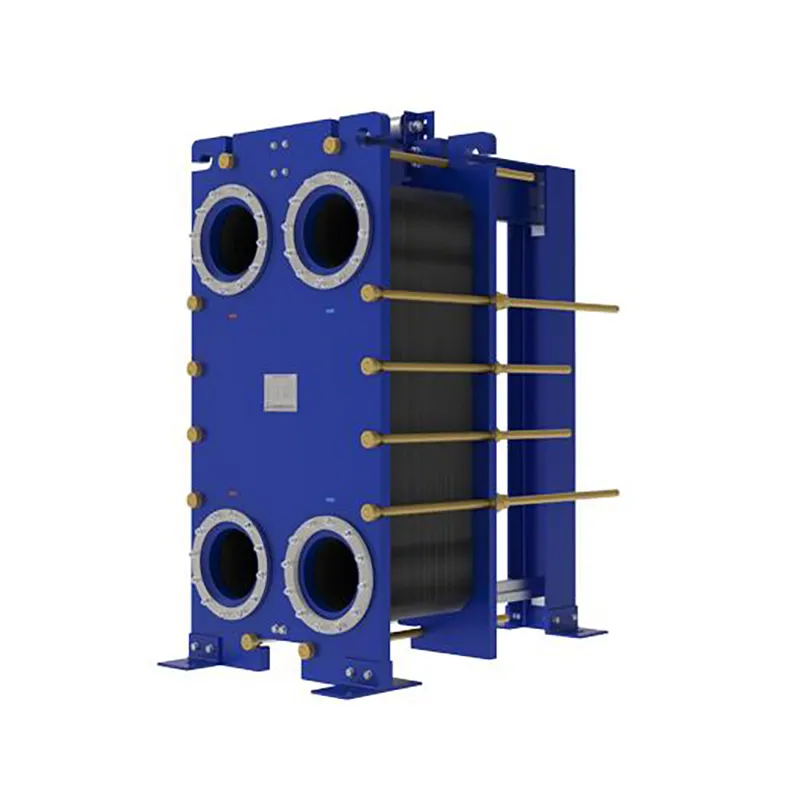
Temperature measurements across the inlet and outlet ports tell you a lot about internal health. If the temperature approach — the difference between the hot outlet and cold inlet — increases by more than 3°C from the baseline, you likely have fouling or flow maldistribution. In one case with a gasketed plate heat exchanger, a 4°C rise in approach temperature led us to find a blocked channel caused by debris. After cleaning, the unit returned to its original performance within hours.
Do not overlook the vent and drain ports. During startup, air trapped inside the exchanger can cause localized overheating and reduce heat transfer. Open the vent valve slowly until a steady stream of fluid comes out — no bubbles. Also, drain a small sample from the bottom port during operation. If you see sludge or particles, your strainer or filter may be failing. Installing a 60-mesh strainer on the inlet line is a low-cost way to protect the plates from large debris.
For units in food or pharmaceutical service, pay extra attention to surface finish. Any roughness or pitting on the plate surface can harbor bacteria. Use a borescope to inspect the channels if the plates are not easily removable. A surface roughness above 0.8 µm Ra is a red flag — it means the passive layer on the stainless steel has been compromised. In such cases, passivation treatment or plate replacement is necessary to meet hygiene standards.
Lastly, keep a detailed inspection record. Note the date, pressure drop, temperatures, torque values, and any visual findings. This history becomes invaluable for predicting future maintenance needs. A well-documented log helps you spot trends — like a gradual increase in pressure drop every six months — and plan cleaning or part replacement during scheduled outages rather than in the middle of a production run.
We provide you with comprehensive foreign trade solutions to help enterprises achieve global development
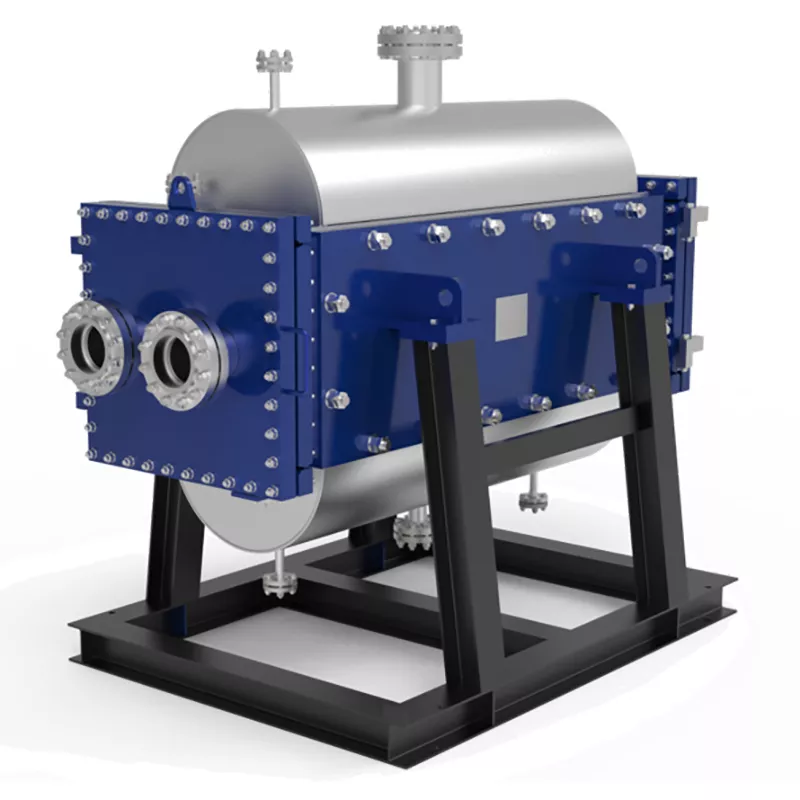
Industrial processes involving particle-laden slurries, high-viscosity syrups, or fiber-rich pulp demand more than standard equipment—they require target-engineered thermal management. At SHPHE, we configure the TP Welded Plate Heat Exchanger to directly conquer your plant's severe fouling, blockage, and erosion threats. Combining custom-tailored channel geometries, wear-resistant metallurgy, and integrated CIP (Cleaning-in-Place) systems, we deliver absolute production continuity where conventional heat exchangers fail.
Custom-Engineered for Severe Process Demands. At SHPHE, we don't just supply equipment; we design tailored thermal solutions. Our HT-Bloc welded plate heat exchangers are custom-configured by our experienced engineers to overcome your specific industry challenges—whether handling high-viscosity media, extreme temperatures, or strict space constraints.
Since the invention of the plate heat exchanger (PHE) in 1923, thermal technology has evolved from standard food-grade processing to highly complex industrial operations. At SHPHE, we take this classic, versatile design and transform it into highly bespoke heat transfer solutions tailored to your unique process fluids and thermal loads. While traditional gasketed PHEs offer high efficiency and compact footprints, SHPHE optimizes plate corrugations, metallurgy, and sealing systems to handle your specific chemical, HVAC, or energy recovery parameters. Our custom-engineered gasketed plate heat exchangers provide outstanding scalability and ease of maintenance, serving as an indispensable asset for heavy industries—including oil and gas, metallurgy, and food processing—where uptime, energy recovery, and long-term sustainability are top priorities.
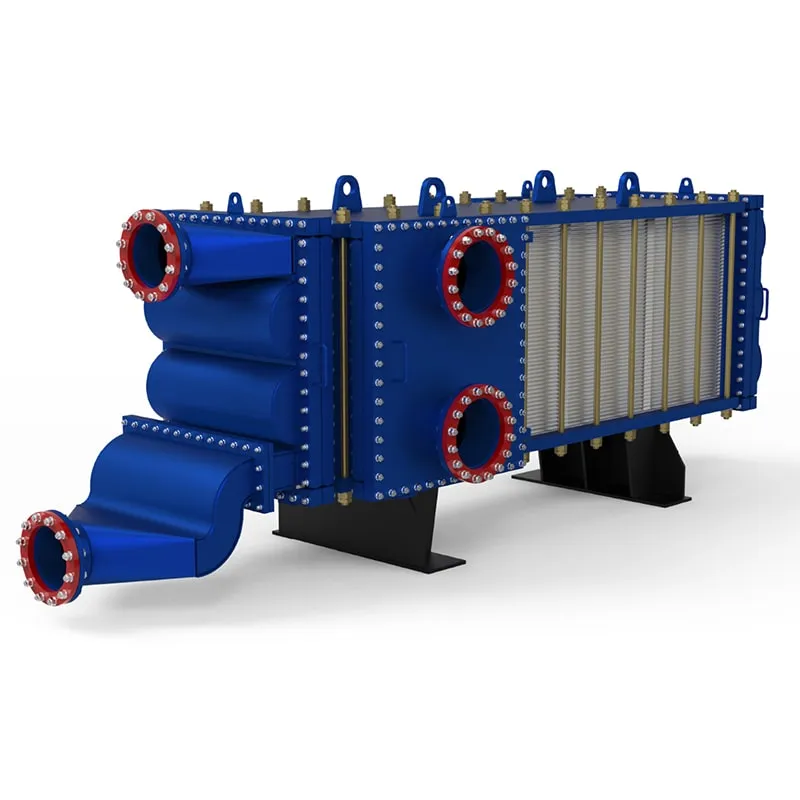
Custom-Engineered Anti-Clogging Solutions for High-Viscosity Slurries:
Deployed specifically to conquer severe industrial fouling, SHPHE wide gap welded plate heat exchangers are tailor-built to handle complex media containing dense fibers, coarse crystals, or solid suspensions without clogging. Each non-obstructed channel is calculated and formed by laser-welded plate packs matching your fluid’s exact rheology and grain size, completely eliminating structural "dead zones" and media stagnation. Available in highly compact vertical and versatile horizontal configurations, our vertical engineering drastically reduces plant footprints while maintaining unhindered product throughput, minimal pressure drops, and flawless continuous operations across harsh process loops.