English EN


What Are The Different Types of Plate Heat Exchangers
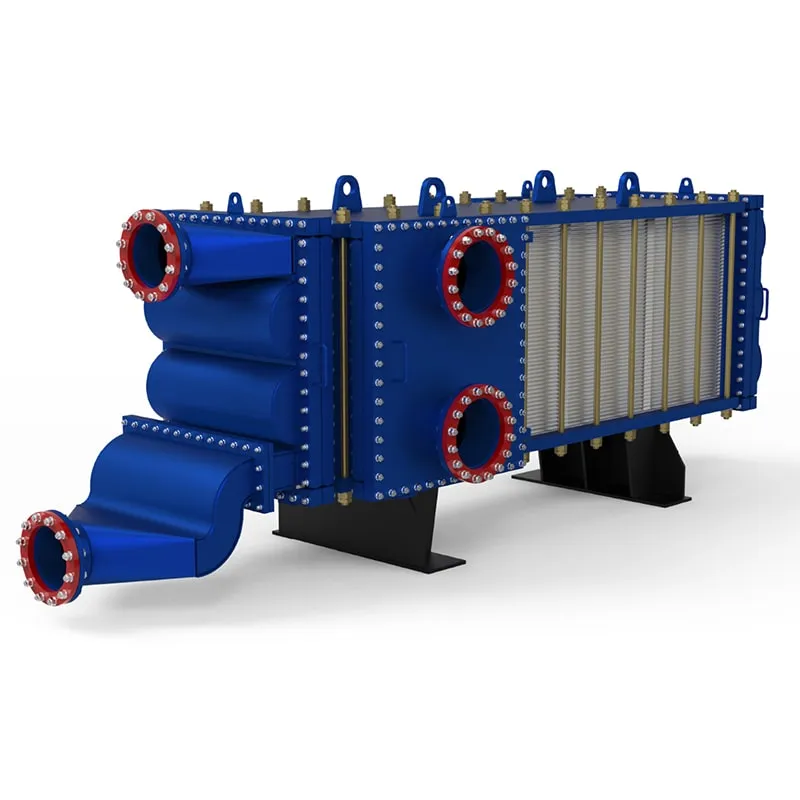
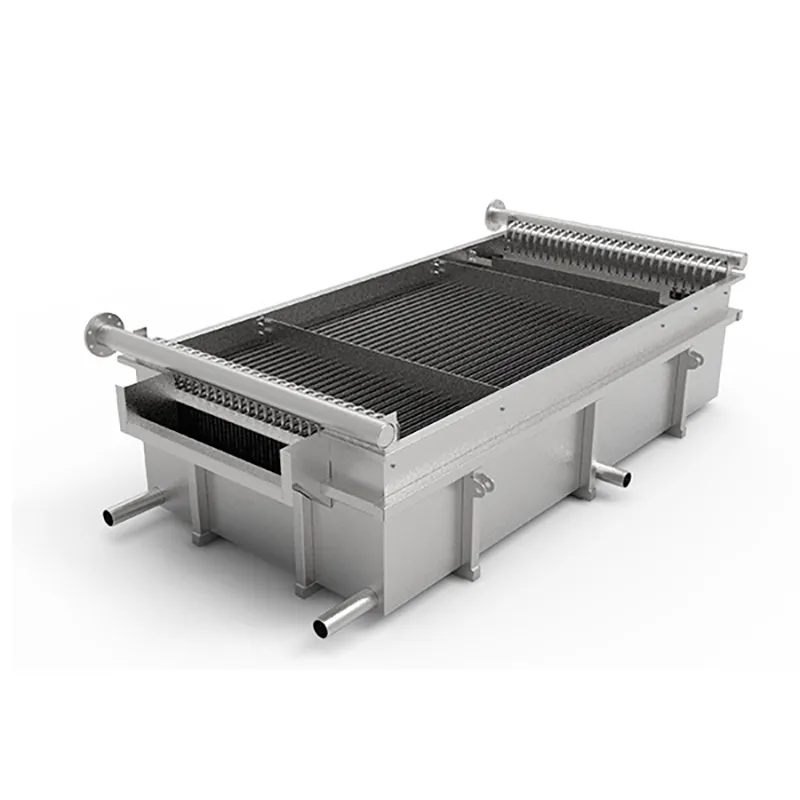
Plate Heat Exchangers include gasketed, brazed, welded, semi-welded, shell and plate, and specialty types for varied industrial uses.
More
Plate heat exchangers rely heavily on gaskets to maintain leak-free operation and efficient heat transfer. This guide walks you through the most common gasket types—from NBR and EPDM to Viton and PTFE—explaining their material properties, temperature ranges, chemical resistance, and typical applications. Whether you are maintaining an existing system or selecting gaskets for a new installation, understanding these differences helps you make informed, cost-effective decisions.
Gaskets are the sealing backbone of any gasketed plate heat exchanger. They prevent fluid crossover and external leakage while withstanding thermal and mechanical stress. Choosing the wrong material can lead to premature failure, downtime, and costly repairs. Real-world data shows that over 70% of heat exchanger maintenance issues trace back to gasket degradation or incompatibility. That is why it pays to match the gasket to your specific process conditions.
NBR is the most widely used gasket material for plate heat exchangers. It offers excellent resistance to oils, greases, and mineral-based fluids. Its temperature range typically spans from -20°C to +120°C, with short-term peaks up to 130°C. NBR performs well in water, seawater, and diluted acid applications. However, it is not suitable for strong oxidizing agents or ozone-rich environments. Many standard HVAC and industrial cooling systems rely on NBR gaskets due to their balance of performance and cost.
EPDM gaskets are the go-to choice for hot water, steam, and food-grade applications. They resist weathering, ozone, and many polar fluids. The working temperature range is broader than NBR, typically from -40°C to +150°C, with some compounds handling up to 170°C for short durations. EPDM is not compatible with oils or hydrocarbons, so it is best reserved for water-based systems. In the dairy and beverage industries, EPDM gaskets are common because they meet FDA and 3-A sanitary standards.
Viton, a fluoroelastomer, is prized for its high-temperature stability and chemical resistance. It handles continuous service up to 200°C and can endure brief spikes to 230°C. Viton gaskets resist aggressive chemicals like concentrated acids, aromatic hydrocarbons, and fuels. They are more expensive than NBR or EPDM, but in harsh environments, the longer service life often justifies the investment. Chemical processing and petrochemical plants frequently specify Viton for critical sealing points.
PTFE gaskets offer near-universal chemical resistance and a temperature range from -200°C to +260°C. They are non-stick and have low friction, which helps in applications where fouling or sticking is a concern. However, PTFE lacks the elasticity of rubber gaskets, so it is often used in envelope or encapsulated designs. These gaskets are common in pharmaceutical, semiconductor, and highly corrosive environments where no other material can survive.
Beyond material, the way a gasket attaches to the plate affects installation ease and reliability. The three main styles are clip-on, glue-on, and snap-in. Clip-on gaskets are the most popular for new plates because they lock into grooves without adhesive, simplifying replacement. Glue-on gaskets are used for older plate designs or when the groove geometry requires extra security. Snap-in gaskets are a hybrid, offering tool-free installation while staying firmly in place. Always check the plate manufacturer's recommendation before switching styles.
Start by identifying the fluid type, operating temperature, and pressure range. For water-based systems below 120°C, NBR is usually sufficient. For hot water or steam above 120°C, switch to EPDM. If your process involves oils or aggressive chemicals, Viton or PTFE are safer bets. Also consider the plate material—stainless steel plates pair well with all gasket types, while titanium plates may require special attention to avoid galvanic issues. When in doubt, consult the heat exchanger's original specifications or reach out to a trusted supplier for guidance.
Watch for external leaks, fluid mixing between channels, or a drop in heat transfer efficiency. Hardening, cracking, or compression set are visible indicators that a gasket has reached the end of its life. In many plants, gaskets are replaced every 3 to 5 years as part of preventive maintenance, but aggressive chemicals or high temperatures can shorten that interval. Keeping a spare set of gaskets on hand reduces downtime during unplanned outages.
Clean the plate grooves thoroughly before installing new gaskets. Use a mild detergent and soft brush to remove old adhesive and debris. For glue-on gaskets, apply a thin, even layer of adhesive and allow it to become tacky before pressing the gasket into place. Clip-on gaskets should be seated evenly around the entire perimeter—never stretch them beyond their natural length. After assembly, tighten the heat exchanger bolts gradually in a cross-pattern to the torque specified by the manufacturer. Over-tightening can damage both gaskets and plates.
For more detailed product information on specific heat exchanger models and gasket options, you can explore resources like gasketed plate heat exchangers or wide gap welded plate heat exchangers to see how different designs accommodate various gasket types.
We provide you with comprehensive foreign trade solutions to help enterprises achieve global development
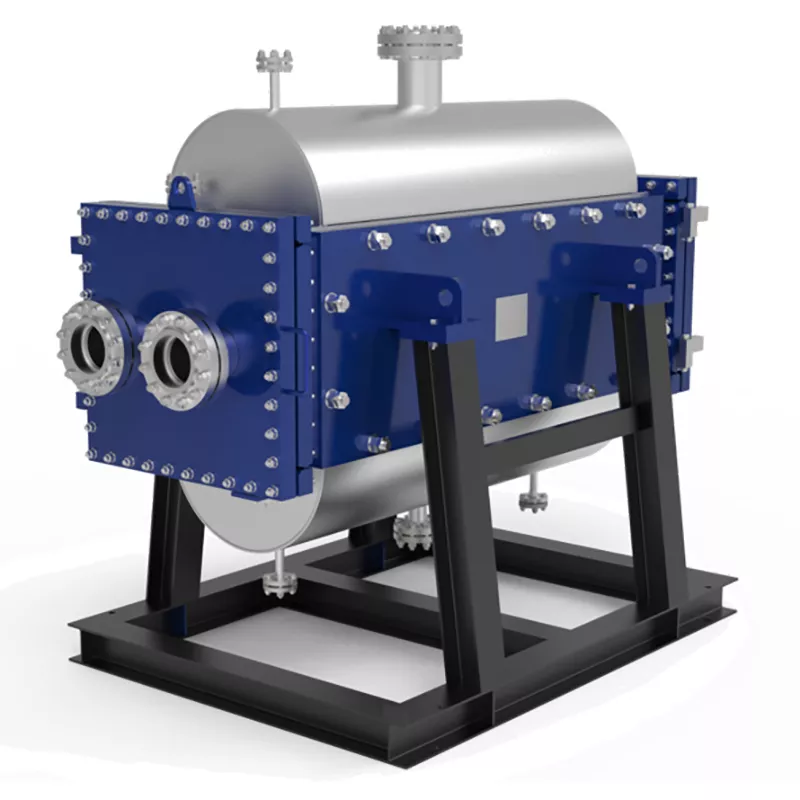
Industrial processes involving particle-laden slurries, high-viscosity syrups, or fiber-rich pulp demand more than standard equipment—they require target-engineered thermal management. At SHPHE, we configure the TP Welded Plate Heat Exchanger to directly conquer your plant's severe fouling, blockage, and erosion threats. Combining custom-tailored channel geometries, wear-resistant metallurgy, and integrated CIP (Cleaning-in-Place) systems, we deliver absolute production continuity where conventional heat exchangers fail.
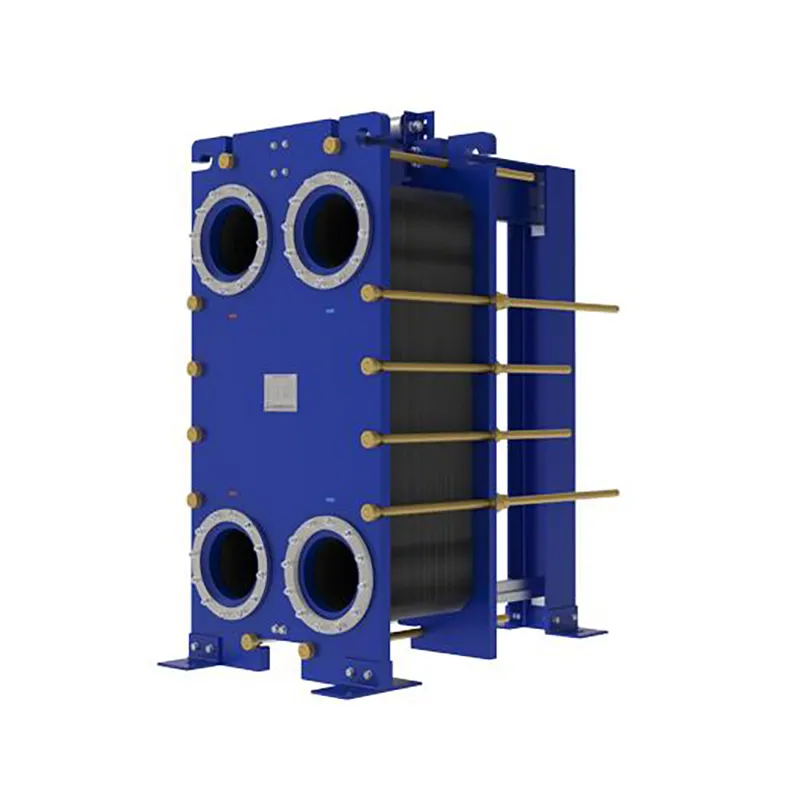
Since the invention of the plate heat exchanger (PHE) in 1923, thermal technology has evolved from standard food-grade processing to highly complex industrial operations. At SHPHE, we take this classic, versatile design and transform it into highly bespoke heat transfer solutions tailored to your unique process fluids and thermal loads. While traditional gasketed PHEs offer high efficiency and compact footprints, SHPHE optimizes plate corrugations, metallurgy, and sealing systems to handle your specific chemical, HVAC, or energy recovery parameters. Our custom-engineered gasketed plate heat exchangers provide outstanding scalability and ease of maintenance, serving as an indispensable asset for heavy industries—including oil and gas, metallurgy, and food processing—where uptime, energy recovery, and long-term sustainability are top priorities.
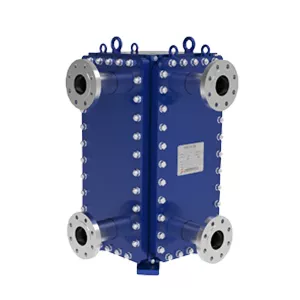
Custom-Engineered for Severe Process Demands. At SHPHE, we don't just supply equipment; we design tailored thermal solutions. Our HT-Bloc welded plate heat exchangers are custom-configured by our experienced engineers to overcome your specific industry challenges—whether handling high-viscosity media, extreme temperatures, or strict space constraints.
Custom-Engineered Anti-Clogging Solutions for High-Viscosity Slurries:
Deployed specifically to conquer severe industrial fouling, SHPHE wide gap welded plate heat exchangers are tailor-built to handle complex media containing dense fibers, coarse crystals, or solid suspensions without clogging. Each non-obstructed channel is calculated and formed by laser-welded plate packs matching your fluid’s exact rheology and grain size, completely eliminating structural "dead zones" and media stagnation. Available in highly compact vertical and versatile horizontal configurations, our vertical engineering drastically reduces plant footprints while maintaining unhindered product throughput, minimal pressure drops, and flawless continuous operations across harsh process loops.