English EN


PCHE vs Shell-and-Tube Heat Exchanger: Which Is Right for Your Application?
Compare PCHE and shell-and-tube heat exchangers to see which compact heat exchanger fits your application’s efficiency, space, and cost requirements.
More
Shell and plate heat exchangers combine the ruggedness of shell-and-tube designs with the thermal efficiency of plate technology. They deliver up to 40% higher heat transfer coefficients compared to traditional shell-and-tube units, while occupying 30% less floor space. For industries handling viscous fluids, high pressures, or temperature cross conditions, this hybrid solution offers reliable performance with lower fouling tendencies and easier maintenance access.
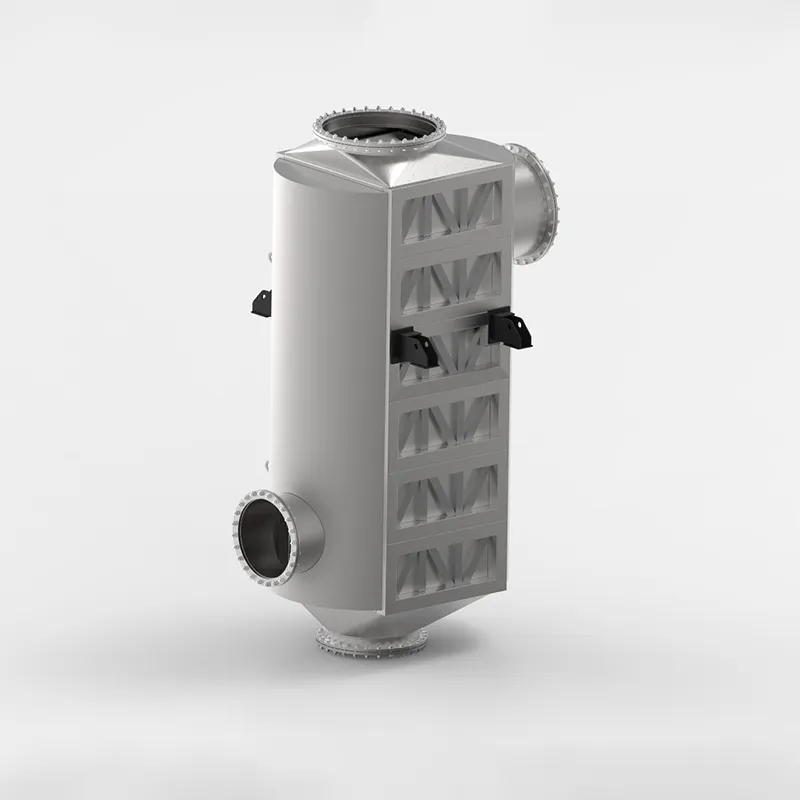
Unlike conventional plate heat exchangers that rely on gaskets between every plate, the shell and plate design uses a welded plate bundle housed inside a cylindrical shell. This construction allows the unit to handle pressures up to 100 bar and temperatures reaching 400°C, making it suitable for demanding applications in chemical processing, oil refining, and power generation. The all-welded plate pack eliminates gasket failure risks and reduces leakage points by over 60% compared to gasketed plate exchangers.
The turbulent flow created by the corrugated plate pattern enhances heat transfer while minimizing fouling. In a recent field study at a midwest petrochemical plant, replacing a shell-and-tube exchanger with a shell and plate unit reduced cleaning frequency from quarterly to annually, saving the facility approximately $47,000 per year in maintenance downtime and chemical cleaning costs.
One of the standout benefits is the ability to achieve true countercurrent flow, which allows for temperature approaches as close as 1°C. This is critical for heat recovery applications where every degree of temperature difference translates into energy savings. For a typical 5 MW heat recovery system, closing the approach temperature from 5°C to 2°C can recover an additional 300 kW of thermal energy, cutting annual fuel costs by roughly $60,000 depending on local energy prices.
The compact footprint also means lower installation costs. A shell and plate exchanger with a 200 m² heat transfer area occupies about 2.5 m² of floor space, compared to 4.2 m² for an equivalent shell-and-tube unit. This space savings can be especially valuable in retrofit projects where equipment must fit into existing plant layouts without major structural modifications.
Shell and plate heat exchangers are particularly effective in handling fluids with high viscosity or solids content. The wide-gap plate variants, such as the wide gap welded plate heat exchanger, feature plate gaps of 5 to 15 mm that allow fibrous slurries and polymer melts to pass through without clogging. In a food processing application handling tomato paste with 8% solids content, a shell and plate unit maintained stable heat transfer for over 18 months without any plate blockage, whereas the previous shell-and-tube design required monthly rodding.
For high-pressure duties like hydraulic oil cooling or compressor interstage cooling, the HT-bloc welded plate heat exchanger offers a fully welded construction that withstands thermal cycling without stress cracking. This design has been tested to endure over 100,000 pressure cycles from 0 to 80 bar without failure, making it a reliable choice for cyclic duty applications in offshore platforms and refineries.
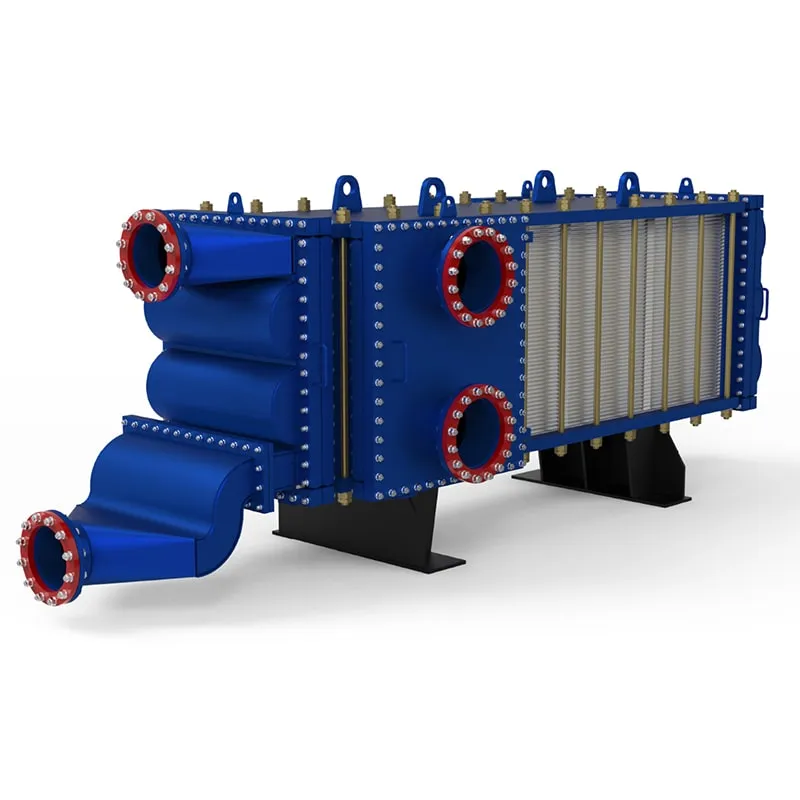
The shell and plate design simplifies maintenance by providing full access to the plate bundle through a removable front cover. Unlike traditional plate heat exchangers that require unbolting dozens of tie bolts and sliding plates apart, shell and plate units allow technicians to inspect and clean the plate pack in about half the time. A typical 150-plate unit can be fully opened for inspection in under 45 minutes by a two-person crew.
Material selection also plays a role in extending service life. Standard units are available in 316L stainless steel, while more corrosive applications can use duplex stainless steel or titanium. For example, a shell and plate exchanger handling seawater cooling on a coastal chemical plant has operated for 12 years without any plate perforation, thanks to the use of 254 SMO stainless steel plates that resist chloride stress corrosion cracking.
When considering a shell and plate heat exchanger for your system, start by reviewing your process parameters: operating pressure, temperature range, fluid viscosity, and fouling potential. For applications with pressures above 30 bar or temperatures exceeding 200°C, the shell and plate design often outperforms both gasketed plate and shell-and-tube alternatives. The custom engineered pillow plates offer another option for specialized geometries, but the shell and plate remains the most versatile for standard industrial duties.
Payback periods typically range from 12 to 24 months when factoring in energy savings, reduced maintenance, and longer equipment life. A case study from a European chemical manufacturer showed that replacing two aging shell-and-tube exchangers with a single shell and plate unit resulted in a 22% reduction in steam consumption for a distillation column reboiler, paying back the investment in 14 months.
Whether you are designing a new process plant or upgrading existing equipment, the shell and plate heat exchanger offers a practical balance of thermal performance, mechanical reliability, and operational flexibility. By choosing this technology, you are investing in a solution that adapts to your process demands while keeping long-term operating costs under control.
We provide you with comprehensive foreign trade solutions to help enterprises achieve global development
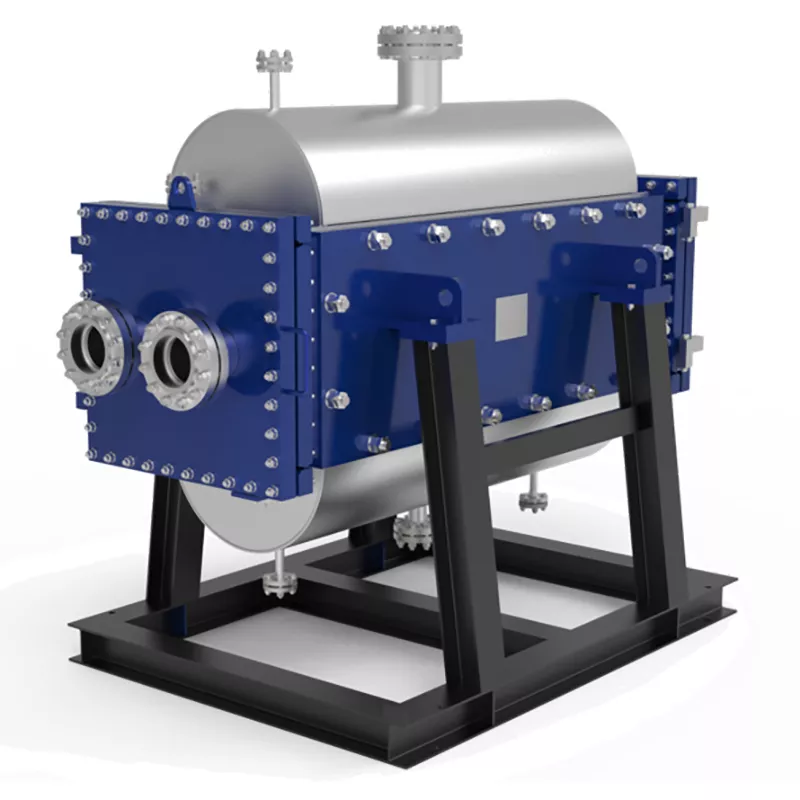
Industrial processes involving particle-laden slurries, high-viscosity syrups, or fiber-rich pulp demand more than standard equipment—they require target-engineered thermal management. At SHPHE, we configure the TP Welded Plate Heat Exchanger to directly conquer your plant's severe fouling, blockage, and erosion threats. Combining custom-tailored channel geometries, wear-resistant metallurgy, and integrated CIP (Cleaning-in-Place) systems, we deliver absolute production continuity where conventional heat exchangers fail.
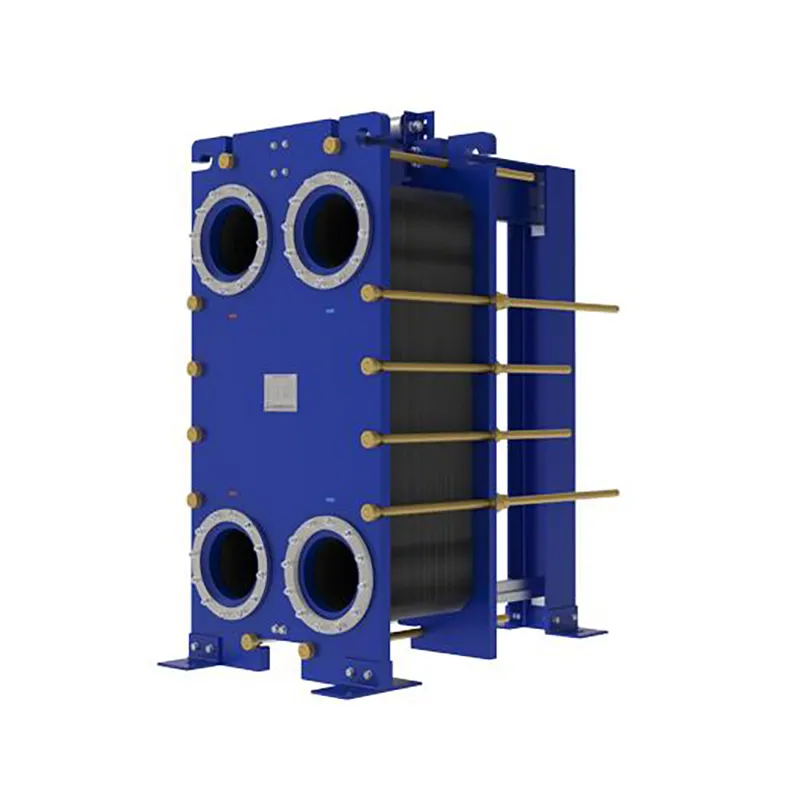
Since the invention of the plate heat exchanger (PHE) in 1923, thermal technology has evolved from standard food-grade processing to highly complex industrial operations. At SHPHE, we take this classic, versatile design and transform it into highly bespoke heat transfer solutions tailored to your unique process fluids and thermal loads. While traditional gasketed PHEs offer high efficiency and compact footprints, SHPHE optimizes plate corrugations, metallurgy, and sealing systems to handle your specific chemical, HVAC, or energy recovery parameters. Our custom-engineered gasketed plate heat exchangers provide outstanding scalability and ease of maintenance, serving as an indispensable asset for heavy industries—including oil and gas, metallurgy, and food processing—where uptime, energy recovery, and long-term sustainability are top priorities.
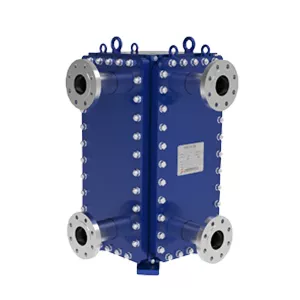
Custom-Engineered for Severe Process Demands. At SHPHE, we don't just supply equipment; we design tailored thermal solutions. Our HT-Bloc welded plate heat exchangers are custom-configured by our experienced engineers to overcome your specific industry challenges—whether handling high-viscosity media, extreme temperatures, or strict space constraints.
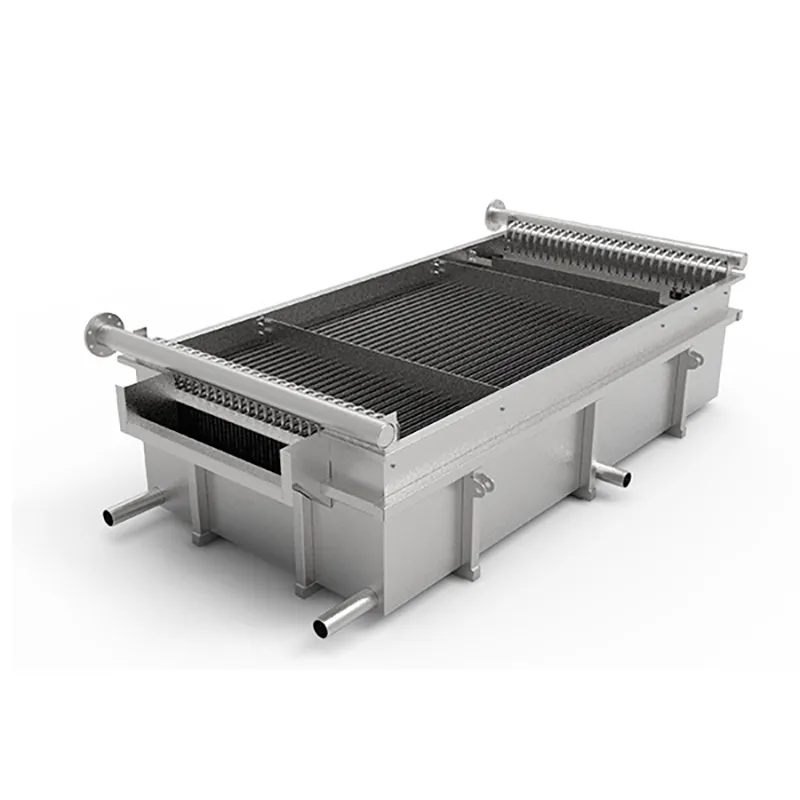
Originated in the mid-20th century to bypass the manufacturing bottlenecks and weight limitations of standard jacketed thermal components, the Pillow Plate (also known as a dimple plate or embossed plate) has revolutionized precision fluid-wall engineering. At SHPHE, we take this highly flexible technology and elevate it into a core foundation for bespoke industrial heat transfer integration. By utilizing state-of-the-art automated CNC fiber laser welding, our engineers customize the mechanical inflation profiles and spot pitch grids to directly match your specific fluid dynamics, pressure limits, and vessel configurations. Today, SHPHE's custom pillow plates are indispensable assets for worldwide processing plants prioritizing advanced thermal performance, zero-leak safety, and hygienic processing—serving as the definitive solution across food, pharmaceutical, chemical, and bulk solids cooling sectors.