English EN


How to Choose the Right Printed Circuit Heat Exchanger for Your Process
Select the right printed circuit heat exchanger by matching process needs, pressure, temperature, and fluid compatibility for optimal efficiency and safety.
More
In the rapidly evolving hydrogen energy sector, the performance and reliability of your heat exchanger directly impact system efficiency and operational costs. A printed circuit heat exchanger (PCHE) designed with advanced engineering principles is not a luxury—it is a necessity for handling high-pressure hydrogen streams, thermal cycling, and compact footprint requirements. This article explores the critical design considerations that separate a standard PCHE from one that truly delivers in hydrogen applications.
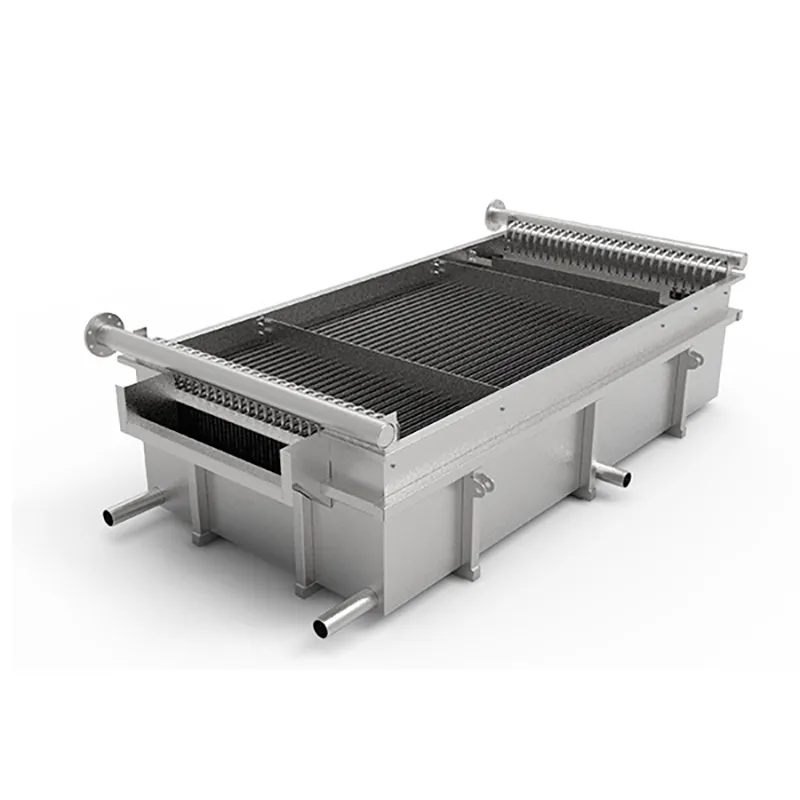
Hydrogen, especially in its gaseous form, presents unique challenges for heat exchanger design. Its low molecular weight means it has a high thermal conductivity but also a tendency to leak through microscopic gaps. Furthermore, hydrogen embrittlement can degrade metals over time if the material selection and surface treatment are not carefully optimized. A standard off-the-shelf PCHE may not account for these factors, leading to premature failure or reduced efficiency. Advanced design begins with material science—selecting alloys that resist hydrogen permeation and maintain structural integrity under cyclic pressures that can exceed 700 bar.
A well-engineered hydrogen PCHE incorporates several key features. First, the flow channel geometry must be optimized to minimize pressure drop while maximizing heat transfer. Advanced computational fluid dynamics (CFD) modeling allows engineers to design semi-circular or zigzag channels that enhance turbulence without excessive friction. Second, the diffusion bonding process must be precisely controlled to create a monolithic core with no weak interfaces. This eliminates potential leak paths that could compromise safety in hydrogen systems. Third, thermal management of the header and nozzle areas prevents localized stress concentrations during rapid temperature changes.
Safety is paramount when dealing with hydrogen. An advanced PCHE design includes features such as redundant sealing mechanisms, rigorous hydrostatic testing, and compliance with international standards like ASME Section VIII. The design must also account for thermal expansion differences between the core and the outer shell. Without proper engineering, these differentials can cause warping or cracking. Real-world data from operating hydrogen refueling stations and industrial electrolysis plants shows that PCHEs with advanced design achieve mean time between failures (MTBF) exceeding 50,000 hours, compared to 20,000 hours for conventional designs.
No two hydrogen projects are identical. Whether you are working on a green hydrogen production facility, a fuel cell system, or a hydrogen storage and distribution network, the thermal duty and operating conditions vary significantly. Advanced design allows for customization of the core size, channel pitch, and material thickness to match your specific requirements. For example, a custom-engineered printed circuit heat exchanger can be tailored to handle the transient loads typical in electrolyzer cooling, where rapid start-stop cycles are common. This level of customization directly translates to energy savings and reduced maintenance costs over the equipment lifecycle.
Before a single piece of metal is cut, advanced design relies on multi-physics simulation to predict performance under real-world conditions. Thermal-structural coupled analysis helps identify potential failure points, while fatigue life prediction models ensure the exchanger can withstand hundreds of thousands of pressure cycles. Prototype testing in dedicated hydrogen loops validates these simulations. For instance, a recent project for a hydrogen liquefaction plant required a PCHE that could operate at -253°C and 200 bar. Through iterative design and testing, the final unit achieved a temperature approach of less than 3°C, significantly improving process efficiency.
Investing in an advanced PCHE design may have a higher upfront cost, but the total cost of ownership tells a different story. Reduced downtime, lower energy consumption due to optimized heat transfer, and extended equipment life all contribute to a favorable return on investment. In hydrogen applications, where system availability is critical, a reliable heat exchanger can prevent costly production stoppages. Data from field installations indicates that advanced PCHEs can reduce operational energy costs by up to 15% compared to standard designs, primarily through improved thermal recovery and lower pumping power requirements.
When you choose a heat exchanger for your hydrogen system, look beyond the basic specifications. Demand a design that addresses the specific challenges of hydrogen—material compatibility, leak prevention, thermal cycling resilience, and custom fit. An advanced printed circuit heat exchanger is not just a component; it is a strategic investment in the performance and safety of your entire hydrogen operation.
We provide you with comprehensive foreign trade solutions to help enterprises achieve global development
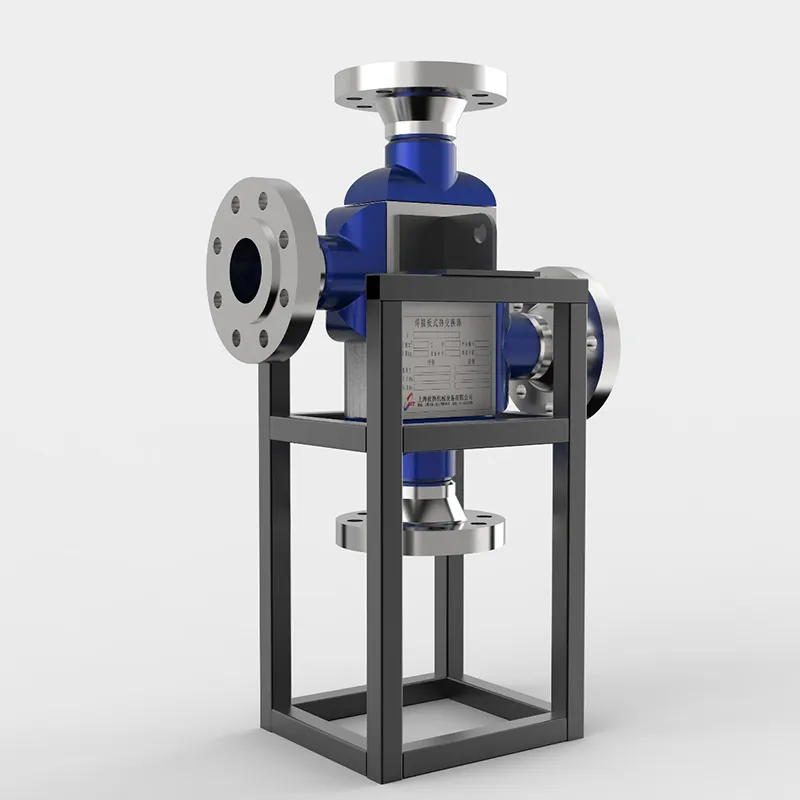
The SHPHE Printed Circuit Heat Exchanger (PCHE) is an advanced diffusion bonded microchannel heat exchanger engineered for demanding high-pressure and high-temperature thermal duties. Compared with conventional shell-and-tube equipment, its chemically etched microchannel structure provides exceptionally high heat-transfer surface density within a compact core. Combined with solid-state diffusion bonding, the design delivers high thermal effectiveness, mechanical integrity, and reliable containment under extreme operating conditions.
Designed as a compact high pressure heat exchanger, the SHPHE PCHE supports critical thermal processes across LNG, natural gas processing, offshore energy systems, supercritical CO₂ power cycles, hydrocarbon processing, and high-pressure hydrogen applications. Its combination of compact size, high pressure capability, low fluid inventory, and efficient heat recovery makes PCHE technology particularly suitable for applications where equipment footprint, weight, safety, and thermal performance are equally important.
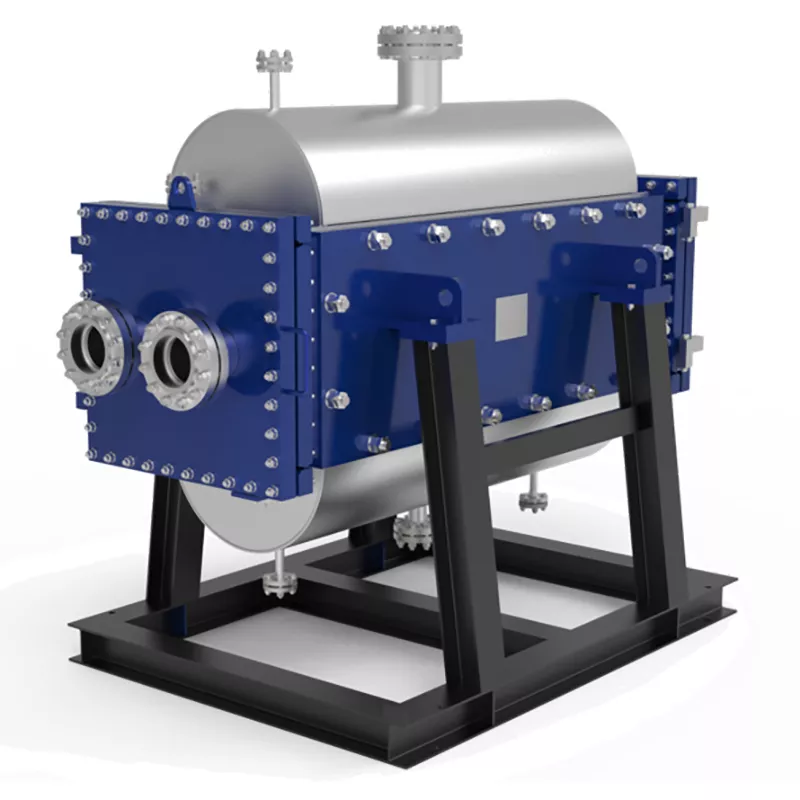
Industrial processes involving particle-laden slurries, high-viscosity syrups, or fiber-rich pulp demand more than standard equipment—they require target-engineered thermal management. At SHPHE, we configure the TP Welded Plate Heat Exchanger to directly conquer your plant's severe fouling, blockage, and erosion threats. Combining custom-tailored channel geometries, wear-resistant metallurgy, and integrated CIP (Cleaning-in-Place) systems, we deliver absolute production continuity where conventional heat exchangers fail.
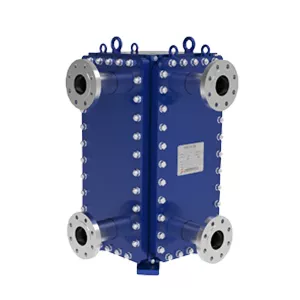
Custom-Engineered for Severe Process Demands. At SHPHE, we don't just supply equipment; we design tailored thermal solutions. Our HT-Bloc welded plate heat exchangers are custom-configured by our experienced engineers to overcome your specific industry challenges—whether handling high-viscosity media, extreme temperatures, or strict space constraints.
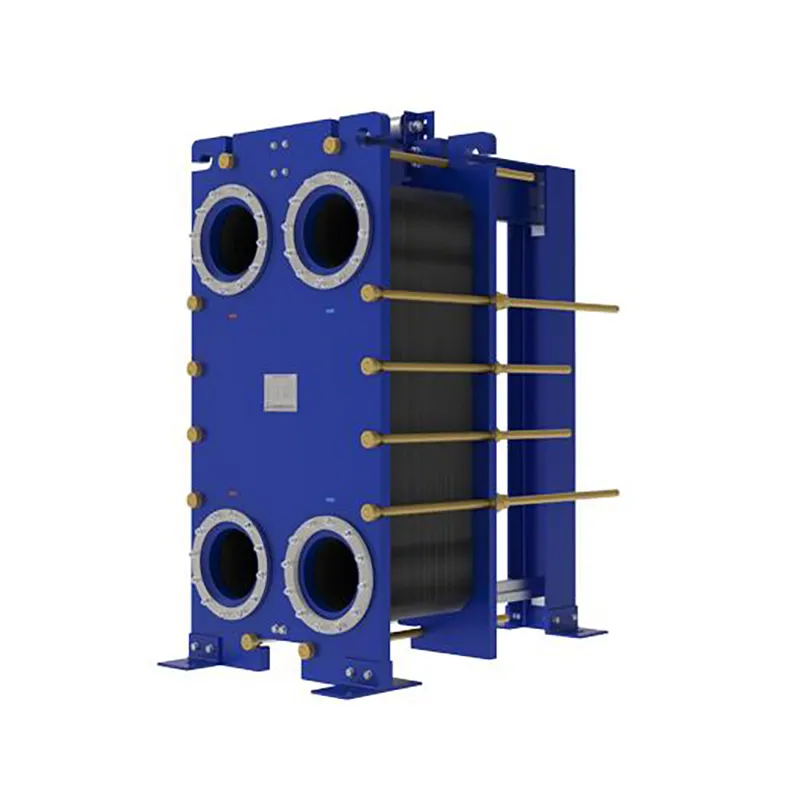
Since the invention of the plate heat exchanger (PHE) in 1923, thermal technology has evolved from standard food-grade processing to highly complex industrial operations. At SHPHE, we take this classic, versatile design and transform it into highly bespoke heat transfer solutions tailored to your unique process fluids and thermal loads. While traditional gasketed PHEs offer high efficiency and compact footprints, SHPHE optimizes plate corrugations, metallurgy, and sealing systems to handle your specific chemical, HVAC, or energy recovery parameters. Our custom-engineered gasketed plate heat exchangers provide outstanding scalability and ease of maintenance, serving as an indispensable asset for heavy industries—including oil and gas, metallurgy, and food processing—where uptime, energy recovery, and long-term sustainability are top priorities.