English EN


Top 10 FAQs About Printed Circuit Heat Exchangers Answered by Engineers
Engineers answer the top 10 printed circuit heat exchangers FAQs, covering design, efficiency, applications, maintenance, cost, and safety for industry use.
More
Author: Thermal Systems Research Group
Date: Jun-13-2026
Printed Circuit Heat Exchangers (PCHEs) represent a transformative advancement in thermal management technology, leveraging microchannel architecture to achieve unmatched heat transfer efficiency that surpasses conventional shell-and-tube or plate designs. Their diffusion-bonded construction, typically using stainless steel or superalloys, enables superior performance in extreme environments, withstanding temperatures exceeding 800°C and pressures beyond 500 bar without compromising structural integrity. The compact, all-metallic core design reduces system volume and weight by up to 85%, making them ideal for aerospace, naval, and next-generation nuclear reactors where space is at a premium. Furthermore, the absence of gaskets, welds, or brazed joints eliminates common failure points, dramatically enhancing long-term reliability and reducing maintenance cycles. From supercritical CO2 power cycles to hydrogen liquefaction and gas turbine intercooling, PCHEs offer scalable, corrosion-resistant solutions that address the most demanding industrial requirements. As global industries push toward higher operating temperatures, tighter efficiency targets, and decarbonization goals, the inherent robustness and thermal performance of PCHEs position them as the cornerstone of future high-efficiency thermal management systems across energy, transportation, and process engineering sectors.
Printed circuit heat exchangers (PCHEs) leverage microchannel architecture to achieve thermal performance far beyond conventional designs. The core structure consists of chemically etched flow passages, typically 0.5 to 2 mm in width, arranged in parallel layers. These microchannels dramatically increase the surface-area-to-volume ratio, enabling heat transfer coefficients up to five times higher than those of shell-and-tube or gasketed plate heat exchangers.
The diffusion-bonded construction eliminates gaskets and welds, creating a monolithic metal block that withstands extreme pressures exceeding 500 bar and temperatures up to 900°C. This robust design not only enhances thermal conductivity but also minimizes leakage risks, making PCHEs ideal for demanding applications in supercritical CO₂ power cycles, LNG processing, and aerospace thermal management.
Key performance advantages include:
For industries transitioning to higher-temperature and higher-pressure processes, PCHEs offer a proven path to improved energy recovery and reduced emissions. Their microchannel design directly addresses the limitations of conventional technologies, delivering unmatched heat transfer efficiency in a compact, durable package.
Learn more about how microchannel PCHEs are engineered for your specific thermal management needs: Explore our custom-engineered PCHE solutions or discover related advanced plate technologies such as plate air preheaters and TP welded plate heat exchangers.
Printed Circuit Heat Exchangers (PCHEs) are engineered to operate reliably under the most demanding thermal and mechanical conditions. Their diffusion-bonded construction enables exceptional structural integrity at temperatures exceeding 900°C and pressures beyond 500 bar, making them ideal for supercritical CO₂ cycles, nuclear reactors, and aerospace applications.
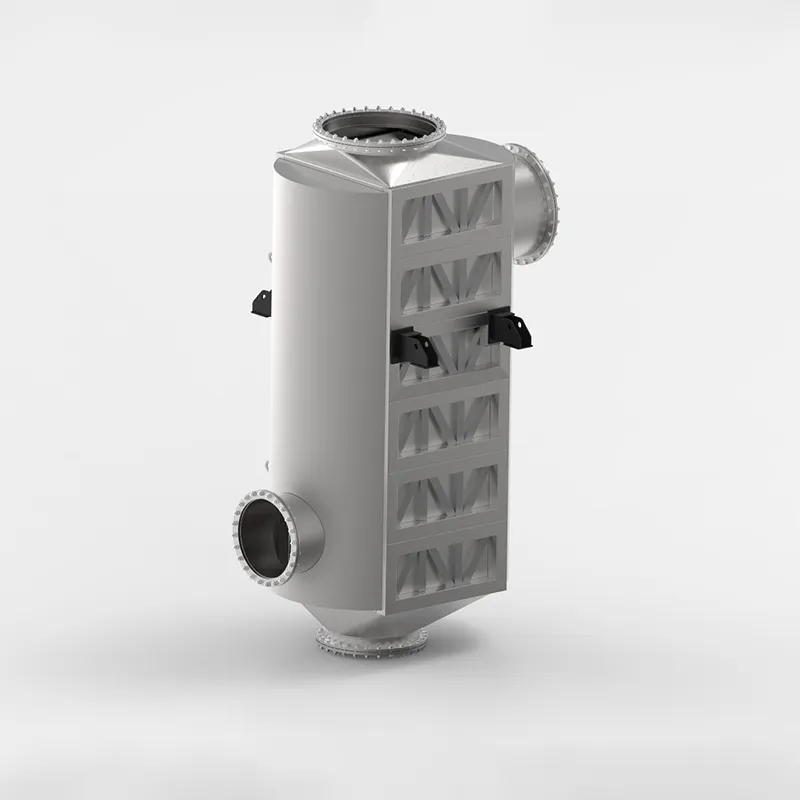
The unique microchannel architecture provides an extremely high surface-area-to-volume ratio, enabling superior heat transfer coefficients while maintaining a compact footprint. Unlike conventional shell-and-tube or gasketed plate exchangers, PCHEs exhibit minimal thermal stress and creep under cyclic loading, ensuring long-term stability in high-temperature gas reactors and concentrated solar power plants.
With zero gasket failure risk and resistance to thermal shock, these exchangers deliver consistent performance in environments where traditional heat exchangers would rapidly degrade. Their all-metal, diffusion-bonded core eliminates leak paths, providing unmatched safety and efficiency for next‑generation energy systems.
Printed circuit heat exchangers (PCHEs) leverage photochemical etching and diffusion bonding to create highly compact cores with large surface-area-to-volume ratios. This design eliminates bulky gaskets and heavy frames, achieving up to 85% volume reduction compared to conventional shell-and-tube units while maintaining structural integrity under extreme pressures.
The all-metal construction enables direct integration into tight spaces in aerospace, marine, and industrial systems. Weight savings of 50–70% over traditional heat exchangers directly contribute to improved fuel efficiency and payload capacity in mobile applications.
Key performance metrics demonstrate the advantages of PCHE technology in demanding environments:
| Parameter | Conventional Heat Exchanger | Printed Circuit Heat Exchanger |
|---|---|---|
| Volume per kW (liters) | 0.8 – 1.2 | 0.15 – 0.25 |
| Weight per kW (kg) | 0.6 – 1.0 | 0.2 – 0.35 |
| Surface Area Density (m²/m³) | 100 – 400 | 700 – 2500 |
| Maximum Operating Pressure (bar) | 30 – 80 | 200 – 600 |
| Temperature Range (°C) | -40 to 400 | -200 to 900 |
The data above highlights how PCHEs achieve superior thermal performance in a fraction of the space and weight. This makes them ideal for applications where every kilogram and cubic centimeter matters, such as in custom engineered printed circuit heat exchangers used in offshore platforms and compact power cycles.
For systems requiring extreme pressure handling, the HT Bloc welded plate heat exchanger offers an alternative, though with larger footprint. The PCHE remains the preferred choice for weight-sensitive, high-performance thermal management.
Diffusion bonding creates a monolithic solid structure with no gaskets, welds, or brazed joints, virtually eliminating leak paths and failure points. This construction method produces a heat exchanger core that withstands extreme thermal cycling and high-pressure differentials without degradation.
The absence of dissimilar material interfaces removes concerns about galvanic corrosion and thermal fatigue cracking. Each bonded interface achieves mechanical properties matching the parent metal, ensuring uniform stress distribution and exceptional structural integrity over decades of operation.
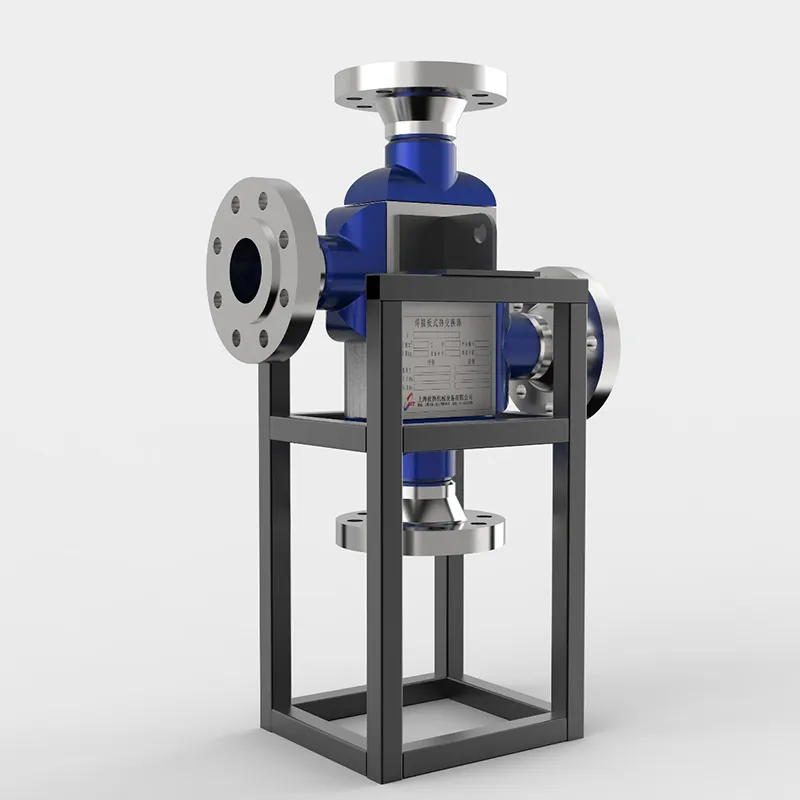
Field data demonstrates that diffusion bonded printed circuit heat exchangers achieve mean time between failures (MTBF) exceeding 25 years in demanding chemical processing and power generation applications. The solid-state bonding process eliminates crevice corrosion sites and provides consistent metallurgical properties throughout the core.
Maintenance requirements are drastically reduced compared to conventional heat exchanger designs. Without gaskets to replace or welds to inspect, lifecycle operating costs decrease substantially while operational reliability reaches levels unattainable with traditional fabrication methods.
The diffusion bonded structure inherently resists vibration-induced damage and thermal shock, making these exchangers ideal for applications involving rapid temperature changes or cyclic duty. This robust construction directly translates to extended service life and predictable long-term performance.
Printed circuit heat exchangers (PCHEs) offer unmatched scalability, enabling seamless deployment across diverse industrial sectors. Their compact, modular design allows for efficient thermal management in both aerospace and energy applications, adapting to varying power densities and space constraints without compromising performance.
In aerospace, PCHEs support lightweight, high-pressure systems for engine cooling and environmental control, while in energy sectors, they facilitate waste heat recovery and advanced power cycles. This versatility stems from their etched-plate architecture, which can be stacked and sized to meet specific thermal loads, from micro-scale electronics to large-scale industrial plants.
The technology’s ability to operate under extreme temperatures and pressures further enhances its scalability, making it a future-proof solution for evolving industrial demands. As industries push for higher efficiency and lower emissions, PCHEs provide a reliable pathway to achieving these goals across multiple sectors.
Unmatched Heat Transfer Efficiency Through Microchannel Architecture
The microchannel design maximizes surface area to volume ratio, enabling heat transfer coefficients that are orders of magnitude higher than conventional heat exchangers.
Superior Performance in Extreme Temperature and Pressure Environments
Engineered to withstand operating temperatures exceeding 900°C and pressures over 500 bar, PCHEs maintain structural integrity where traditional designs fail.
Compact Design Enabling Space and Weight Reduction in Advanced Systems
With up to 85% reduction in volume and 50% less weight compared to shell-and-tube alternatives, PCHEs are ideal for aerospace and mobile applications.
Enhanced Reliability and Longevity via Diffusion Bonded Construction
The monolithic diffusion-bonded structure eliminates welded joints and gaskets, drastically reducing leak paths and extending service life beyond 20 years.
Scalability for Industrial Applications from Aerospace to Energy Sectors
Modular manufacturing allows PCHEs to be scaled from compact cooling units for aircraft to large-scale systems for concentrated solar power and nuclear plants.
We provide you with comprehensive foreign trade solutions to help enterprises achieve global development
The SHPHE Printed Circuit Heat Exchanger (PCHE) represents a paradigm shift in microchannel thermal management, meticulously engineered for the world's most critical and demanding industrial boundaries. Developed to surpass the physical limitations of conventional shell-and-tube designs in ultra-high-pressure environments, our custom PCHEs integrate advanced photochemical etching and solid-state diffusion bonding to provide unmatched safety, thermal efficiency, and integrity under extreme stress. Initially deployed within high-consequence sectors such as aerospace and nuclear power generation, PCHE technology has completely revolutionized high-density thermal processing. Today, SHPHE brings this breakthrough engineering to mainstream energy transitions—including LNG liquefaction, supercritical CO² power cycles, hydrocarbon processing, and high-pressure hydrogen systems—enabling plants to maximize energy recovery, ensure zero-leakage security, and significantly shrink environmental footprints.
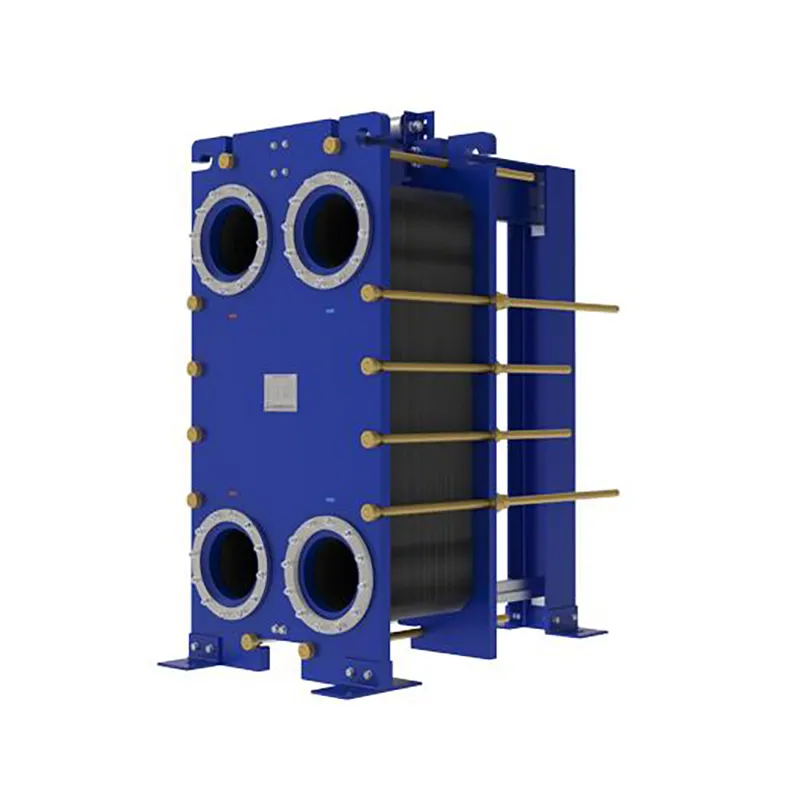
Since the invention of the plate heat exchanger (PHE) in 1923, thermal technology has evolved from standard food-grade processing to highly complex industrial operations. At SHPHE, we take this classic, versatile design and transform it into highly bespoke heat transfer solutions tailored to your unique process fluids and thermal loads. While traditional gasketed PHEs offer high efficiency and compact footprints, SHPHE optimizes plate corrugations, metallurgy, and sealing systems to handle your specific chemical, HVAC, or energy recovery parameters. Our custom-engineered gasketed plate heat exchangers provide outstanding scalability and ease of maintenance, serving as an indispensable asset for heavy industries—including oil and gas, metallurgy, and food processing—where uptime, energy recovery, and long-term sustainability are top priorities.
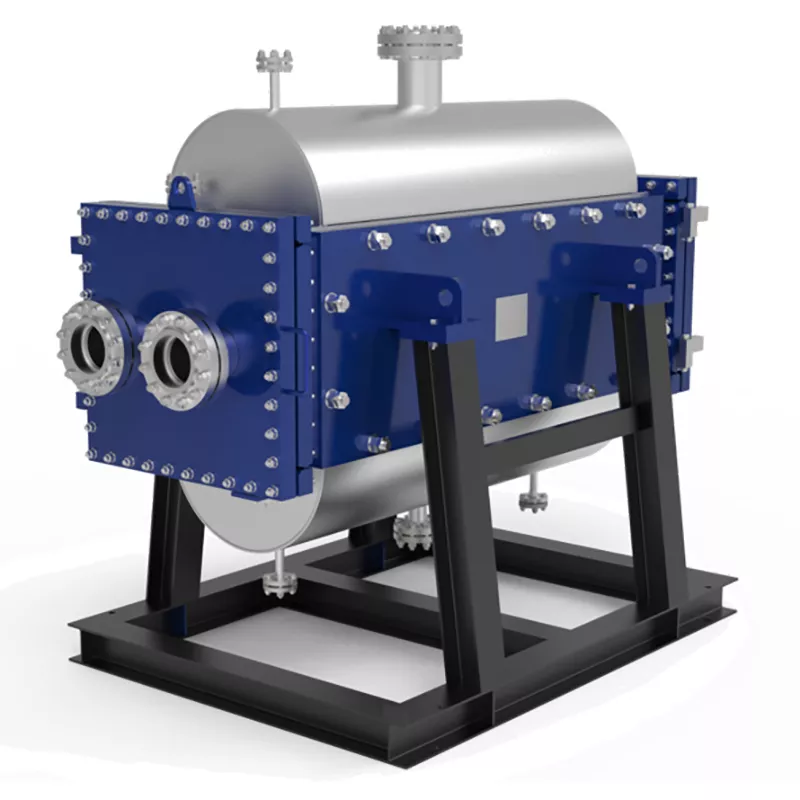
Industrial processes involving particle-laden slurries, high-viscosity syrups, or fiber-rich pulp demand more than standard equipment—they require target-engineered thermal management. At SHPHE, we configure the TP Welded Plate Heat Exchanger to directly conquer your plant's severe fouling, blockage, and erosion threats. Combining custom-tailored channel geometries, wear-resistant metallurgy, and integrated CIP (Cleaning-in-Place) systems, we deliver absolute production continuity where conventional heat exchangers fail.
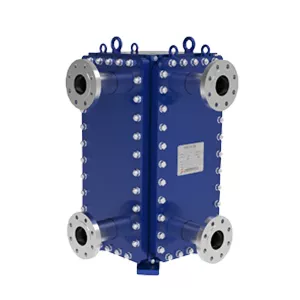
Custom-Engineered for Severe Process Demands. At SHPHE, we don't just supply equipment; we design tailored thermal solutions. Our HT-Bloc welded plate heat exchangers are custom-configured by our experienced engineers to overcome your specific industry challenges—whether handling high-viscosity media, extreme temperatures, or strict space constraints.