English EN


What Is a Wide Gap Welded Plate Heat Exchanger? A Complete Technical Guide
A wide gap plate heat exchanger uses welded plates and wide channels to handle viscous, fibrous fluids efficiently in demanding industrial processes.
More
Jun-19-2026
By Industrial Thermal Systems Research Group
The microchannel architecture within a flat plate heat exchanger significantly increases the surface area available for thermal exchange. By incorporating hundreds of narrow, parallel flow passages, the design achieves a compact footprint while delivering superior heat transfer coefficients compared to conventional shell-and-tube units.
Each microchannel is engineered to promote turbulent flow at lower Reynolds numbers, which disrupts the thermal boundary layer and enhances convective heat transfer. This results in a higher overall heat transfer coefficient (U-value) and allows the exchanger to handle high thermal loads with minimal temperature approach.
The increased surface density also reduces the required volume of the heat exchanger, making it ideal for space-constrained industrial installations. For applications requiring extreme efficiency, the microchannel design can be further optimized through custom plate configurations and flow arrangements.
Explore how this technology is applied in specific industrial solutions:
Flat plate heat exchangers achieve exceptional heat transfer efficiency through their unique plate geometry and counter-current flow design. The corrugated plate patterns create intense turbulence even at low fluid velocities, significantly increasing the heat transfer coefficient compared to traditional shell-and-tube designs.
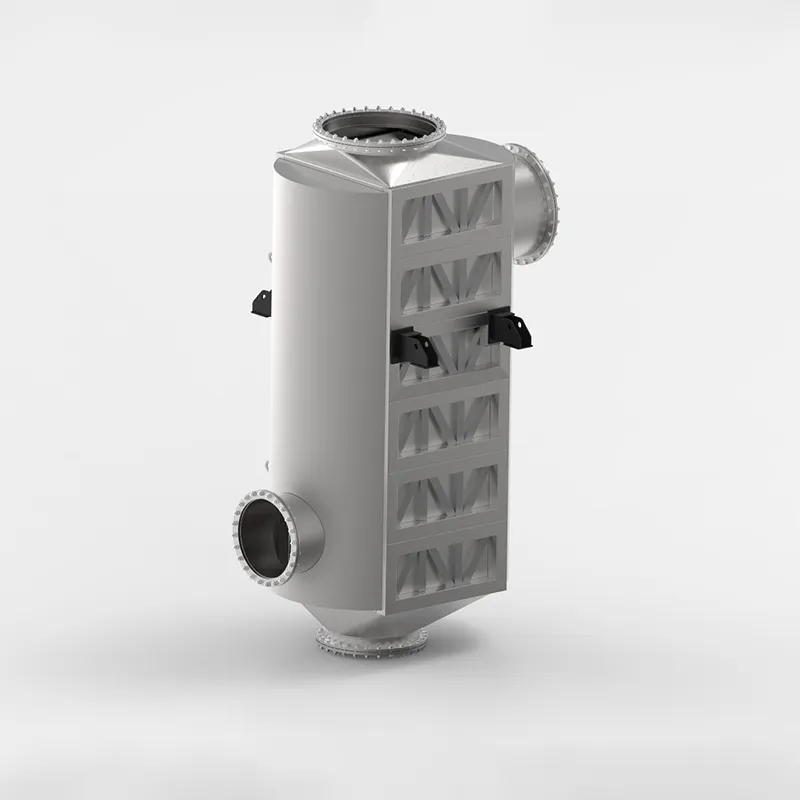
The minimal temperature cross capability allows for closer approach temperatures between the hot and cold fluids, often achieving temperature differences as low as 1-2°C. This results in superior thermal recovery and reduced energy consumption in industrial processes such as chemical processing, HVAC, power generation, and food production.
With compact construction and high surface-area-to-volume ratio, these exchangers deliver maximum performance in minimal space, making them the preferred choice for demanding industrial environments where efficiency and reliability are critical.
Turbulent flow within flat plate heat exchangers significantly minimizes fouling and enhances operational reliability. The continuous scrubbing action of the fluid prevents particle deposition, ensuring consistent thermal performance and extended service intervals.
The table below summarizes key performance indicators comparing turbulent flow conditions against standard laminar flow in industrial plate heat exchangers.
| Parameter | Turbulent Flow | Laminar Flow |
|---|---|---|
| Heat Transfer Coefficient | High (3,000 – 7,000 W/m²K) | Low (500 – 1,500 W/m²K) |
| Fouling Tendency | Minimal (self-cleaning) | High (rapid deposition) |
| Maintenance Interval | Extended (>12 months) | Frequent (2–4 months) |
| Operational Reliability | Consistent, low downtime | Variable, higher downtime |
The data clearly demonstrates that turbulent flow conditions drastically reduce fouling rates and improve heat transfer efficiency. This results in fewer cleaning cycles, lower operational costs, and enhanced long-term reliability for industrial processes.
For further details on custom-engineered solutions, visit: Plate Air Preheater | Gasketed Plate Heat Exchanger | HT Bloc Welded Plate
Flat plate heat exchangers are engineered to deliver superior thermal performance while occupying significantly less floor space compared to traditional shell-and-tube designs. Their compact, modular construction reduces the overall footprint by up to 50%, making them ideal for heavy-duty industrial environments where space is at a premium.
The elimination of bulky components and the use of thin, corrugated plates result in lower material consumption without compromising structural integrity. This directly translates into reduced manufacturing costs and lighter assemblies, simplifying installation and maintenance in high-capacity processing lines.
Designed for demanding applications such as chemical processing, power generation, and oil refining, these exchangers offer exceptional heat transfer coefficients and pressure handling capabilities. The streamlined design also minimizes thermal stress and leakage risks, ensuring long-term reliability in continuous operation.
Industrial processes demand equipment that adapts to evolving thermal loads without system redesign. Flat plate heat exchangers excel through modular design, allowing capacity expansion by simply adding plates to the existing frame. This scalability ensures that production increases are met without replacing entire units, reducing capital expenditure and downtime.
Maintenance in continuous operations is streamlined because individual plates can be accessed, inspected, or replaced without dismantling the entire assembly. The plate pack can be opened quickly, enabling cleaning or gasket replacement within hours rather than days. This design minimizes production interruptions and extends equipment lifespan.
For industries requiring frequent cleaning or handling of fouling fluids, the easy disassembly provides a distinct advantage. The modular nature also supports incremental investment—start with a smaller unit and expand as demand grows. This flexibility makes flat plate exchangers a cost-effective solution for both small-scale operations and large industrial plants.
To explore specific configurations for your process, review our engineered solutions: custom plate air preheaters, gasketed plate heat exchangers, and HT-Bloc welded plate exchangers.
We provide you with comprehensive foreign trade solutions to help enterprises achieve global development
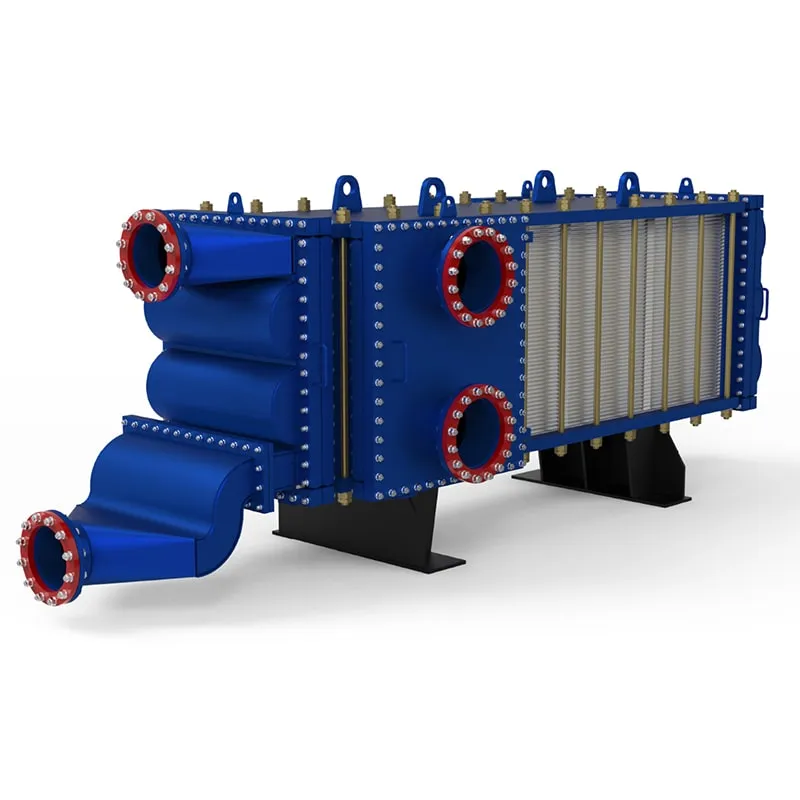
Custom-Engineered Anti-Clogging Solutions for High-Viscosity Slurries: Deployed specifically to conquer severe industrial fouling, SHPHE wide gap welded plate heat exchangers are tailor-built to handle complex media containing dense fibers, coarse crystals, or solid suspensions without clogging. Each non-obstructed channel is calculated and formed by laser-welded plate packs matching your fluid’s exact rheology and grain size, completely eliminating structural "dead zones" and media stagnation. Available in highly compact vertical and versatile horizontal configurations, our vertical engineering drastically reduces plant footprints while maintaining unhindered product throughput, minimal pressure drops, and flawless continuous operations across harsh process loops.
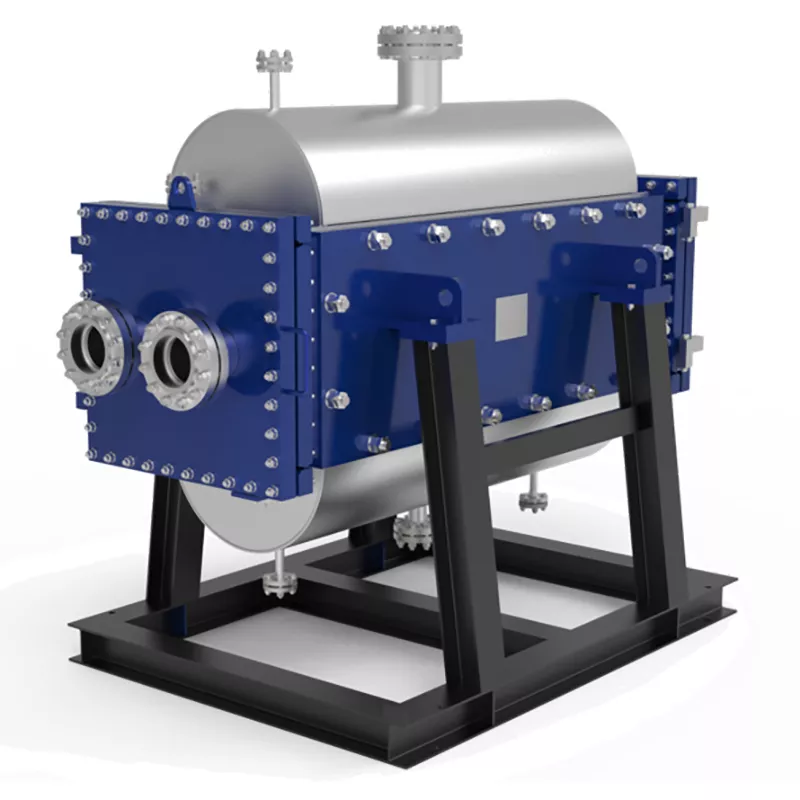
Industrial processes involving particle-laden slurries, high-viscosity syrups, or fiber-rich pulp demand more than standard equipment—they require target-engineered thermal management. At SHPHE, we configure the TP Welded Plate Heat Exchanger to directly conquer your plant's severe fouling, blockage, and erosion threats. Combining custom-tailored channel geometries, wear-resistant metallurgy, and integrated CIP (Cleaning-in-Place) systems, we deliver absolute production continuity where conventional heat exchangers fail.
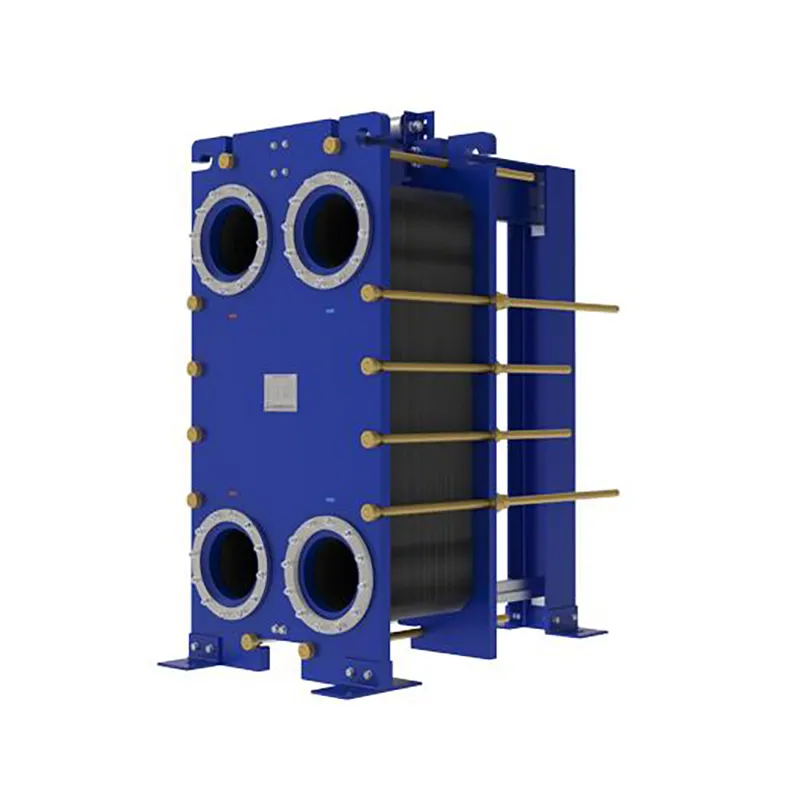
Since the invention of the plate heat exchanger (PHE) in 1923, thermal technology has evolved from standard food-grade processing to highly complex industrial operations. At SHPHE, we take this classic, versatile design and transform it into highly bespoke heat transfer solutions tailored to your unique process fluids and thermal loads. While traditional gasketed PHEs offer high efficiency and compact footprints, SHPHE optimizes plate corrugations, metallurgy, and sealing systems to handle your specific chemical, HVAC, or energy recovery parameters. Our custom-engineered gasketed plate heat exchangers provide outstanding scalability and ease of maintenance, serving as an indispensable asset for heavy industries—including oil and gas, metallurgy, and food processing—where uptime, energy recovery, and long-term sustainability are top priorities.
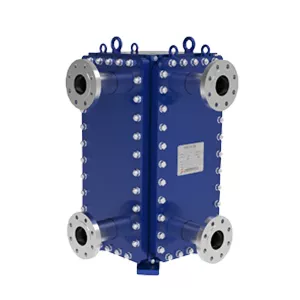
Custom-Engineered for Severe Process Demands. At SHPHE, we don't just supply equipment; we design tailored thermal solutions. Our HT-Bloc welded plate heat exchangers are custom-configured by our experienced engineers to overcome your specific industry challenges—whether handling high-viscosity media, extreme temperatures, or strict space constraints.