
A wide-gap welded plate heat exchanger can be a practical choice for sugar mills handling fibrous juice, viscous syrup and other fouling-prone streams. The selection task is to keep the process side flowing while meeting the required heating duty within the mill's available pumping and cleaning capacity.
Cane juice can carry bagacillo, suspended solids and deposits from upstream processing. As the product becomes more concentrated, increasing viscosity changes both pressure drop and heat transfer. A channel that performs well with a clean test liquid may behave differently with the mill's actual juice.
Fibers can collect around restrictions, while particles and sticky deposits reduce the effective flow area. The result may be a rising pressure drop, uneven flow distribution and difficulty maintaining the target outlet temperature. Cleaning the exchanger without addressing upstream carryover leaves the underlying cause in place.
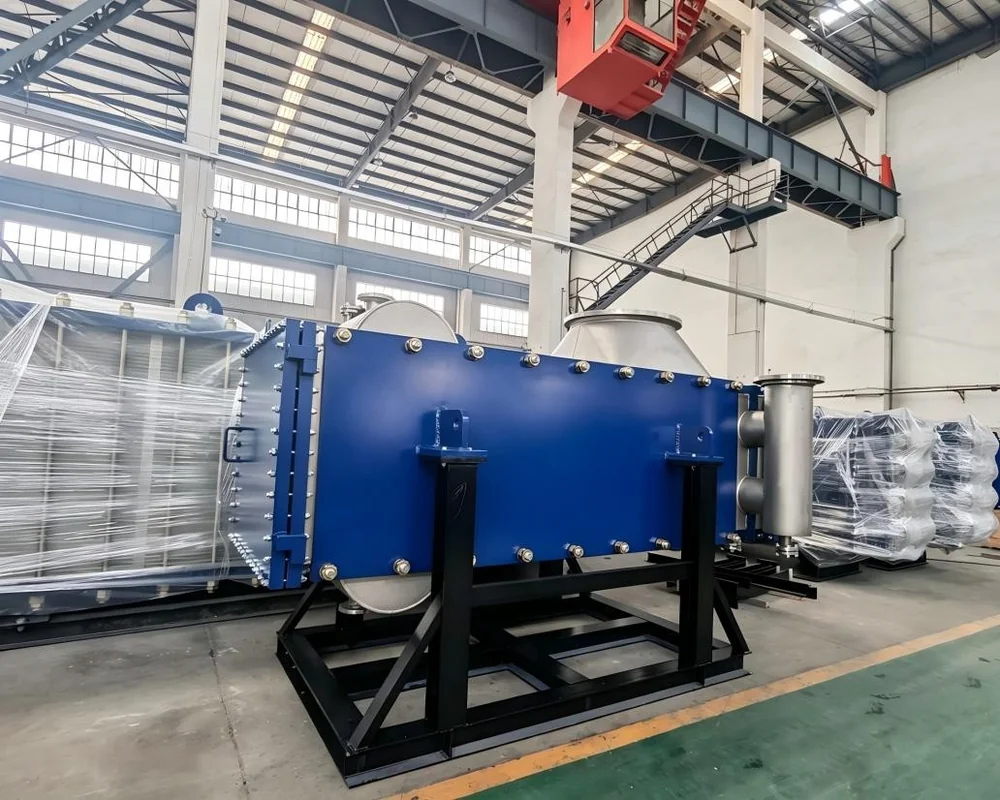
The wide-gap welded plate heat exchanger uses a welded plate pack with a wider process passage and a channel geometry selected for the medium. SHPHE's product literature lists channel gaps of 8–30 mm across the product family; the appropriate gap for a sugar duty is selected from fiber characteristics, solids content, flow rate and thermal requirements.
The slurry-side passage and the utility-side passage need not have identical geometry. This allows the design to accommodate a dirty or viscous product stream while making effective use of the cleaner heating or cooling side. The layout must still leave enough velocity to discourage settling without creating excessive pumping demand.
| Duty | Information that changes the design | Review priority |
|---|---|---|
| Raw or clarified juice heating | Fiber carryover, suspended solids and heating medium | Passage geometry and removal of oversized debris |
| Concentrated syrup cooling | Concentration, viscosity curve and target temperature | Viscosity at the coldest operating condition |
| Heat recovery between process streams | Both flow ranges and temperature profiles | Recoverable duty and pressure drop on both sides |
Heating a more viscous product can improve its flow, while cooling can make the same product harder to move. Using only a room-temperature viscosity value can therefore lead to a poor hydraulic match.
Confirm which channels are accessible, how covers are removed and whether the chosen deposits can be treated by an approved cleaning-in-place procedure. A welded plate pack does not open into individual loose plates. Mechanical access depends on the supplied configuration, so drawings and the equipment manual should define the cleaning route.
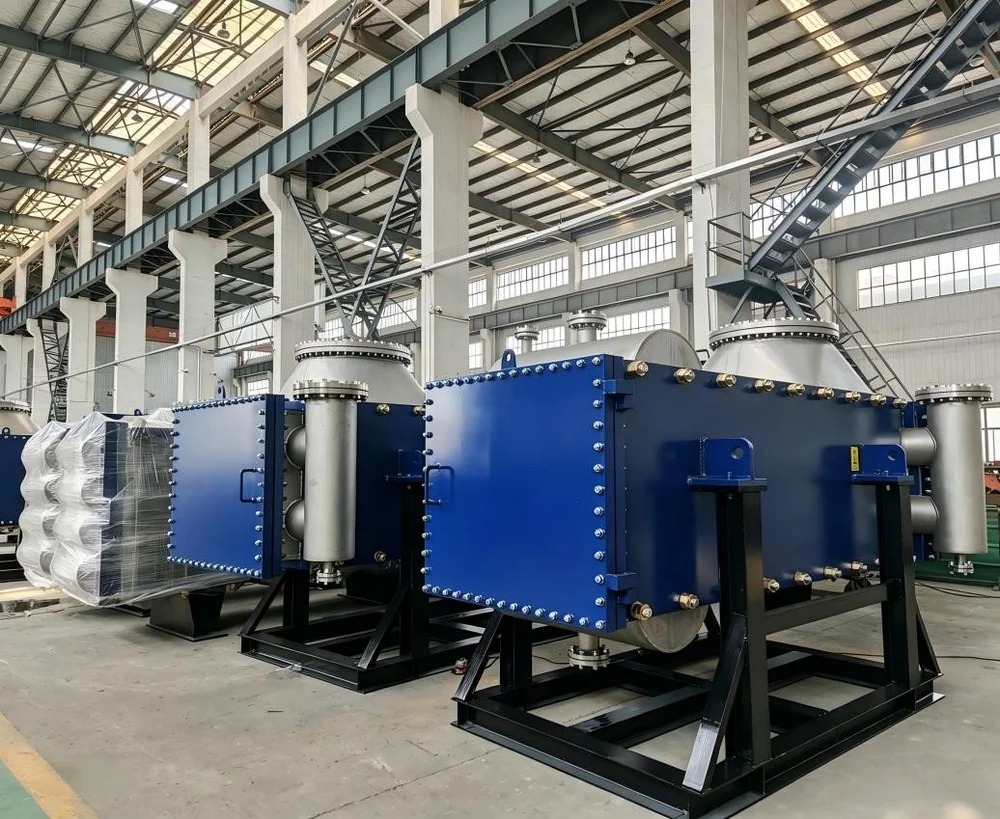
SHPHE's published application report describes overseas sugar-mill operation extending over more than a decade and deliveries to several international markets. These references establish application experience; a new mill's cleaning interval and energy balance must be evaluated for its own juice and operating cycle.
Send the product concentration or Brix, fiber and solids characteristics, operating flow range, inlet and outlet temperatures, utility conditions and allowable pressure drop. Include the required campaign length and the available cleaning window so the proposal can address maintainability alongside thermal duty.



 English EN


