
Grade 1 energy efficiency is meaningful when it is tied to an identified plate heat exchanger model, a stated test method and defined test conditions. For a project engineer, the practical question is how that tested performance relates to the required heat duty and pressure-drop allowance in the real system.
The energy-saving registration certificate published by SHPHE is numbered BHJN-001-2024. Its table assigns Grade 1 to the models listed on the certificate and refers to attached technical parameters. The scope is those identified models and conditions, rather than an unrestricted statement covering every SHPHE product or every possible operating point.
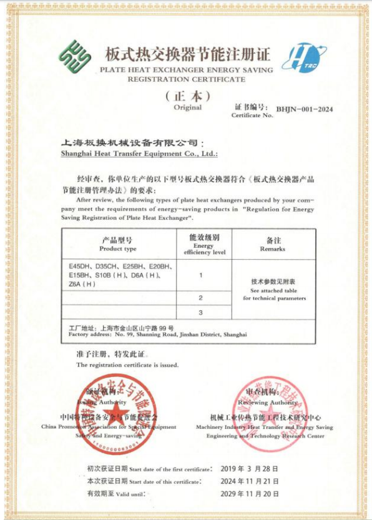
For procurement, request the certificate and its relevant annex together with the proposed model and thermal datasheet. This connects the tested product identification with the equipment offered for the job.
A higher overall heat transfer coefficient can support a compact exchanger, but obtaining it by increasing flow resistance may raise pumping demand. An energy-efficiency index brings thermal and hydraulic performance into the same evaluation. The test procedure defines the reference conditions and the way each quantity is determined.
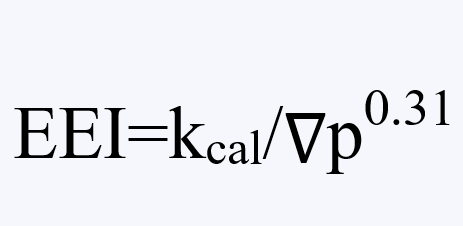
A certificate test point is not a substitute for a plant energy balance. Different fluid viscosity, temperatures, fouling conditions or operating flow rates can change the exchanger's pressure drop and achieved duty.
The official standards register lists NB/T 47004.1-2025 as replacing the 2017 edition from 28 March 2026. It also lists GB/T 47007-2026, the energy-efficiency test and evaluation regulation for plate heat exchangers, as effective from 28 January 2026.
The purchase specification should state the applicable edition and assessment method. Historical certificate illustrations remain useful evidence of their stated scope, but old grading tables should not automatically be presented as the current acceptance criteria.
| Compare | Keep consistent | Why it matters |
|---|---|---|
| Thermal duty | Both fluid compositions, flow rates and inlet temperatures | Prevents a smaller duty from appearing more efficient |
| Pressure drop | Both circuits and the same measurement boundary | Connects exchanger resistance to pumping demand |
| Fouling allowance | The agreed clean and design cases | Separates initial performance from sustained operation |
| Operating hours | The same load profile and energy-price basis | Supports a defensible lifecycle-cost comparison |
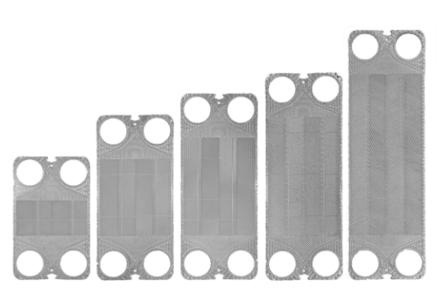
The gasketed plate heat exchangers product range allows plate pattern, pass arrangement, materials and gasket selection to be matched to the service. Where suitable instruments and data integration are available, Smart Eye monitoring and optimization can support performance trending after commissioning.
Establish the clean-equipment duty and pressure drop, then compare later operation at comparable flow and temperature conditions. This is a practical way to judge whether the selected exchanger continues to deliver the intended energy benefit, without promising the same percentage saving for every installation.



 English EN