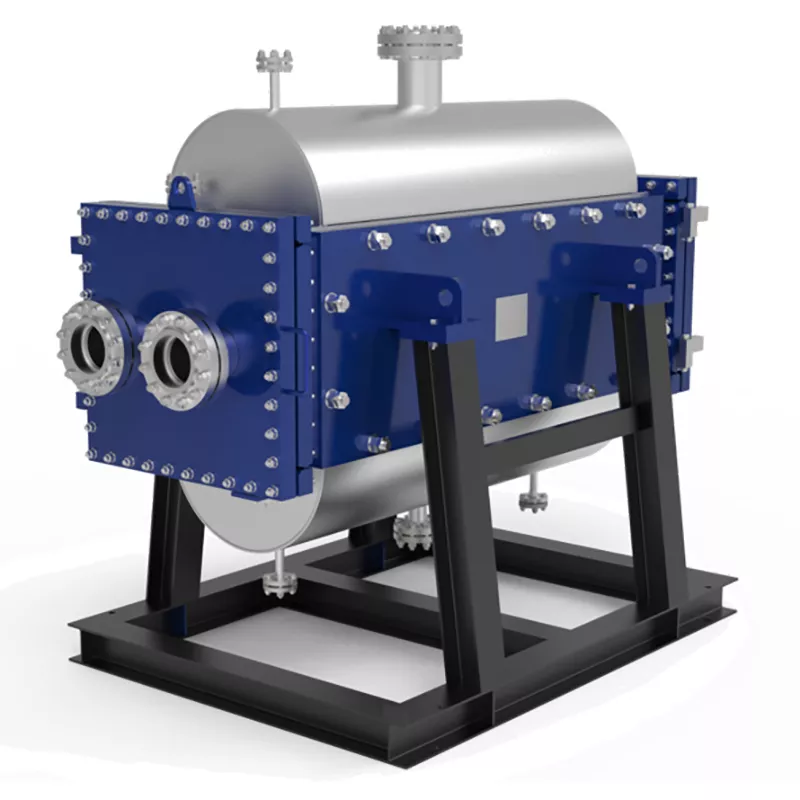
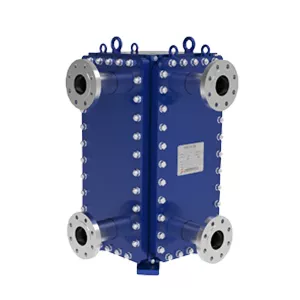
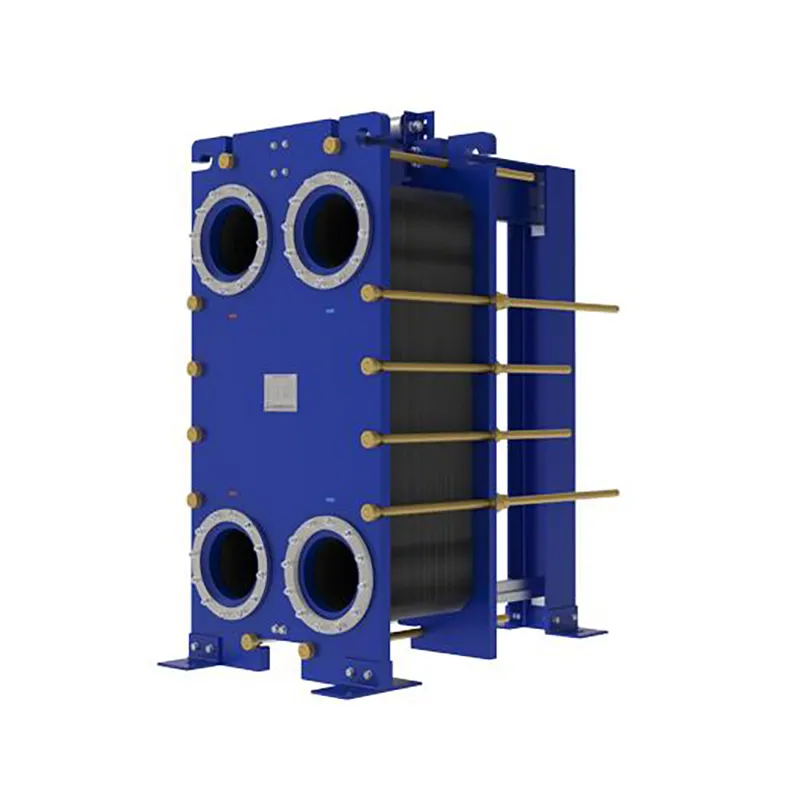
Top Benefits of Shell and Plate Heat Exchanger Design
Shell and plate heat exchangers combine the ruggedness of shell-and-tube units with the thermal efficiency of plate designs. This article explores the key advantages that make them a preferred choice in demanding industrial applications, from enhanced heat transfer to space savings.
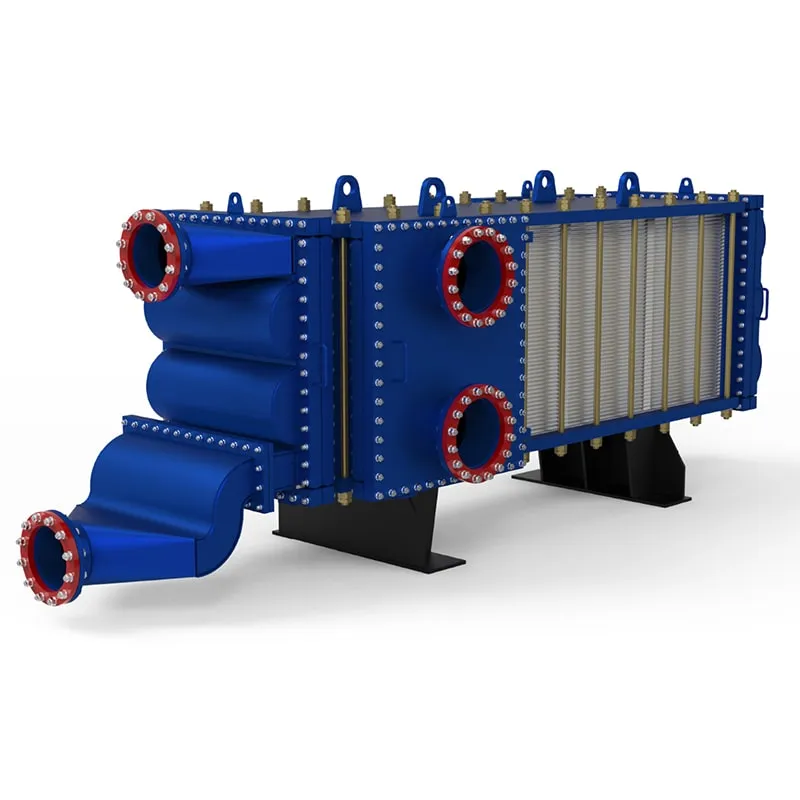
Exceptional Heat Transfer Efficiency
The shell and plate design uses corrugated plates to create highly turbulent flow paths. This turbulence significantly increases the heat transfer coefficient compared to traditional shell-and-tube exchangers. In many real-world installations, these units achieve thermal performance improvements of 20% to 30% while using less surface area. The close plate spacing also allows for temperature approaches as low as 1°C, which is critical in processes requiring precise thermal control.
For industries like chemical processing or HVAC, this means faster heating or cooling cycles and lower energy consumption. The design inherently reduces fouling tendencies because the turbulent flow keeps particles suspended, extending maintenance intervals and operational uptime.
Compact Footprint and Weight Savings
One of the most practical benefits is the space efficiency. A shell and plate heat exchanger typically occupies 30% to 50% less floor area than a comparable shell-and-tube unit. The weight reduction is equally impressive—often 40% to 60% lighter. This is achieved by eliminating the heavy tube bundle and using thin, stamped plates that are welded into a robust core.
For retrofit projects or installations in tight mechanical rooms, this compactness simplifies logistics and reduces structural support costs. The lower weight also makes it easier to handle during maintenance or replacement, saving labor time and crane expenses.
High Pressure and Temperature Capability
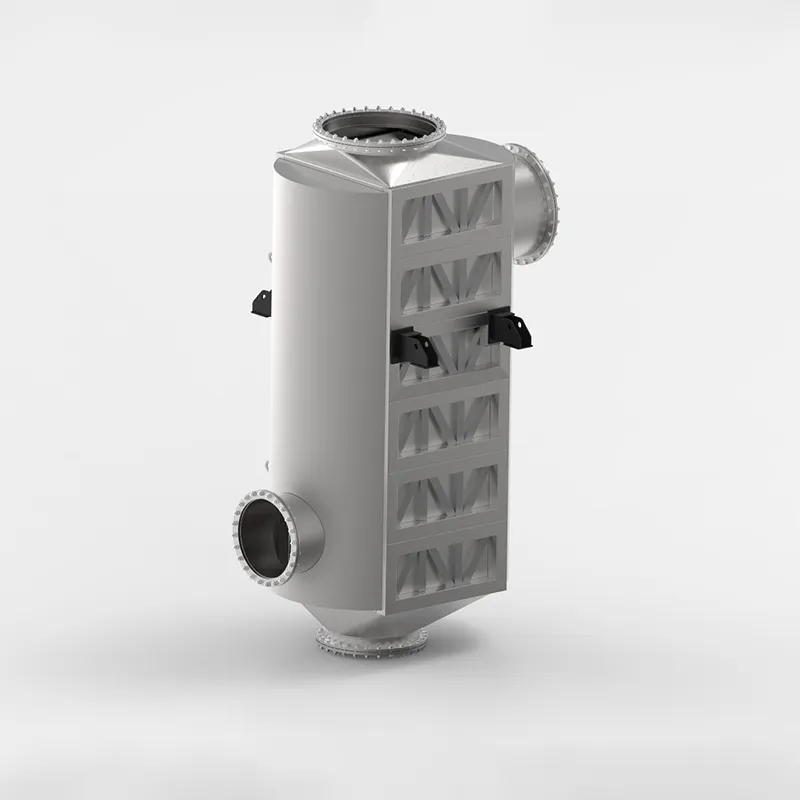
Unlike gasketed plate heat exchangers, the shell and plate design uses fully welded plate packs. This construction allows it to handle pressures up to 100 bar and temperatures reaching 500°C, depending on the materials selected. The circular shell provides excellent mechanical strength, distributing stress evenly across the plates.
This makes the design suitable for applications such as steam heating, thermal oil systems, and high-pressure gas cooling. Engineers can confidently specify these units for demanding environments without worrying about gasket failures or leakage at flanges.
Versatility in Fluid Handling
The shell and plate design can handle a wide range of fluids, including viscous liquids, slurries, and fluids with suspended solids. The plate pattern can be customized to create either narrow or wide gaps, accommodating different particle sizes and fouling potentials. For example, a wide-gap variant can process fluids with fibers or coarse particles that would clog traditional plate exchangers.
This flexibility reduces the need for multiple heat exchanger types in a plant, simplifying spare parts inventory and operator training. Many facilities use a single shell and plate unit for both clean process water and dirty cooling tower water, thanks to the self-cleaning flow paths.
Lower Maintenance and Longer Service Life
Because the plate pack is fully welded, there are no gaskets to replace, which is a common maintenance headache in bolted plate exchangers. The smooth plate surfaces and turbulent flow minimize scaling and fouling, so cleaning intervals are longer. When cleaning is required, the unit can often be cleaned in place using chemical circulation, avoiding full disassembly.
The robust construction also resists thermal fatigue and vibration, common failure modes in tube bundles. Many shell and plate units operate for 20 years or more with only routine inspections, making them a cost-effective long-term investment. For more details on specific engineered solutions, you can explore custom pillow plate designs or wide-gap welded plate heat exchangers.
Cost-Effectiveness Over the Full Lifecycle
While the initial purchase price of a shell and plate heat exchanger may be comparable to or slightly higher than some alternatives, the total cost of ownership is often lower. The reduced energy consumption from higher heat transfer efficiency directly cuts utility bills. The smaller footprint lowers installation costs, and the longer maintenance intervals reduce labor and chemical expenses.
Additionally, the design's durability means fewer replacement units over the plant's lifetime. For operations that run continuously, such as refineries or power plants, these savings add up substantially. The ability to handle multiple process conditions without modification also avoids costly redesigns or bypass loops.
Environmental and Operational Advantages
From an environmental standpoint, the shell and plate design supports sustainability goals. The high thermal efficiency reduces fuel consumption and associated emissions. The compact design uses less material—steel, stainless steel, or titanium—than conventional exchangers, lowering the carbon footprint of manufacturing and transportation.
Operationally, the unit provides stable performance even under fluctuating loads. The plate pack can be designed with multiple passes to optimize temperature profiles, ensuring consistent output quality. This reliability is especially valuable in sensitive processes like pharmaceutical production or food processing, where temperature deviations can spoil batches.

 English EN