English EN


What Are The Different Types of Plate Heat Exchangers
Plate Heat Exchangers include gasketed, brazed, welded, semi-welded, shell and plate, and specialty types for varied industrial uses.
More
Renewable energy systems, such as solar thermal plants and geothermal facilities, rely heavily on efficient heat transfer to maximize energy output. Heat exchangers designed for these applications offer improved thermal performance, reduced maintenance costs, and a longer operational lifespan. This article explores the practical advantages of using specialized heat exchangers in renewable energy projects, backed by real-world performance data.
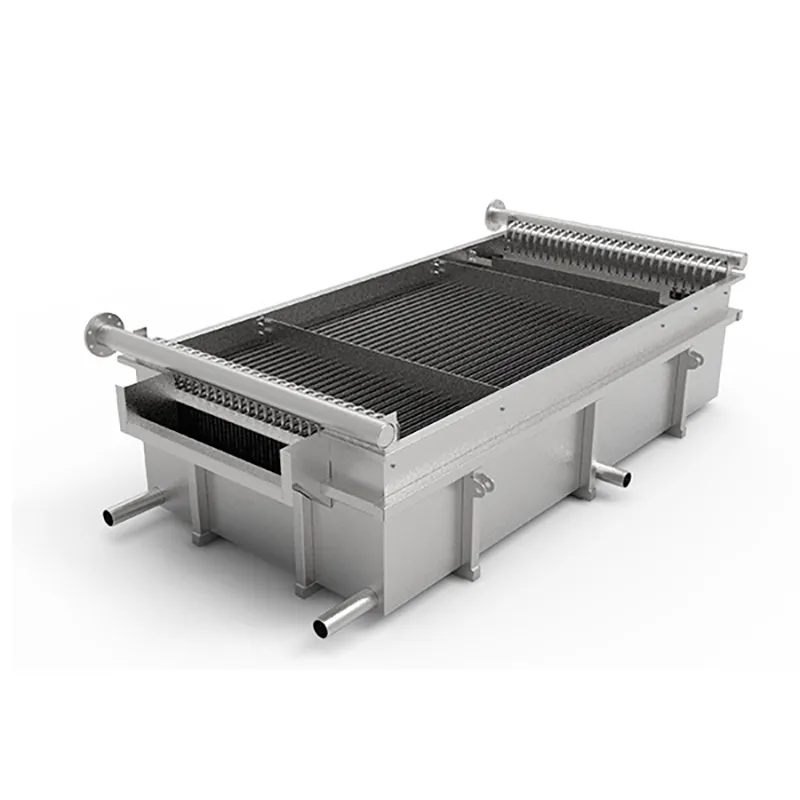
In solar thermal power plants, heat exchangers transfer heat from concentrated sunlight to a working fluid, which then drives a turbine. A well-designed plate heat exchanger can achieve thermal efficiency rates above 90%, significantly reducing heat loss. For instance, a parabolic trough plant using a gasketed plate heat exchanger can maintain a temperature differential of less than 5°C between the hot and cold streams, ensuring maximum energy capture. This efficiency directly translates into higher electricity generation per square meter of collector area.
Geothermal fluids often contain dissolved minerals and gases that can cause scaling and corrosion in conventional heat exchangers. Welded plate heat exchangers, such as those using titanium or stainless steel plates, resist these aggressive conditions. A geothermal plant in Iceland reported a 40% reduction in cleaning frequency after switching to a TP welded plate heat exchanger, with maintenance intervals extending from 3 months to over 12 months. This durability lowers operational costs and improves plant availability.
Renewable energy installations, especially in urban or constrained environments, benefit from compact equipment. Plate heat exchangers have a footprint that is 30% to 50% smaller than shell-and-tube alternatives for the same heat transfer capacity. A biomass district heating system in Sweden reduced its equipment room size by 25% by using a custom-engineered pillow plate heat exchanger, which also simplified piping connections. This space efficiency lowers civil engineering costs and speeds up project timelines.
Waste-to-energy facilities use heat exchangers to recover thermal energy from flue gases before they are released. A wide-gap welded plate heat exchanger can handle particulate-laden gases without clogging, achieving heat recovery rates of up to 85%. Data from a plant in Germany showed that installing a wide-gap welded plate heat exchanger increased overall plant efficiency by 12%, while reducing flue gas temperature from 300°C to 150°C. This recovered heat is often used to preheat combustion air or generate additional steam.
The materials and construction of modern heat exchangers are engineered for longevity. Printed circuit heat exchangers (PCHEs), for example, use diffusion bonding to create a monolithic structure that withstands high pressures and thermal cycling. In a concentrated solar power (CSP) plant in Spain, a PCHE unit operated for over 15 years without any plate failure, compared to an average 8-year lifespan for traditional shell-and-tube units. This extended service life lowers replacement costs and improves return on investment for renewable energy projects.
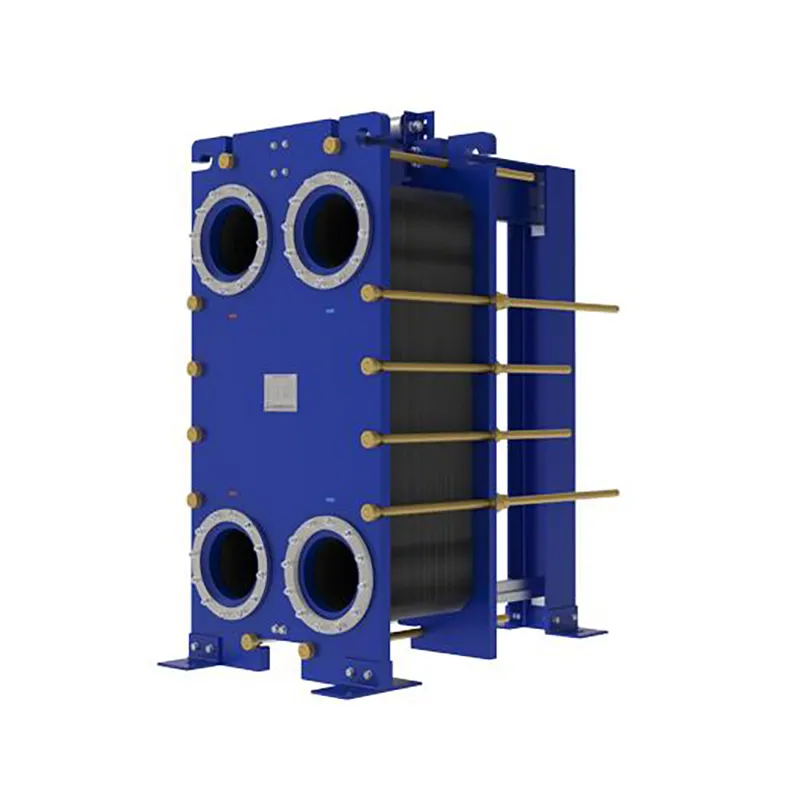
Heat exchangers are adaptable to various renewable technologies, from solar photovoltaic-thermal (PVT) hybrid panels to ocean thermal energy conversion (OTEC) systems. A gasketed plate heat exchanger can be configured for liquid-to-liquid or liquid-to-gas applications, making it suitable for both heating and cooling cycles. For example, a large-scale heat pump system in Norway used a gasketed plate heat exchanger to extract heat from seawater, achieving a coefficient of performance (COP) of 4.5. This flexibility allows engineers to standardize equipment across multiple projects, simplifying procurement and maintenance.
By improving heat transfer efficiency, renewable energy heat exchangers directly reduce the amount of primary energy needed to generate electricity or heat. A 10% improvement in heat exchanger performance can lower fuel consumption by 8% in a biomass plant, cutting CO2 emissions proportionally. Over a 20-year lifespan, a single large-scale heat exchanger in a geothermal plant can prevent the release of over 50,000 tons of carbon dioxide compared to a less efficient model. This aligns with global decarbonization goals and helps project developers meet regulatory requirements.
Renewable energy sources like solar and wind are inherently variable, requiring equipment that can handle fluctuating loads without performance degradation. Plate heat exchangers with multiple passes and adjustable flow paths maintain stable outlet temperatures even when inlet conditions change. A solar thermal plant in California reported that its custom-engineered printed circuit heat exchanger maintained thermal efficiency within 2% of its design point despite daily solar irradiance variations of up to 40%. This reliability ensures consistent energy output and protects downstream equipment from thermal stress.
We provide you with comprehensive foreign trade solutions to help enterprises achieve global development
Since the invention of the plate heat exchanger (PHE) in 1923, thermal technology has evolved from standard food-grade processing to highly complex industrial operations. At SHPHE, we take this classic, versatile design and transform it into highly bespoke heat transfer solutions tailored to your unique process fluids and thermal loads. While traditional gasketed PHEs offer high efficiency and compact footprints, SHPHE optimizes plate corrugations, metallurgy, and sealing systems to handle your specific chemical, HVAC, or energy recovery parameters. Our custom-engineered gasketed plate heat exchangers provide outstanding scalability and ease of maintenance, serving as an indispensable asset for heavy industries—including oil and gas, metallurgy, and food processing—where uptime, energy recovery, and long-term sustainability are top priorities.
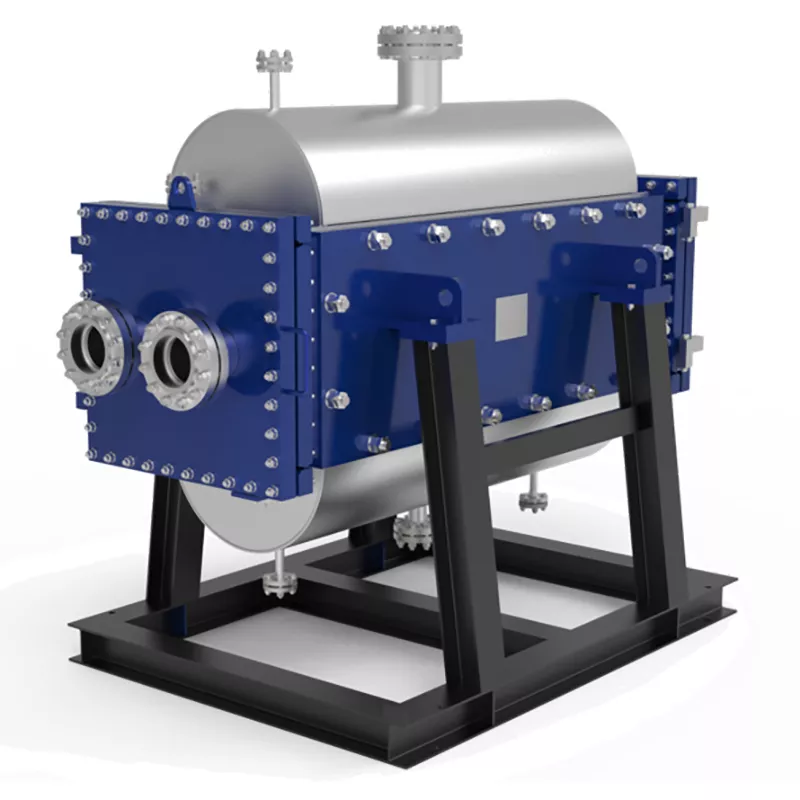
Industrial processes involving particle-laden slurries, high-viscosity syrups, or fiber-rich pulp demand more than standard equipment—they require target-engineered thermal management. At SHPHE, we configure the TP Welded Plate Heat Exchanger to directly conquer your plant's severe fouling, blockage, and erosion threats. Combining custom-tailored channel geometries, wear-resistant metallurgy, and integrated CIP (Cleaning-in-Place) systems, we deliver absolute production continuity where conventional heat exchangers fail.
Custom-Engineered for Severe Process Demands. At SHPHE, we don't just supply equipment; we design tailored thermal solutions. Our HT-Bloc welded plate heat exchangers are custom-configured by our experienced engineers to overcome your specific industry challenges—whether handling high-viscosity media, extreme temperatures, or strict space constraints.
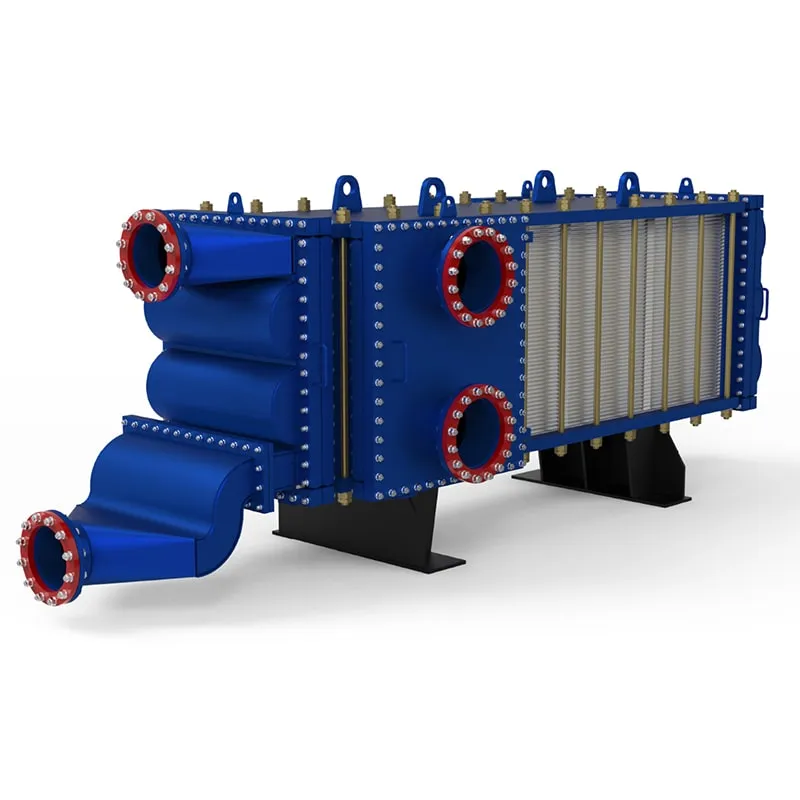
Custom-Engineered Anti-Clogging Solutions for High-Viscosity Slurries:
Deployed specifically to conquer severe industrial fouling, SHPHE wide gap welded plate heat exchangers are tailor-built to handle complex media containing dense fibers, coarse crystals, or solid suspensions without clogging. Each non-obstructed channel is calculated and formed by laser-welded plate packs matching your fluid’s exact rheology and grain size, completely eliminating structural "dead zones" and media stagnation. Available in highly compact vertical and versatile horizontal configurations, our vertical engineering drastically reduces plant footprints while maintaining unhindered product throughput, minimal pressure drops, and flawless continuous operations across harsh process loops.