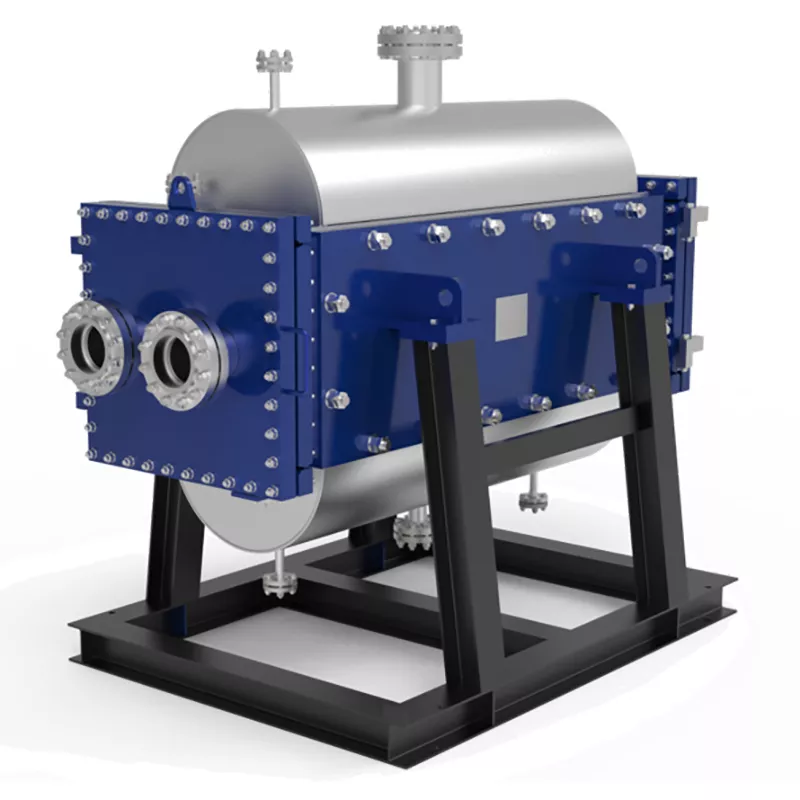
What Are The Different Types of Plate Heat Exchangers
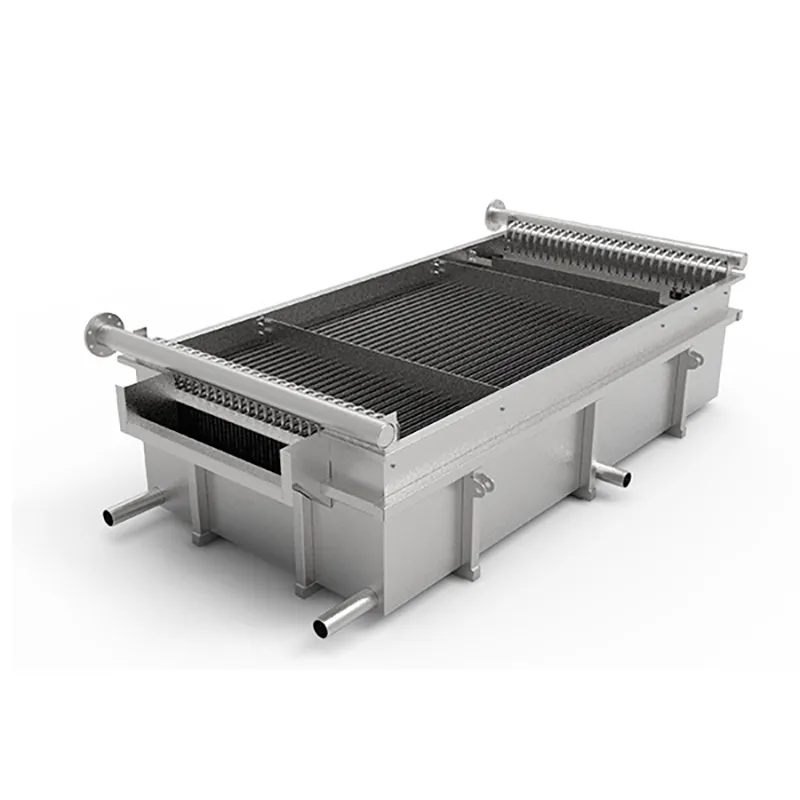
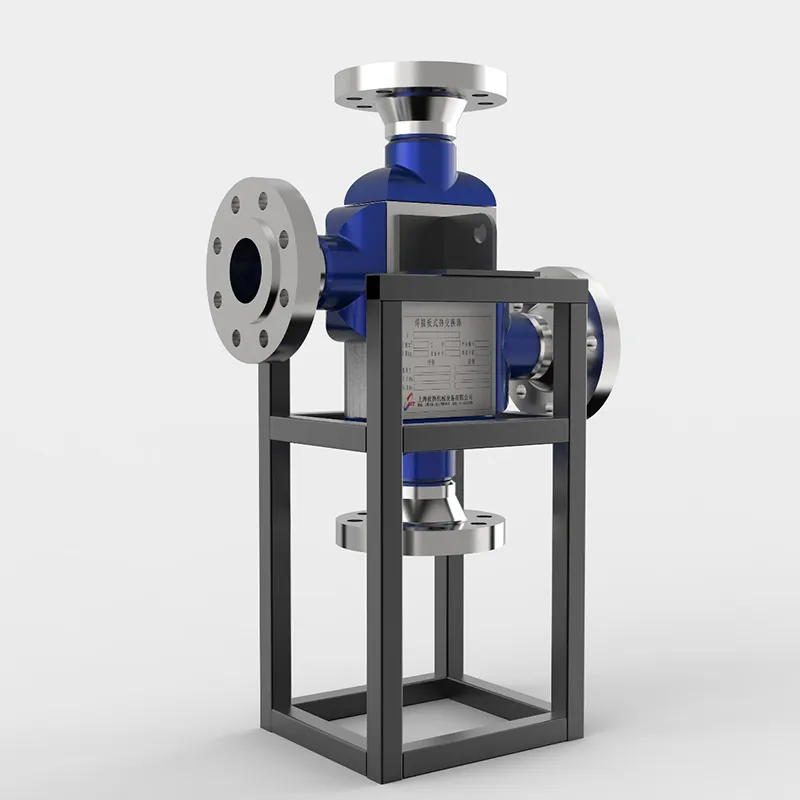
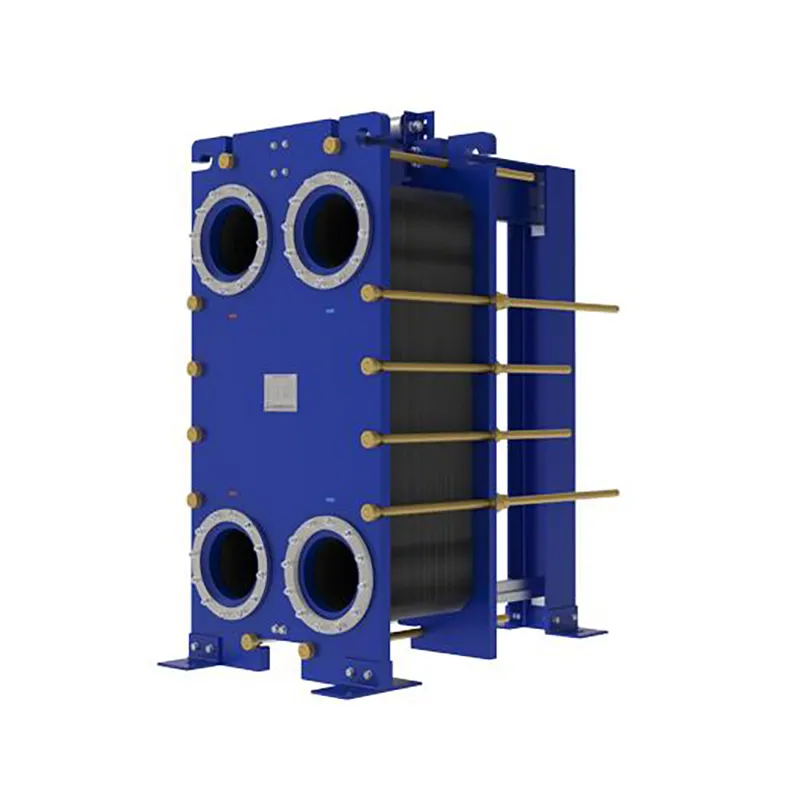
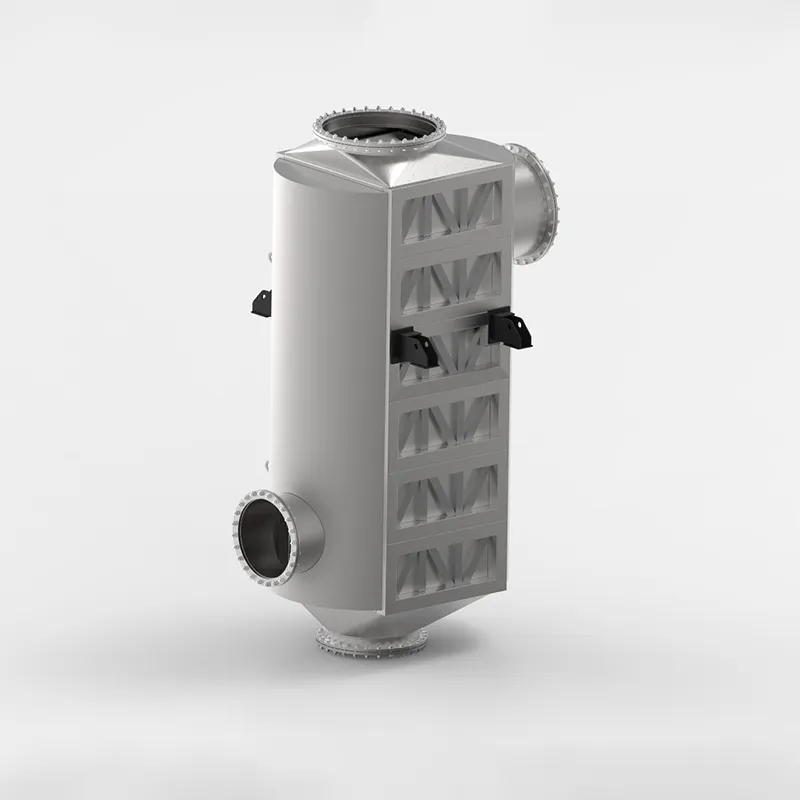
Plate Heat Exchangers include gasketed, brazed, welded, semi-welded, shell and plate, and specialty types for varied industrial uses.
MorePlate to plate heat exchangers are a compact and efficient solution for transferring heat between two fluids without mixing them. Widely used in HVAC, industrial processing, and refrigeration, these units offer superior thermal performance in a small footprint. In this article, we explore the real-world advantages that make them a practical choice for engineers and facility managers.
One of the standout benefits of a plate to plate heat exchanger is its high thermal efficiency. The corrugated plate design creates turbulent flow, which significantly improves the heat transfer coefficient compared to traditional shell-and-tube designs. For example, typical plate heat exchangers can achieve heat transfer coefficients ranging from 3,000 to 7,000 W/m²·K, depending on fluid properties and flow rates. This means you can achieve the same thermal duty with a much smaller surface area, saving both space and material costs.
Space is often at a premium in industrial plants and commercial buildings. Plate to plate heat exchangers are designed to be up to 80% smaller than shell-and-tube units for the same heat transfer capacity. A typical unit handling 500 kW of thermal load might measure just 1.2 meters in length, 0.5 meters in width, and weigh under 200 kg. This compact footprint allows for easier installation in tight mechanical rooms or retrofitting into existing systems without major structural changes.
Maintenance is straightforward with plate to plate heat exchangers. Most models feature a bolted design that allows the plate pack to be opened for inspection and cleaning. You can remove individual plates for manual cleaning or replacement without disturbing the piping. For applications prone to fouling, such as those involving hard water or process fluids with particulates, this accessibility reduces downtime. A typical cleaning cycle takes 2 to 4 hours, compared to a full day for a comparable shell-and-tube unit.
Plate to plate heat exchangers offer excellent flexibility. You can easily adjust the thermal capacity by adding or removing plates, which is ideal for systems that may need future expansion. For instance, a unit designed with 40 plates can be expanded to 60 plates to handle increased load, often without replacing the frame. Additionally, multiple pass arrangements (such as single-pass or multi-pass) can be configured to optimize temperature cross and pressure drop, making them suitable for a wide range of temperature and flow conditions.
The combination of high efficiency and compact design translates into lower operating costs. Because plate to plate heat exchangers require less pumping power to achieve the same heat transfer, energy consumption can be reduced by 10% to 20% compared to less efficient designs. The reduced material usage also means a lower initial purchase price. For a typical 300 kW application, a plate heat exchanger might cost 30% to 40% less than a shell-and-tube unit of similar duty, while also saving on installation and foundation costs.
Modern plate to plate heat exchangers are built to withstand demanding conditions. Plates are typically made from stainless steel (such as 304 or 316L) or titanium, offering excellent corrosion resistance. Gaskets are available in materials like EPDM, NBR, or Viton, rated for temperatures up to 180°C and pressures up to 25 bar. With proper maintenance, these units can last 15 to 20 years or more in clean service. For high-temperature or high-pressure applications, custom-engineered plate air preheaters provide additional robustness.
By improving heat recovery and reducing energy waste, plate to plate heat exchangers contribute to greener operations. In many industrial processes, they can recover up to 95% of waste heat, which can then be reused for preheating feed water or space heating. This not only lowers utility bills but also reduces carbon footprint. For example, a food processing plant using a plate heat exchanger for pasteurization can cut energy costs by 15% to 25% annually, while also reducing greenhouse gas emissions.
Plate to plate heat exchangers are versatile and used across many industries. Common applications include HVAC systems for district heating and cooling, chemical processing for heating or cooling corrosive fluids, food and beverage for pasteurization and sterilization, and power generation for oil cooling and condensate recovery. Their ability to handle close temperature approaches (as low as 1°C) makes them ideal for heat recovery duties. For specialized needs, such as handling viscous fluids or fluids with solids, wide gap welded plate heat exchangers offer a robust solution.
We provide you with comprehensive foreign trade solutions to help enterprises achieve global development