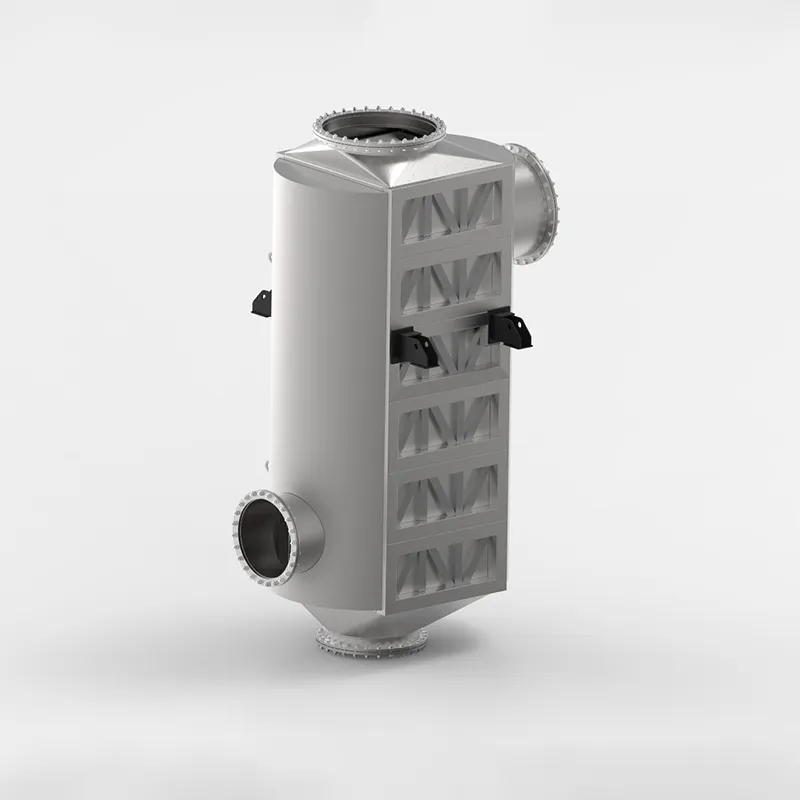
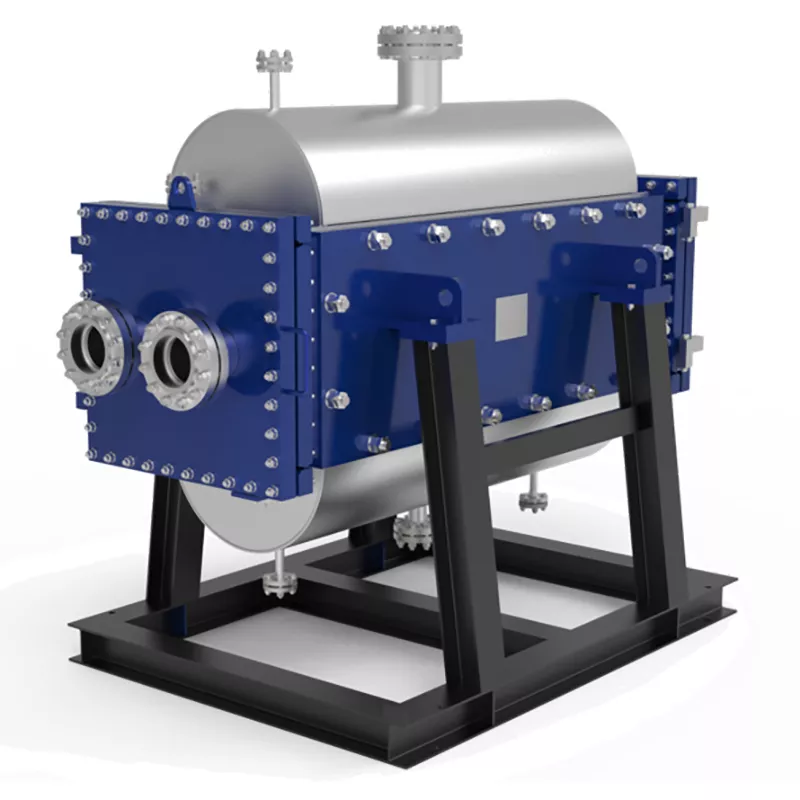
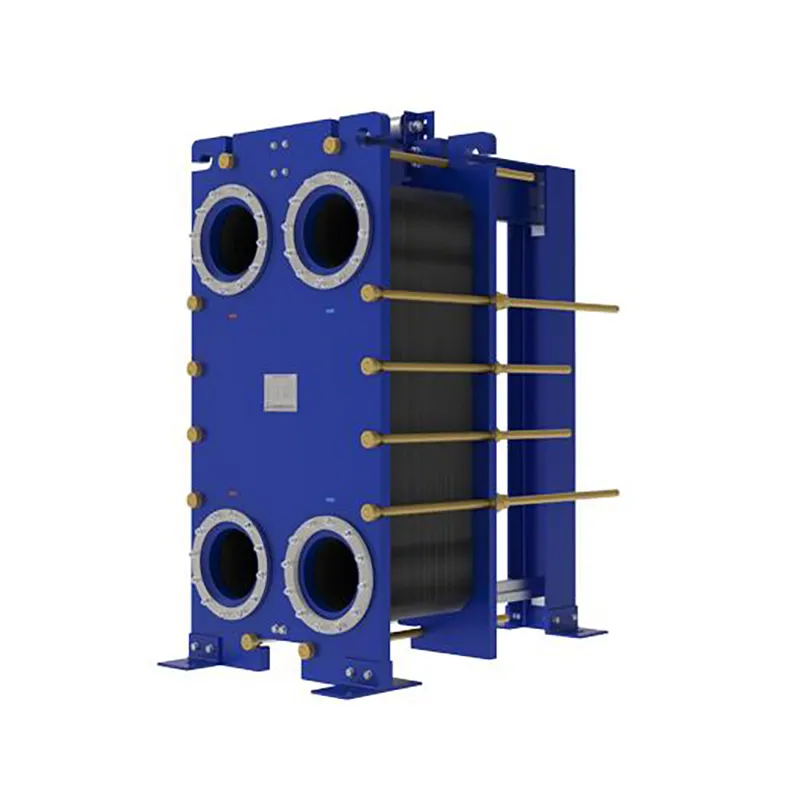
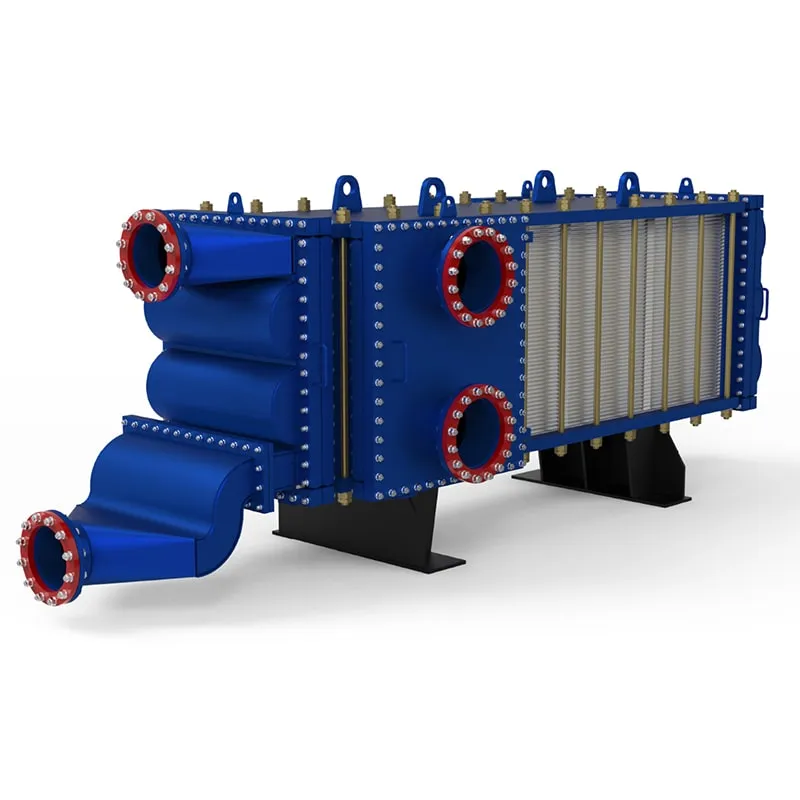
Industrial steam heat exchangers are a cornerstone of efficient thermal management in manufacturing, processing, and power generation. They transfer heat between steam and other fluids without direct contact, offering reliable performance in demanding environments. This article explores five key benefits that make these systems a smart choice for modern industrial operations, backed by real-world data and practical insights.
1. Enhanced Energy Efficiency and Cost Savings
Industrial steam heat exchangers are designed to maximize thermal transfer while minimizing energy loss. For example, a typical shell-and-tube steam heat exchanger can achieve thermal efficiencies of up to 95% when properly maintained. This high efficiency translates directly into lower fuel consumption and reduced operational costs. In a recent case study at a Midwest chemical plant, replacing an older heat exchanger with a modern steam model reduced annual energy expenses by 18%, saving over $120,000 per year. The key lies in the counterflow design, which maintains a consistent temperature gradient, ensuring that steam condenses efficiently and releases its latent heat to the process fluid.
2. Reliable and Consistent Temperature Control
Maintaining precise temperatures is critical in industries like food processing, pharmaceuticals, and petrochemicals. Steam heat exchangers provide stable heat transfer because steam condenses at a constant temperature for a given pressure. This allows operators to control process temperatures within ±1°C using simple pressure regulation. For instance, in a dairy pasteurization line, a gasketed plate heat exchanger using steam can hold milk at 72°C for 15 seconds with minimal fluctuation, meeting safety standards while preserving product quality. The absence of hot spots or cold spots reduces the risk of thermal degradation or incomplete processing.
3. Compact Design and Space Savings
Modern industrial steam heat exchangers, especially plate-and-frame and welded plate types, offer a high heat transfer surface area in a compact footprint. A welded plate heat exchanger can provide up to 500 square meters of surface area in a unit that measures just 2 meters by 1 meter. This is particularly valuable in facilities where floor space is at a premium. For example, a beverage bottling plant in Ohio was able to install a steam heat exchanger in a previously unused corner of the boiler room, freeing up 30% of the original equipment area for other uses. The compact design also simplifies installation and reduces structural support requirements.
4. Durability and Low Maintenance Requirements
Industrial environments expose equipment to high temperatures, pressure fluctuations, and corrosive fluids. Steam heat exchangers built with materials like stainless steel 316L or titanium can withstand these conditions for decades. A well-maintained shell-and-tube steam heat exchanger typically has a service life of 20 to 30 years. Maintenance is straightforward: periodic inspection of gaskets, cleaning of tube bundles to prevent fouling, and checking for steam leaks. In a refinery in Texas, a steam heat exchanger operating at 150 psi and 350°F required only annual cleaning and gasket replacement over a 15-year period, with no major repairs. This reliability minimizes downtime and keeps production schedules on track.
5. Versatility Across Multiple Applications
Steam heat exchangers are not limited to one type of process. They can heat water, oils, chemicals, and even gases, making them suitable for a wide range of industries. For example, in a textile mill, steam heat exchangers preheat dye baths to 90°C, while in a power plant, they preheat feedwater to improve boiler efficiency. The flexibility extends to pressure and temperature ranges: standard units handle steam pressures from 15 psi to 300 psi and temperatures up to 500°F. Custom-engineered options, such as printed circuit heat exchangers, can operate at even higher pressures for specialized applications. This adaptability means a single facility can use the same type of heat exchanger for multiple processes, simplifying inventory and training.
In summary, industrial steam heat exchangers deliver tangible benefits in energy efficiency, temperature precision, space utilization, durability, and versatility. Whether you are upgrading existing equipment or designing a new system, these advantages help reduce costs and improve process reliability. Real-world data from various industries confirms that investing in a quality steam heat exchanger pays off through lower energy bills, less downtime, and consistent product quality. For more detailed specifications on specific models, you can explore resources like gasketed plate heat exchangers or wide gap welded plate heat exchangers to find the right fit for your operation.

 English EN