English EN


What Are The Different Types of Plate Heat Exchangers
Plate Heat Exchangers include gasketed, brazed, welded, semi-welded, shell and plate, and specialty types for varied industrial uses.
More
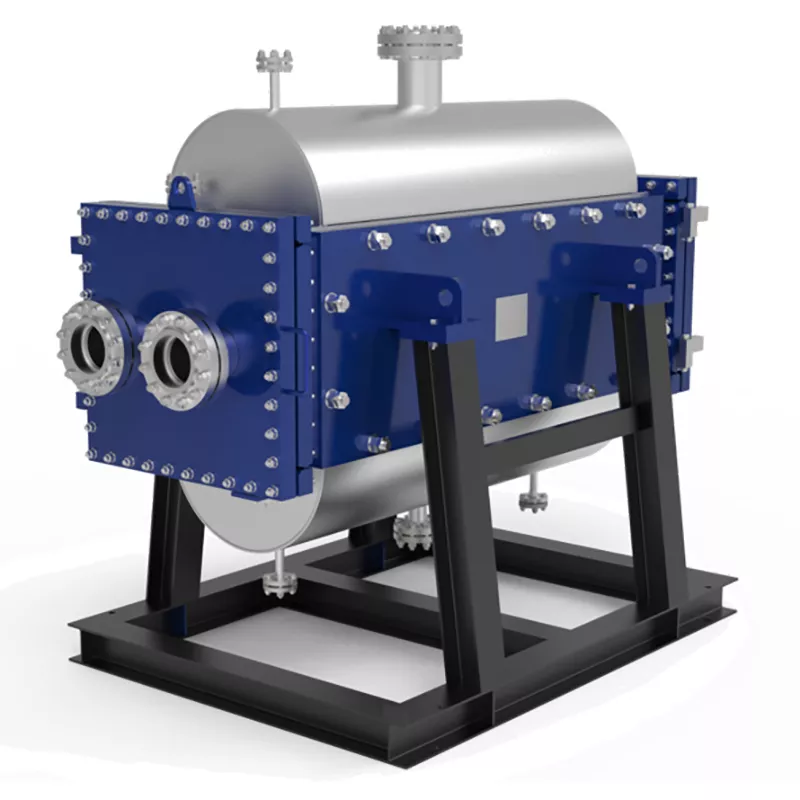
Plate heat exchangers are widely used in HVAC, food processing, chemical plants, and power generation because of their compact design and high heat transfer efficiency. Over time, deposits such as scale, sludge, grease, or biological film accumulate on the plate surfaces. This fouling layer acts as an insulator, reducing heat transfer and increasing pressure drop. In severe cases, it can lead to corrosion or even complete blockage of flow channels. Regular cleaning restores performance and prevents unplanned downtime.
Understanding what you are dealing with helps you choose the right cleaning approach. The most common fouling types include:
There are two main approaches to cleaning plate heat exchangers: Clean-in-Place (CIP) and manual disassembly cleaning. CIP is preferred for routine maintenance because it does not require opening the unit. A cleaning solution is circulated through the exchanger at controlled temperature and flow rate. For heavy fouling or when CIP is not effective, manual cleaning becomes necessary. This involves removing the plates and scrubbing them individually.
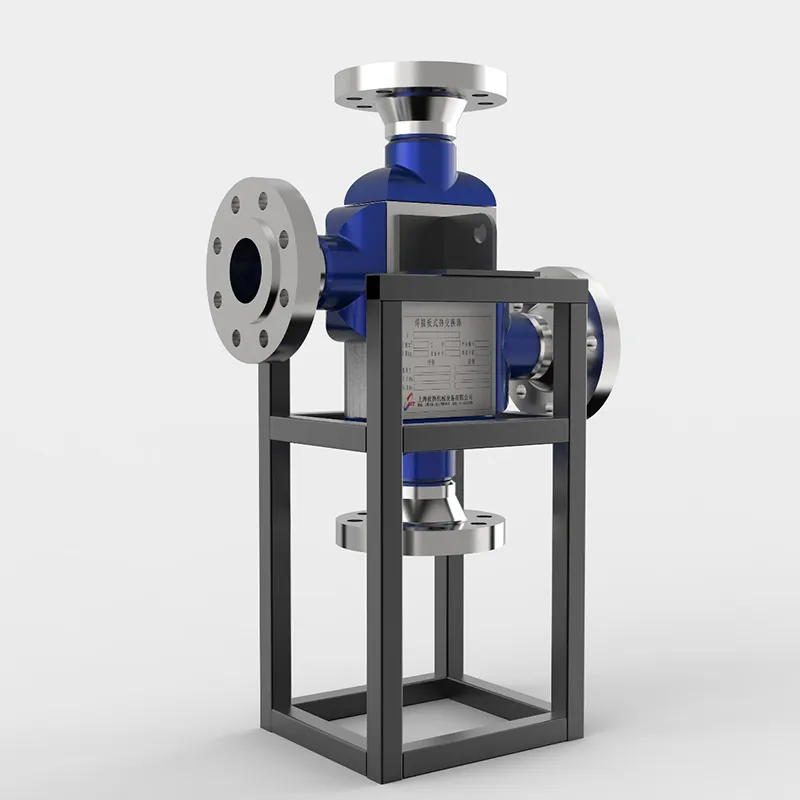
For most industrial applications, a standard CIP cycle includes the following stages:
Always follow the chemical manufacturer’s safety data sheet and ensure compatibility with your plate material (stainless steel, titanium, etc.).
When you need to open the exchanger, start by carefully removing the plates and laying them on a clean surface. Use a soft brush or non-abrasive pad to avoid scratching the surface. For stubborn deposits, soak the plates in a suitable cleaning solution before scrubbing. Rinse each plate with high-pressure water and inspect for damage such as cracks or pitting. Reassemble with new gaskets if needed, and tighten to the manufacturer’s specified torque.
Cleaning frequency depends on the application and operating conditions. In clean water systems, a yearly cleaning may be sufficient. For processes with high fouling potential, such as dairy pasteurization or chemical processing, cleaning every 1–3 months is common. Monitor key indicators like pressure drop increase of 15–20% or a noticeable drop in heat transfer efficiency to schedule cleaning proactively.
Always isolate the heat exchanger from the system and relieve pressure before starting any cleaning. Wear appropriate personal protective equipment, including gloves and safety glasses. When using chemical cleaners, ensure proper ventilation and follow disposal regulations. Never mix different cleaning agents, as this can produce hazardous gases.
For more detailed information on specific heat exchanger designs and maintenance guidelines, you can explore resources on gasketed plate heat exchangers and other industrial heat transfer solutions.
We provide you with comprehensive foreign trade solutions to help enterprises achieve global development
Industrial processes involving particle-laden slurries, high-viscosity syrups, or fiber-rich pulp demand more than standard equipment—they require target-engineered thermal management. At SHPHE, we configure the TP Welded Plate Heat Exchanger to directly conquer your plant's severe fouling, blockage, and erosion threats. Combining custom-tailored channel geometries, wear-resistant metallurgy, and integrated CIP (Cleaning-in-Place) systems, we deliver absolute production continuity where conventional heat exchangers fail.
Custom-Engineered for Severe Process Demands. At SHPHE, we don't just supply equipment; we design tailored thermal solutions. Our HT-Bloc welded plate heat exchangers are custom-configured by our experienced engineers to overcome your specific industry challenges—whether handling high-viscosity media, extreme temperatures, or strict space constraints.
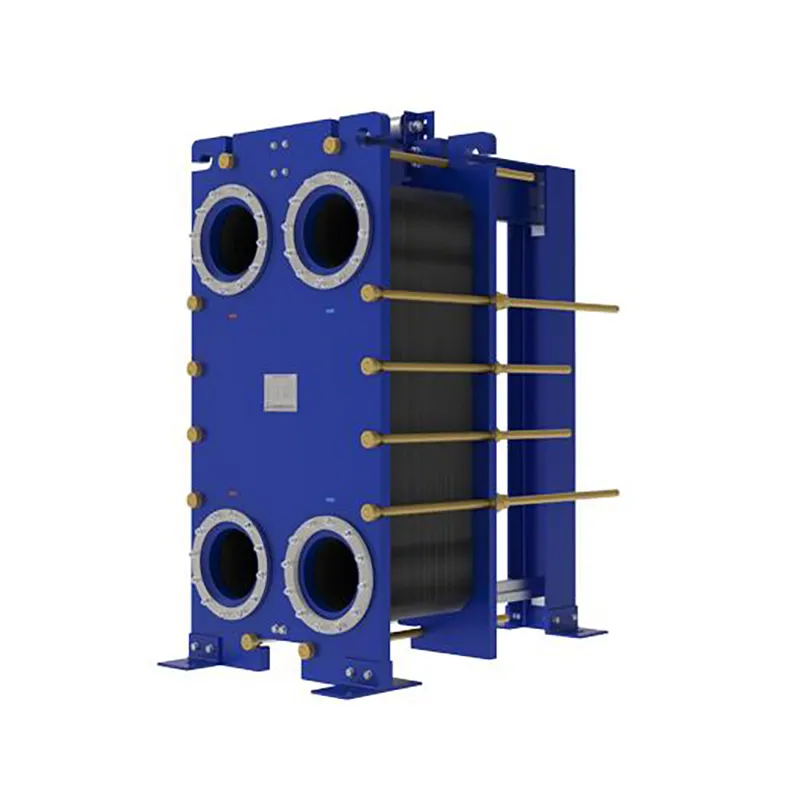
Since the invention of the plate heat exchanger (PHE) in 1923, thermal technology has evolved from standard food-grade processing to highly complex industrial operations. At SHPHE, we take this classic, versatile design and transform it into highly bespoke heat transfer solutions tailored to your unique process fluids and thermal loads. While traditional gasketed PHEs offer high efficiency and compact footprints, SHPHE optimizes plate corrugations, metallurgy, and sealing systems to handle your specific chemical, HVAC, or energy recovery parameters. Our custom-engineered gasketed plate heat exchangers provide outstanding scalability and ease of maintenance, serving as an indispensable asset for heavy industries—including oil and gas, metallurgy, and food processing—where uptime, energy recovery, and long-term sustainability are top priorities.
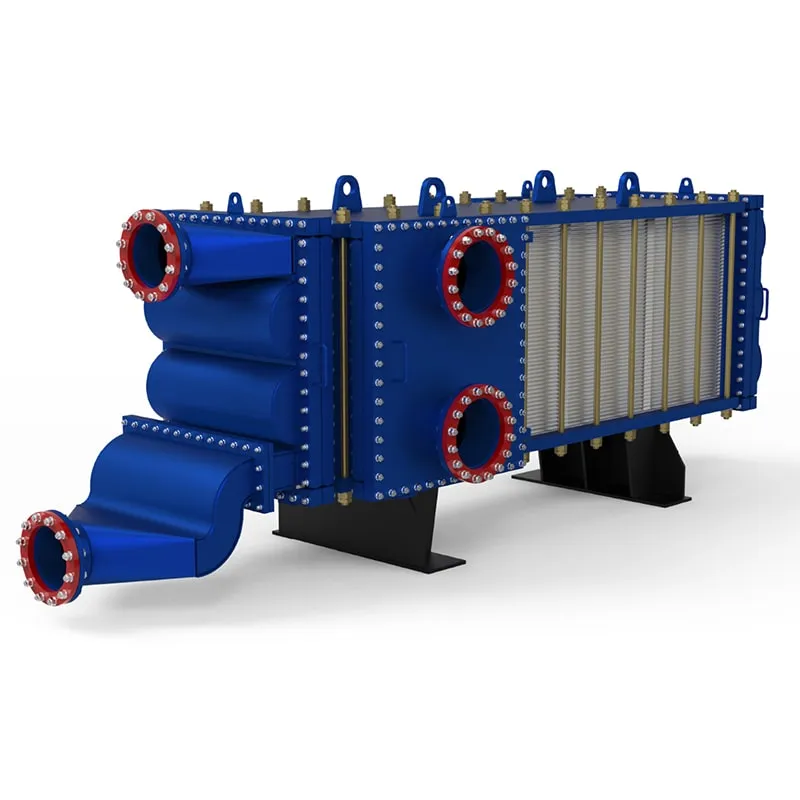
Custom-Engineered Anti-Clogging Solutions for High-Viscosity Slurries:
Deployed specifically to conquer severe industrial fouling, SHPHE wide gap welded plate heat exchangers are tailor-built to handle complex media containing dense fibers, coarse crystals, or solid suspensions without clogging. Each non-obstructed channel is calculated and formed by laser-welded plate packs matching your fluid’s exact rheology and grain size, completely eliminating structural "dead zones" and media stagnation. Available in highly compact vertical and versatile horizontal configurations, our vertical engineering drastically reduces plant footprints while maintaining unhindered product throughput, minimal pressure drops, and flawless continuous operations across harsh process loops.