English EN


What Are The Different Types of Plate Heat Exchangers
Plate Heat Exchangers include gasketed, brazed, welded, semi-welded, shell and plate, and specialty types for varied industrial uses.
More
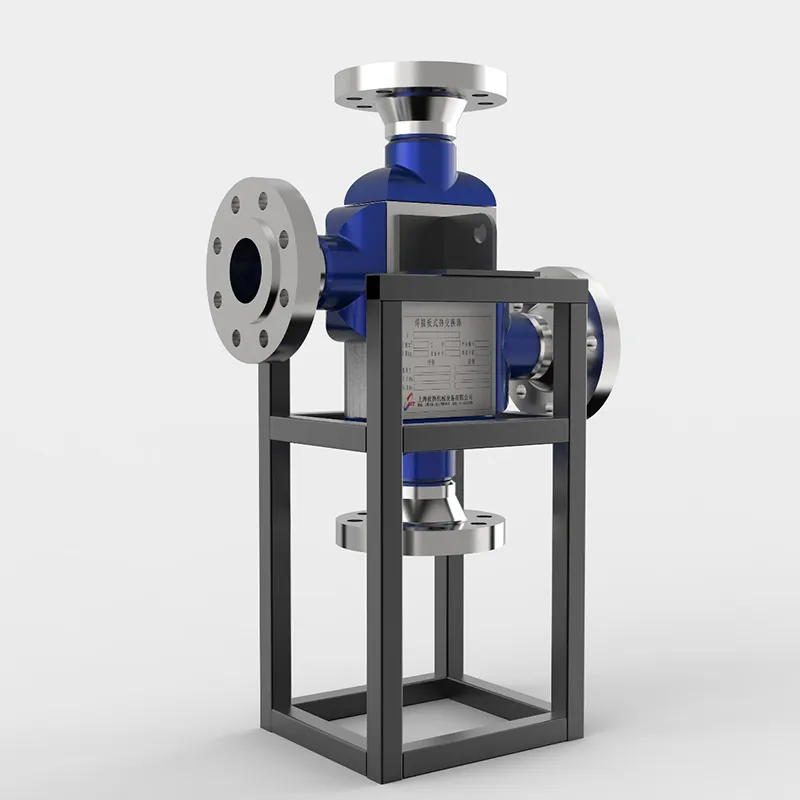
Plate and frame heat exchangers are widely used in HVAC, food processing, chemical plants, and power generation because of their compact design and high heat transfer efficiency. Over time, deposits such as scale, sludge, grease, or biofilm accumulate on the plate surfaces. This fouling layer acts as an insulator, reducing heat transfer rates and increasing pressure drop. In severe cases, it can lead to flow blockage or even plate damage. Regular cleaning not only restores performance but also prevents costly repairs and unplanned shutdowns.
Understanding what you are dealing with helps you choose the right cleaning method. The most common fouling types include:
There are two primary approaches to cleaning plate and frame heat exchangers: Clean-in-Place (CIP) and manual disassembly cleaning. CIP is ideal for light to moderate fouling and when you want to minimize downtime. It involves circulating cleaning solutions through the exchanger without opening it. Manual cleaning is necessary for heavy fouling or when plates need physical scrubbing. Many facilities combine both methods for best results.
For CIP, you typically follow a sequence: first flush with water to remove loose debris, then circulate a suitable cleaning agent at a controlled temperature and flow rate. For scale removal, use a dilute acid solution (e.g., 5% phosphoric or citric acid). For organic fouling, an alkaline detergent works well. Always rinse thoroughly after cleaning and check pH to ensure neutralization. The cleaning time depends on fouling severity but usually ranges from 30 minutes to 2 hours.
When you need to open the unit, start by isolating the exchanger and relieving pressure. Carefully remove the tie bolts and slide out the plate pack. Use a soft brush or non-abrasive pad along with a cleaning solution to scrub each plate. Avoid using steel wool or wire brushes, as they can damage the plate surface and gaskets. Rinse each plate with clean water and inspect for cracks or deformation before reassembly. Torque the bolts to the manufacturer's specifications to avoid leaks.
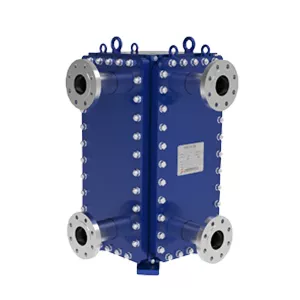
How often you clean depends on your operating conditions. In many HVAC systems with treated water, cleaning once a year is sufficient. For food processing plants handling dairy or juices, cleaning every few weeks or even after each production batch is common. Monitor key indicators like outlet temperature drop, pressure increase, or flow reduction to schedule cleaning proactively. Keeping a log of cleaning dates and performance data helps you optimize the interval.
Always follow safety guidelines when handling cleaning chemicals. Wear appropriate personal protective equipment, including gloves and safety glasses. Ensure the system is depressurized and drained before opening. When using acids or alkalis, dilute them according to the manufacturer's instructions and never mix different chemicals. For more details on specific heat exchanger types, you can refer to resources like gasketed plate heat exchangers or welded plate heat exchangers for tailored guidance.
If performance does not improve after cleaning, check for gasket damage, plate misalignment, or internal leaks. A pressure test can help identify issues. Also, ensure that the flow direction during cleaning is the same as normal operation to avoid dislodging debris into other parts of the system. In some cases, reversing the flow during CIP can enhance cleaning effectiveness.
Proper cleaning of your plate and frame heat exchanger is a straightforward yet critical maintenance task. By identifying the fouling type, choosing the right method, and sticking to a regular schedule, you can keep your equipment running efficiently for years. Remember to always prioritize safety and consult manufacturer guidelines for your specific model. With consistent care, your heat exchanger will deliver reliable performance and lower operating costs.
We provide you with comprehensive foreign trade solutions to help enterprises achieve global development
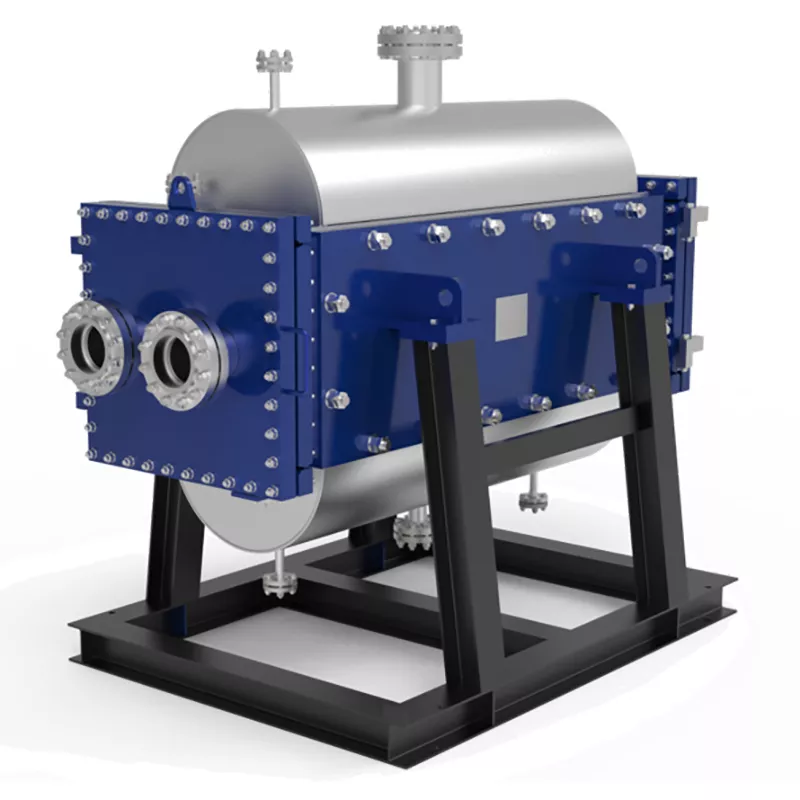
Industrial processes involving particle-laden slurries, high-viscosity syrups, or fiber-rich pulp demand more than standard equipment—they require target-engineered thermal management. At SHPHE, we configure the TP Welded Plate Heat Exchanger to directly conquer your plant's severe fouling, blockage, and erosion threats. Combining custom-tailored channel geometries, wear-resistant metallurgy, and integrated CIP (Cleaning-in-Place) systems, we deliver absolute production continuity where conventional heat exchangers fail.
Custom-Engineered for Severe Process Demands. At SHPHE, we don't just supply equipment; we design tailored thermal solutions. Our HT-Bloc welded plate heat exchangers are custom-configured by our experienced engineers to overcome your specific industry challenges—whether handling high-viscosity media, extreme temperatures, or strict space constraints.
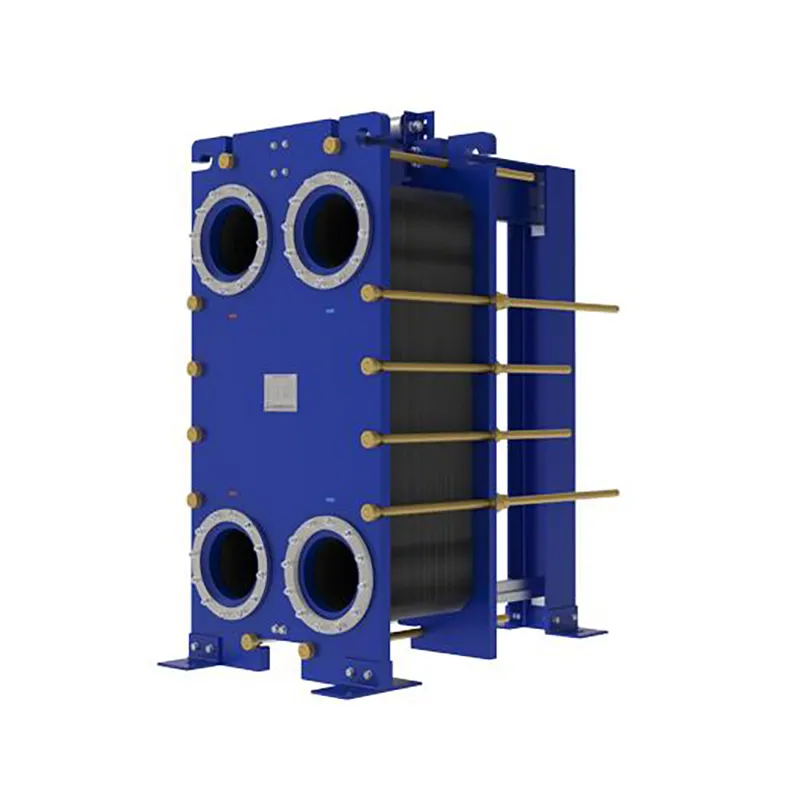
Since the invention of the plate heat exchanger (PHE) in 1923, thermal technology has evolved from standard food-grade processing to highly complex industrial operations. At SHPHE, we take this classic, versatile design and transform it into highly bespoke heat transfer solutions tailored to your unique process fluids and thermal loads. While traditional gasketed PHEs offer high efficiency and compact footprints, SHPHE optimizes plate corrugations, metallurgy, and sealing systems to handle your specific chemical, HVAC, or energy recovery parameters. Our custom-engineered gasketed plate heat exchangers provide outstanding scalability and ease of maintenance, serving as an indispensable asset for heavy industries—including oil and gas, metallurgy, and food processing—where uptime, energy recovery, and long-term sustainability are top priorities.
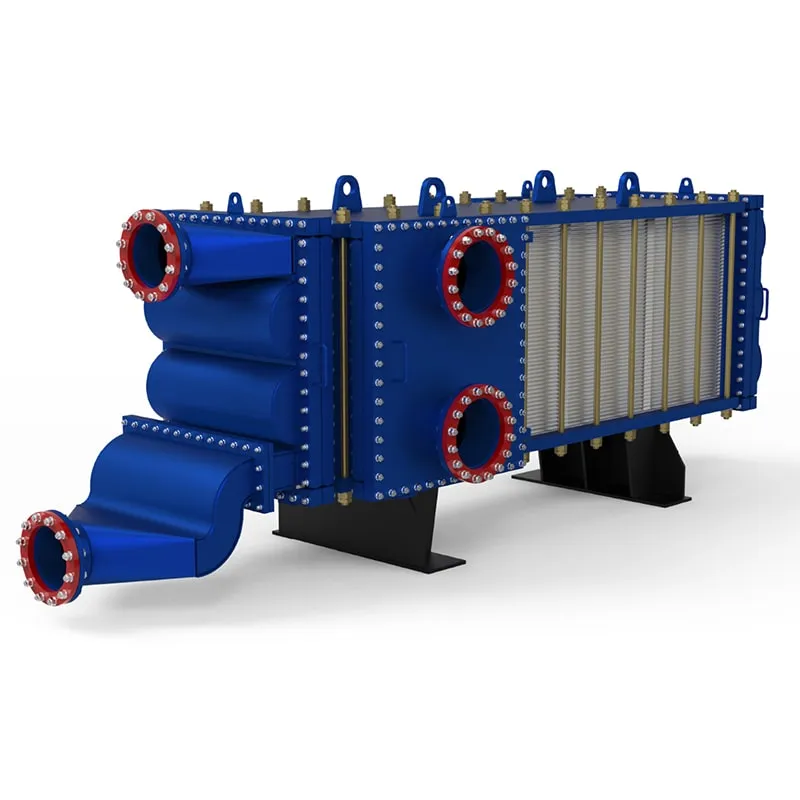
Custom-Engineered Anti-Clogging Solutions for High-Viscosity Slurries:
Deployed specifically to conquer severe industrial fouling, SHPHE wide gap welded plate heat exchangers are tailor-built to handle complex media containing dense fibers, coarse crystals, or solid suspensions without clogging. Each non-obstructed channel is calculated and formed by laser-welded plate packs matching your fluid’s exact rheology and grain size, completely eliminating structural "dead zones" and media stagnation. Available in highly compact vertical and versatile horizontal configurations, our vertical engineering drastically reduces plant footprints while maintaining unhindered product throughput, minimal pressure drops, and flawless continuous operations across harsh process loops.