Flat Plate Heat Exchanger: Top Benefits & Best Applications
Flat plate heat exchangers are widely used in industrial and HVAC systems for efficient thermal transfer. This article explores the key advantages of these compact units, including high heat transfer coefficients, ease of maintenance, and space-saving design. We also look at practical applications in chemical processing, food production, and energy recovery, helping you decide if this technology fits your needs.
What Is a Flat Plate Heat Exchanger?
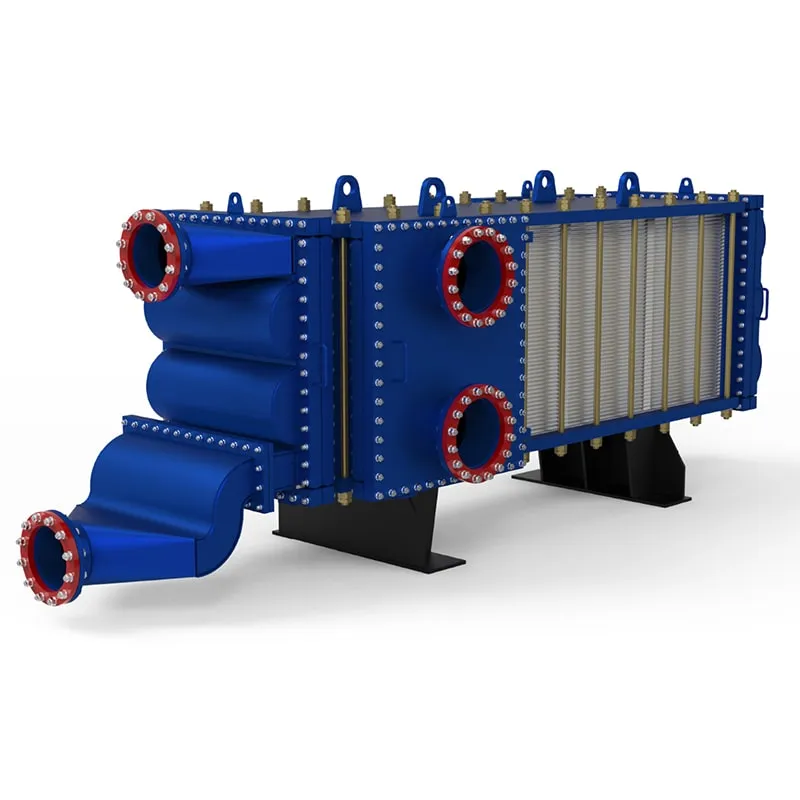
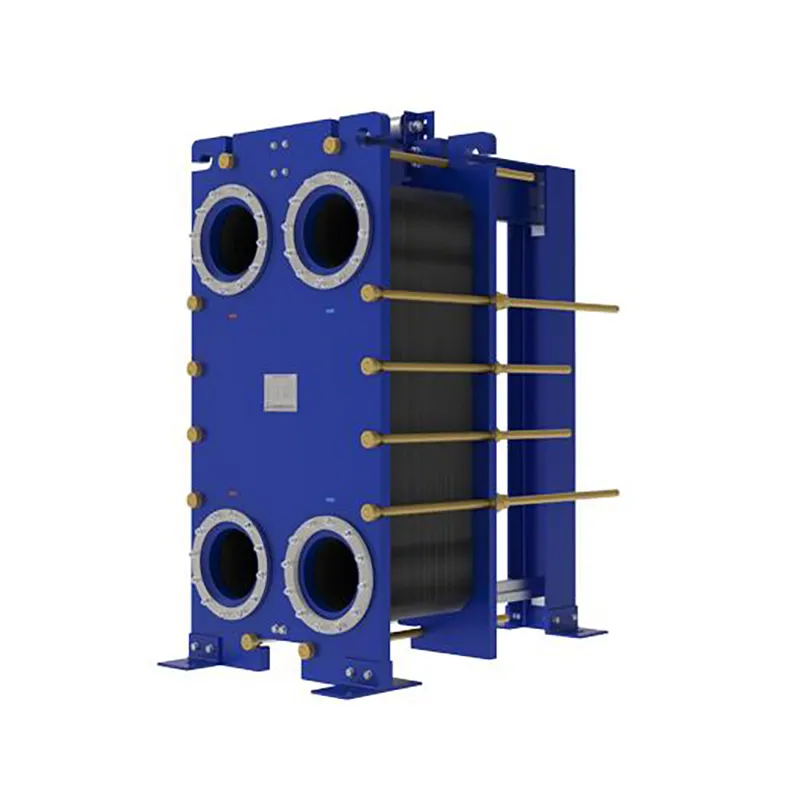
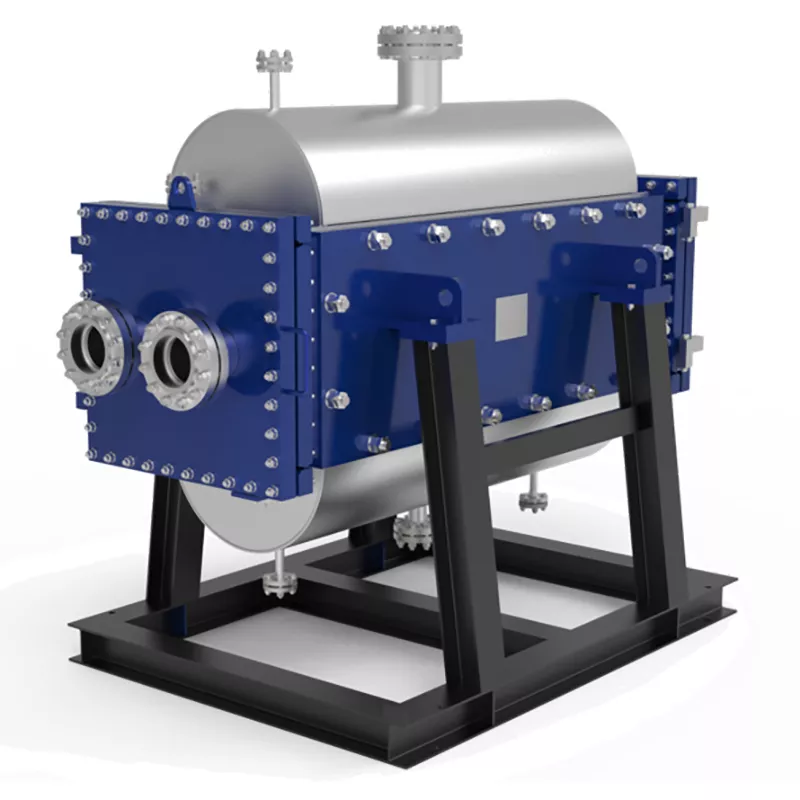
A flat plate heat exchanger consists of a series of thin, corrugated metal plates stacked together. These plates create separate channels for hot and cold fluids, allowing heat to transfer efficiently across the plate surfaces. Unlike shell-and-tube designs, flat plate units offer a much larger surface area in a compact footprint. Typical plate materials include stainless steel 304 or 316, with thicknesses ranging from 0.4 mm to 0.8 mm, depending on pressure requirements. Gaskets or welded seams seal the edges to prevent mixing of the two fluid streams.
Top Benefits of Flat Plate Heat Exchangers
High thermal efficiency – The corrugated plate pattern creates turbulent flow even at low velocities, which significantly improves the heat transfer coefficient. In many applications, the overall heat transfer coefficient (U-value) can reach 3000 to 7000 W/m²·K for water-to-water duties, compared to 500 to 1500 for shell-and-tube units. This means you can achieve the same heat duty with a much smaller unit.
Compact and lightweight – Because of the high surface-area-to-volume ratio, flat plate exchangers typically require 30% to 50% less floor space than equivalent shell-and-tube models. This is a major advantage in retrofits or tight installations.
Easy maintenance and expandability – Gasketed plate designs allow you to open the unit, inspect or clean each plate, and replace individual plates if needed. You can also add or remove plates to adjust the heat transfer capacity without buying a new unit. For example, a standard gasketed model with 50 plates can be expanded to 80 plates to handle increased flow rates.
Low fouling and easy cleaning – The smooth plate surfaces and turbulent flow reduce the buildup of scale, sludge, or other deposits. When cleaning is required, the plates can be accessed quickly. In food and dairy applications, this is especially valuable for meeting hygiene standards.
Close temperature approach – Flat plate exchangers can achieve a temperature approach as low as 1°C to 2°C, which is difficult to match with other designs. This makes them ideal for heat recovery and processes where precise temperature control matters.
Best Applications for Flat Plate Heat Exchangers
HVAC and district heating – In commercial buildings and district energy systems, flat plate units are commonly used for heating, cooling, and domestic hot water production. Their compact size fits well in mechanical rooms, and the high efficiency reduces energy costs. For instance, a 200 kW district heating substation using a flat plate exchanger can be installed in a cabinet less than 1 meter wide.
Chemical and pharmaceutical processing – These industries often require precise temperature control and resistance to corrosive fluids. Flat plate exchangers made from titanium or Hastelloy can handle aggressive chemicals. The ability to open and inspect the plates is also critical for batch processes where cross-contamination must be avoided.
Food and beverage production – Pasteurization, sterilization, and cooling of liquids like milk, juice, beer, and sauces rely heavily on flat plate heat exchangers. The smooth plate surfaces and gasketed design allow for thorough cleaning-in-place (CIP) cycles. A typical dairy pasteurizer uses a multi-section plate heat exchanger to heat, hold, and cool the product in a single unit.
Industrial heat recovery – Many factories use flat plate exchangers to capture waste heat from exhaust streams or hot process fluids. The recovered heat can preheat incoming water or air, reducing overall energy consumption. For example, a textile dyeing plant might recover 60% of the heat from hot dye baths using a plate heat exchanger, cutting steam costs by 15% to 20%.
Marine and offshore applications – The compact and corrosion-resistant nature of flat plate exchangers makes them a good fit for ships and oil platforms, where space is limited and saltwater exposure is common. They are used for engine cooling, hydraulic oil cooling, and freshwater generation.
Key Considerations When Choosing a Flat Plate Heat Exchanger
While flat plate heat exchangers offer many advantages, they are not ideal for every situation. They generally operate at pressures up to 25 bar and temperatures up to 200°C for gasketed designs. For higher pressures or temperatures, welded or brazed plate units are available, but they are less serviceable. Fluids with large particles or fibrous materials may clog the narrow channels (typically 2 to 5 mm gap), so a strainer or filter is often recommended upstream. Also, the gaskets in standard models may degrade over time when exposed to certain chemicals or high temperatures, so material compatibility should be checked.
Comparing Flat Plate to Other Heat Exchanger Types
When compared to shell-and-tube exchangers, flat plate units typically offer 2 to 4 times higher heat transfer coefficients, require less space, and are easier to clean. However, shell-and-tube designs can handle higher pressures (up to 100 bar or more) and are more tolerant of dirty fluids. For air-to-air or gas-to-gas applications, finned-tube or plate-fin exchangers are often more suitable. For very high temperature or high pressure duties, printed circuit heat exchangers or welded block designs may be better options.
Maintenance Tips for Long Service Life
To keep your flat plate heat exchanger running efficiently, inspect gaskets annually and replace them if they show signs of hardening or cracking. Clean the plates at least once a year, or more frequently if fouling is observed. Use a soft brush and mild detergent to avoid scratching the plate surfaces. When reassembling, tighten the bolts evenly to the manufacturer's recommended torque to prevent leaks. For welded or brazed units, monitor pressure drops regularly—an increase of 15% to 20% often indicates fouling that requires chemical cleaning.
Conclusion
Flat plate heat exchangers deliver high thermal performance in a compact, serviceable package. Their benefits—efficiency, space savings, easy maintenance, and close temperature approach—make them a strong choice for many industries, from HVAC and food processing to chemical plants and marine systems. When selecting a unit, consider your operating pressure, temperature, fluid properties, and cleaning requirements. With proper selection and routine care, a flat plate heat exchanger can provide reliable service for 15 to 20 years or more.

 English EN