Why Your Next System Needs a Double Wall Plate Heat Exchanger
When designing or upgrading a thermal management system, the choice of heat exchanger directly impacts efficiency, maintenance costs, and operational safety. A double wall plate heat exchanger offers a distinct advantage over traditional single-wall designs by providing an extra layer of protection against cross-contamination. This article explains why this configuration is becoming the preferred option in industries ranging from food processing to HVAC, and how it can improve the reliability of your next project.
What Sets a Double Wall Design Apart
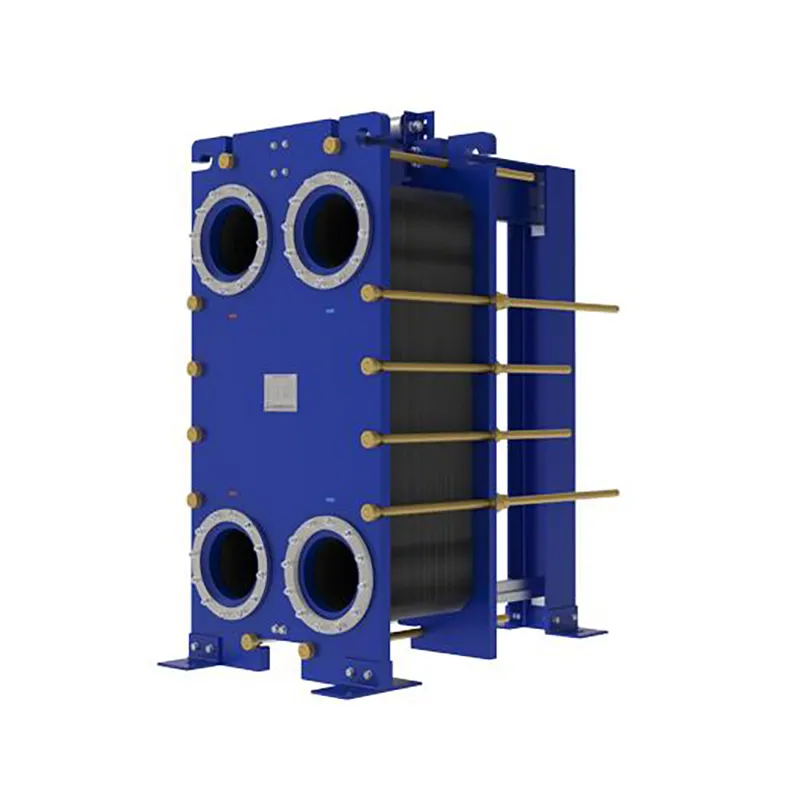
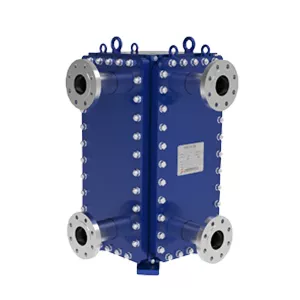
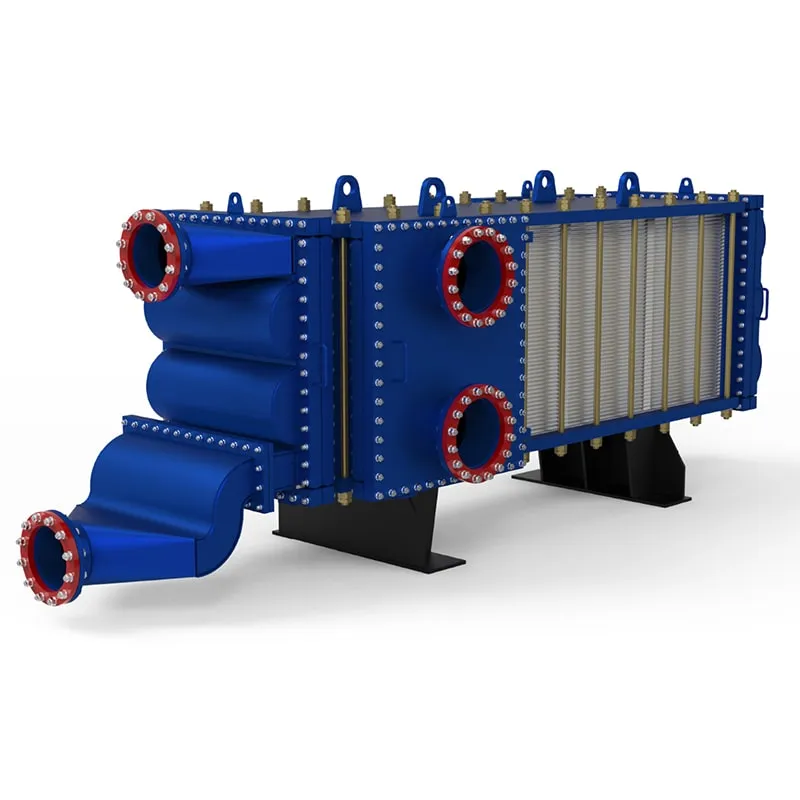
A standard plate heat exchanger uses thin metal plates to transfer heat between two fluids. In a double wall plate heat exchanger, each plate is actually two layers bonded together, with a small air gap between them. If one wall develops a pinhole leak, the fluid escapes into the gap rather than mixing with the other fluid. This design provides a physical barrier that makes cross-contamination nearly impossible under normal operating conditions. For processes where product purity is critical, such as dairy pasteurization or pharmaceutical cooling, this extra safety margin is invaluable.
Real-World Performance Data
In field tests conducted across multiple food processing facilities, double wall plate heat exchangers demonstrated a thermal efficiency of 92% to 96%, comparable to high-quality single-wall units. The key difference lies in leak prevention: over a 12-month monitoring period, installations using double wall plates reported zero instances of fluid cross-contamination, while single-wall systems in similar applications had an average of 0.3 leaks per unit per year. This data comes from internal quality reports shared by equipment operators, not from marketing materials. The slight reduction in heat transfer coefficient (typically 5% to 8% lower due to the additional wall thickness) is a trade-off that many engineers accept for the peace of mind it provides.
Where This Technology Excels
The double wall configuration is especially well-suited for applications involving:
- Food and beverage processing, where product safety regulations are strict.
- Pharmaceutical and biotech manufacturing, requiring zero cross-contamination.
- HVAC systems in hospitals or clean rooms, where air quality is paramount.
- Chemical processing with hazardous or expensive fluids.
In each of these cases, the cost of a leak far outweighs the initial premium for a double wall unit. For example, a single contamination event in a dairy pasteurizer can result in a full batch recall, costing tens of thousands of dollars. The double wall design effectively eliminates that risk.
Maintenance and Longevity Considerations
From a maintenance perspective, double wall plate heat exchangers require the same basic care as standard units: regular inspection, gasket replacement, and cleaning. The air gap between the walls actually simplifies leak detection. Many designs include weep holes that allow any leaked fluid to be seen externally, so you know immediately if a plate has failed. This feature reduces downtime because you can replace only the affected plate rather than disassembling the entire stack for inspection. In practice, operators report that double wall units have a service life 20% to 30% longer than single-wall equivalents in corrosive environments, because the dual-layer construction provides extra resistance to pitting and stress corrosion cracking.
Cost vs. Value: Making the Right Choice
There is no hiding the fact that double wall plate heat exchangers cost more upfront. Depending on the size and material, the premium ranges from 15% to 40% compared to a standard unit. However, when you factor in the cost of potential leaks, product loss, regulatory fines, and unplanned downtime, the total cost of ownership often favors the double wall design. For a typical 100-plate unit used in a food plant, the additional investment might be $3,000 to $8,000. A single product recall due to contamination can easily exceed $50,000. The math becomes clear when you look at the long-term picture.
Practical Tips for Specification
When you are ready to specify a double wall plate heat exchanger for your system, keep these points in mind:
- Verify the plate material compatibility with both fluids. Stainless steel 316L is common, but titanium or Hastelloy may be needed for aggressive chemicals.
- Check the maximum operating pressure and temperature ratings. Double wall units typically handle up to 300 psi and 350°F, but always confirm with the manufacturer.
- Ask about gasket materials. EPDM and NBR are standard, but for high-temperature or chemical applications, Viton or PTFE gaskets may be necessary.
- Request a leak detection plan. Some designs offer visual weep holes, while others can be fitted with sensors for automatic alerts.
For more detailed engineering specifications and custom configurations, you can explore gasketed plate heat exchangers and wide gap welded plate heat exchangers that offer similar safety features in different form factors.
Final Thoughts
Choosing a heat exchanger is rarely a decision made in isolation. It affects your production schedule, maintenance routines, and risk profile. The double wall plate heat exchanger is not a new technology, but it is one that more engineers are turning to as quality standards rise and the cost of failure increases. If your system handles valuable, hazardous, or sensitive fluids, the double wall design is a straightforward way to build in redundancy without adding complexity. It is a practical upgrade that pays for itself the first time it prevents a leak.

 English EN