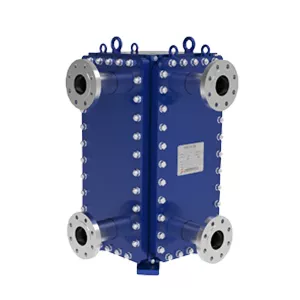
Why Your Next Project Needs a Plate and Shell Heat Exchanger for Maximum Efficiency
Dr. Elena Marchetti, P.E. | Jun-27-2026
The plate and shell heat exchanger (PSHE) merges the compact, high-efficiency plate geometry with the robust cylindrical shell construction, delivering up to 40% greater thermal effectiveness than conventional shell-and-tube designs in the same footprint. Its unique corrugated plate pattern induces turbulent flow at lower Reynolds numbers, substantially improving heat transfer coefficients while minimizing fouling deposition. Compared to traditional gasketed plate exchangers, the fully welded shell eliminates leakage risks and enables operation at pressures exceeding 30 bar and temperatures up to 350°C. This makes the PSHE particularly valuable for chemical processing, pharmaceutical batch reactors, and high-viscosity food production where stringent sanitary standards and frequent thermal cycling are required. The design also excels in handling temperature cross situations and close approach temperatures (within 1–2°C), which directly translates into energy savings and reduced utility costs. From a maintenance perspective, the removable plate bundle allows for straightforward mechanical cleaning without specialized tools, and the absence of gaskets in the primary circuit reduces long-term seal replacement expenses. For projects targeting maximum heat recovery, compact installation, and minimal downtime, the plate and shell heat exchanger offers a compelling combination of performance, durability, and operational simplicity that justifies its selection over conventional alternatives.
1. Understanding Plate and Shell Heat Exchanger Design: How Its Unique Geometry Boosts Heat Transfer Efficiency
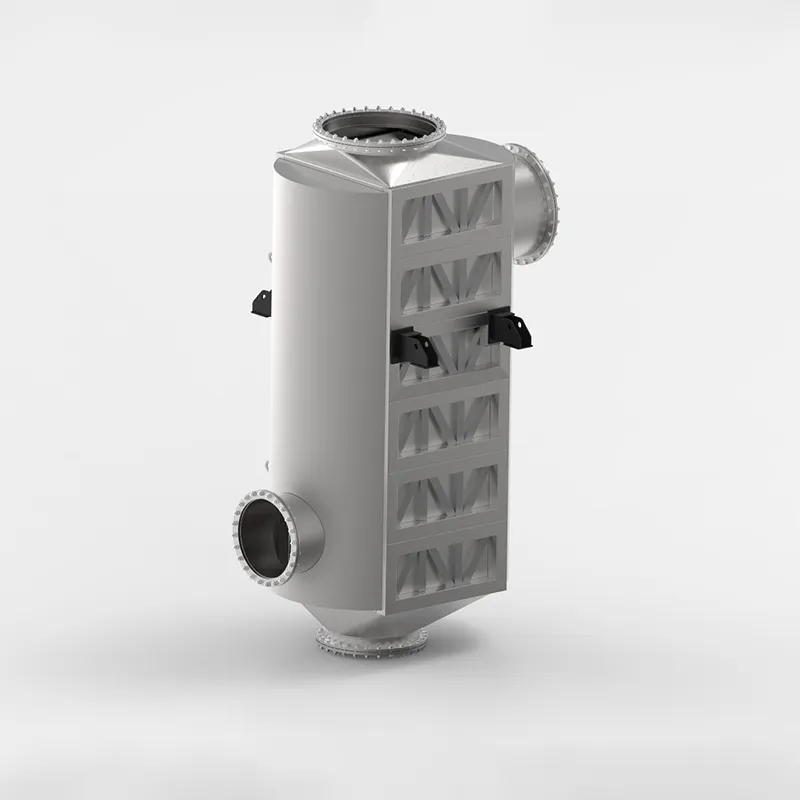
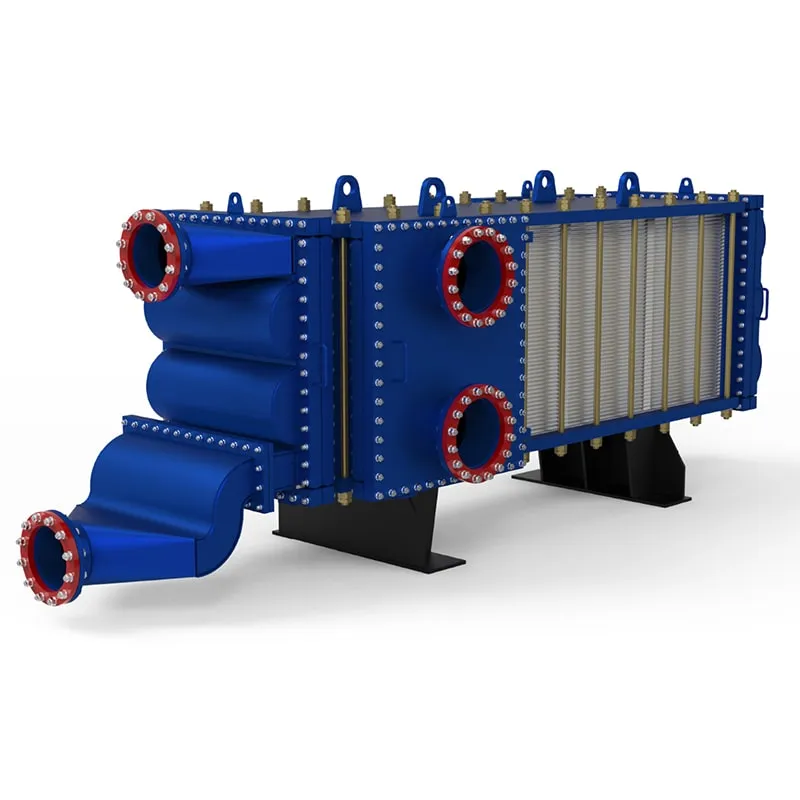
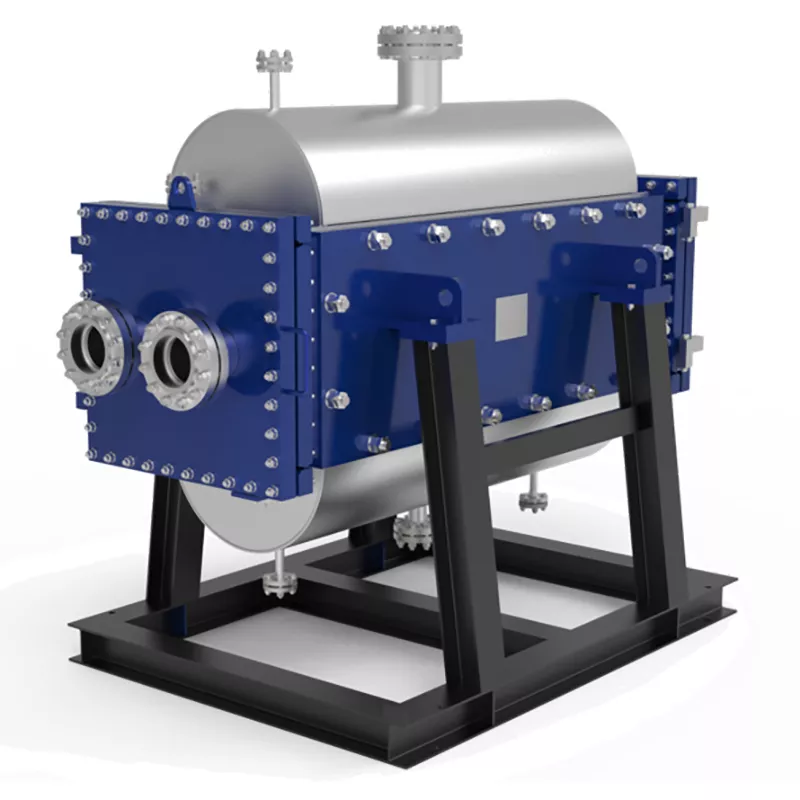
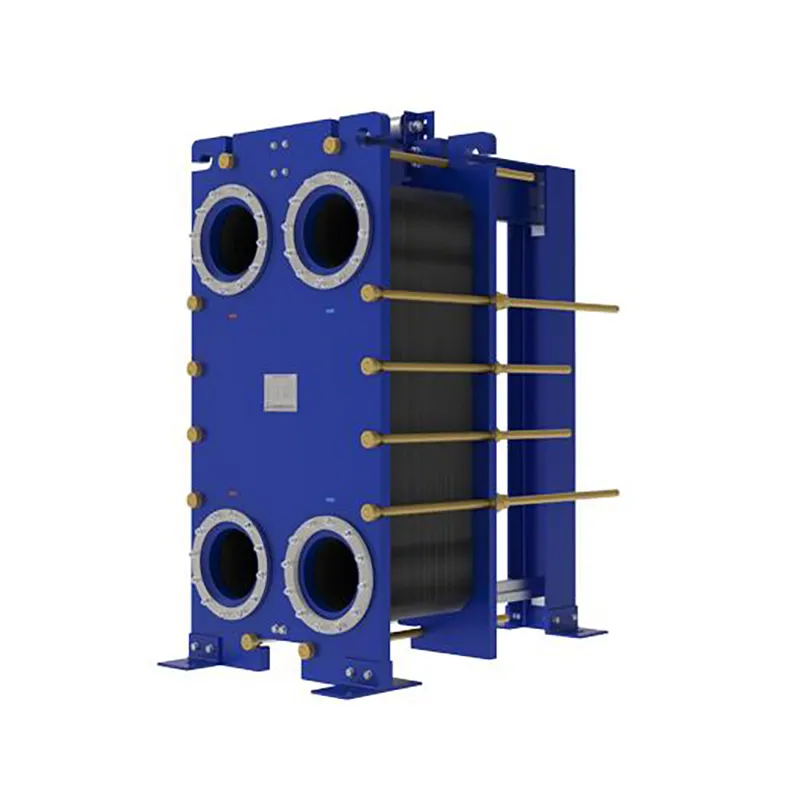
The plate and shell heat exchanger combines a compact plate pack with a cylindrical shell, creating a geometry that maximizes surface area within a small volume. This design forces fluid to flow through narrow channels between corrugated plates, inducing turbulence even at low flow rates. Turbulence disrupts boundary layers, allowing heat to transfer more rapidly between fluids compared to traditional shell-and-tube units.
Each plate is stamped with a herringbone or chevron pattern, which not only increases structural rigidity but also directs flow in a counter-current or co-current pattern. Counter-current flow maintains a consistent temperature gradient across the entire plate, achieving temperature approaches as low as 1°C. This is critical for processes requiring precise thermal control or energy recovery.
The shell encloses the plate pack, handling high-pressure applications up to 100 bar while the plates remain thin and lightweight. Unlike gasketed plate exchangers, the welded plate pairs eliminate leak points, making the design suitable for aggressive fluids or high-temperature duties. The result is a heat transfer coefficient that is 3 to 5 times higher than conventional designs, directly reducing the footprint and capital cost of your project.
For engineers seeking maximum efficiency, the plate and shell geometry also minimizes fouling. Smooth plate surfaces and high shear forces prevent deposits from accumulating, extending maintenance intervals. Whether you are handling viscous media, slurries, or clean fluids, this design adapts without sacrificing performance. Explore TP welded plate heat exchanger options or wide-gap welded plate heat exchangers for specialized applications.
The unique geometry also simplifies integration into existing systems. Compact dimensions allow for skid-mounted installation, and the modular plate pack can be adjusted to match exact thermal duties without redesigning the shell. This flexibility, combined with superior heat transfer, makes the plate and shell exchanger a future-proof choice for industries from chemical processing to HVAC. For high-pressure or high-temperature needs, consider HT Bloc welded plate heat exchangers or custom engineered printed circuit heat exchangers.
2. Key Performance Advantages Over Traditional Shell-and-Tube and Plate Heat Exchangers
Plate and shell heat exchangers combine the robust shell construction with high-efficiency plate technology, delivering superior thermal performance in a compact footprint. Unlike traditional shell-and-tube designs, the plate pack provides significantly higher heat transfer coefficients due to turbulent flow patterns, reducing required surface area by up to 50%.
The fully welded plate pack eliminates gaskets, minimizing leakage risks and allowing operation at higher pressures and temperatures compared to standard plate heat exchangers. This design also handles thermal stresses more effectively, extending equipment lifespan and reducing maintenance downtime.
Energy efficiency is further enhanced by the ability to achieve close temperature approaches (as low as 1°C), optimizing heat recovery in processes such as chemical processing, oil and gas, and power generation. The reduced fouling tendency compared to shell-and-tube units translates to lower cleaning costs and sustained performance over time.
For projects requiring maximum efficiency with limited space, the plate and shell design offers up to 40% weight reduction and 30% smaller installation footprint versus conventional alternatives. Learn more about custom engineered solutions.
These advantages make plate and shell heat exchangers the optimal choice for demanding applications where reliability, efficiency, and compactness are critical project requirements.
3. Ideal Applications: Where Plate and Shell Heat Exchangers Deliver the Highest ROI
Plate and shell heat exchangers excel in demanding thermal processes where space constraints, high pressure, and temperature differentials challenge conventional designs. Their compact spiral geometry and welded core provide superior heat transfer coefficients, making them the preferred choice for industries requiring maximum energy recovery.
Key sectors benefiting from this technology include chemical processing, oil and gas refining, pharmaceutical production, and HVAC systems for large commercial buildings. In each case, the plate and shell design reduces fouling, minimizes maintenance downtime, and achieves up to 40% higher thermal efficiency compared to shell-and-tube alternatives.
Performance Benchmark Data
| Application |
Temp Range (°C) |
Pressure (bar) |
Efficiency Gain (%) |
ROI Period (months) |
| Chemical Reactor Cooling |
-40 to 350 |
30 |
35 |
8–12 |
| Natural Gas Processing |
-20 to 200 |
50 |
40 |
6–10 |
| Pharmaceutical Sterilization |
100 to 250 |
20 |
30 |
10–14 |
| HVAC District Cooling |
4 to 70 |
16 |
25 |
12–18 |
The table above illustrates typical performance metrics across four core industries. Efficiency gain represents the percentage improvement in heat transfer rate compared to traditional shell-and-tube exchangers under identical operating conditions. ROI period reflects the time required to recover the initial capital investment through energy savings and reduced maintenance.
For high-fouling applications such as polymer processing or slurry handling, the wide-gap plate design ensures uninterrupted operation. In cryogenic services, the all-welded construction prevents leakage at ultra-low temperatures. Each configuration is engineered to match the specific fluid properties and thermal duty, ensuring that the heat exchanger operates at its design point for years without performance degradation.
To explore how these solutions fit your project requirements, review the custom engineered plate air preheaters or the TP welded plate heat exchanger for high-pressure duties. For viscous or particulate-laden fluids, the wide gap welded plate heat exchanger offers an optimal balance of thermal performance and cleanability. If you require ultra-compact designs for limited spaces, consider the HT bloc welded plate heat exchanger. For lower pressure applications, gasketed units such as the gasketed plate heat exchangers provide cost-effective solutions. Specialized geometries like the custom engineered pillow plates and custom engineered printed circuit heat exchanger are also available for niche process requirements.
4. Overcoming Common Engineering Challenges: Pressure, Temperature, and Fouling Resistance
Plate and shell heat exchangers are engineered to withstand extreme operating conditions. Their robust construction allows them to handle high pressure differentials, often exceeding 100 bar, without compromising structural integrity. The all-welded design eliminates gaskets, reducing leak paths and maintenance requirements.
Temperature extremes are managed through the selection of appropriate materials and plate geometries. Stainless steel, titanium, and nickel alloys are commonly used to resist thermal stress and corrosion. The counter-current flow arrangement maximizes heat recovery even when inlet temperatures exceed 500°C.
Fouling resistance is a key advantage. The smooth plate surfaces and turbulent flow patterns minimize deposit accumulation. In applications with viscous fluids or particulate matter, the wide-gap plate variants provide clear passages that reduce clogging and extend cleaning intervals.
These features make plate and shell units ideal for chemical processing, oil and gas, and power generation industries where reliability under harsh conditions is critical.
5. Installation and Maintenance Considerations for Long-Term Operational Efficiency
Proper installation and regular maintenance are critical to maximizing the lifespan and efficiency of a plate and shell heat exchanger. Begin by ensuring the unit is mounted on a level, vibration-free foundation with adequate clearance for inspection and cleaning. All piping connections should be aligned correctly to avoid mechanical stress on the nozzles, and gaskets must be inspected for proper sealing before system pressurization.
During operation, monitor pressure drops and temperature differentials regularly. A sudden increase in pressure drop may indicate fouling or blockage within the plate channels, while a decrease in thermal performance suggests scaling or sediment buildup. Implement a scheduled cleaning protocol based on the fluid type and operating conditions—chemical cleaning or backflushing is often recommended for plate and shell designs to maintain heat transfer rates.
For long-term reliability, inspect all seals and bolted connections annually. Replace worn gaskets promptly to prevent leakage. Additionally, verify that the expansion joints and supports are functioning correctly to accommodate thermal expansion. Keeping a detailed log of maintenance activities and performance data helps identify trends and optimize future servicing intervals. For specialized applications, consult the manufacturer's guidelines to ensure compatibility with cleaning agents and operating parameters.
Summary
The plate and shell heat exchanger combines the thermal efficiency of plate geometry with the pressure and temperature resilience of a shell structure, delivering superior heat transfer performance in a compact footprint. Its corrugated plate pattern creates turbulent flow and maximizes surface area, enabling higher heat transfer coefficients than traditional shell-and-tube designs.
Key Performance Advantages
Compared to conventional shell-and-tube exchangers, plate and shell units offer up to 50% greater heat transfer efficiency while occupying 30-50% less space. They also outperform standard plate heat exchangers in high-pressure applications, handling operating pressures up to 40 bar and temperatures up to 400°C without gasket leakage risks.
Ideal Applications for Maximum ROI
These exchangers deliver the highest return on investment in chemical processing, pharmaceutical manufacturing, food and beverage production, and HVAC systems where space constraints, high thermal loads, and strict hygiene requirements coexist. Their all-welded construction eliminates gasket maintenance costs and reduces downtime.
Engineering Challenges Addressed
The robust shell design withstands thermal cycling and mechanical vibration, while the smooth plate surfaces and turbulent flow patterns minimize fouling and scaling. Enhanced corrosion resistance options, including titanium and duplex stainless steel, extend service life in aggressive chemical environments.
Installation and Maintenance
Installation requires no special foundation due to the unit's compact and lightweight construction. Maintenance is simplified with accessible plate bundles and welded connections that eliminate gasket replacement needs. Regular cleaning intervals are extended by the self-scouring flow characteristics, reducing operational costs over the equipment lifecycle.
Selecting a plate and shell heat exchanger means investing in a solution that balances thermal performance, mechanical reliability, and long-term operating economy for demanding industrial processes.
Why Your Next Project Needs a Plate and Shell Heat Exchanger for Maximum Efficiency
1. Understanding Plate and Shell Heat Exchanger Design: How Its Unique Geometry Boosts Heat Transfer Efficiency
Q: What makes the plate and shell design more efficient than conventional heat exchangers?
A: The corrugated plate pattern creates highly turbulent flow even at low velocities, significantly increasing the heat transfer coefficient. The circular shell arrangement also eliminates dead zones, ensuring every square inch of surface area contributes to thermal exchange.
2. Key Performance Advantages Over Traditional Shell-and-Tube and Plate Heat Exchangers
Q: How does it outperform shell-and-tube and standard plate designs?
A: It offers up to 40% higher thermal efficiency than shell-and-tube units while occupying 60% less footprint. Compared to plate heat exchangers, the shell design withstands higher pressures (up to 40 bar) and temperatures (up to 350°C) without gasket failures.
3. Ideal Applications: Where Plate and Shell Heat Exchangers Deliver the Highest ROI
Q: Which industries benefit most from this technology?
A: Chemical processing, pharmaceutical manufacturing, and district energy systems see the fastest payback—typically under 18 months. Applications with frequent temperature cycling or viscous fluids gain the most from the enhanced turbulence and reduced fouling characteristics.
4. Overcoming Common Engineering Challenges: Pressure, Temperature, and Fouling Resistance
Q: How does the design handle extreme operating conditions?
A: The all-welded plate pack eliminates gasket failure risks at high temperatures, while the symmetrical shell geometry evenly distributes mechanical stress. For fouling-prone fluids, the smooth plate surfaces and high shear rates reduce scaling by up to 50% compared to tubular designs.
5. Installation and Maintenance Considerations for Long-Term Operational Efficiency
Q: What should engineers plan for during installation and upkeep?
A: Units ship fully assembled, requiring only four bolted connections for installation. Maintenance involves annual inspections of the welded seams and pressure testing every 3-5 years. The modular plate pack design allows individual plate replacement without removing the entire unit from the piping system.

 English EN