
Cleaning a gasketed plate heat exchanger should restore the required thermal and hydraulic performance without damaging the plates or sealing system. The correct procedure depends on the deposit, plate alloy, gasket compound and supplied frame—not on a universal chemical recipe or cleaning interval.
Compare current flow, inlet and outlet temperatures and pressure drop with a known baseline. Changed cooling-water temperature, valve positions, flow or viscosity may explain a performance change without surface fouling.
If the evidence indicates deposits, identify their type and review the available access. A gasketed plate heat exchangers may be cleaned by an approved cleaning-in-place method or by opening the plate pack where the manufacturer's procedure permits it. CIP is not a synonym for cleaning while the process remains live.
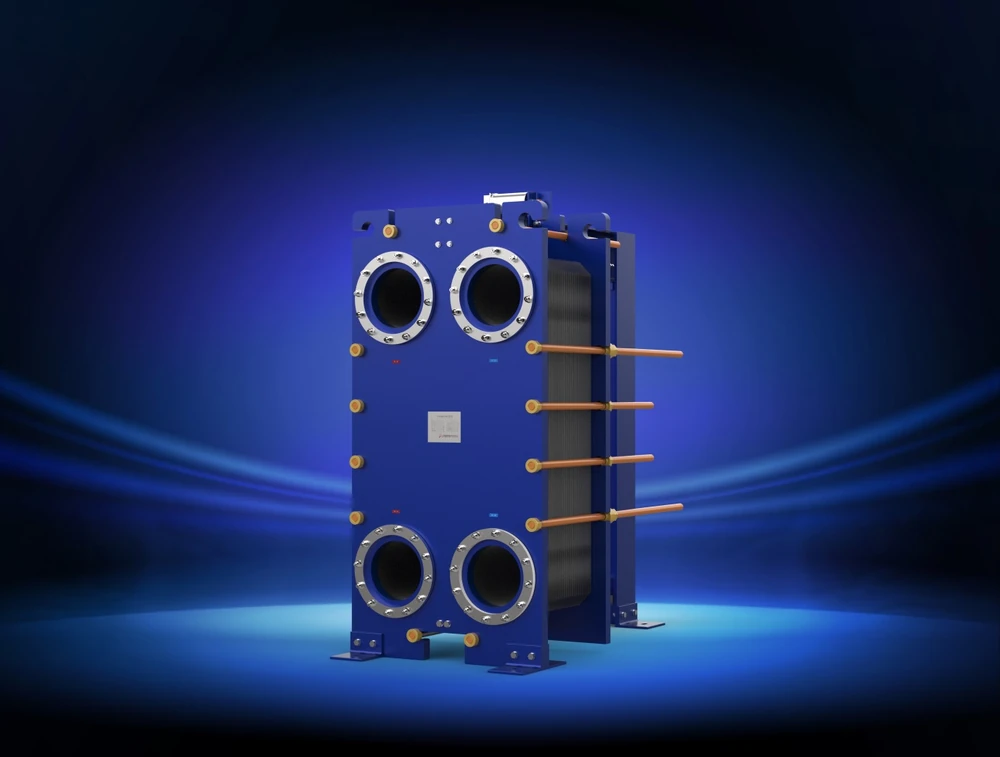
Identify the equipment tag, plate arrangement, gasket specification and applicable manual.
Follow the site's approved shutdown, isolation, cooling, depressurizing and draining procedure.
Record the plate-pack closing dimension and existing condition before opening.
Prepare compatible cleaning tools, replacement parts and the approved handling arrangements.
The plate order and orientation define the flow channels. Photographs and the manufacturer's plate schedule help prevent an apparently neat reassembly from creating the wrong flow arrangement.
| Route | Suitable question to resolve | Important boundary |
|---|---|---|
| Approved CIP circulation | Can the identified deposit be removed with a compatible process? | Cleaner, concentration, temperature, exposure time and circulation are equipment-specific |
| Opening the plate pack | Is inspection or direct deposit removal required? | Support the pack and follow the specified opening sequence |
| Component inspection or replacement | Are plates or gaskets damaged beyond the permitted condition? | Use the correct parts and acceptance criteria |
A generic soaking time or acid name does not establish compatibility. Avoid transferring a cleaning recipe from another alloy or elastomer without approval for the supplied equipment.
Use the specified non-damaging tools and handling method. Thin corrugated plates and gasket grooves can be damaged by abrasive tools, inappropriate jets or unsupported handling. Inspect for deformation, corrosion, cracks and gasket deterioration according to the maintenance procedure.
Keep removed plates in their identified order. Do not mix plate patterns or gasket variants that appear similar. Record deposit location and any unusual wear because these observations can reveal distribution or upstream-treatment problems.
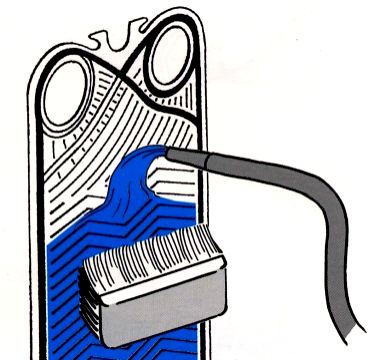
Restore the correct plate sequence and gasket seating. Use the manufacturer's closing dimension and tightening sequence. A torque wrench alone does not establish that every gasketed exchanger has reached the correct compression.
Complete the inspection and integrity checks required by the approved procedure before restarting. Test pressures, side conditions and acceptance criteria must be defined for the actual unit; they should not be improvised by gradually increasing pressure to an assumed value.
After approved return to service, compare duty and both-side pressure drop at comparable flows and temperatures. Record what was cleaned, the method used, parts replaced and the new baseline.
If performance is not restored, investigate distribution, plate arrangement, fluid properties or damage rather than repeating the same treatment without a diagnosis.
Use the deposit history, water chemistry, operating hours and trend data to plan the next intervention. A fixed six- or twelve-month interval can be inappropriate for a clean utility and a heavily fouling process alike.
For SHPHE service support, provide the serial number, plate and gasket details, current operating data and photographs. SHPHE can help identify the relevant equipment information and maintenance scope.



 English EN