English EN


How PCHEs Support Green Hydrogen Production: From Electrolysis to Refueling Stations
Hydrogen heat exchanger technology boosts efficiency, safety, and reliability in green hydrogen production, storage, and refueling stations.
More
As industries worldwide accelerate their shift toward cleaner energy sources, hydrogen has emerged as a cornerstone of sustainable operations. However, the unique thermal properties of hydrogen—its low density, high specific heat, and tendency to leak—demand specialized heat exchange equipment. A hydrogen plate heat exchanger is not just an upgrade; it is a strategic investment for any facility handling hydrogen in processes like electrolysis, fuel cell cooling, or hydrogen compression. This article explores why adopting this technology now can improve efficiency, reduce operational risks, and future-proof your operations.
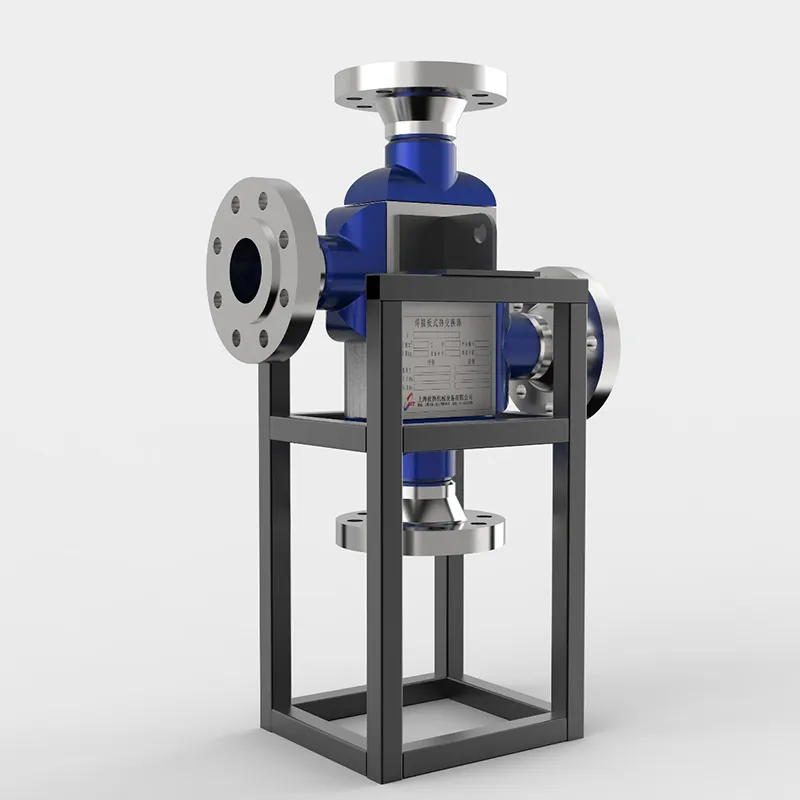
Hydrogen behaves differently from conventional fluids like water or steam. Its thermal conductivity is about seven times higher than air, which means it can transfer heat rapidly—but only if the heat exchanger is designed to handle its low viscosity and high diffusivity. Standard shell-and-tube units often fall short because they create dead zones where hydrogen can stagnate, leading to uneven temperature distribution and reduced efficiency. A gasketed plate heat exchanger tailored for hydrogen uses narrow channels and turbulent flow patterns to maximize contact between the fluid and the plate surface, ensuring consistent thermal performance even under fluctuating loads.
Another critical factor is material compatibility. Hydrogen can cause embrittlement in certain metals, especially at high temperatures and pressures. Modern hydrogen plate heat exchangers use corrosion-resistant alloys like 316L stainless steel or titanium, which maintain structural integrity over long service periods. This is particularly important in applications like hydrogen refueling stations, where the equipment must withstand repeated pressure cycles without developing micro-cracks.
One of the most compelling reasons to switch to a hydrogen plate heat exchanger is the potential for significant energy savings. Plate heat exchangers offer a higher heat transfer coefficient compared to traditional designs, often achieving temperature approaches as close as 1–2°C. In a hydrogen compression system, for example, this means the interstage cooling can be more effective, reducing the work required by the compressor and lowering electricity consumption by 10–15% in many real-world installations.
The compact footprint of these units also contributes to operational efficiency. A typical hydrogen plate heat exchanger occupies about 30–50% less floor space than an equivalent shell-and-tube unit, which is a tangible advantage when retrofitting into existing plants. Less space means shorter piping runs, lower installation costs, and reduced heat loss to the surroundings. For industries like chemical processing or semiconductor manufacturing, where every square meter counts, this can translate into substantial long-term savings.
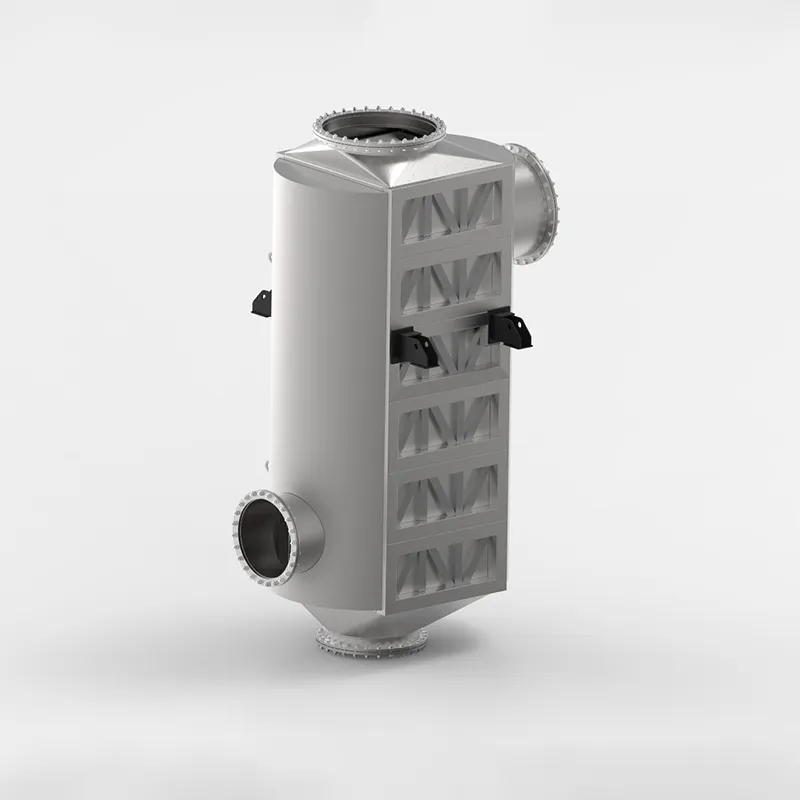
Safety is non-negotiable when working with hydrogen, which is flammable over a wide concentration range (4–75% in air). A dedicated hydrogen plate heat exchanger minimizes leak paths by using welded or fully gasketed plate packs with laser-welded seams. Unlike traditional designs that rely on numerous bolted joints, these units have fewer potential leak points, which is a direct benefit for plant safety protocols.
Furthermore, many modern hydrogen plate heat exchangers are designed with built-in monitoring ports that allow for periodic inspection without full disassembly. This aligns with the preventive maintenance strategies recommended by organizations like the Compressed Gas Association. For example, a TP welded plate heat exchanger can be equipped with pressure and temperature sensors that feed data into a plant’s distributed control system, enabling early detection of fouling or flow irregularities before they escalate into safety incidents.
The adoption of hydrogen plate heat exchangers is accelerating across several key sectors. In green hydrogen production via electrolysis, these units are used to cool the electrolyte and manage the heat generated during the splitting of water. A 10 MW electrolyzer facility, for instance, can require up to 2 MW of cooling capacity, and a plate heat exchanger can handle this duty with a temperature differential of just 5°C, improving the overall system efficiency by approximately 3–5%.
In the mobility sector, hydrogen refueling stations rely on plate heat exchangers to cool the gas during high-pressure dispensing (typically 350–700 bar). Without effective cooling, the gas temperature would rise rapidly, causing longer fill times and potential damage to vehicle tanks. Data from operational stations shows that using a properly sized hydrogen plate heat exchanger can reduce fill times by up to 20% while maintaining gas temperatures within the safe range of –40°C to +85°C.
As hydrogen infrastructure expands, the ability to scale heat exchange capacity without major redesigns becomes a competitive advantage. Plate heat exchangers are inherently modular: adding or removing plates changes the heat transfer area in a predictable way, allowing you to match capacity to demand with minimal downtime. This is especially valuable for pilot plants or demonstration projects that may scale up over time.
Moreover, the same core technology can be adapted for different hydrogen applications. A wide-gap welded plate heat exchanger, for example, is suitable for hydrogen streams that contain particulates or viscous byproducts, such as those found in hydrogen production from biomass gasification. This versatility means that investing in a hydrogen plate heat exchanger today positions your facility to handle a broader range of feedstocks and process conditions as the hydrogen economy matures.
Transitioning to a hydrogen plate heat exchanger does not have to be disruptive. Many manufacturers offer retrofit kits that allow you to replace the core of an existing shell-and-tube unit with a plate pack, reusing the existing piping and support structure. The payback period is often less than two years when factoring in energy savings and reduced maintenance. For new installations, the lower initial cost of a plate heat exchanger—typically 20–30% less than a comparable shell-and-tube unit—makes it an attractive choice from day one.
It is also worth noting that the operational simplicity of these units reduces the burden on your maintenance team. With no tubes to clean or replace, and with gaskets that can be swapped in a few hours, the total cost of ownership over a 10-year period is significantly lower. In a recent study of hydrogen compression stations, facilities using plate heat exchangers reported 40% fewer unscheduled shutdowns compared to those using conventional designs.
In summary, the case for adopting a hydrogen plate heat exchanger is grounded in measurable performance gains, enhanced safety, and long-term flexibility. Whether you are producing hydrogen, storing it, or using it as a fuel, this technology addresses the specific demands of hydrogen thermal management in a way that older designs simply cannot match. The time to evaluate your current system and consider an upgrade is now, as the industry moves toward higher efficiency standards and tighter safety regulations.
We provide you with comprehensive foreign trade solutions to help enterprises achieve global development
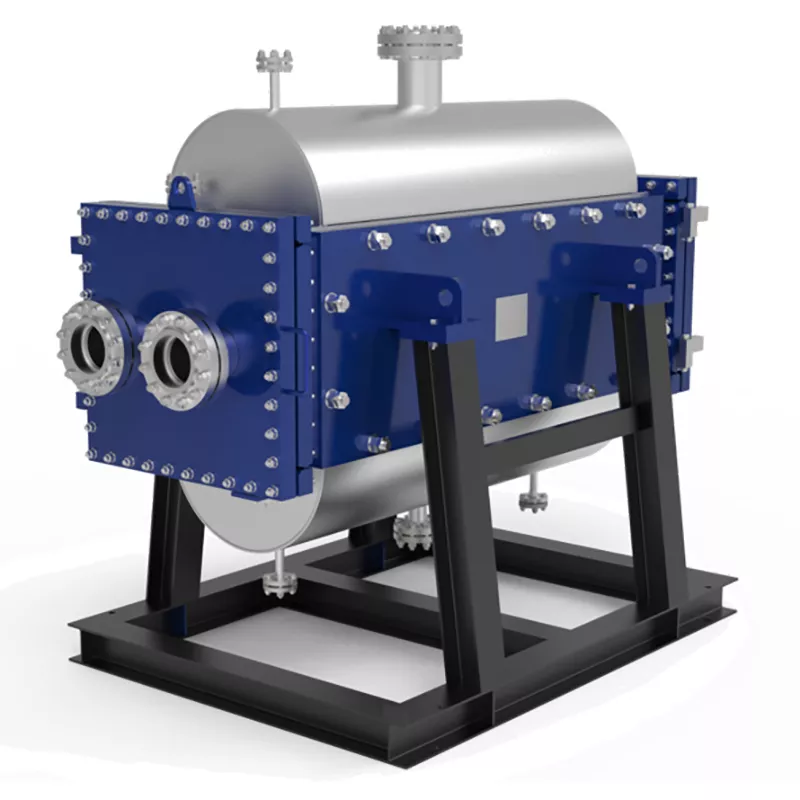
Industrial processes involving particle-laden slurries, high-viscosity syrups, or fiber-rich pulp demand more than standard equipment—they require target-engineered thermal management. At SHPHE, we configure the TP Welded Plate Heat Exchanger to directly conquer your plant's severe fouling, blockage, and erosion threats. Combining custom-tailored channel geometries, wear-resistant metallurgy, and integrated CIP (Cleaning-in-Place) systems, we deliver absolute production continuity where conventional heat exchangers fail.
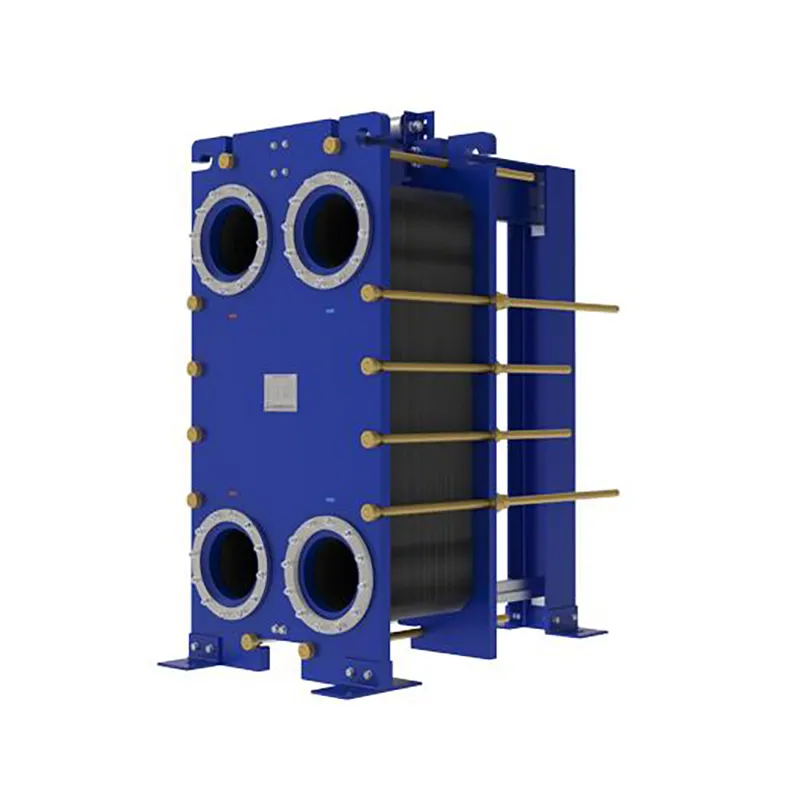
Since the invention of the plate heat exchanger (PHE) in 1923, thermal technology has evolved from standard food-grade processing to highly complex industrial operations. At SHPHE, we take this classic, versatile design and transform it into highly bespoke heat transfer solutions tailored to your unique process fluids and thermal loads. While traditional gasketed PHEs offer high efficiency and compact footprints, SHPHE optimizes plate corrugations, metallurgy, and sealing systems to handle your specific chemical, HVAC, or energy recovery parameters. Our custom-engineered gasketed plate heat exchangers provide outstanding scalability and ease of maintenance, serving as an indispensable asset for heavy industries—including oil and gas, metallurgy, and food processing—where uptime, energy recovery, and long-term sustainability are top priorities.
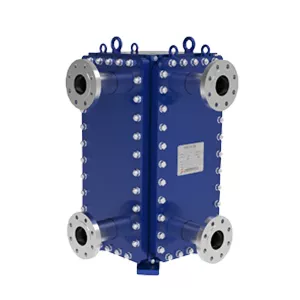
Custom-Engineered for Severe Process Demands. At SHPHE, we don't just supply equipment; we design tailored thermal solutions. Our HT-Bloc welded plate heat exchangers are custom-configured by our experienced engineers to overcome your specific industry challenges—whether handling high-viscosity media, extreme temperatures, or strict space constraints.
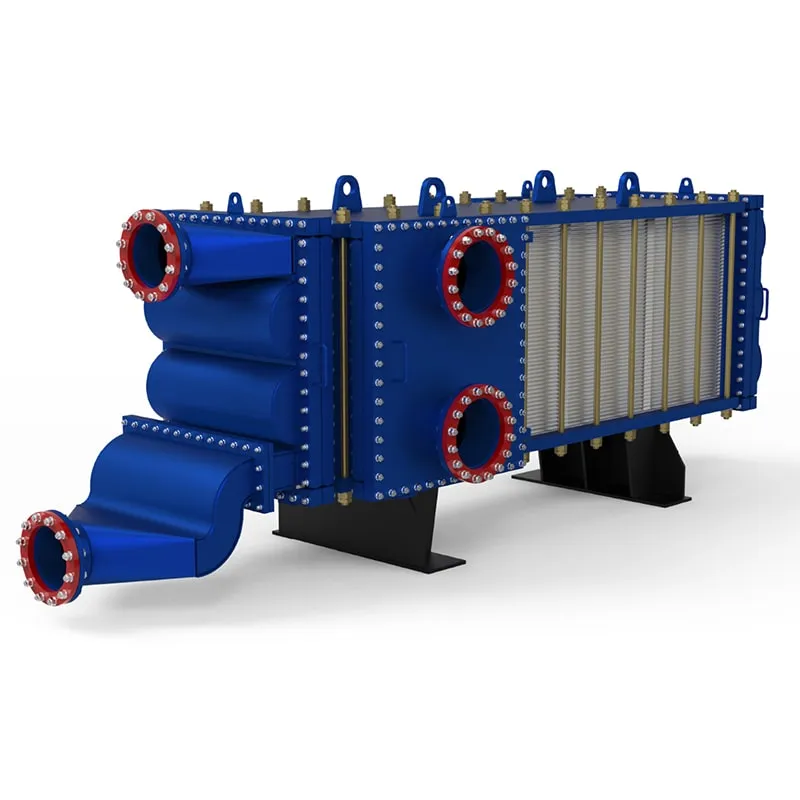
Custom-Engineered Anti-Clogging Solutions for High-Viscosity Slurries:
Deployed specifically to conquer severe industrial fouling, SHPHE wide gap welded plate heat exchangers are tailor-built to handle complex media containing dense fibers, coarse crystals, or solid suspensions without clogging. Each non-obstructed channel is calculated and formed by laser-welded plate packs matching your fluid’s exact rheology and grain size, completely eliminating structural "dead zones" and media stagnation. Available in highly compact vertical and versatile horizontal configurations, our vertical engineering drastically reduces plant footprints while maintaining unhindered product throughput, minimal pressure drops, and flawless continuous operations across harsh process loops.