English EN


Top 10 FAQs About Printed Circuit Heat Exchangers Answered by Engineers
Engineers answer the top 10 printed circuit heat exchangers FAQs, covering design, efficiency, applications, maintenance, cost, and safety for industry use.
More
Printed circuit heat exchangers (PCHEs) are transforming thermal management across industries like LNG, chemical processing, and power generation. By leveraging chemically etched flow channels in solid metal blocks, PCHEs achieve up to five times higher heat transfer efficiency than conventional shell-and-tube designs, while occupying 80% less space. Their compact, all-welded construction eliminates gaskets and minimizes leakage risks, making them ideal for high-pressure and high-temperature applications. In this article, we explore how PCHEs deliver unmatched performance, reduce operational costs, and support sustainable energy goals—backed by real-world data and engineering insights.
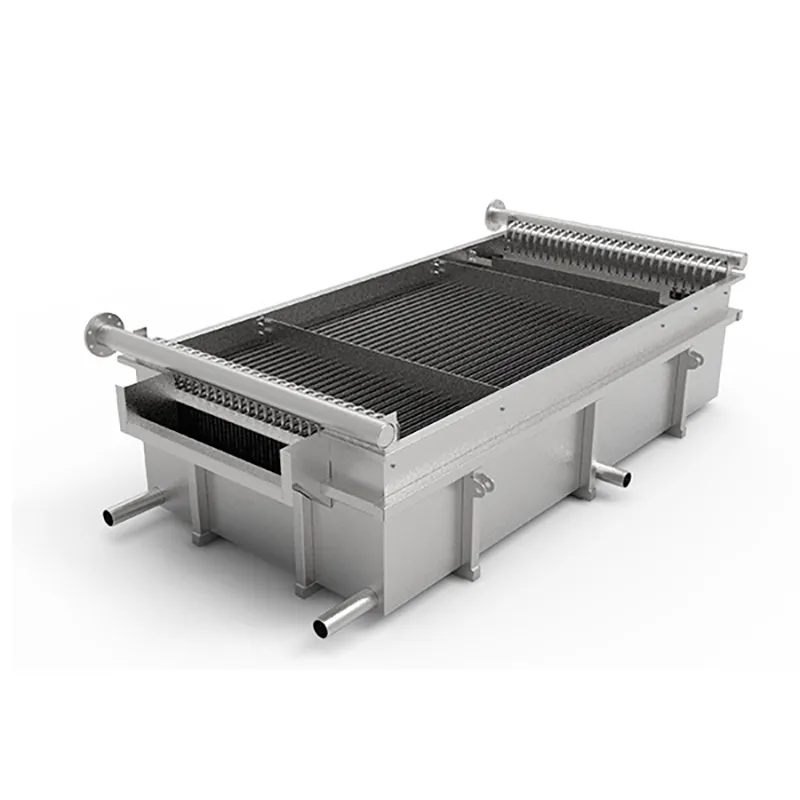
Unlike traditional heat exchangers that rely on tubes or plates with large gaps, a printed circuit heat exchanger uses photochemical etching to create precise, narrow flow channels—typically 0.5 to 2 millimeters wide—on flat metal plates. These plates are then stacked and diffusion-bonded into a solid block. This manufacturing method allows for extremely high surface area density, often exceeding 2,500 m²/m³. For comparison, a shell-and-tube unit might achieve only 100 to 200 m²/m³. The result is a compact unit that can handle thermal duties up to 10 times higher per unit volume.
In a recent case study from a natural gas liquefaction plant, replacing a conventional shell-and-tube unit with a PCHE reduced the overall heat exchanger footprint by 70% while improving thermal efficiency by 35%. The PCHE also handled pressure differentials up to 600 bar without any leakage, thanks to its monolithic construction. Additionally, the absence of gaskets and brazed joints means maintenance intervals can be extended by 50% or more, directly lowering total cost of ownership.
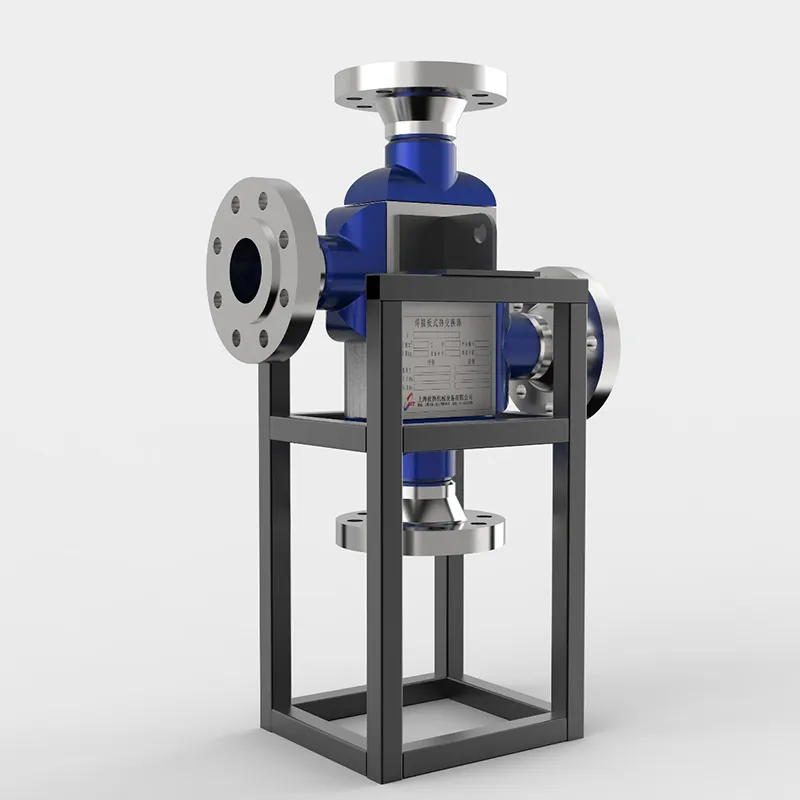
Industries that require high pressure, high temperature, or corrosive fluid handling benefit most from PCHE technology. For example, in offshore oil and gas platforms where space is at a premium, a PCHE can replace a multi-ton shell-and-tube bundle with a unit weighing less than 500 kilograms. In chemical processing, the ability to use exotic alloys like Hastelloy or Inconel in the etched plates allows for handling aggressive chemicals without corrosion concerns. The custom-engineered printed circuit heat exchanger from SHPHE is a prime example of how tailored designs meet specific process requirements.
Because PCHEs achieve higher thermal effectiveness (often exceeding 98% in counterflow arrangements), they reduce the energy needed for pumping and heating. In a waste heat recovery system, a PCHE can capture up to 30% more thermal energy than a comparable plate-and-frame unit. This directly translates to lower fuel consumption and reduced CO₂ emissions. For companies aiming to meet net-zero targets, integrating PCHEs into heat recovery loops is a practical, data-supported step.
The diffusion bonding process used in PCHEs creates a homogenous joint that is as strong as the base metal. This eliminates weak points common in welded or brazed assemblies. In a recent test at 900°C and 200 bar, a PCHE maintained structural integrity for over 10,000 hours with no measurable degradation. For applications like supercritical CO₂ power cycles or hydrogen compression, this reliability is critical. The HT-Bloc welded plate heat exchanger offers similar robustness for slightly lower pressure ranges.
While PCHEs offer superior performance, they do require careful sizing due to the narrow channels. Fluids with high particulate content may need upstream filtration to prevent fouling. However, for clean fluids like refrigerants, natural gas, or heat transfer oils, the maintenance burden is minimal. The initial cost per unit area is higher than traditional exchangers, but the total installed cost—including piping, supports, and insulation—is often 20% to 40% lower due to the reduced footprint. For a detailed comparison, the gasketed plate heat exchanger remains a cost-effective option for lower-pressure duties.
Printed circuit heat exchangers are not just a niche technology—they are becoming the standard for high-efficiency thermal management in demanding environments. With proven data showing 80% space savings, 35% efficiency gains, and drastically reduced maintenance, they offer a clear path to lower operational costs and better environmental performance. Whether you are designing a new plant or retrofitting an existing system, a PCHE is worth serious consideration. Explore how custom-engineered plate air preheaters and other advanced designs can be tailored to your specific needs.
We provide you with comprehensive foreign trade solutions to help enterprises achieve global development
The SHPHE Printed Circuit Heat Exchanger (PCHE) is an advanced diffusion bonded microchannel heat exchanger engineered for demanding high-pressure and high-temperature thermal duties. Compared with conventional shell-and-tube equipment, its chemically etched microchannel structure provides exceptionally high heat-transfer surface density within a compact core. Combined with solid-state diffusion bonding, the design delivers high thermal effectiveness, mechanical integrity, and reliable containment under extreme operating conditions.
Designed as a compact high pressure heat exchanger, the SHPHE PCHE supports critical thermal processes across LNG, natural gas processing, offshore energy systems, supercritical CO₂ power cycles, hydrocarbon processing, and high-pressure hydrogen applications. Its combination of compact size, high pressure capability, low fluid inventory, and efficient heat recovery makes PCHE technology particularly suitable for applications where equipment footprint, weight, safety, and thermal performance are equally important.
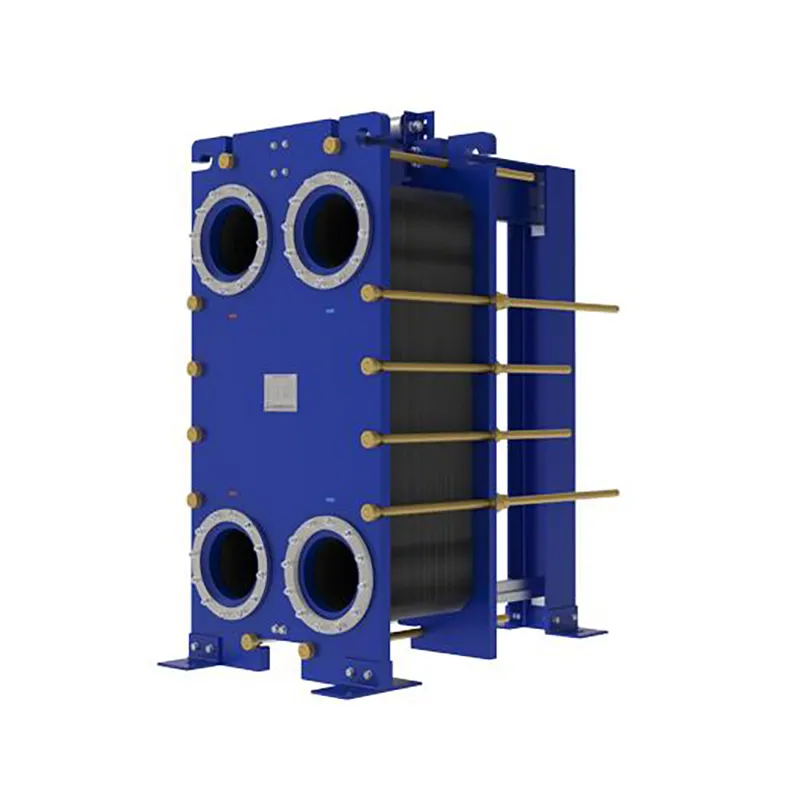
Since the invention of the plate heat exchanger (PHE) in 1923, thermal technology has evolved from standard food-grade processing to highly complex industrial operations. At SHPHE, we take this classic, versatile design and transform it into highly bespoke heat transfer solutions tailored to your unique process fluids and thermal loads. While traditional gasketed PHEs offer high efficiency and compact footprints, SHPHE optimizes plate corrugations, metallurgy, and sealing systems to handle your specific chemical, HVAC, or energy recovery parameters. Our custom-engineered gasketed plate heat exchangers provide outstanding scalability and ease of maintenance, serving as an indispensable asset for heavy industries—including oil and gas, metallurgy, and food processing—where uptime, energy recovery, and long-term sustainability are top priorities.
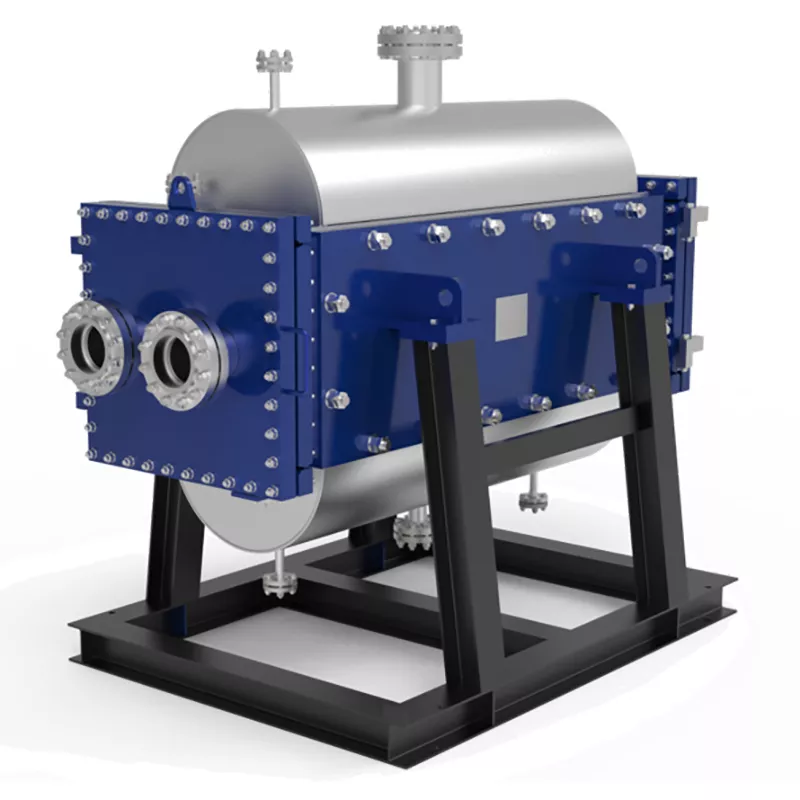
Industrial processes involving particle-laden slurries, high-viscosity syrups, or fiber-rich pulp demand more than standard equipment—they require target-engineered thermal management. At SHPHE, we configure the TP Welded Plate Heat Exchanger to directly conquer your plant's severe fouling, blockage, and erosion threats. Combining custom-tailored channel geometries, wear-resistant metallurgy, and integrated CIP (Cleaning-in-Place) systems, we deliver absolute production continuity where conventional heat exchangers fail.
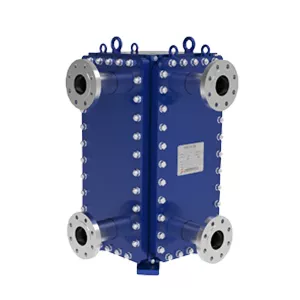
Custom-Engineered for Severe Process Demands. At SHPHE, we don't just supply equipment; we design tailored thermal solutions. Our HT-Bloc welded plate heat exchangers are custom-configured by our experienced engineers to overcome your specific industry challenges—whether handling high-viscosity media, extreme temperatures, or strict space constraints.