What Is a Hydrogen Plate Heat Exchanger and Why Is It Critical for Green Energy Systems?
Author: Green Energy Technology Research Group
Date: Jun-23-2026
A hydrogen plate heat exchanger is a specialized thermal management device designed to efficiently transfer heat between hydrogen and other fluids or gases within green energy systems. Its core structure consists of a series of corrugated metal plates stacked together, creating alternating channels for hydrogen and the secondary fluid, maximizing surface area for heat transfer while minimizing volume. Materials such as stainless steel 316L or nickel alloys are selected to resist hydrogen embrittlement, a critical degradation mechanism where atomic hydrogen diffuses into the metal lattice, causing cracking and failure. Operating principles rely on counter-flow or cross-flow configurations to achieve high thermal efficiency, essential for processes like electrolysis where precise temperature control improves hydrogen production rates, and liquefaction which requires extreme cooling to cryogenic temperatures. Safety challenges include leak prevention due to hydrogen's small molecular size and flammability, demanding robust sealing gaskets or welded joints, as well as advanced thermal management to avoid hot spots that accelerate embrittlement. Compared to conventional shell-and-tube designs, plate heat exchangers offer superior compactness, lower pressure drops, and better temperature approach, making them ideal for fuel cell systems where space is limited and rapid thermal response is needed. Future innovations focus on scaling up production, developing anti-embrittlement coatings, and integrating with renewable energy grids to handle fluctuating loads, though challenges remain in manufacturing cost and long-term durability under high-pressure hydrogen environments.
Defining a Hydrogen Plate Heat Exchanger: Core Structure, Materials, and Operating Principles
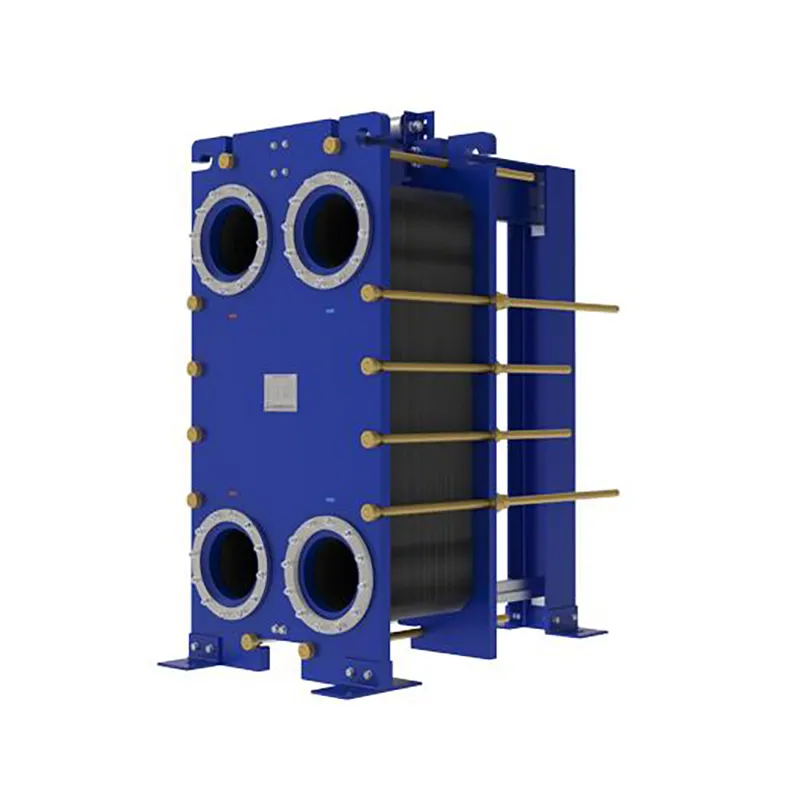
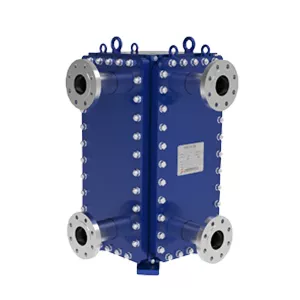
A hydrogen plate heat exchanger is a specialized thermal management device engineered to facilitate efficient heat transfer between hydrogen gas and other fluids under high-pressure and high-temperature conditions. Its core structure consists of a stack of thin, corrugated metal plates sealed together to form alternating channels for hot and cold media. The plates are typically made from stainless steel or nickel alloys to resist hydrogen embrittlement, ensuring long-term durability in green energy systems such as electrolysis, fuel cells, and hydrogen storage.
The operating principle relies on countercurrent flow: hydrogen gas passes through one set of channels while a coolant or process fluid flows through the adjacent channels. The large surface area of the corrugated plates enhances heat transfer, while the narrow gaps promote turbulent flow, improving efficiency. Gaskets or welded seams maintain leak-tight separation between media, and the compact design minimizes space requirements. This construction allows precise temperature control, which is critical for maintaining hydrogen purity and system stability.
Advanced plate heat exchangers for hydrogen applications often incorporate diffusion-bonded or brazed plate stacks to handle extreme pressures up to 1000 bar. Material selection is crucial: austenitic stainless steels like 316L or duplex alloys provide resistance to hydrogen-induced cracking, while nickel-based alloys such as Inconel 625 are used for high-temperature electrolysis. The absence of elastomeric seals in welded variants further reduces leak risks, making them ideal for sensitive green energy processes.
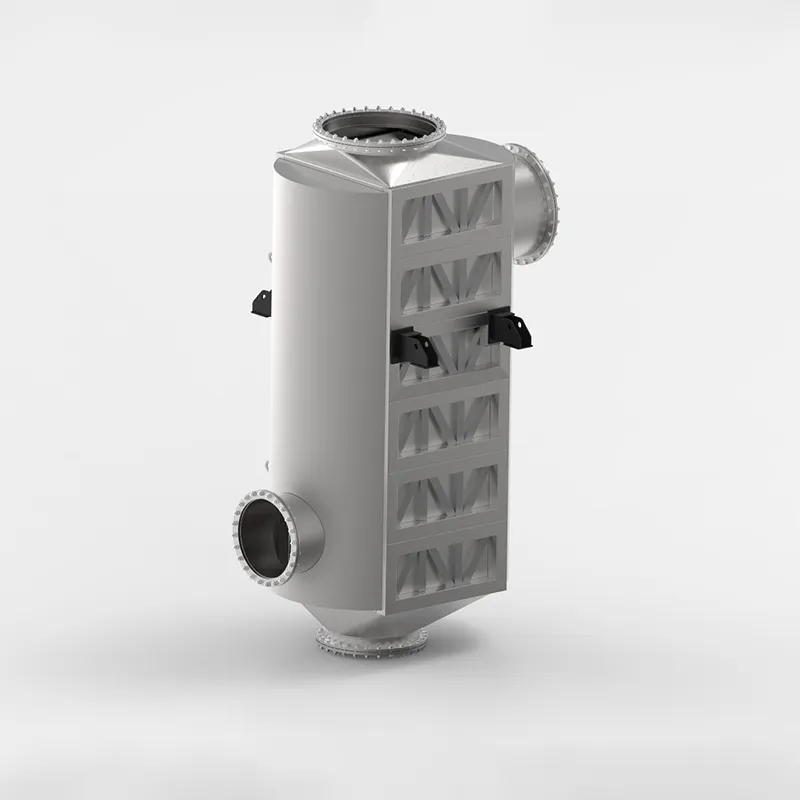
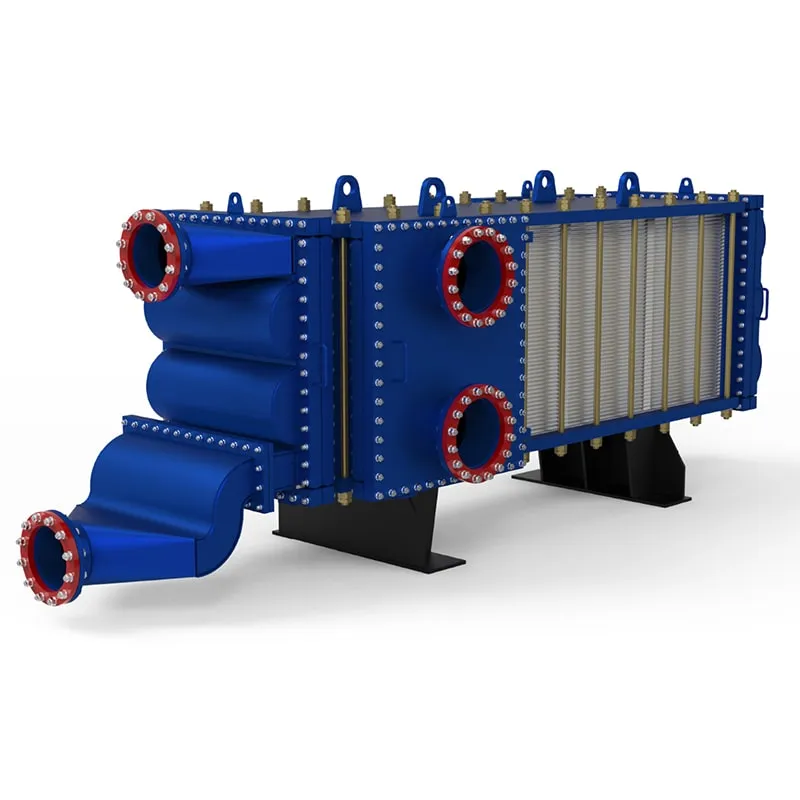
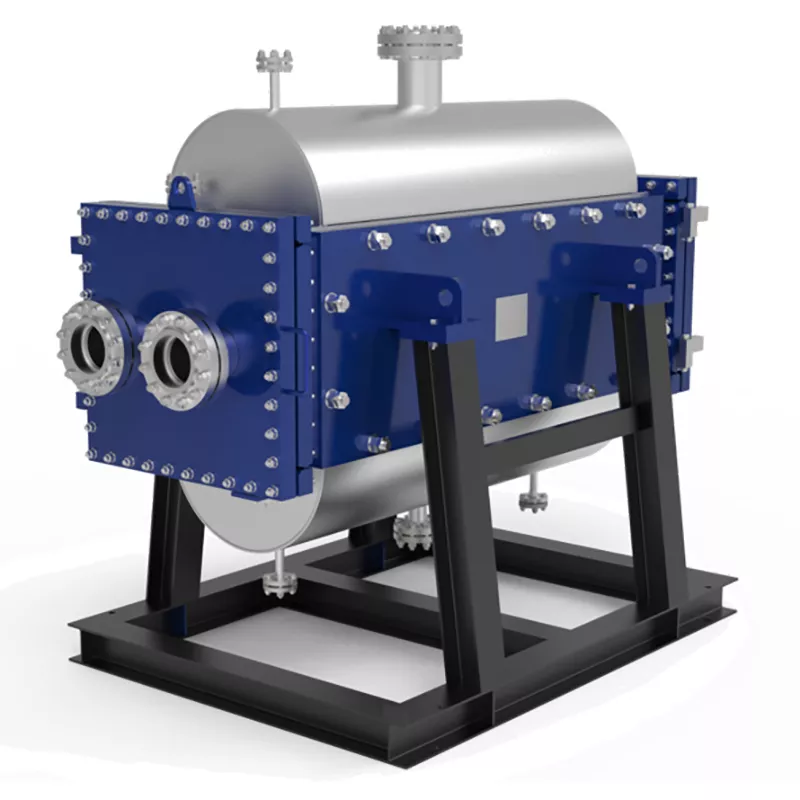
For more details on specific designs, explore our custom engineered plate air preheaters or the HT-Bloc welded plate heat exchanger. Other robust options include the wide gap welded plate heat exchanger and the printed circuit heat exchanger. For hydrogen-specific applications, the TP welded plate heat exchanger and custom engineered pillow plates offer tailored solutions, while the gasketed plate heat exchangers provide flexible configurations for lower-pressure systems.
The Unique Role of Plate Heat Exchangers in Hydrogen Production (Electrolysis) and Liquefaction Processes
In green energy systems, plate heat exchangers are essential for managing thermal dynamics during hydrogen production via electrolysis and subsequent liquefaction. Their compact design and high efficiency enable precise temperature control, which directly impacts energy consumption and system reliability.
During electrolysis, plate heat exchangers efficiently remove excess heat from the electrochemical reaction, maintaining optimal operating temperatures between 60°C and 80°C. This thermal management improves electrolyzer lifespan and reduces energy losses by up to 15%.
For hydrogen liquefaction, these exchangers handle cryogenic temperatures as low as -253°C. Their multilayer plate structure maximizes heat transfer surface area within a minimal footprint, enabling faster cooling rates and lower parasitic energy consumption compared to traditional shell-and-tube designs.
The corrosion-resistant materials and welded plate configurations also ensure leak-tight operation with high-purity hydrogen, making plate heat exchangers a critical component for scaling up green hydrogen infrastructure.
Critical Safety and Efficiency Challenges: Hydrogen Embrittlement, Leak Prevention, and Thermal Management
Hydrogen plate heat exchangers face three interrelated challenges that directly impact system reliability and green energy adoption. Addressing these issues requires advanced materials, precision engineering, and robust operational protocols.
Hydrogen Embrittlement
Hydrogen atoms can diffuse into metallic microstructures, causing cracking and loss of ductility. This phenomenon is particularly severe in high-pressure and high-temperature environments. Mitigation strategies include using nickel-based alloys or austenitic stainless steels with low hydrogen permeability, as well as applying protective coatings to plate surfaces.
Leak Prevention
Due to hydrogen's small molecular size, even microscopic gaps can lead to fugitive emissions. Welded plate heat exchangers, such as HT-Bloc welded plate designs, eliminate gaskets and reduce leak paths. Advanced sealing technologies and helium leak testing are standard for ensuring near-zero leakage in critical applications.
Thermal Management
Efficient heat transfer is vital for maintaining hydrogen within safe temperature ranges during compression, storage, or fuel cell operations. Printed circuit heat exchangers offer high surface-area-to-volume ratios, enabling precise thermal control while minimizing pressure drops.
| Challenge |
Impact on System |
Mitigation Approach |
| Hydrogen Embrittlement |
Structural failure, reduced lifespan |
Use of hydrogen-resistant alloys |
| Leak Prevention |
Safety hazards, efficiency loss |
Welded plates, advanced seals |
| Thermal Management |
Process instability, energy waste |
High-efficiency core designs |
The table above summarizes key challenges and their corresponding solutions within hydrogen plate heat exchanger systems. Proper material selection and design integration are essential for overcoming these technical barriers.
Innovations in plate geometry and manufacturing processes, such as those found in wide-gap welded plate designs, further improve fouling resistance and thermal performance. These developments are critical for scaling hydrogen infrastructure to meet global decarbonization goals.
For applications requiring extreme durability, TP welded plate heat exchangers provide enhanced mechanical strength and leak integrity. Similarly, custom-engineered pillow plates offer flexible thermal management solutions for non-standard hydrogen processes.
Comprehensive testing and certification, including hydrogen permeation tests and thermal cycling simulations, ensure that equipment meets stringent industry standards. The gasketed plate heat exchanger remains a cost-effective option for low-pressure hydrogen applications, provided that gasket materials are hydrogen-compatible.
Comparative Advantages Over Conventional Heat Exchangers in Hydrogen Fuel Cell and Storage Systems
Hydrogen plate heat exchangers deliver superior thermal performance and compact design, making them essential for modern green energy systems. Unlike conventional shell-and-tube or finned-tube units, they offer higher heat transfer coefficients and reduced footprint.
In fuel cell systems, precise temperature control is critical. These exchangers enable rapid response to load changes, improving efficiency and durability. Their welded or gasketed plate construction minimizes leak risks, especially important for hydrogen applications.
For hydrogen storage, plate heat exchangers handle high-pressure and cryogenic conditions effectively. They outperform conventional designs in terms of energy recovery and compactness, reducing overall system weight and volume.
Key benefits include:
- Up to 40% higher thermal efficiency compared to shell-and-tube exchangers.
- Reduced material usage and lower cost for equivalent duty.
- Enhanced safety through robust sealing and corrosion-resistant materials.
- Scalable design suitable for both small fuel cells and large storage facilities.
These advantages make hydrogen plate heat exchangers a cornerstone technology for advancing green energy infrastructure, enabling higher performance and reliability in fuel cell and storage applications.
Future Innovations and Scaling Challenges for Hydrogen Plate Heat Exchangers in Global Green Energy Infrastructure
As the global green energy transition accelerates, hydrogen plate heat exchangers are becoming central to efficient thermal management in electrolysis, fuel cells, and hydrogen storage systems. Future innovations focus on enhancing material durability, thermal efficiency, and compact design to support large-scale hydrogen production.
Advanced Materials for High-Pressure Hydrogen Environments
Emerging alloys and composite coatings are being developed to resist hydrogen embrittlement and corrosion at elevated pressures and temperatures. These materials extend operational lifespan and reduce maintenance costs in electrolyzer and fuel cell systems. Research into graphene-based coatings and nickel superalloys is paving the way for next-generation heat exchanger plates.
Scaling Production to Meet Global Demand
Mass manufacturing of hydrogen plate heat exchangers faces challenges in precision welding, surface finishing, and quality control. Automated laser welding and robotic assembly lines are being deployed to increase throughput while maintaining stringent safety standards. Supply chain bottlenecks for specialty metals also require strategic sourcing and recycling initiatives.
Integration with Next-Generation Green Hydrogen Plants
Future hydrogen plants will require heat exchangers that can handle variable loads and rapid temperature swings. Modular plate designs with adaptive flow channels are being tested to optimize heat recovery in dynamic operating conditions. Digital twin technology enables real-time monitoring and predictive maintenance for critical assets.
Standardization and Certification Hurdles
International standards for hydrogen heat exchangers are still evolving, creating barriers to cross-border deployment. Industry consortia are working to harmonize testing protocols for leak tightness, fatigue resistance, and thermal performance. Certification bodies are developing dedicated hydrogen safety guidelines to accelerate market acceptance.
For more detailed product specifications and engineering solutions, explore our range of custom engineered plate air preheaters, HT Bloc welded plate heat exchangers, and wide gap welded plate heat exchangers. Additional innovations can be found in our printed circuit heat exchangers and TP welded plate heat exchangers. For specialized applications, consider custom engineered pillow plates or gasketed plate heat exchangers.
Summary: The Strategic Value of Hydrogen Plate Heat Exchangers
Hydrogen plate heat exchangers are engineered with specialized materials and compact plate geometries to address the unique demands of hydrogen systems. Their core structure—stacked corrugated plates with gaskets or welded seals—enables high thermal efficiency in a small footprint, making them indispensable in electrolysis cooling, hydrogen liquefaction, and fuel cell thermal management.
In green energy systems, these exchangers directly support the transition to clean hydrogen by improving energy efficiency and system reliability. Their role in maintaining precise temperature control during electrolysis and cryogenic liquefaction is critical for reducing operational costs and enabling large-scale hydrogen production.
Safety and durability remain central challenges. Hydrogen embrittlement, leakage risks, and thermal cycling demand advanced alloys, coatings, and leak-tight designs. Compared to conventional shell-and-tube or finned-tube exchangers, plate designs offer superior compactness, lower pressure drops, and easier maintenance—advantages that are increasingly vital in hydrogen fuel cell vehicles, storage facilities, and refueling stations.
Looking ahead, scaling these exchangers for global green energy infrastructure will require innovations in manufacturing, material science, and modular design. Advances in additive manufacturing, high-strength alloys, and smart monitoring systems are expected to drive the next generation of hydrogen plate heat exchangers, enabling safer, more efficient, and cost-effective hydrogen energy systems worldwide.
In summary, the hydrogen plate heat exchanger is not merely a component—it is a foundational technology for achieving a scalable, safe, and efficient hydrogen economy.
What Is a Hydrogen Plate Heat Exchanger and Why Is It Critical for Green Energy Systems?
A hydrogen plate heat exchanger is a compact, high-efficiency device designed to transfer heat between hydrogen and other fluids using corrugated plates. It is critical for green energy because it enables precise thermal management in hydrogen production (electrolysis), liquefaction, fuel cells, and storage systems, directly impacting energy efficiency and system safety.
Defining a Hydrogen Plate Heat Exchanger: Core Structure, Materials, and Operating Principles
The core structure consists of stacked metal plates with gaskets or welded seals, creating alternating channels for hydrogen and coolant. Materials must resist hydrogen embrittlement, typically using stainless steel 316L or specialty alloys. Operating principles rely on countercurrent flow through narrow plate gaps to maximize heat transfer surface area while minimizing hydrogen leakage risks.
The Unique Role of Plate Heat Exchangers in Hydrogen Production (Electrolysis) and Liquefaction Processes
In electrolysis, plate heat exchangers manage the high-temperature waste heat from the electrochemical reaction, improving system efficiency. For liquefaction, they precool hydrogen gas to cryogenic temperatures using multiple stages, where compact plate designs outperform traditional shell-and-tube exchangers by reducing thermal losses and pressure drops.
Critical Safety and Efficiency Challenges: Hydrogen Embrittlement, Leak Prevention, and Thermal Management
Hydrogen embrittlement degrades metal plates over time, requiring careful material selection and surface treatments. Leak prevention demands high-integrity gaskets or fully welded designs, as hydrogen molecules are extremely small. Thermal management must balance rapid heat transfer with avoiding localized hot spots that could trigger material failure.
Comparative Advantages Over Conventional Heat Exchangers in Hydrogen Fuel Cell and Storage Systems
Plate heat exchangers offer up to 40% higher thermal efficiency and 50% less footprint than shell-and-tube designs for hydrogen fuel cells. Their modularity allows easy scaling for storage systems, while lower internal volume reduces hydrogen inventory risk. However, they require stricter maintenance to prevent fouling in hydrogen recycling loops.
Future Innovations and Scaling Challenges for Hydrogen Plate Heat Exchangers in Global Green Energy Infrastructure
Future innovations include graphene-coated plates for enhanced hydrogen barrier properties and additive manufacturing for optimized flow channels. Scaling challenges involve cost reduction for large electrolyzer farms and developing standardized designs for gigawatt-scale hydrogen liquefaction plants, requiring collaboration across material science and manufacturing sectors.

 English EN