English EN


What Are The Different Types of Plate Heat Exchangers
Plate Heat Exchangers include gasketed, brazed, welded, semi-welded, shell and plate, and specialty types for varied industrial uses.
More
Gasket materials form the backbone of sealing performance in plate heat exchangers, directly influencing operational reliability and leak prevention. Selecting the appropriate elastomer or polymer compound ensures that the gasket withstands thermal cycling, chemical exposure, and mechanical stress without degradation.
Common materials include NBR (Nitrile Butadiene Rubber) for oil-based media, EPDM (Ethylene Propylene Diene Monomer) for water and steam applications, and Viton for high-temperature or aggressive chemical environments. Each compound offers distinct resistance profiles, affecting compression set, hardness, and elongation properties.
The sealing efficiency hinges on the gasket’s ability to maintain a tight compressive force between plates. Material resilience prevents micro-gaps that could lead to cross-contamination or external leakage. Advanced formulations also incorporate reinforcing fillers to enhance durability under fluctuating pressures.
Proper material selection must align with operating parameters such as temperature range (e.g., -40°C to 200°C), pH levels, and fluid viscosity. Incorrect choices accelerate embrittlement, swelling, or creep, compromising the seal over time. Regular inspection and material certification further ensure long-term leak-free performance.
For specialized applications, custom-engineered gasket materials can be tailored to meet unique process conditions. Explore advanced solutions at our gasketed plate heat exchanger page or learn about welded plate options at this link.
In plate heat exchangers, the integrity of the seal between fluid channels is critical to preventing cross-contamination. Gasket compression works in tandem with precise plate geometry to create a reliable barrier. When the plate pack is tightened to the correct torque, the gasket material compresses into a controlled profile, filling microscopic gaps between the plate grooves. This compression force is distributed evenly by the plate’s corrugated pattern, which also dictates the flow path and pressure distribution. The double-seal design, featuring a primary sealing line and a vented leak detection channel, ensures that even minor gasket wear does not lead to fluid mixing. The plate’s chevron angle and depth further enhance the sealing contact area, while the gasket material (typically NBR, EPDM, or Viton) is selected for chemical compatibility and thermal resilience. Together, these elements form a robust system where mechanical compression and hydrodynamic design work synergistically to isolate fluids, maintain thermal efficiency, and extend operational life.
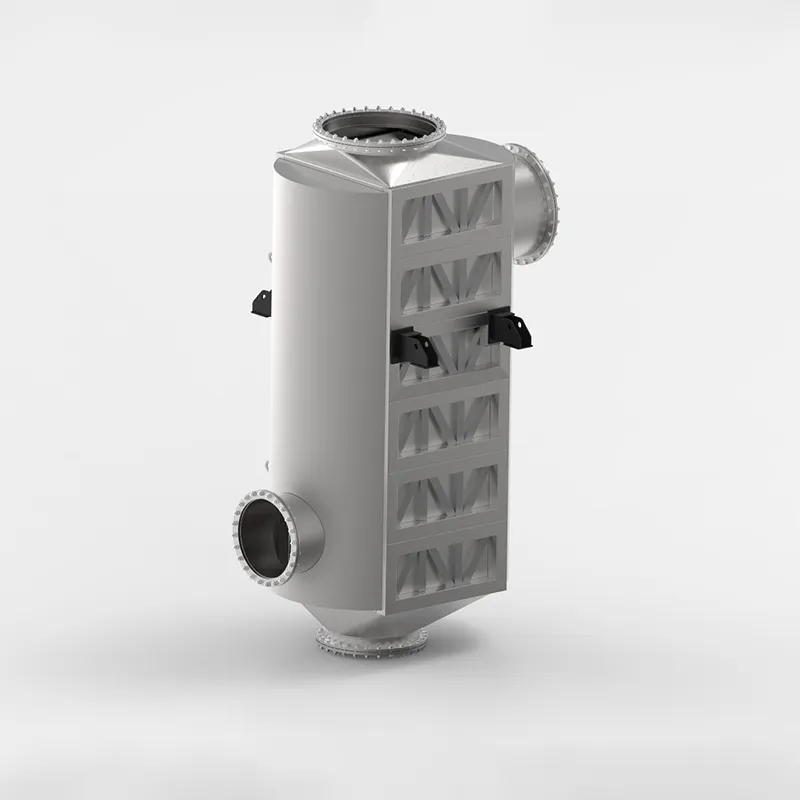
The effectiveness of this sealing mechanism relies on consistent compression across all plates. Over-compression can cause gasket extrusion, while under-compression leads to leakage paths. Modern plate designs incorporate elastomeric gaskets that snap into precision-milled grooves, ensuring correct alignment and uniform compression during assembly. The gasket’s cross-section—often a combination of a sealing lip and a stabilizing base—optimizes the compression ratio, typically ranging from 20% to 30% of the original thickness. This compression creates a high-stress zone that blocks fluid migration between ports. Additionally, the plate pattern directs fluid flow to maximize turbulence and heat transfer while minimizing stagnation areas that could compromise seal integrity. The result is a leak-free operation that meets stringent hygiene and safety standards in industries such as food processing, pharmaceuticals, and chemical manufacturing.
Plate heat exchanger gaskets are engineered with a double sealing profile that creates two distinct sealing barriers between the plate edges. This design ensures that even if the primary seal experiences minor degradation, the secondary seal maintains operational integrity. The space between these two seals forms a natural leak detection channel.
When fluid escapes past the first seal, it is directed into this channel rather than mixing with the opposing fluid. The channel is open to the atmosphere at the plate edge, allowing any leakage to be visually identified during routine inspection. This early warning system prevents cross-contamination and enables planned maintenance before a full failure occurs.
The double sealing geometry also improves gasket compression distribution. Each seal lip is designed to exert a specific contact pressure against the plate groove, compensating for minor thermal expansion or pressure fluctuations during operation. This dynamic response keeps the sealing surfaces in constant contact, reducing the risk of sudden leakage under variable process conditions.
| Seal Feature | Function | Benefit |
|---|---|---|
| Primary Seal Lip | Direct fluid containment | Main barrier against leakage |
| Secondary Seal Lip | Backup containment | Prevents cross-contamination |
| Leak Detection Channel | Directs escaped fluid outward | Enables visual inspection |
| Compression Profile | Distributes clamping force | Adapts to thermal/pressure changes |
The leak detection channel is a critical safety feature that distinguishes gasketed plate heat exchangers from other designs. By providing a visible indication of seal wear, operators can schedule gasket replacement without interrupting production. This mechanism is especially valuable in hygienic or aggressive chemical services where even minor leakage must be detected immediately.
For further technical details on double sealing applications, refer to product documentation for gasketed plate heat exchangers or explore wide gap welded plate heat exchanger configurations. Additional resources on sealing integrity are available through custom engineered plate air preheaters and HT-Bloc welded plate heat exchanger product pages.
Gasket failure in plate heat exchangers typically results from thermal degradation, chemical attack, or improper installation. Over time, high temperatures and aggressive fluids cause elastomer hardening, cracking, or compression set, leading to leakage between plates.
Aging and material fatigue are primary failure causes. Gaskets exposed to continuous thermal cycling lose elasticity, creating micro-gaps that allow fluid bypass. Chemical incompatibility accelerates swelling or embrittlement, especially in applications with oils, acids, or steam.
To prevent leaks, select gasket materials rated for your specific temperature and chemical environment. EPDM resists hot water and mild chemicals, while NBR handles oils. Regularly inspect gaskets for cracks, permanent deformation, or adhesion loss during maintenance.
Proper installation is critical. Ensure gaskets are correctly seated in plate grooves, avoid over-tightening the frame, and replace gaskets at recommended intervals. Using genuine manufacturer parts and torque specifications minimizes uneven compression and extends service life.
Routine monitoring of operating parameters like pressure and temperature helps detect early signs of gasket deterioration. Addressing minor leaks promptly prevents major failures and costly downtime. Proper storage of spare gaskets in cool, dark conditions also preserves their integrity.
Proper installation and regular maintenance of plate heat exchanger gaskets are critical to achieving a durable, leak-free seal. Even the highest quality gaskets will fail prematurely if handling and fitting procedures are not followed meticulously.
Before fitting any gasket, visually inspect both the gasket and the plate groove for debris, scratches, or deformation. Even small particles or burrs can compromise the seal. Clean the groove with a soft, lint-free cloth and ensure the surface is completely dry. For stubborn residues, use a mild cleaning agent recommended by the gasket manufacturer.
Align the gasket evenly within the groove, starting from the center and working outward to avoid stretching or twisting. Press the gasket firmly into place using hand pressure or a soft roller. Never use sharp tools that could nick the gasket or plate. Ensure the gasket sits flush and level with the plate surface; any raised sections indicate improper seating.
Over-tightening or under-tightening the plate pack is a common cause of gasket failure. Always follow the manufacturer’s torque specifications and tightening sequence. Use a calibrated torque wrench and tighten in a cross-pattern to ensure even compression. Check the plate pack dimension regularly, as gaskets may relax over time and require re-torquing.
Temperature spikes, pressure surges, and chemical incompatibility accelerate gasket degradation. Install pressure and temperature gauges to track operating parameters. Replace gaskets at the first sign of hardening, cracking, or permanent set. For critical applications, schedule periodic leak tests and visual inspections every six months.
Store gaskets in a cool, dry, dark environment away from ozone, direct sunlight, and heat sources. Keep them in their original packaging until ready for use. Avoid hanging gaskets, which can cause distortion. Always handle with clean, dry hands or gloves to prevent oil or dirt contamination.
Always replace all gaskets in a plate pack at the same time, even if only one appears damaged. Mixing old and new gaskets leads to uneven compression and leaks. Establish a replacement schedule based on operating hours, thermal cycles, and manufacturer recommendations. For more detailed technical guidance, refer to gasketed plate heat exchangers or HT-bloc welded plate heat exchangers.
Keep a log of all gasket installations, torque values, inspection dates, and any leak incidents. This data helps identify recurring issues and optimize maintenance intervals. For specialized applications such as custom engineered plate air preheaters or printed circuit heat exchangers, always consult the original equipment manual for specific gasket care instructions.
We provide you with comprehensive foreign trade solutions to help enterprises achieve global development
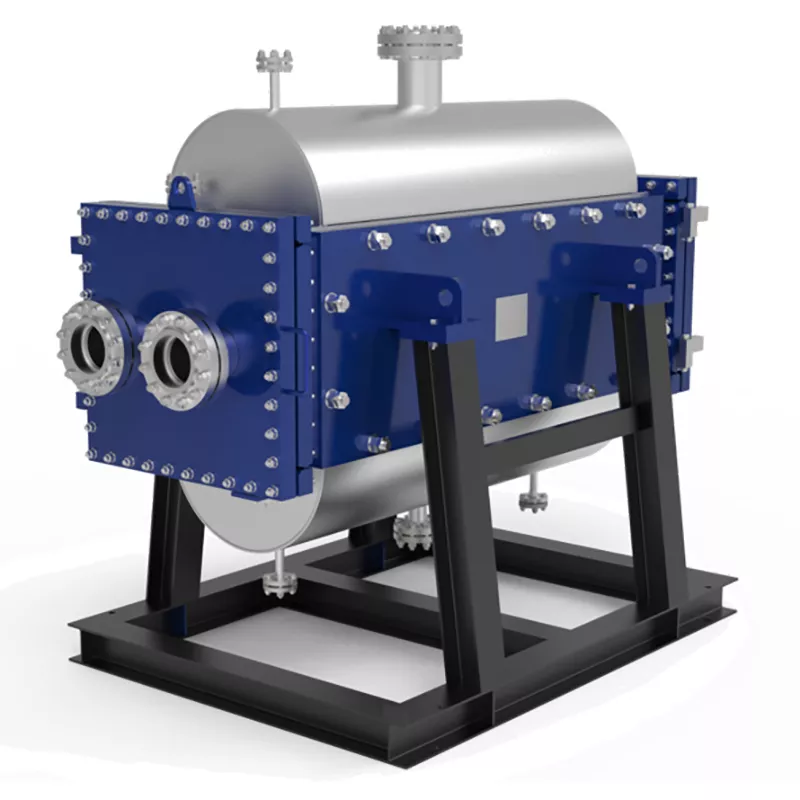
Industrial processes involving particle-laden slurries, high-viscosity syrups, or fiber-rich pulp demand more than standard equipment—they require target-engineered thermal management. At SHPHE, we configure the TP Welded Plate Heat Exchanger to directly conquer your plant's severe fouling, blockage, and erosion threats. Combining custom-tailored channel geometries, wear-resistant metallurgy, and integrated CIP (Cleaning-in-Place) systems, we deliver absolute production continuity where conventional heat exchangers fail.
Custom-Engineered for Severe Process Demands. At SHPHE, we don't just supply equipment; we design tailored thermal solutions. Our HT-Bloc welded plate heat exchangers are custom-configured by our experienced engineers to overcome your specific industry challenges—whether handling high-viscosity media, extreme temperatures, or strict space constraints.
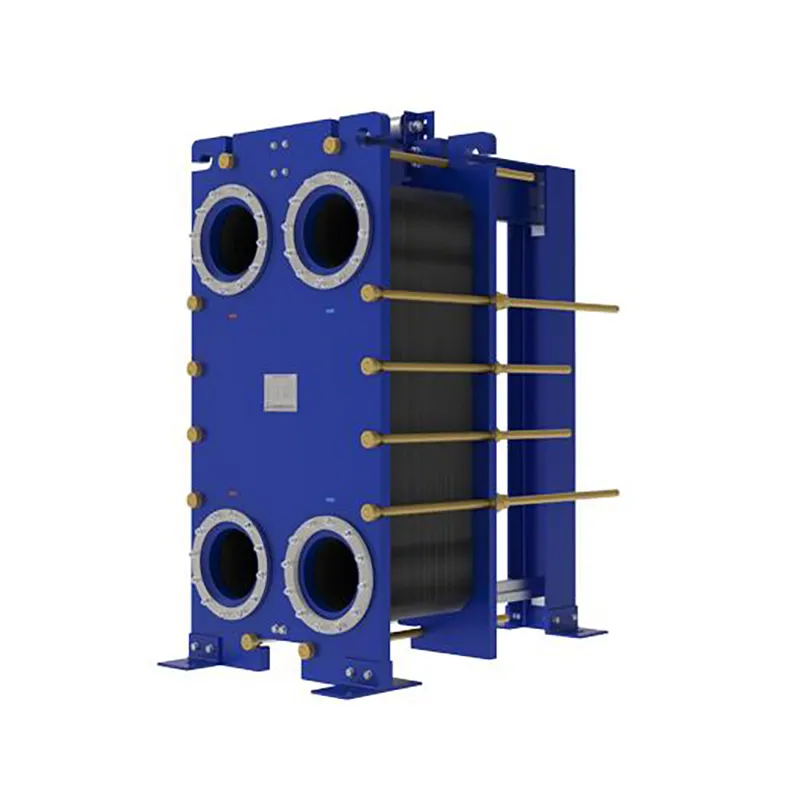
Since the invention of the plate heat exchanger (PHE) in 1923, thermal technology has evolved from standard food-grade processing to highly complex industrial operations. At SHPHE, we take this classic, versatile design and transform it into highly bespoke heat transfer solutions tailored to your unique process fluids and thermal loads. While traditional gasketed PHEs offer high efficiency and compact footprints, SHPHE optimizes plate corrugations, metallurgy, and sealing systems to handle your specific chemical, HVAC, or energy recovery parameters. Our custom-engineered gasketed plate heat exchangers provide outstanding scalability and ease of maintenance, serving as an indispensable asset for heavy industries—including oil and gas, metallurgy, and food processing—where uptime, energy recovery, and long-term sustainability are top priorities.
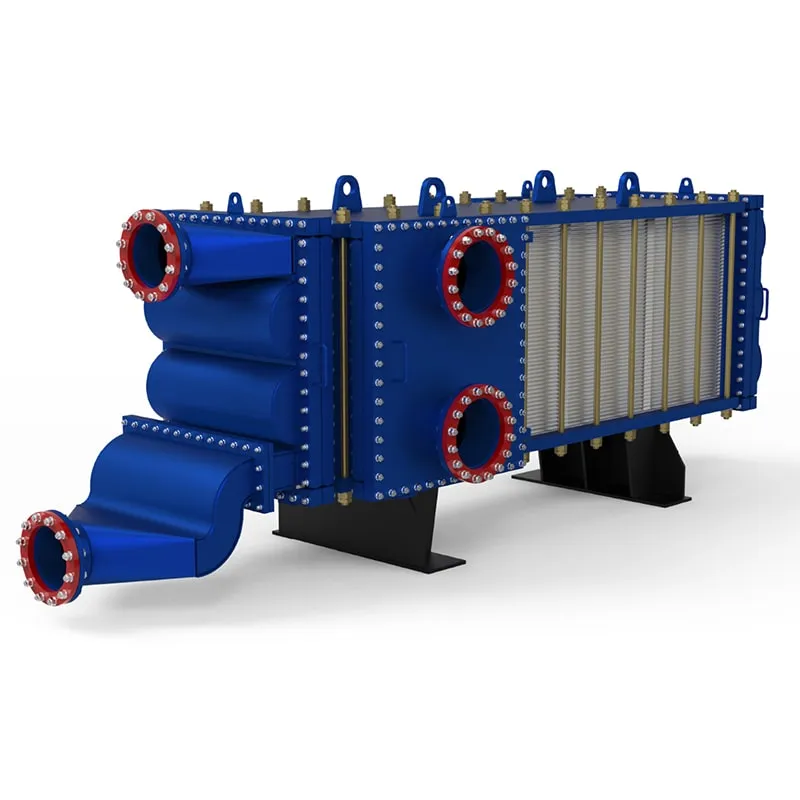
Custom-Engineered Anti-Clogging Solutions for High-Viscosity Slurries: Deployed specifically to conquer severe industrial fouling, SHPHE wide gap welded plate heat exchangers are tailor-built to handle complex media containing dense fibers, coarse crystals, or solid suspensions without clogging. Each non-obstructed channel is calculated and formed by laser-welded plate packs matching your fluid’s exact rheology and grain size, completely eliminating structural "dead zones" and media stagnation. Available in highly compact vertical and versatile horizontal configurations, our vertical engineering drastically reduces plant footprints while maintaining unhindered product throughput, minimal pressure drops, and flawless continuous operations across harsh process loops.