English EN


What Are The Different Types of Plate Heat Exchangers
Plate Heat Exchangers include gasketed, brazed, welded, semi-welded, shell and plate, and specialty types for varied industrial uses.
More
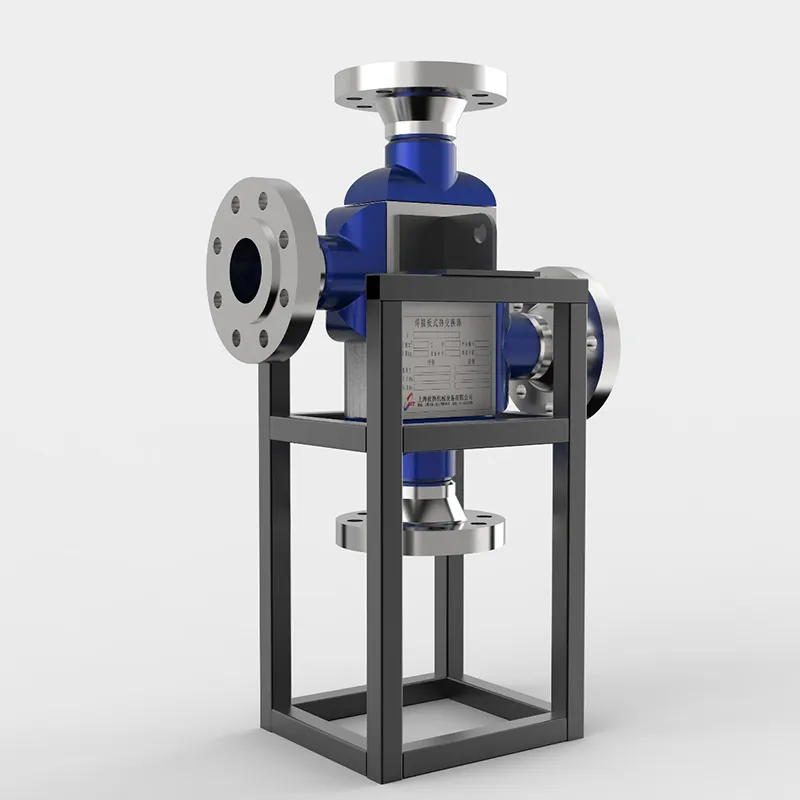
Gaskets serve as the sealing barrier between the tube bundle and the shell, preventing fluid mixing and leaks. In shell and tube heat exchangers, gaskets are typically used at the channel cover, bonnet, and tube sheet joints. The wrong material can lead to premature failure, costly downtime, or even safety hazards. Factors like operating temperature, pressure, and fluid compatibility directly influence which gasket type works best.
CNAF gaskets are a popular choice for general-purpose applications. They handle temperatures up to 400°C (752°F) and pressures up to 100 bar, depending on the binder. These gaskets work well with water, steam, oils, and mild chemicals. Many plants use CNAF for standard shell and tube heat exchangers in HVAC and process cooling systems.
Flexible graphite gaskets excel in high-temperature environments, withstanding up to 500°C (932°F) in oxidizing conditions and even higher in non-oxidizing atmospheres. They offer excellent chemical resistance and conform well to uneven flange surfaces. However, graphite can be prone to oxidation at very high temperatures, so it is often used with a metal insert for reinforcement. These are common in refineries and chemical plants.
PTFE gaskets are almost chemically inert, making them ideal for aggressive acids, caustics, and solvents. They handle temperatures from -200°C to +260°C (-328°F to +500°F). Pure PTFE can creep under load, so many manufacturers add fillers like glass or silica to improve dimensional stability. These gaskets are widely used in pharmaceutical and food processing heat exchangers.
For high-pressure and high-temperature services, metal jacketed gaskets provide robust sealing. They consist of a soft filler material (like graphite or ceramic) wrapped in a metal jacket (stainless steel, monel, or inconel). These gaskets are common in shell and tube heat exchangers used in power generation and oil & gas applications, where pressures can exceed 200 bar.
Spiral wound gaskets combine a V-shaped metal strip with a soft filler material, wound together to form a resilient seal. They are highly effective for applications with thermal cycling or vibration. The filler is typically graphite or PTFE, and the metal strip can be stainless steel or other alloys. These gaskets are a standard choice for shell and tube heat exchangers in petrochemical plants.
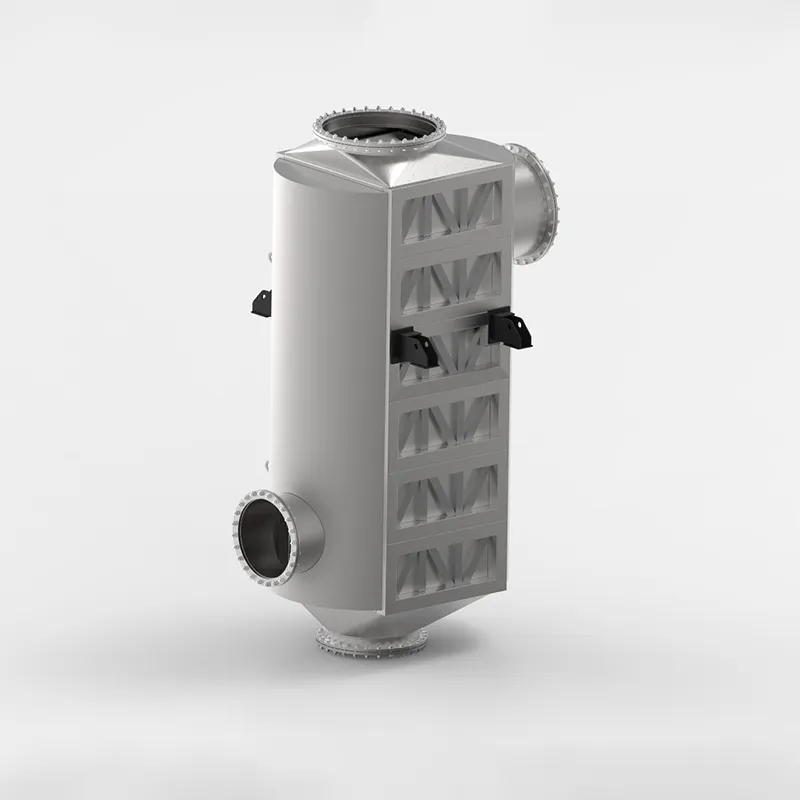
Start by identifying the operating conditions: maximum temperature, pressure, and the fluids involved. For steam or hot water systems, CNAF or graphite gaskets often work well. For corrosive chemicals, PTFE is usually the safest bet. If the heat exchanger experiences frequent start-stop cycles, spiral wound or metal jacketed gaskets offer better resilience. Always check the gasket's compression and recovery characteristics to ensure it can maintain a seal under fluctuating loads.
Proper installation is just as important as material selection. Clean the flange faces thoroughly before placing the gasket. Use the correct bolt torque sequence and tighten in stages to avoid uneven compression. Over-tightening can damage the gasket or flange, while under-tightening leads to leaks. During maintenance, inspect gaskets for signs of creep, cracking, or chemical attack. Replace them if there is any visible wear, even if the heat exchanger seems to be sealing fine.
Many gaskets for shell and tube heat exchangers follow standards like ASME B16.20 or EN 1514. These standards define dimensions, tolerances, and material grades. When sourcing gaskets, look for manufacturers who provide test reports for compression, recovery, and leak rate. This ensures the gasket meets the required performance for your specific application. For more details on custom-engineered heat exchanger solutions, check out our printed circuit heat exchanger page.
Understanding the different shell and tube heat exchanger gasket types helps you make informed decisions that improve reliability and reduce operational costs. Whether you need a simple CNAF gasket for a water cooling system or a high-performance spiral wound gasket for a refinery, matching the material to the service conditions is key. Always consult with your gasket supplier and review the heat exchanger's design specifications before making a final choice.
We provide you with comprehensive foreign trade solutions to help enterprises achieve global development
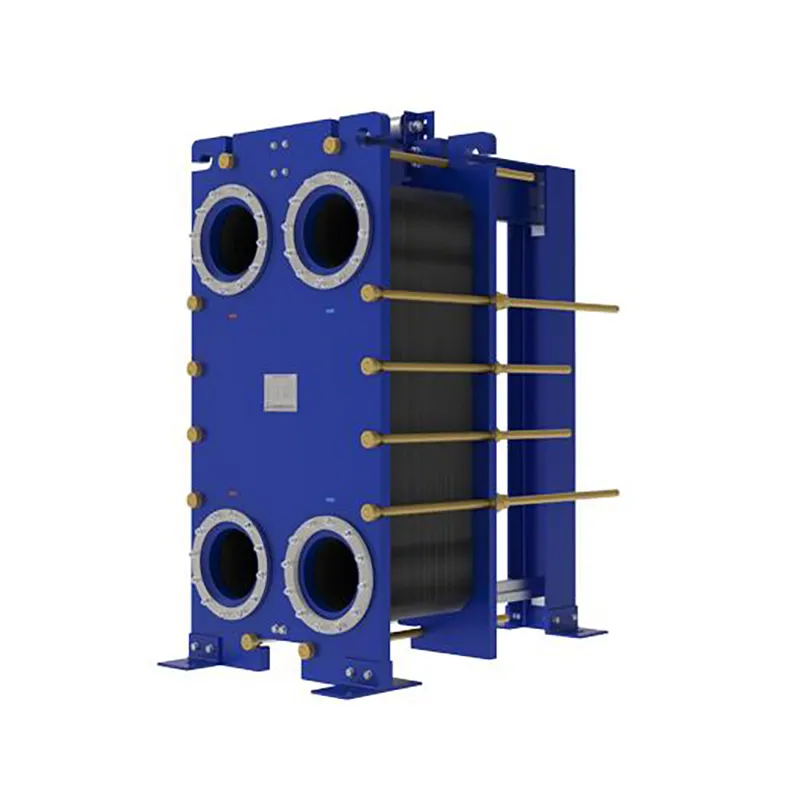
Since the invention of the plate heat exchanger (PHE) in 1923, thermal technology has evolved from standard food-grade processing to highly complex industrial operations. At SHPHE, we take this classic, versatile design and transform it into highly bespoke heat transfer solutions tailored to your unique process fluids and thermal loads. While traditional gasketed PHEs offer high efficiency and compact footprints, SHPHE optimizes plate corrugations, metallurgy, and sealing systems to handle your specific chemical, HVAC, or energy recovery parameters. Our custom-engineered gasketed plate heat exchangers provide outstanding scalability and ease of maintenance, serving as an indispensable asset for heavy industries—including oil and gas, metallurgy, and food processing—where uptime, energy recovery, and long-term sustainability are top priorities.
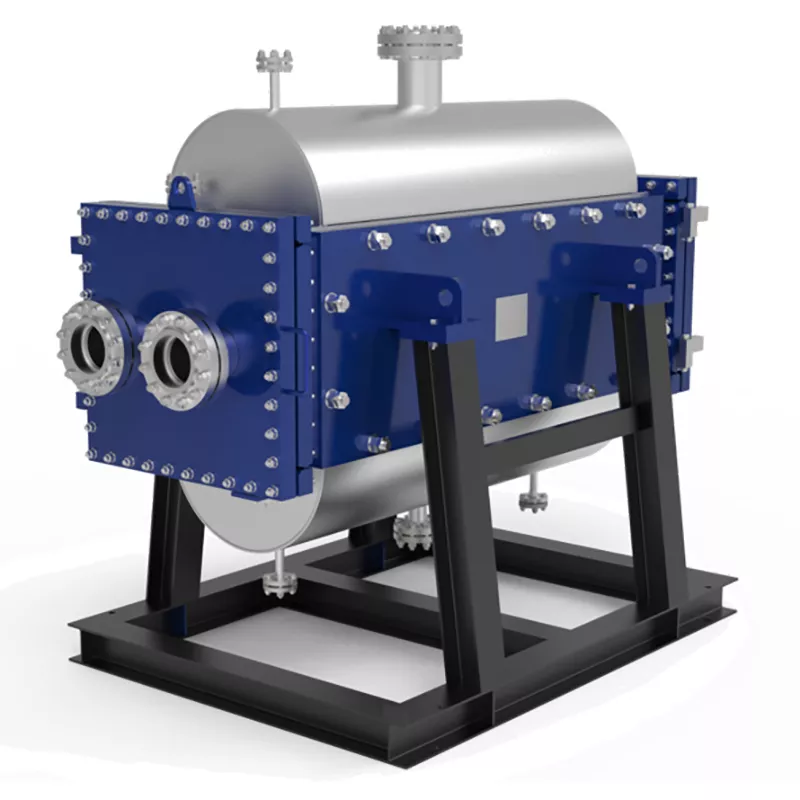
Industrial processes involving particle-laden slurries, high-viscosity syrups, or fiber-rich pulp demand more than standard equipment—they require target-engineered thermal management. At SHPHE, we configure the TP Welded Plate Heat Exchanger to directly conquer your plant's severe fouling, blockage, and erosion threats. Combining custom-tailored channel geometries, wear-resistant metallurgy, and integrated CIP (Cleaning-in-Place) systems, we deliver absolute production continuity where conventional heat exchangers fail.
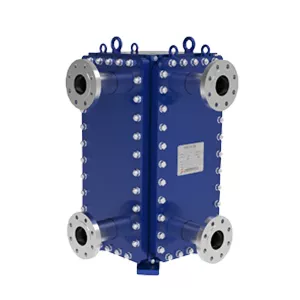
Custom-Engineered for Severe Process Demands. At SHPHE, we don't just supply equipment; we design tailored thermal solutions. Our HT-Bloc welded plate heat exchangers are custom-configured by our experienced engineers to overcome your specific industry challenges—whether handling high-viscosity media, extreme temperatures, or strict space constraints.
The SHPHE Printed Circuit Heat Exchanger (PCHE) is an advanced diffusion bonded microchannel heat exchanger engineered for demanding high-pressure and high-temperature thermal duties. Compared with conventional shell-and-tube equipment, its chemically etched microchannel structure provides exceptionally high heat-transfer surface density within a compact core. Combined with solid-state diffusion bonding, the design delivers high thermal effectiveness, mechanical integrity, and reliable containment under extreme operating conditions.
Designed as a compact high pressure heat exchanger, the SHPHE PCHE supports critical thermal processes across LNG, natural gas processing, offshore energy systems, supercritical CO₂ power cycles, hydrocarbon processing, and high-pressure hydrogen applications. Its combination of compact size, high pressure capability, low fluid inventory, and efficient heat recovery makes PCHE technology particularly suitable for applications where equipment footprint, weight, safety, and thermal performance are equally important.