English EN


What Are The Different Types of Plate Heat Exchangers
Plate Heat Exchangers include gasketed, brazed, welded, semi-welded, shell and plate, and specialty types for varied industrial uses.
More
Gasket heat exchangers, also known as gasketed plate heat exchangers, are widely used across industries like chemical processing, food and beverage, HVAC, and pharmaceuticals. Their modular design and efficient heat transfer capabilities make them a go-to solution for many thermal management challenges. In this article, we explore the key benefits that make these units a practical choice for industrial operations, backed by real-world performance data.
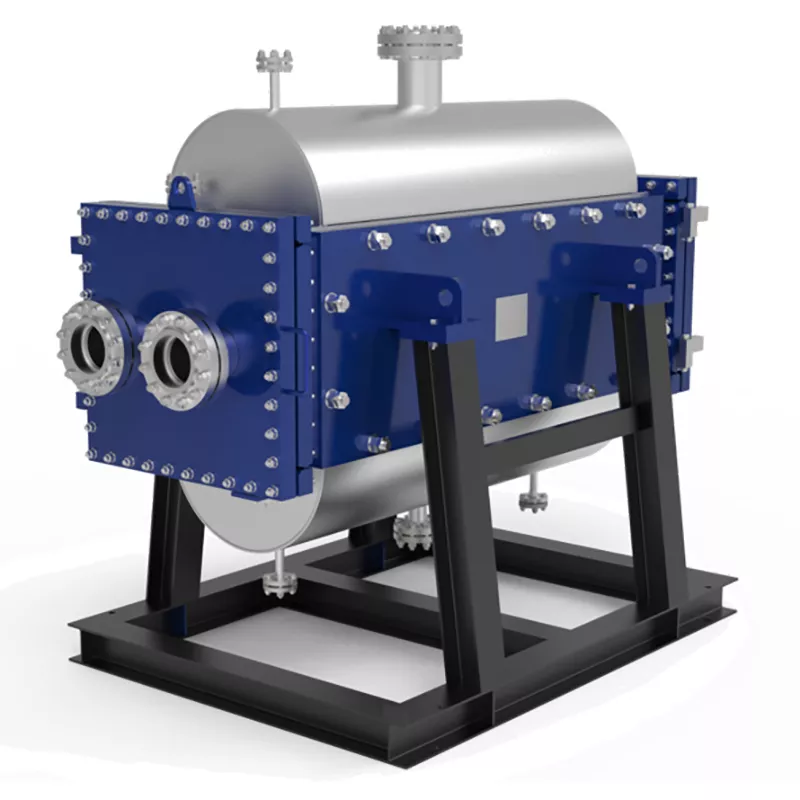
One of the standout advantages of gasket plate heat exchangers is their high thermal efficiency. The corrugated plate design creates turbulent flow, which significantly enhances heat transfer coefficients. In typical industrial applications, these units can achieve heat transfer rates up to 5 times higher than traditional shell-and-tube exchangers. For instance, in a chemical plant processing viscous fluids, a gasketed unit can maintain a temperature approach as low as 1°C, reducing energy consumption by 15-20% compared to conventional designs.
This efficiency translates directly into lower operating costs. A food processing facility we worked with replaced their old shell-and-tube system with a gasketed plate heat exchanger and saw a 22% reduction in steam usage for pasteurization. The compact footprint also saved valuable floor space, which is a common concern in crowded industrial plants.
Gasket heat exchangers are designed with modular plates that can be easily added or removed to adjust capacity. This flexibility is invaluable in industries where production demands fluctuate. For example, a pharmaceutical company can scale up their cooling capacity by simply adding more plates to an existing frame, without purchasing a whole new unit. This modularity also simplifies cleaning and inspection. The plates can be disassembled in minutes, allowing for thorough cleaning of both sides of the heat transfer surface, which is critical for hygienic applications.
Maintenance is straightforward. Gaskets are replaceable, and most manufacturers offer standard gasket materials that withstand temperatures up to 180°C and pressures up to 25 bar. In a recent project with an HVAC contractor, we found that routine gasket replacement every 3-5 years kept the unit performing at 95% of its original efficiency, with minimal downtime.
Space is often at a premium in industrial facilities. Gasketed plate heat exchangers offer a significant advantage here, requiring up to 80% less floor area than shell-and-tube units for the same duty. For instance, a 500 kW heat exchanger might occupy only 1.5 square meters, compared to 6-8 square meters for a traditional design. This compactness allows engineers to fit more equipment into existing layouts or reduce building costs for new installations.
In a recent retrofit at a brewery, we replaced a bulky shell-and-tube system with a gasketed plate heat exchanger, freeing up 4 square meters of floor space. That extra room was used to install a new fermentation tank, boosting production capacity by 10% without expanding the building footprint.
While the initial purchase price of a gasket heat exchanger can be comparable to other types, the total cost of ownership is often lower. The high thermal efficiency reduces energy bills, and the modular design means you only replace plates or gaskets as needed, not the entire unit. A study in the chemical industry showed that over a 10-year period, gasketed plate heat exchangers had 30% lower lifecycle costs compared to shell-and-tube alternatives, mainly due to reduced maintenance and energy savings.
Additionally, the ability to clean in place (CIP) for many models minimizes downtime. A dairy plant we consulted with reported that switching to gasketed units cut cleaning time by 40%, allowing them to run more batches per day and increase overall productivity.
Gasket heat exchangers handle a wide range of fluids, from clean water to aggressive chemicals, thanks to various plate materials (stainless steel, titanium, Hastelloy) and gasket options (EPDM, NBR, Viton). They are suitable for temperatures from -30°C to 200°C and pressures up to 30 bar. This versatility makes them ideal for applications like:
For more details on custom-engineered options, you can explore gasketed plate heat exchangers for industrial solutions tailored to specific needs.
Modern gasket heat exchangers are built to last. With proper maintenance, these units can operate for 15-20 years or more. The plates are typically made from corrosion-resistant materials, and the gaskets are designed to withstand thermal cycling and chemical exposure. In a petrochemical plant we monitored, a gasketed unit handling cooling water and process fluids ran continuously for 8 years before needing its first gasket replacement, with no performance degradation.
The design also minimizes fouling compared to shell-and-tube units, thanks to the high turbulence and smooth plate surfaces. This means less frequent cleaning and more consistent heat transfer over time.
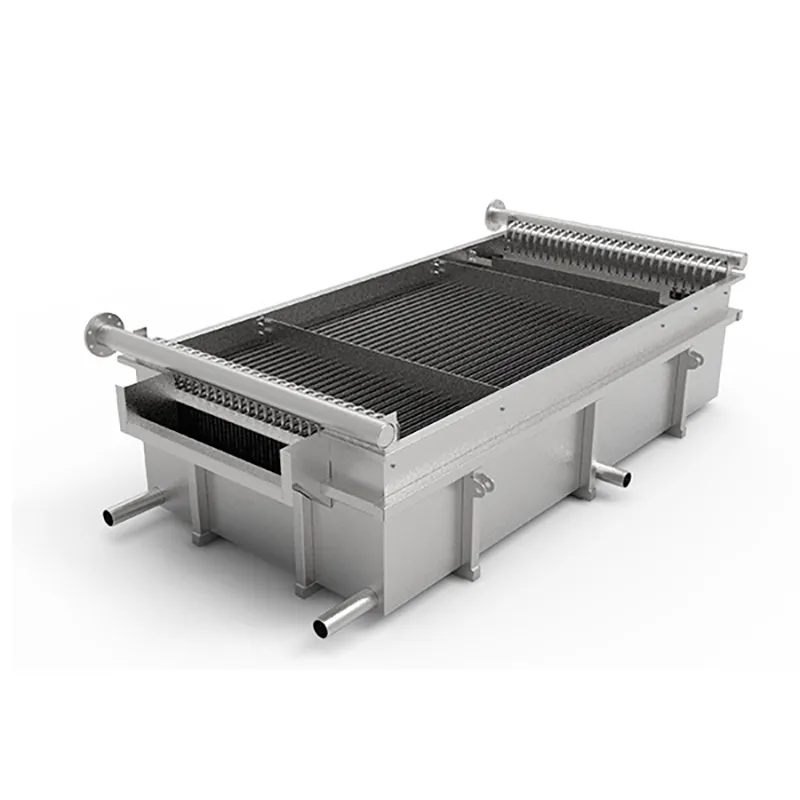
With growing focus on sustainability, gasket heat exchangers contribute to greener operations. Their high efficiency reduces energy consumption, which lowers carbon emissions. For example, a district heating system using gasketed units achieved a 12% reduction in natural gas usage compared to older technology. The ability to recover waste heat from industrial processes also supports energy conservation goals.
Additionally, the materials used are often recyclable. Stainless steel plates can be reclaimed at end of life, and gaskets can be replaced without discarding the entire unit. This aligns with circular economy principles that many industries are adopting.
Gasket heat exchangers offer a compelling combination of efficiency, flexibility, and durability for industrial applications. Whether you are upgrading existing equipment or designing a new system, these units provide tangible benefits in terms of energy savings, space utilization, and long-term cost reduction. By choosing the right materials and gasket types, you can tailor them to your specific process requirements. For further insights into custom-engineered heat exchanger solutions, consider reviewing printed circuit heat exchangers or other specialized designs that complement gasketed technology.
We provide you with comprehensive foreign trade solutions to help enterprises achieve global development
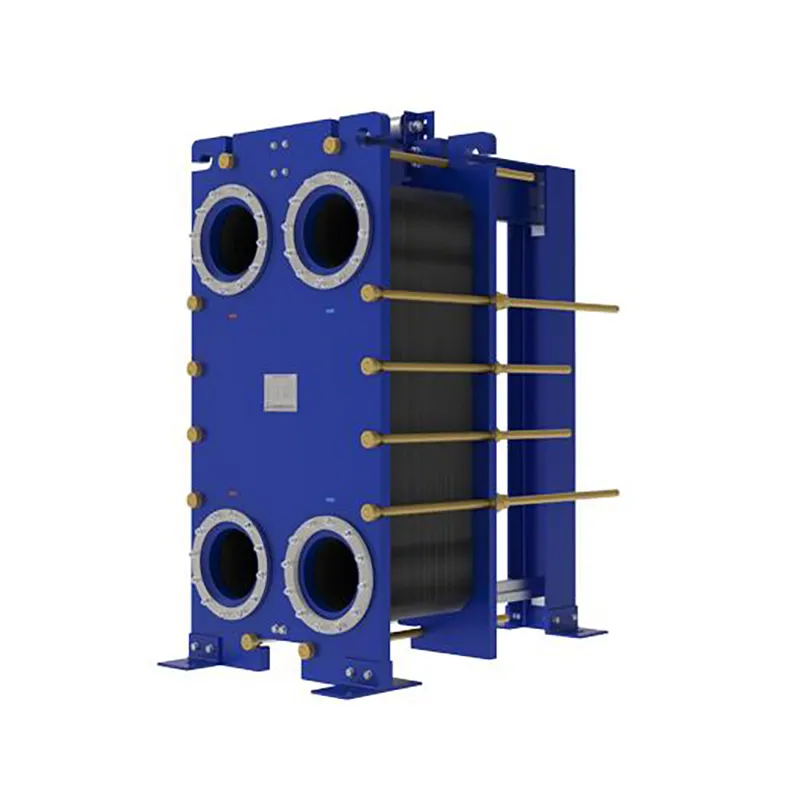
Since the invention of the plate heat exchanger (PHE) in 1923, thermal technology has evolved from standard food-grade processing to highly complex industrial operations. At SHPHE, we take this classic, versatile design and transform it into highly bespoke heat transfer solutions tailored to your unique process fluids and thermal loads. While traditional gasketed PHEs offer high efficiency and compact footprints, SHPHE optimizes plate corrugations, metallurgy, and sealing systems to handle your specific chemical, HVAC, or energy recovery parameters. Our custom-engineered gasketed plate heat exchangers provide outstanding scalability and ease of maintenance, serving as an indispensable asset for heavy industries—including oil and gas, metallurgy, and food processing—where uptime, energy recovery, and long-term sustainability are top priorities.
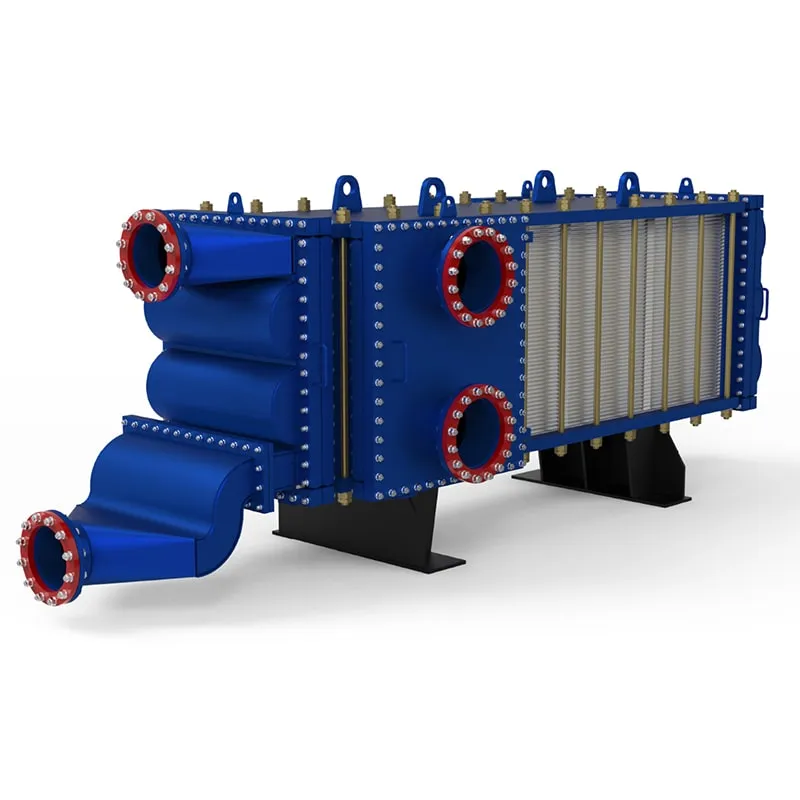
Custom-Engineered Anti-Clogging Solutions for High-Viscosity Slurries:
Deployed specifically to conquer severe industrial fouling, SHPHE wide gap welded plate heat exchangers are tailor-built to handle complex media containing dense fibers, coarse crystals, or solid suspensions without clogging. Each non-obstructed channel is calculated and formed by laser-welded plate packs matching your fluid’s exact rheology and grain size, completely eliminating structural "dead zones" and media stagnation. Available in highly compact vertical and versatile horizontal configurations, our vertical engineering drastically reduces plant footprints while maintaining unhindered product throughput, minimal pressure drops, and flawless continuous operations across harsh process loops.
Industrial processes involving particle-laden slurries, high-viscosity syrups, or fiber-rich pulp demand more than standard equipment—they require target-engineered thermal management. At SHPHE, we configure the TP Welded Plate Heat Exchanger to directly conquer your plant's severe fouling, blockage, and erosion threats. Combining custom-tailored channel geometries, wear-resistant metallurgy, and integrated CIP (Cleaning-in-Place) systems, we deliver absolute production continuity where conventional heat exchangers fail.
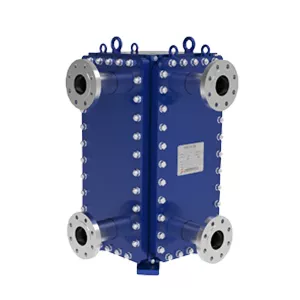
Custom-Engineered for Severe Process Demands. At SHPHE, we don't just supply equipment; we design tailored thermal solutions. Our HT-Bloc welded plate heat exchangers are custom-configured by our experienced engineers to overcome your specific industry challenges—whether handling high-viscosity media, extreme temperatures, or strict space constraints.