
 English EN


TL;DR — The quick answer
Why PHEs: compact, efficient, hygienic surfaces give rapid, precise temperature control for food processing.
Key duty: pasteurization — heating then cooling with heat regeneration to save energy.
Hygiene: smooth, cleanable surfaces and CIP reduce cross-contamination and meet food-safety standards.
Applications: milk sterilization, juice processing, dairy, beverages and heat recovery.
Efficiency: heat regeneration recovers most of the pasteurization energy, cutting cost.
The food and beverage industry relies on precise, hygienic, energy-efficient heat transfer — for pasteurizing milk, processing juice, and heating and cooling countless products. Plate heat exchangers for food and dairy deliver exactly this, with compact designs, high efficiency and hygienic surfaces that support food safety. This guide covers pasteurization, hygiene, CIP and the applications where plate technology is indispensable.
Food processing has unique demands: gentle yet precise temperature control to protect product quality, hygienic surfaces to prevent contamination, and energy efficiency to control cost. SHPHE engineers plate heat exchangers — gasketed for cleanable regeneration duties, pillow plates for hygienic vessel integration — to meet these demands across dairy, beverage and food processing.
Why are plate heat exchangers ideal for food?
Plate exchangers suit food processing for several reasons. Their high heat-transfer efficiency gives rapid temperature change, which protects heat-sensitive products by minimising the time at high temperature. Their compact design fits hygienic processing halls. Their smooth, hygienic surfaces resist product build-up and are easy to clean, reducing cross-contamination risk. And their gasketed construction can be opened for inspection and cleaned in place, supporting the strict hygiene regimes food safety demands. Together these make the plate exchanger the standard for thermal processing in dairy, beverage and food plants worldwide.

How does pasteurization use a plate heat exchanger?
Pasteurization — heating a product to a set temperature to destroy pathogens, then cooling it — is the classic food duty for plate exchangers. A pasteurizer typically has three sections: a regeneration section where incoming cold product is preheated by outgoing hot product, a heating section that raises it to pasteurization temperature, and a cooling section that chills it. The plate exchanger's efficiency and close approach make this compact and precise. Crucially, the regeneration section recovers most of the heat, which is why plate pasteurizers are so energy-efficient. SHPHE builds hygienic gasketed units for exactly these multi-section pasteurization duties.
How does heat regeneration save energy?
The regeneration stage is where the plate pasteurizer earns its efficiency. Instead of heating the cold incoming product from scratch and then throwing away the heat when cooling the hot pasteurized product, the exchanger uses the hot outgoing product to preheat the cold incoming product. This recovers a large share of the heat — often 90% or more — so the heating and cooling utilities only need to supply the small remaining difference. The result is a major reduction in energy cost and utility load. This regenerative heat recovery is a prime example of the plate exchanger's close temperature approach delivering real, continuous energy savings, and it is central to the economics of food processing.
How is hygiene and cleaning managed?
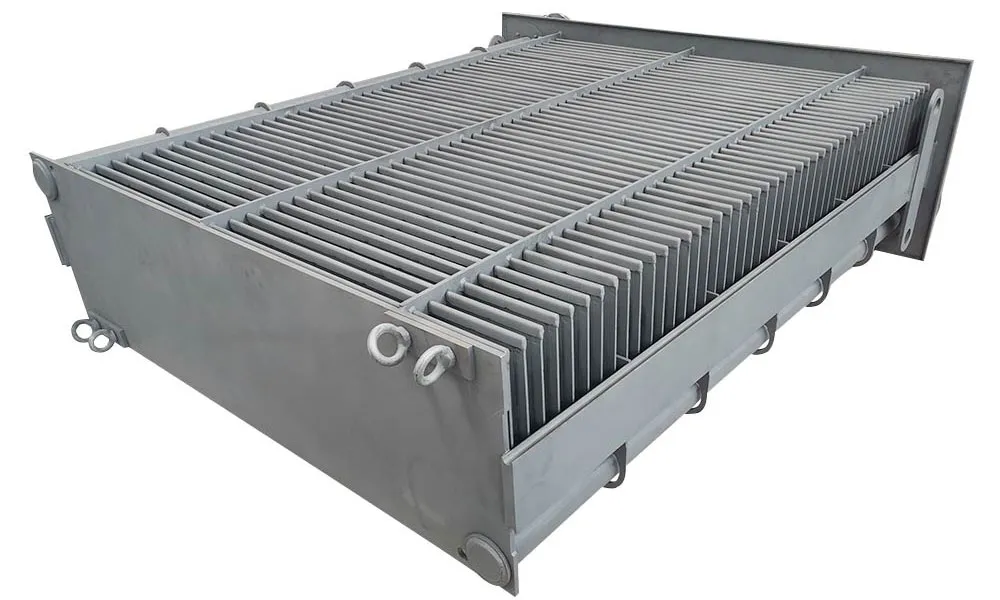
Food safety depends on cleanability. Plate exchangers support this in two ways: their smooth surfaces resist product deposit and are easy to clean, and gasketed units can be cleaned in place (CIP) — circulating cleaning and sanitising solutions through the unit — or opened for inspection and manual cleaning. CIP is the norm in modern dairy and beverage plants, allowing frequent, validated cleaning between production runs without dismantling. Hygienic gasket materials (typically EPDM) suit the cleaning chemicals and temperatures. For heat transfer integrated into hygienic vessels — tanks and reactors — SHPHE's laser-welded pillow plates provide leak-free, cleanable surfaces.
What food and beverage duties suit plate exchangers?
| Duty | Example |
|---|---|
| Pasteurization / sterilization | Milk, cream, juice, liquid egg |
| Heating & cooling | Product heating, chilling, temperature control |
| Concentration / evaporation | Dairy and juice concentration |
| Heat recovery | Recovering waste heat, regeneration |
| Viscous / particulate products | Purées, fibre-rich juices (wide-gap / TP welded) |
Why is precise temperature control so important in food?
Food and dairy products are often heat-sensitive: too little heat fails to pasteurize safely, while too much or too long at high temperature degrades flavour, colour, nutrients and texture. The plate exchanger's high efficiency and rapid temperature change are precisely what protect product quality — the product spends the minimum time at high temperature needed to achieve safety, then is cooled quickly. This gentle-yet-precise control is far harder to achieve in a bulky, slow shell-and-tube unit, which is why plate exchangers dominate food thermal processing. For the producer, it means a product that is both safe and of high quality, meeting both regulatory and consumer expectations. Getting the temperature profile right — through the plate arrangement and control — is central to a good food heat-exchanger design, and it is a core part of SHPHE's engineering for the sector.
How do plate exchangers cut food-plant energy cost?
Energy is a major cost in food processing, and the plate exchanger is one of the biggest levers to reduce it. The regeneration section of a pasteurizer recovers the large majority of the heating energy, so the plant buys far less steam and refrigeration than a non-regenerative system would need. Beyond pasteurization, plate exchangers recover waste heat elsewhere in the plant — from hot effluent, condensate or process streams — feeding it back to preheat incoming flows. As food producers pursue both cost control and sustainability targets, these compact, efficient heat-recovery duties deliver continuous savings that add up across a plant. SHPHE designs food heat-recovery and regeneration systems to maximise this energy reuse hygienically, so efficiency and food safety go hand in hand rather than being in tension.
Hygienic, efficient food processing
SHPHE plate heat exchangers play a vital role in food thermal processes — pasteurization, heating, cooling and concentration. Their compact design, high heat-transfer efficiency and hygienic surfaces ensure rapid temperature control while minimising energy waste, and they reduce cross-contamination risk while supporting heat-recovery systems that align with the industry's cost and sustainability goals. Applications span milk sterilization, juice processing and waste-heat reuse, enhancing productivity and compliance with stringent food-safety standards. For viscous or particulate products, SHPHE applies wide-gap or TP welded designs; for hygienic vessel integration, laser-welded pillow plates. Certified to ASME, NB, CE, BV and SGS with 30+ patents since 2005, SHPHE tailors each unit to the product and hygiene requirement.
Source: SHPHE product information. See the food solutions page.
What about heat-sensitive and viscous food products?
Not all food products behave like milk. Heat-sensitive products need especially gentle, rapid processing to avoid quality loss, favouring high-efficiency plate designs with a close temperature approach and short residence time. Viscous or particulate products — purées, fibre-rich juices, sauces and confectionery masses — would foul or clog a standard compact plate pack, so they call for a wide-gap or TP welded design with channels sized to the product. Getting this match right protects both product quality and process continuity: a gentle plate exchanger for delicate liquids, an open-channel welded unit for difficult ones. SHPHE's range across gasketed, pillow-plate, wide-gap and TP welded platforms lets it handle the full spectrum of food products, from delicate beverages to thick, particulate masses, with the right thermal surface for each. This breadth means a food producer can source every thermal duty in the plant — pasteurization, gentle heating, vessel cooling and difficult-product handling — from one accountable engineering partner who understands both the hygiene requirements and the product behaviour, simplifying procurement, qualification and support across the whole processing line and giving the producer a single point of accountability for thermal performance and food safety alike, which is increasingly valued as producers consolidate their equipment supply base to reduce complexity and cost.
How do you specify a food-grade plate exchanger?
Specifying for food starts with the product and its sensitivity — how gently it must be heated, its viscosity and any particulates — plus the hygiene standard, the duty (pasteurize, heat, cool, concentrate) and the cleaning regime (CIP frequency and chemicals). From these, the engineer selects food-grade stainless plates, a hygienic gasket compound suited to the CIP chemicals and temperature, and the plate arrangement for the required temperature profile and regeneration. For viscous or particulate products, a wide-gap or TP welded design keeps the flow open. Matching all of this to the specific product and plant is what delivers safe, efficient, high-quality food processing — the core of SHPHE's approach.
As a specialist plate-heat-exchanger manufacturer, SHPHE (Shanghai Heat Transfer Equipment Co., Ltd.) engineers hygienic food and dairy heat exchangers, backed by ASME/NB/CE/BV/SGS certification and 30+ patents.
Across dairy, beverage and food processing, the plate heat exchanger combines the three things the industry needs most — hygiene, precise temperature control and energy efficiency — in one compact, cleanable unit. Specifying it to the specific product, hygiene regime and duty is what turns those inherent advantages into a safe, efficient, high-quality process line.
Send SHPHE your product, duty and hygiene requirement for a food-grade design.
Consult our engineers →| Feature | Purpose |
|---|---|
| 316L contact surfaces | Corrosion & hygiene |
| EPDM / food-grade gaskets | Safe contact |
| Smooth finish | Cleanability |
| CIP compatibility | Sanitation without dismantling |
Frequently asked questions
Why are plate heat exchangers used in food and dairy?
For their high efficiency, compact size and hygienic, cleanable surfaces, giving rapid, precise temperature control while minimising energy use and cross-contamination.
How does a plate heat exchanger pasteurize milk?
In sections — regeneration (preheating incoming with outgoing product), heating to pasteurization temperature, then cooling — recovering most of the heat via regeneration for efficiency.
How much energy does heat regeneration save?
Often 90% or more of the pasteurization heat is recovered by preheating cold incoming product with hot outgoing product, so utilities only supply the small remainder.
How are food plate exchangers cleaned?
By cleaning-in-place (CIP) — circulating cleaning and sanitising solutions — or by opening the gasketed unit for inspection and manual cleaning, meeting food-safety standards.
Which exchanger suits viscous or particulate food products?
Wide-gap or TP welded designs, which keep viscous, fibre-rich or particulate products flowing where a compact plate pack would clog.
Sources & further reading: SHPHE product information; general food-processing heat-exchanger practice. Materials, gaskets and design depend on the product and hygiene regime — confirm with an engineered selection.