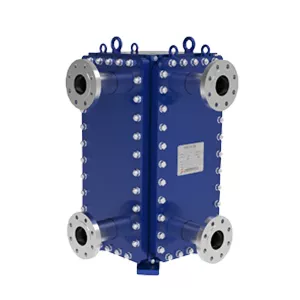
1. Space Savings Without Sacrificing Performance
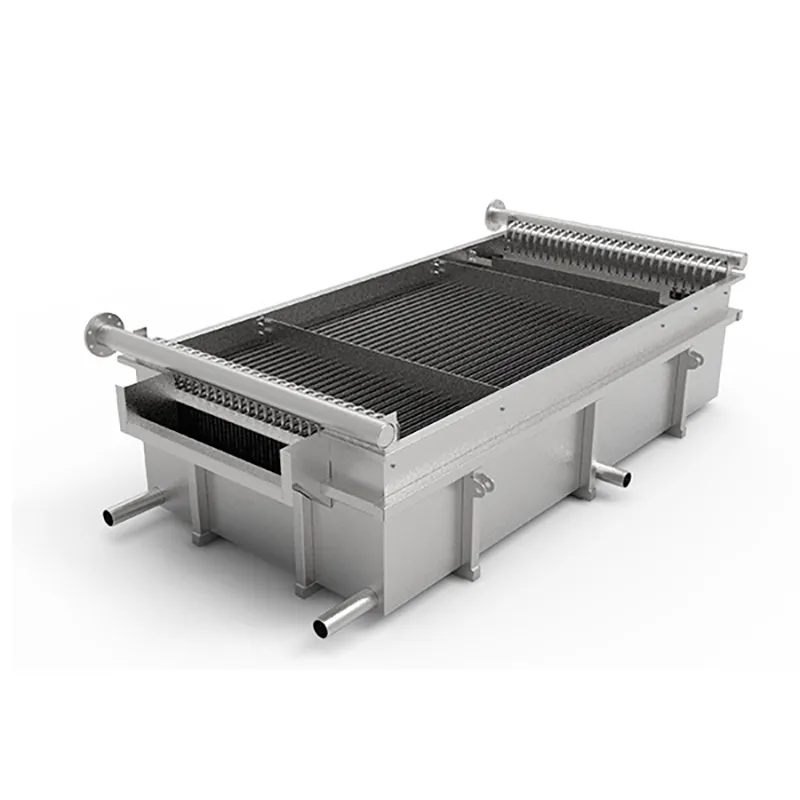
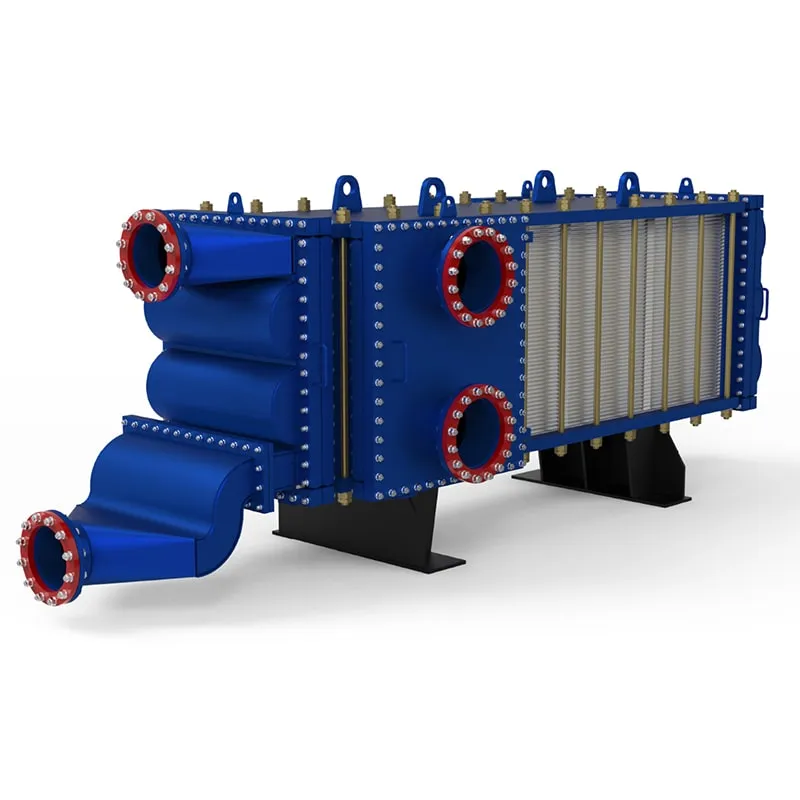
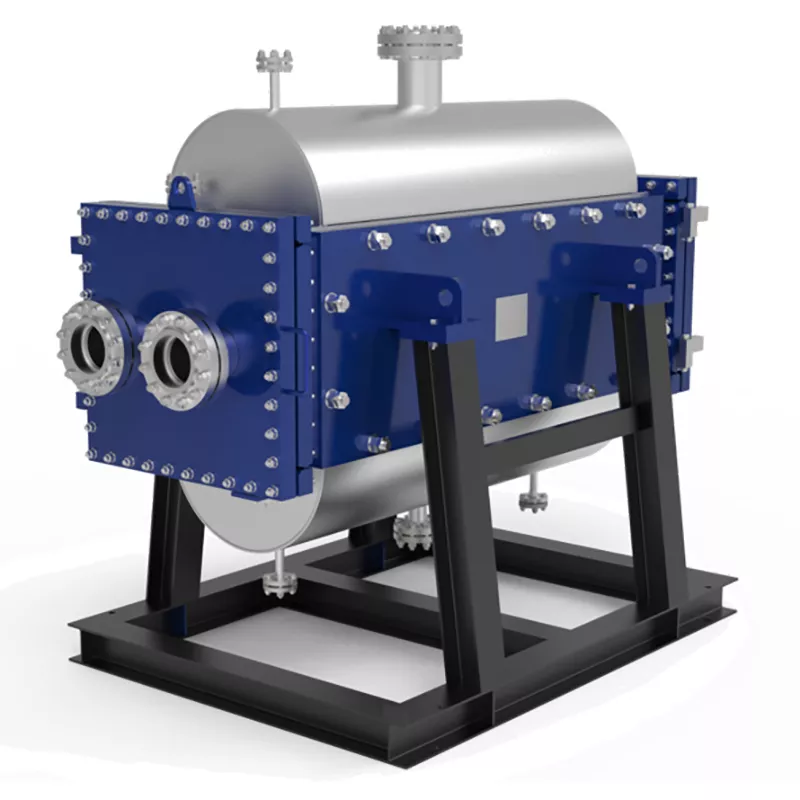
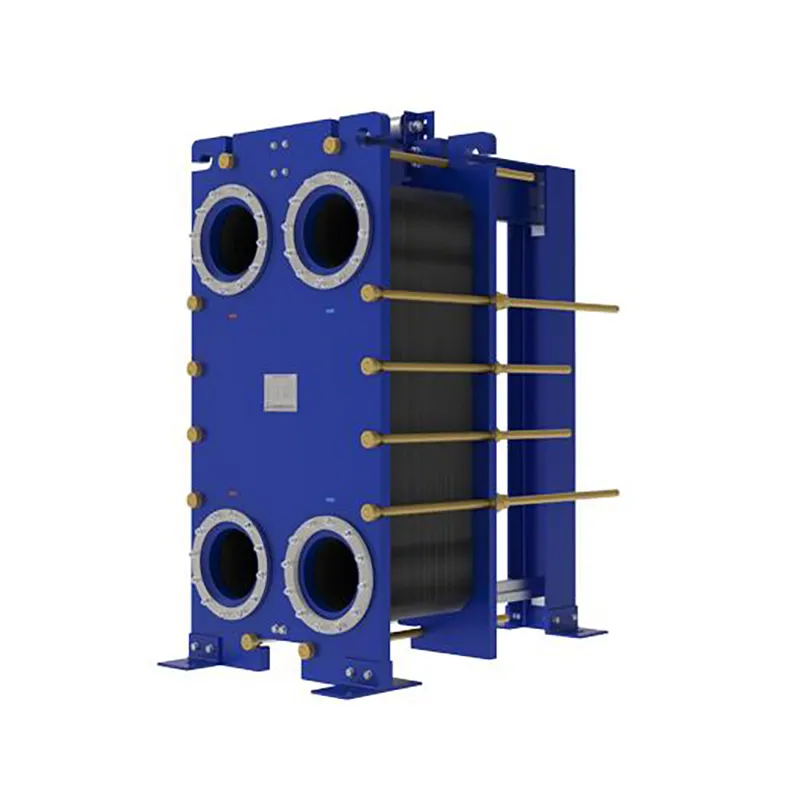
One of the most immediate benefits of a compact heat exchanger is its reduced physical size. Traditional shell-and-tube units often require large floor areas and significant clearance for maintenance. In contrast, compact designs—such as gasketed plate heat exchangers or welded plate units—can deliver the same or even higher thermal duty in a fraction of the space. For example, a typical gasketed plate heat exchanger can achieve heat transfer coefficients three to five times greater than shell-and-tube alternatives, meaning you need less surface area to transfer the same amount of heat. This directly translates to lower installation costs and more usable floor space in your facility.
2. Enhanced Thermal Efficiency and Energy Recovery
Compact heat exchangers excel at recovering waste heat, which is critical for improving overall system efficiency. Their closely spaced plates or channels create turbulent flow, which significantly improves heat transfer rates. In many industrial processes, this allows for temperature approaches as low as 1°C to 2°C, compared to 5°C to 10°C with conventional designs. For instance, in a custom-engineered plate air preheater, the compact core can preheat combustion air using exhaust gases, boosting boiler efficiency by 8% to 12% depending on operating conditions. Over a year of continuous operation, this can mean thousands of dollars in fuel savings.
3. Lower Material and Maintenance Costs
Because compact heat exchangers use less material per unit of heat transfer, they are often more cost-effective to manufacture and install. Many models are built from thin stainless steel or titanium plates, which provide excellent corrosion resistance while keeping weight low. Additionally, designs like the TP welded plate heat exchanger eliminate gaskets in critical areas, reducing leak points and extending service intervals. Maintenance is straightforward: most plate units can be opened for inspection and cleaning in a matter of hours, minimizing downtime. In contrast, cleaning a shell-and-tube exchanger often requires pulling the tube bundle, which is labor-intensive and time-consuming.
4. Flexibility for Challenging Fluids and Conditions
Modern compact exchangers are engineered to handle a wide range of fluids, including viscous liquids, slurries, and fluids with particulates. Wide-gap plate designs, for example, feature enlarged flow channels that prevent clogging and fouling. The wide-gap welded plate heat exchanger is particularly effective for handling fibrous or high-solid-content streams in food processing and wastewater treatment. This flexibility means you can often replace multiple heat exchanger types with a single compact unit, simplifying your equipment inventory and reducing spare parts costs.
5. Improved Temperature Control and Process Stability
The high surface-area-to-volume ratio of compact heat exchangers allows for rapid response to changes in load or temperature setpoints. This is especially valuable in processes that require tight temperature control, such as pharmaceutical synthesis or precision chemical reactions. With a compact unit, you can achieve more uniform temperature profiles across the exchanger, reducing hot spots and thermal stress. This not only improves product quality but also extends the lifespan of downstream equipment.
6. Environmental and Sustainability Benefits
By improving energy efficiency and reducing fuel consumption, compact heat exchangers directly contribute to lower greenhouse gas emissions. Many facilities that upgrade to compact designs report a 15% to 25% reduction in energy use for heating and cooling applications. Additionally, because these units require less material to manufacture, their embodied carbon footprint is smaller. For companies aiming to meet sustainability targets or comply with stricter environmental regulations, investing in compact heat exchanger technology is a practical step forward.
Real-World Performance Data
To give you a clearer picture, consider a case from a mid-sized chemical plant that replaced a shell-and-tube heat exchanger with a compact welded plate unit. The original system had a heat transfer coefficient of approximately 800 W/m²·K and required 120 square meters of surface area. The compact unit achieved a coefficient of 3,200 W/m²·K, needing only 30 square meters of surface area. The result was a 75% reduction in footprint, a 40% drop in pumping power due to lower pressure drop, and an annual energy savings of over $18,000 at local utility rates. These numbers are consistent with field data from multiple industries.
Choosing the Right Compact Heat Exchanger
Selecting the best design depends on your specific process conditions. For clean fluids and moderate temperatures, a gasketed plate exchanger offers excellent value and ease of maintenance. For high-pressure or high-temperature applications, a fully welded plate unit—such as the HT-Bloc welded plate heat exchanger—provides robust performance without gasket limitations. If you are dealing with highly corrosive media, consider a printed circuit heat exchanger made from specialty alloys. And for processes involving slurries or fouling fluids, a wide-gap or pillow plate design is often the best fit. Consulting with an experienced engineer can help you match the technology to your thermal duty, pressure drop, and material compatibility requirements.
In summary, compact heat exchangers deliver measurable gains in space utilization, energy efficiency, and operational flexibility. By carefully evaluating your process needs and leveraging the right design, you can achieve significant cost savings and a more sustainable operation.

 English EN