English EN


What Are The Different Types of Plate Heat Exchangers
Plate Heat Exchangers include gasketed, brazed, welded, semi-welded, shell and plate, and specialty types for varied industrial uses.
More
Over time, fouling and scaling on plate surfaces create a thermal barrier that significantly reduces heat transfer efficiency. Even a thin layer of deposit can increase energy consumption and operational costs.
Regular cleaning restores the original heat transfer coefficient, minimizes pressure drop, and prevents premature equipment failure. It also reduces the risk of cross-contamination between fluids in sensitive applications.
Scheduled maintenance intervals depend on operating conditions, fluid types, and temperature ranges. For high-fouling environments, cleaning every 3-6 months is recommended to maintain peak performance.
Key benefits of routine cleaning include:
Learn more about plate heat exchanger maintenance and gasketed plate heat exchangers or explore welded plate heat exchanger solutions for your application.
Start by isolating the unit and draining all fluids. Remove the plate pack carefully, noting the original orientation. Rinse each plate with low-pressure water to remove loose debris.
Learn more about disassembly techniquesPrepare a suitable cleaning agent based on fouling type. Circulate the solution through the plates at recommended temperature and flow rate. Allow sufficient contact time to dissolve deposits.
View chemical cleaning guidelinesFor stubborn fouling, use soft brushes or non-abrasive pads to scrub plate surfaces. Follow with a high-pressure water rinse to flush away residual chemicals and loosened particles.
Explore mechanical cleaning toolsInspect each plate for damage or wear. Replace gaskets if necessary. Reassemble the plate pack in correct order, tighten to specified torque, and perform a leak test before returning to service.
Check reassembly best practicesFouling in heat exchangers reduces thermal efficiency and increases pressure drop. Identifying the specific fouling type is critical to selecting an effective cleaning agent and method. Below is a guide to common fouling categories and their characteristics.
Scaling (Mineral Deposits) – Typically caused by hard water, calcium carbonate, or silica. Forms a hard, white or grayish layer on plates. Reduces heat transfer significantly.
Organic Fouling – Includes biofilms, algae, bacteria, or slime. Often greenish or brown, slippery to touch. Common in cooling water systems with inadequate biocide treatment.
Particulate Fouling – Suspended solids like sand, rust, or dirt settle on plate surfaces. Usually granular or powdery, can be removed by mechanical means or high-velocity flushing.
Chemical Fouling – Polymerization, coking, or chemical reaction deposits. Often dark, sticky, or tar-like. Requires aggressive solvents or alkaline cleaners.
Corrosion Fouling – Metal oxides or corrosion byproducts (e.g., iron oxide, copper oxide). Reddish or brownish deposits, often accompanied by pitting on plate surfaces.
| Fouling Type | Appearance | Recommended Cleaning Agent | Concentration |
|---|---|---|---|
| Scaling (Calcium) | White, hard, crystalline | Phosphoric acid or sulfamic acid | 5-10% by volume |
| Organic/Biofilm | Greenish, brown, slimy | Sodium hypochlorite or hydrogen peroxide | 1-3% active |
| Particulate (Mud/Silt) | Brown, granular, loose | High-pressure water or detergent solution | 0.5-2% detergent |
| Chemical (Coke/Polymer) | Dark, sticky, tar-like | Alkaline cleaner (NaOH-based) or solvent | 5-15% by weight |
| Corrosion (Iron Oxide) | Reddish-brown, powdery | Citric acid or EDTA-based cleaner | 3-8% by volume |
Always verify material compatibility before applying any cleaning agent. Stainless steel plates may be sensitive to chlorides; use inhibited acids or neutral cleaners when necessary. For mixed fouling layers, a sequential cleaning process (e.g., alkaline followed by acid) often yields the best results.
For detailed guidance on plate heat exchanger maintenance and custom solutions, refer to our gasketed plate heat exchangers or welded plate heat exchanger product pages.
Cleaning a plate heat exchanger requires precision and care. Below are the most frequent errors that reduce efficiency and damage equipment.
Harsh chemicals or incompatible acids can corrode plate surfaces and gaskets. Always verify chemical compatibility with your unit’s material specifications.
Cleaning in only one direction leaves debris trapped in narrow channels. Reverse flow flushing dislodges stubborn deposits effectively.
Hot water or steam above recommended temperatures can warp plates and damage seals. Follow manufacturer guidelines for maximum cleaning temperature.
Gaskets degrade over time. Failing to check for cracks or compression set during cleaning leads to leaks and reduced heat transfer.
Over-tightening or uneven bolt torque distorts plates and causes internal bypass. Use a calibrated torque wrench and follow the recommended sequence.
Each heat exchanger model has unique cleaning requirements. Skipping the manual increases the risk of voiding warranty and causing permanent damage.
Residual cleaning solution accelerates fouling and corrosion. Always rinse thoroughly with clean water until pH is neutral.
After a thorough cleaning, a systematic inspection ensures your plate heat exchanger returns to peak performance. Begin by checking all gaskets for signs of wear, cracking, or deformation. Replace any compromised gaskets immediately to prevent leaks. Inspect the plates for pitting, corrosion, or scaling that may have survived the cleaning process. Use a straightedge to verify plate flatness—bent plates reduce heat transfer efficiency and increase pressure drop.
Key inspection points include:
For ongoing maintenance, establish a regular cleaning schedule based on operating conditions and fluid quality. Monitor differential pressure and temperature approach; a gradual increase signals fouling. Keep a log of cleaning dates, inspection findings, and replacement parts. Always use genuine gaskets and plates from reliable sources to maintain integrity.
Proper storage of spare plates and gaskets is also critical. Store them in a cool, dry place away from direct sunlight and ozone sources. Rotate stock to use older parts first. For long-term shutdowns, loosen the tightening bolts slightly to relieve gasket compression, and protect the unit with a breathable cover. By following these inspection and maintenance practices, you can extend the lifespan of your heat exchanger and avoid costly unplanned downtime.
Regular cleaning is critical for maintaining heat exchanger performance, preventing efficiency loss, and avoiding costly downtime. By identifying the specific type of fouling — whether scale, sludge, organic matter, or corrosion deposits — you can select the most effective cleaning agents and methods for your plate heat exchanger.
The step-by-step cleaning process, whether using chemical circulation, manual brushing, or high-pressure water jetting, must be followed carefully to avoid damaging the plates or gaskets. Common mistakes such as using incorrect chemical concentrations, neglecting to flush thoroughly, or applying excessive mechanical force can permanently reduce heat transfer efficiency.
Post-cleaning inspection is essential — check for plate deformation, gasket wear, and pressure test results before reassembly. Regular maintenance, including scheduled cleaning intervals and proper water treatment, will significantly prolong the lifespan of your plate heat exchanger and ensure consistent thermal performance.
Key Takeaways:
We provide you with comprehensive foreign trade solutions to help enterprises achieve global development
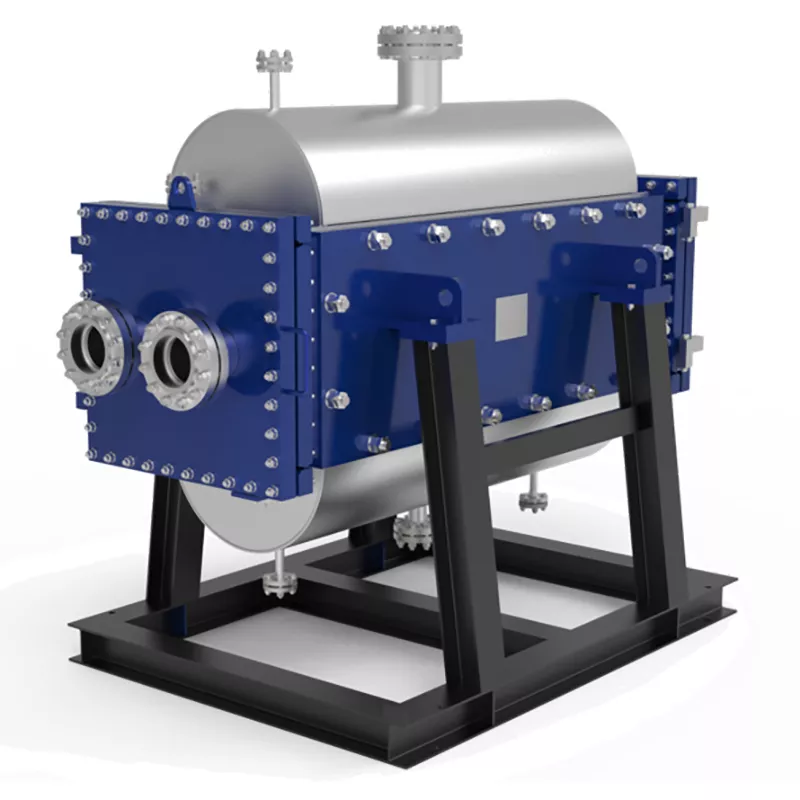
Industrial processes involving particle-laden slurries, high-viscosity syrups, or fiber-rich pulp demand more than standard equipment—they require target-engineered thermal management. At SHPHE, we configure the TP Welded Plate Heat Exchanger to directly conquer your plant's severe fouling, blockage, and erosion threats. Combining custom-tailored channel geometries, wear-resistant metallurgy, and integrated CIP (Cleaning-in-Place) systems, we deliver absolute production continuity where conventional heat exchangers fail.
Custom-Engineered for Severe Process Demands. At SHPHE, we don't just supply equipment; we design tailored thermal solutions. Our HT-Bloc welded plate heat exchangers are custom-configured by our experienced engineers to overcome your specific industry challenges—whether handling high-viscosity media, extreme temperatures, or strict space constraints.
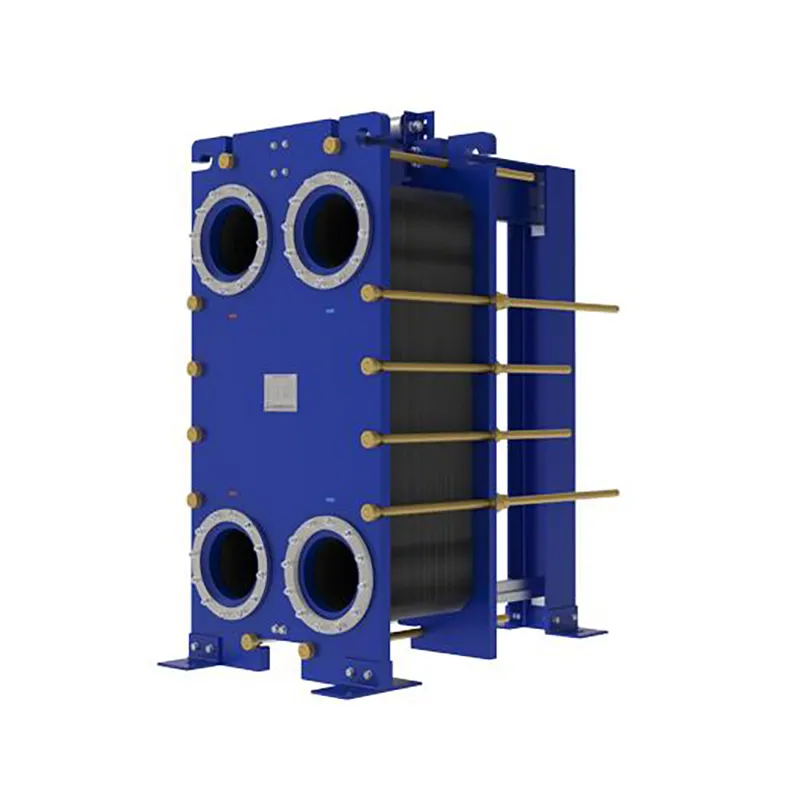
Since the invention of the plate heat exchanger (PHE) in 1923, thermal technology has evolved from standard food-grade processing to highly complex industrial operations. At SHPHE, we take this classic, versatile design and transform it into highly bespoke heat transfer solutions tailored to your unique process fluids and thermal loads. While traditional gasketed PHEs offer high efficiency and compact footprints, SHPHE optimizes plate corrugations, metallurgy, and sealing systems to handle your specific chemical, HVAC, or energy recovery parameters. Our custom-engineered gasketed plate heat exchangers provide outstanding scalability and ease of maintenance, serving as an indispensable asset for heavy industries—including oil and gas, metallurgy, and food processing—where uptime, energy recovery, and long-term sustainability are top priorities.
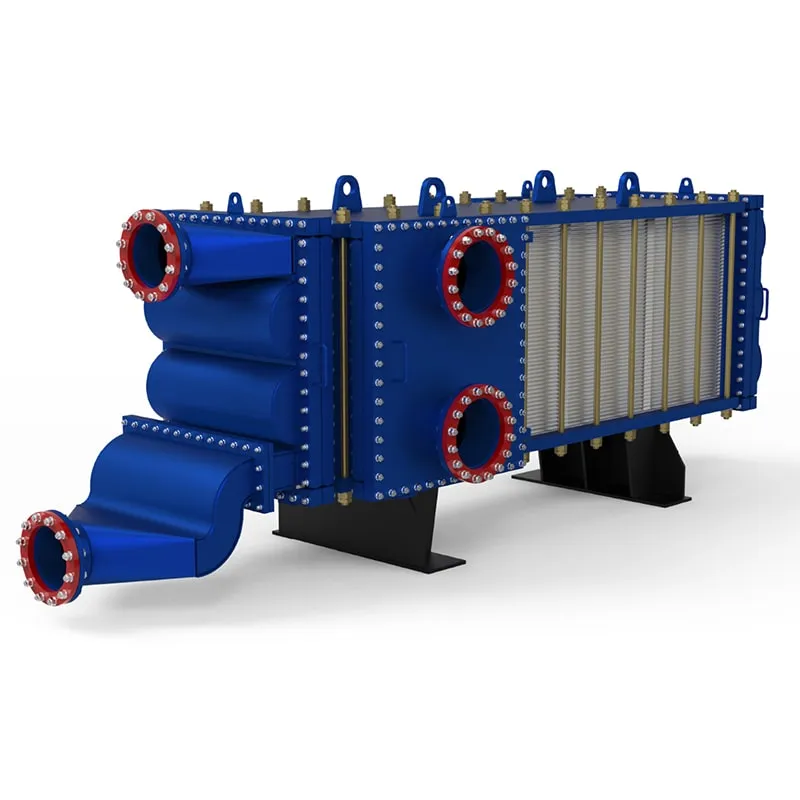
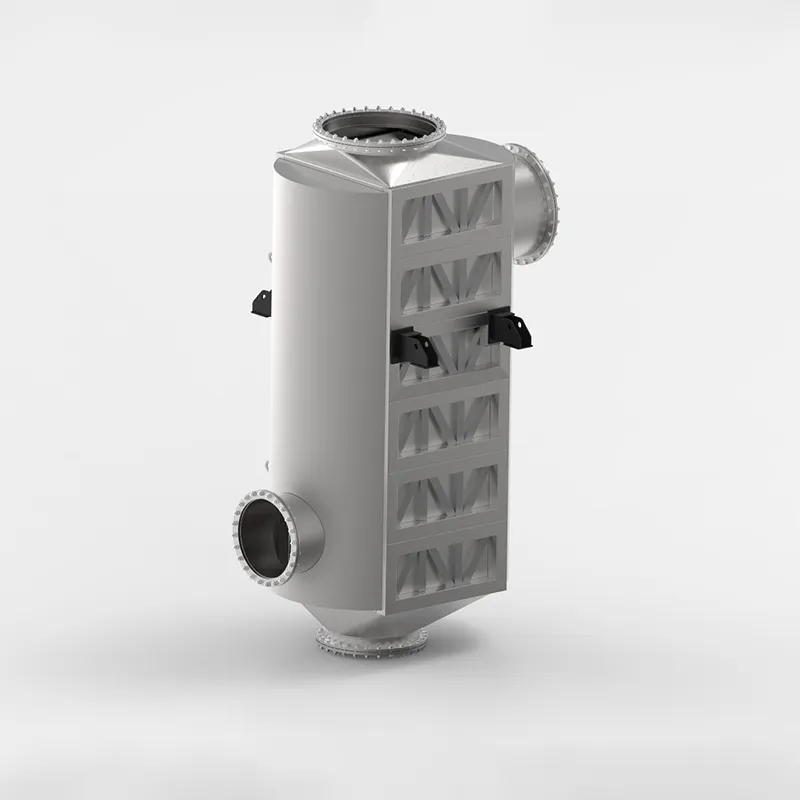
Custom-Engineered Anti-Clogging Solutions for High-Viscosity Slurries:
Deployed specifically to conquer severe industrial fouling, SHPHE wide gap welded plate heat exchangers are tailor-built to handle complex media containing dense fibers, coarse crystals, or solid suspensions without clogging. Each non-obstructed channel is calculated and formed by laser-welded plate packs matching your fluid’s exact rheology and grain size, completely eliminating structural "dead zones" and media stagnation. Available in highly compact vertical and versatile horizontal configurations, our vertical engineering drastically reduces plant footprints while maintaining unhindered product throughput, minimal pressure drops, and flawless continuous operations across harsh process loops.