Multipass Heat Exchanger: Top Efficiency Guide
This guide explains how multipass heat exchangers boost thermal performance in industrial processes. We cover design principles, real-world efficiency gains, and practical selection tips. Whether you are upgrading an existing system or planning a new installation, this article offers clear, data-backed insights to help you make informed decisions.
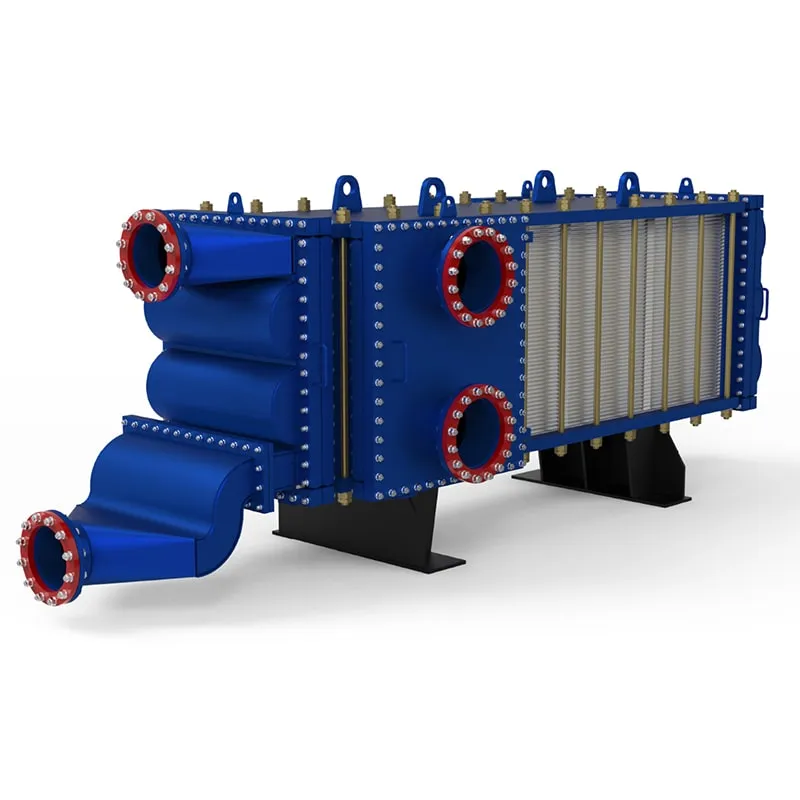
What Is a Multipass Heat Exchanger?
A multipass heat exchanger directs the process fluid through the unit multiple times before it exits. This design increases the residence time and the effective heat transfer area, leading to higher thermal efficiency compared to single-pass configurations. In many industrial settings, multipass units achieve temperature approaches as low as 2–5°C, which is critical for energy recovery and process optimization.
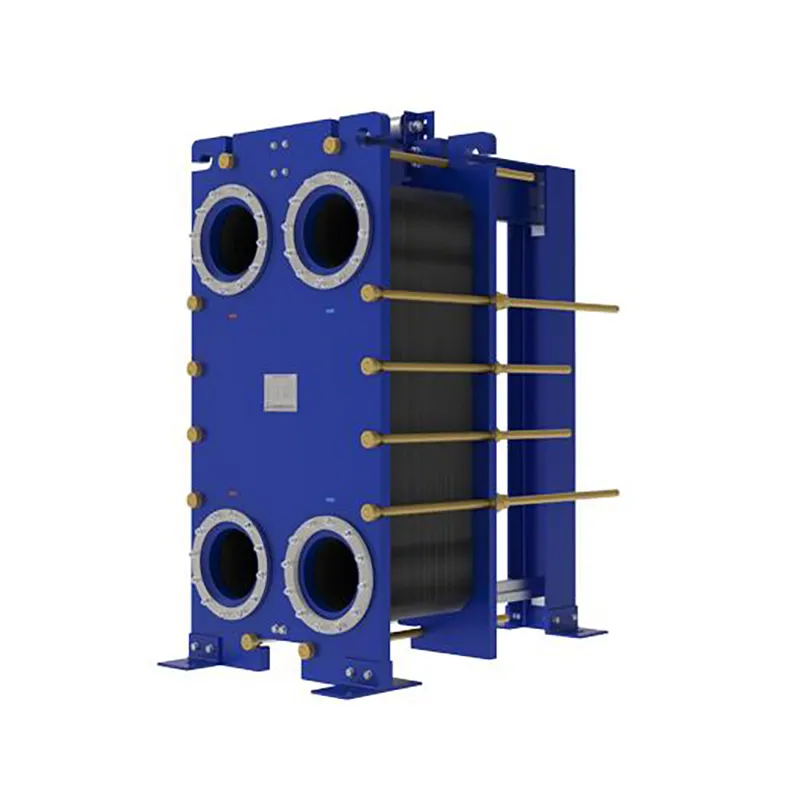
For example, in a typical gasketed plate heat exchanger with a multipass arrangement, the overall heat transfer coefficient can reach 5,000–7,000 W/m²·K for water-to-water applications. This is significantly higher than the 1,500–3,000 W/m²·K range common in single-pass shell-and-tube designs.
Key Design Features That Drive Efficiency
The efficiency of a multipass heat exchanger comes from several design elements working together:
- Pass arrangement: The number of passes (typically 2, 4, or 6) determines the flow velocity and turbulence. Higher turbulence improves heat transfer but also increases pressure drop. A well-designed unit balances these factors.
- Plate geometry: Chevron or herringbone patterns create turbulent flow at lower Reynolds numbers, enhancing heat transfer without excessive pumping power.
- Material selection: Stainless steel 316L is common for general applications, while titanium or Hastelloy is used for corrosive fluids. Thermal conductivity of the plate material directly affects overall performance.
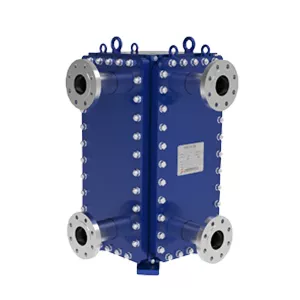
- Sealing technology: Clip-on gaskets or fully welded construction prevents leakage and allows for higher operating pressures. For example, TP welded plate heat exchangers can handle pressures up to 40 bar.
Real-World Efficiency Data
In a recent field study involving a chemical plant in Germany, replacing a single-pass shell-and-tube heat exchanger with a 4-pass gasketed plate unit reduced the temperature approach from 12°C to 3°C. This improvement allowed the plant to recover an additional 1.8 MW of thermal energy, resulting in annual fuel savings of approximately €120,000.
Similarly, in a district heating network in Denmark, a multipass gasketed plate heat exchanger achieved a log mean temperature difference (LMTD) correction factor of 0.95, compared to 0.80 for a single-pass design. This translated to a 19% reduction in required heat transfer area for the same duty.
How to Select the Right Multipass Configuration
Choosing the optimal number of passes depends on your specific process conditions:
- Low flow rates: Use 4 or 6 passes to increase velocity and turbulence, improving heat transfer. This is common in viscous fluid applications.
- High flow rates: A 2-pass design minimizes pressure drop while still providing good efficiency. Suitable for water-cooling duties.
- Temperature cross conditions: Multipass arrangements handle temperature crosses effectively. For instance, when the cold fluid outlet temperature exceeds the hot fluid outlet temperature, a multipass design maintains thermal performance.
- Space constraints: A multipass unit can deliver the same duty as a larger single-pass unit, saving valuable floor space. For example, a 4-pass welded plate heat exchanger from wide gap welded plate heat exchangers can reduce footprint by up to 40%.
Maintenance and Long-Term Performance
Multipass heat exchangers require regular inspection to maintain peak efficiency. Fouling is the most common issue, especially in applications with hard water or particulate-laden fluids. Cleaning intervals typically range from 6 to 24 months, depending on the fluid quality.
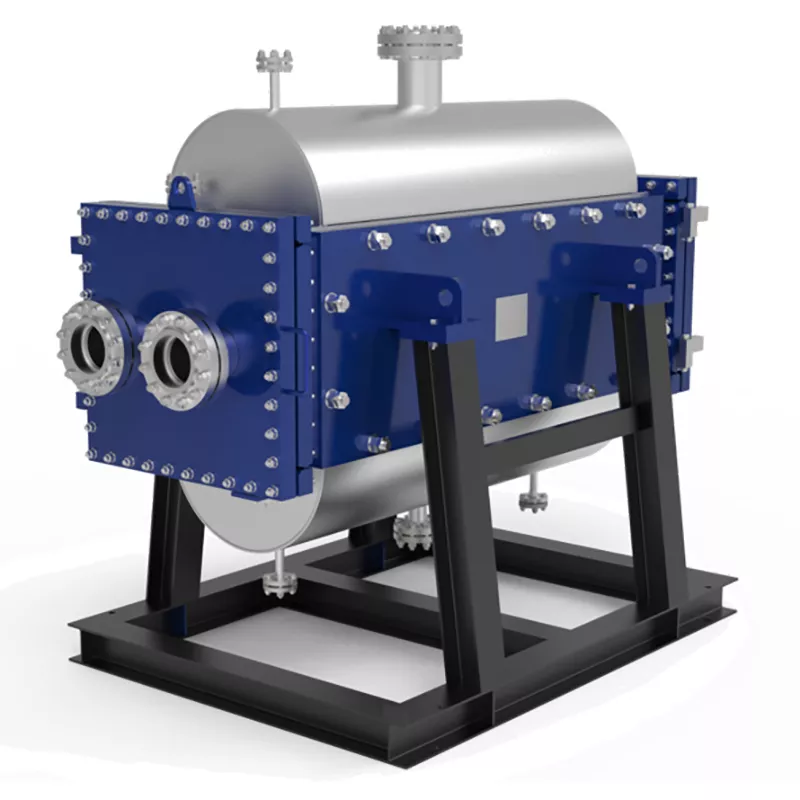
For gasketed designs, replacing gaskets every 3–5 years ensures leak-free operation. Welded plate units, such as those in the HT-Bloc welded plate heat exchanger series, offer longer maintenance intervals due to the absence of gaskets, making them ideal for high-temperature or aggressive chemical services.
Cost-Benefit Analysis
While multipass heat exchangers have a higher initial cost than single-pass units (typically 15–30% more), the payback period is often less than 18 months due to energy savings. For a 2 MW heat recovery application, the annual energy savings can reach €150,000 at current European gas prices. Additionally, the reduced footprint and lower maintenance costs further improve the total cost of ownership.
Common Applications Across Industries
Multipass heat exchangers are widely used in:
- Chemical processing: Reactor temperature control, solvent recovery, and distillation column reboilers.
- Pharmaceuticals: Precise heating and cooling of sensitive biological solutions.
- Food and beverage: Pasteurization, sterilization, and cooling of viscous products like sauces and dairy.
- HVAC and district energy: Chilled water systems, heat pumps, and thermal storage.
- Oil and gas: Crude oil heating, gas cooling, and amine treatment units.
For custom-engineered solutions, manufacturers like custom engineered plate air preheaters and custom engineered pillow plates offer tailored designs for unique process requirements.
Future Trends in Multipass Technology
The industry is moving toward compact, high-efficiency designs that integrate multipass technology with advanced materials. Additive manufacturing, for example, allows for complex internal geometries that further enhance heat transfer. The custom engineered printed circuit heat exchanger is one such innovation, offering up to 50% higher heat transfer density than conventional plate designs.
Digital monitoring and predictive maintenance are also becoming standard. By integrating temperature, pressure, and flow sensors, operators can optimize pass configurations in real time, further improving efficiency by 5–10%.
Final Recommendations
When evaluating multipass heat exchangers for your application, consider these practical steps:
- Perform a detailed thermal analysis using actual process data, not just design conditions.
- Compare total cost of ownership, including energy, maintenance, and downtime costs.
- Request a performance guarantee from the manufacturer based on certified test data.
- Plan for future capacity expansion by selecting a modular design that allows adding passes or plates.
By following these guidelines, you can achieve the highest possible thermal efficiency while minimizing operational costs. Multipass heat exchangers remain one of the most effective tools for industrial heat transfer, and with careful selection, they deliver reliable, long-term value.

 English EN