Multi Pass Heat Exchanger: Ultimate Guide to Maximize Efficiency
Multi pass heat exchangers are widely used in industrial heating, cooling, and energy recovery systems. By directing the fluid through multiple passes inside the same shell, these units significantly increase heat transfer surface area without expanding the physical footprint. This guide covers how multi pass configurations work, their performance advantages, common applications, and practical tips for selecting the right design. Whether you are upgrading an existing system or specifying a new unit, understanding the trade-offs between pressure drop and thermal efficiency is key to getting the most out of your equipment.
What Is a Multi Pass Heat Exchanger?
A multi pass heat exchanger is a type of shell-and-tube or plate design where the process fluid travels back and forth through the unit multiple times before exiting. Instead of flowing straight from inlet to outlet in a single pass, the fluid is redirected by baffles or partition plates, forcing it to cross the heat transfer surface repeatedly. This increases the overall heat transfer coefficient and allows for closer temperature approaches between the hot and cold streams.
Common configurations include 2-pass, 4-pass, and even 6-pass arrangements. The number of passes directly influences the thermal performance and pressure drop. For example, a 2-pass exchanger typically offers a good balance between efficiency and pumping cost, while a 4-pass design is better suited for applications requiring very high temperature change in a compact space.
How Multi Pass Design Boosts Efficiency
The core advantage of a multi pass arrangement is the increased residence time and improved temperature gradient. In a single-pass unit, the temperature difference between the hot and cold fluids decreases along the length, reducing the driving force for heat transfer. By reversing the flow direction multiple times, the multi pass design maintains a higher average temperature difference, which directly translates into more heat exchanged per unit area.
Additionally, the turbulence created by the flow reversals enhances the convective heat transfer coefficient. This is especially beneficial for fluids with low thermal conductivity or high viscosity. Field data from chemical processing plants show that upgrading from a single-pass to a 2-pass exchanger can improve thermal efficiency by 15% to 25% under the same flow conditions, without increasing the shell diameter.
Key Applications Across Industries
Multi pass heat exchangers are found in nearly every sector that requires precise thermal management. In the oil and gas industry, they are used for crude oil heating, gas cooling, and condensate recovery. The chemical industry relies on them for reactor temperature control and solvent recovery. Power plants use multi pass designs in feedwater heaters and condensers to improve overall cycle efficiency.
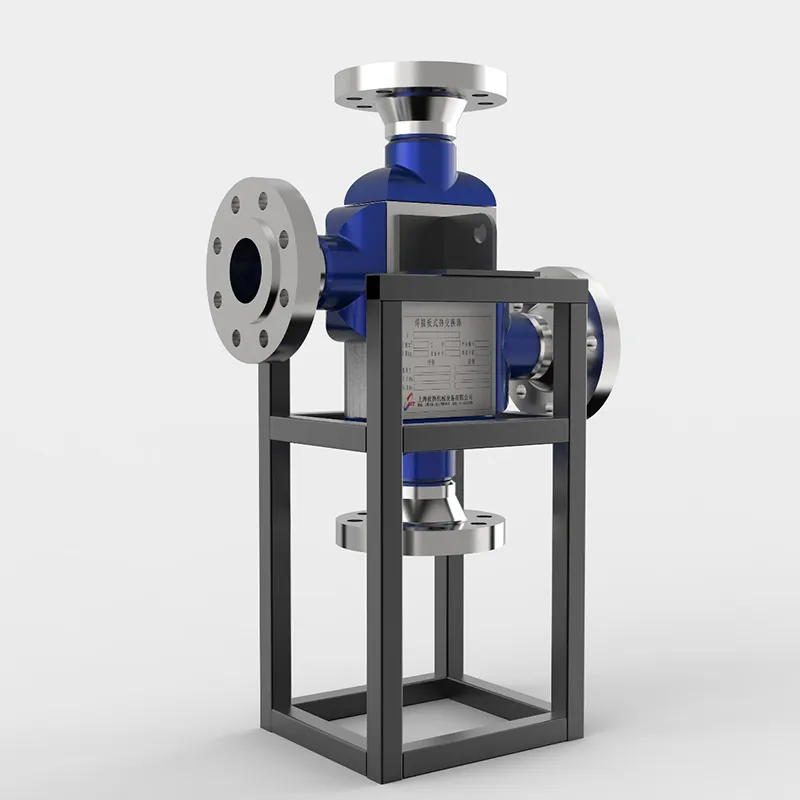
HVAC systems also benefit from multi pass technology, especially in large commercial buildings where space is limited and energy codes are strict. A typical 4-pass water-to-water heat exchanger can achieve a temperature approach of 2°C to 3°C, which is difficult to reach with single-pass units. For high-temperature applications, such as exhaust gas heat recovery, welded plate multi pass designs are often specified because they handle thermal expansion better and resist fouling.
Selecting the Right Number of Passes
Choosing the optimal number of passes depends on several factors: the required temperature change, allowable pressure drop, fluid properties, and space constraints. For low-viscosity fluids like water or light hydrocarbons, a 2-pass configuration is often sufficient. For viscous fluids or when a very close temperature approach is needed, 4-pass or 6-pass designs are more appropriate.
It is important to note that increasing the number of passes also increases the pressure drop across the exchanger. This means the pump or fan must work harder, consuming more energy. A well-designed multi pass exchanger balances thermal gain against pumping cost. Engineering software and empirical correlations, such as the Kern method or Bell-Delaware method, are commonly used to predict performance and optimize the pass arrangement for specific operating conditions.
Maintenance and Fouling Considerations
Multi pass heat exchangers can be more prone to fouling because the fluid velocity changes direction, creating low-velocity zones where deposits may accumulate. Regular cleaning schedules and proper material selection help mitigate this issue. For applications with dirty fluids, wide-gap plate designs or removable tube bundles are recommended.
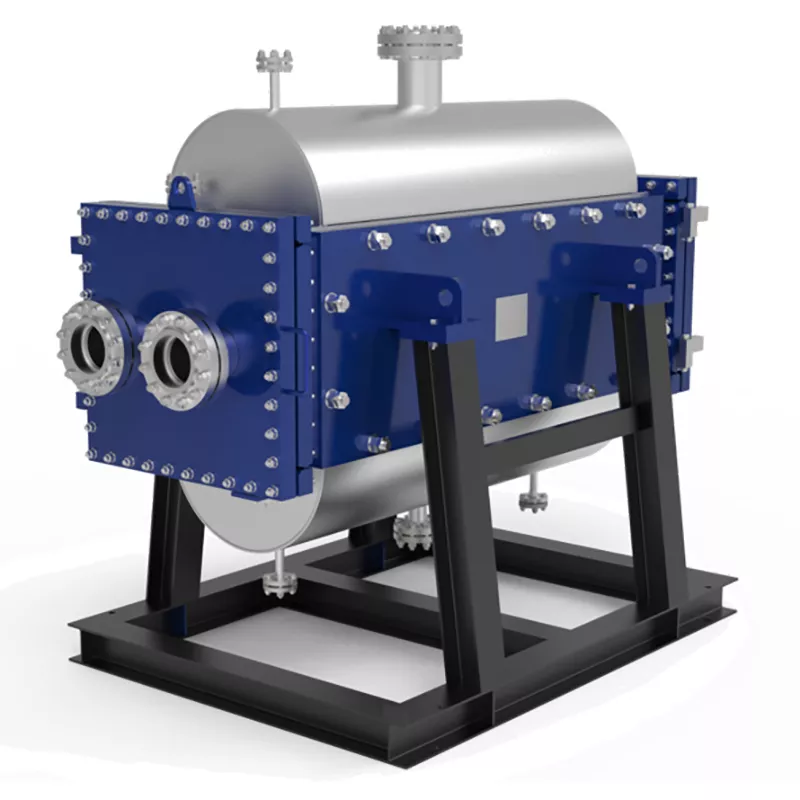
Inspection ports and drain connections should be included in the design to facilitate maintenance. Many operators find that a 2-pass or 4-pass shell-and-tube unit with straight tubes is easier to clean mechanically than a U-tube design. If fouling is a major concern, consider using a wide gap welded plate heat exchanger, which offers larger flow channels and reduced blockage risk.
Real-World Performance Data
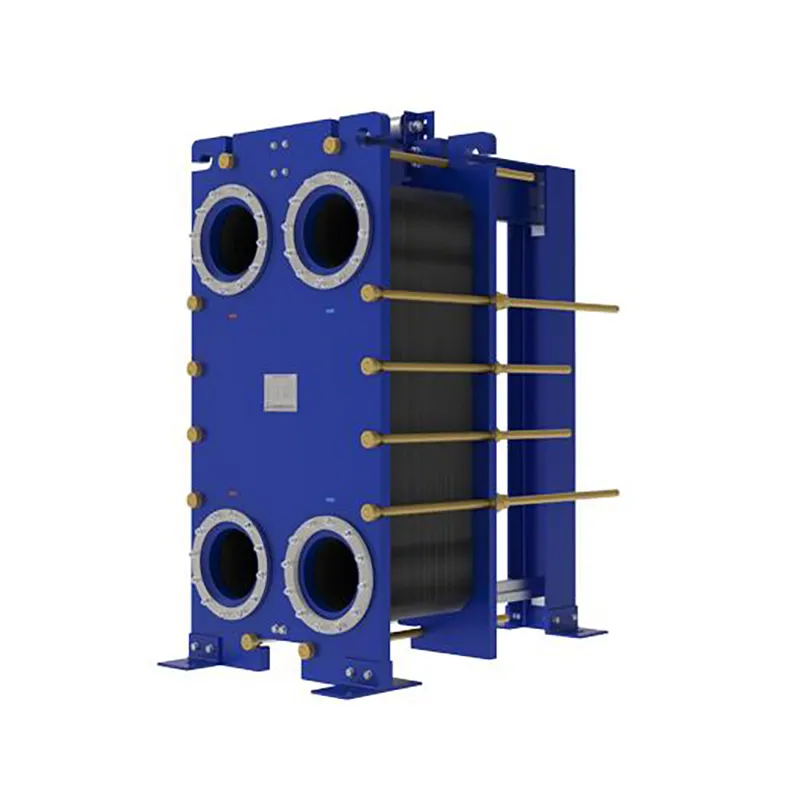
In a recent retrofit project at a mid-sized refinery, replacing a single-pass shell-and-tube unit with a 4-pass design reduced the cooling water consumption by 18% while maintaining the same outlet temperature. The payback period was under 14 months due to lower water treatment and pumping costs. Another case in a food processing plant showed that a 2-pass gasketed plate heat exchanger improved pasteurization efficiency by 12%, allowing the line to run at higher throughput without additional energy input.
These examples highlight that multi pass technology is not just theoretical—it delivers measurable savings in real operating environments. When paired with proper insulation and control valves, the overall system efficiency can be further optimized.
Integration with Other Heat Exchanger Types
Multi pass designs are often combined with other heat exchanger technologies to meet specific process requirements. For example, a multi pass shell-and-tube unit can be used as a trim heater in series with a custom engineered pillow plate heat exchanger for applications that need both high thermal efficiency and gentle handling of shear-sensitive fluids. Similarly, in high-pressure gas processing, a multi pass printed circuit heat exchanger (PCHE) offers extreme compactness and pressure containment.
Understanding how to match the pass configuration with the heat exchanger type is a skill that experienced thermal engineers bring to the table. If you are working on a complex system, consulting with a manufacturer that offers multiple technologies can help you avoid oversizing or undersizing the equipment.
Final Thoughts on Maximizing Efficiency
Multi pass heat exchangers are a proven way to get more thermal performance out of a given footprint. By carefully selecting the number of passes, tube geometry, and materials, you can achieve significant energy savings and process improvements. Always consider the full system context—including pump capacity, fluid properties, and maintenance access—before finalizing the design.
For specialized applications, such as high-temperature air preheating or corrosive chemical streams, explore options like custom engineered plate air preheaters or gasketed plate heat exchangers that can be built with multi pass configurations. The right combination of design choices will maximize your return on investment and keep your process running reliably for years.

 English EN