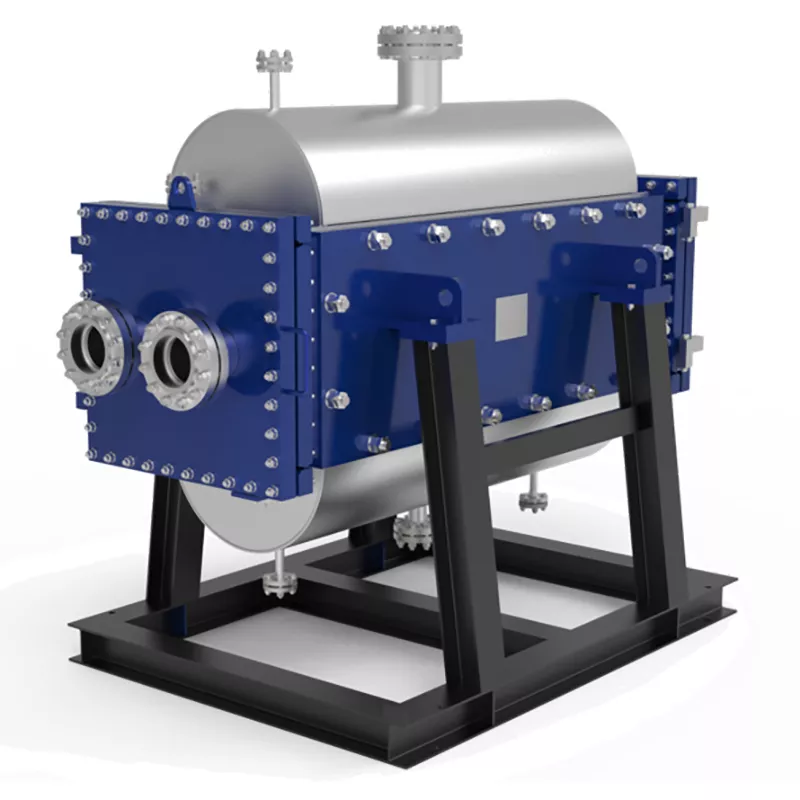
Maximize Efficiency with a Durable Air to Air Plate Heat Exchanger
When it comes to industrial heat recovery, the air to air plate heat exchanger stands out as a workhorse solution. This guide explores how a well-designed unit can significantly cut energy costs, improve process stability, and deliver years of reliable service. We will walk through the working principles, key selection criteria, and maintenance practices that matter most for plant engineers and facility managers.
Understanding the Air to Air Plate Heat Exchanger
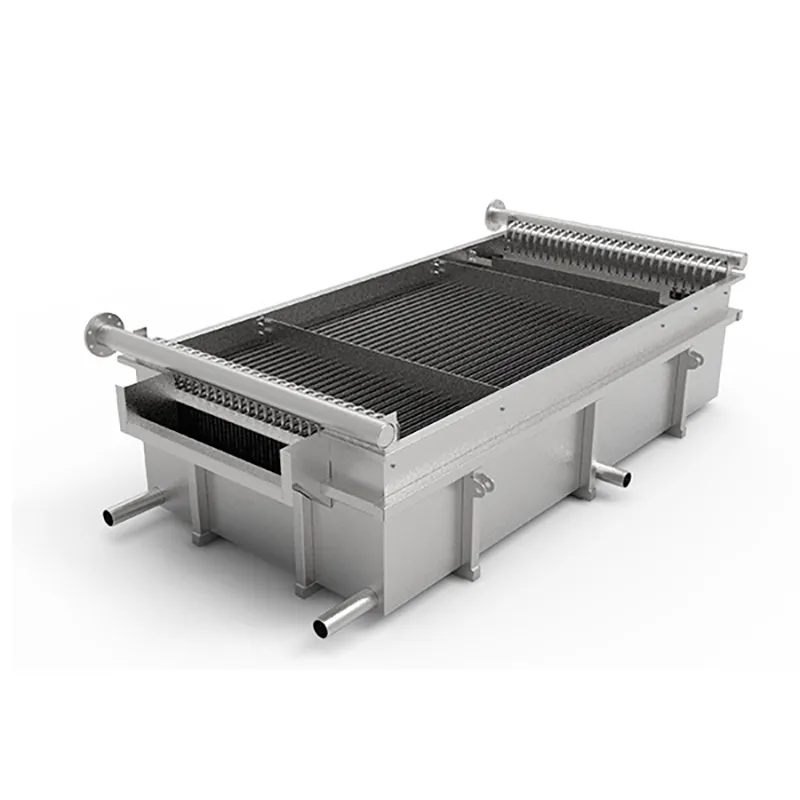
An air to air plate heat exchanger transfers thermal energy between two separate air streams without mixing them. The core consists of a series of thin metal plates, typically made from stainless steel or aluminum, stacked together to create alternating channels. One air stream flows through the odd-numbered channels while the other flows through the even-numbered ones. Heat passes through the plate material, warming the cooler stream while cooling the warmer one.
This design offers several advantages over traditional rotary wheel exchangers. There are no moving parts in the core, which means less wear and tear. The plate construction also allows for higher temperature differentials and better sealing between the air streams. For processes where cross-contamination is a concern, such as in food processing or pharmaceutical manufacturing, the plate heat exchanger provides a safer barrier.
Key Benefits for Industrial Applications
The primary benefit is energy savings. By recovering waste heat from exhaust air and using it to preheat incoming fresh air, facilities can reduce their heating load by 50% to 70% in many cases. This translates directly into lower fuel consumption and reduced carbon emissions. For cooling applications, the same principle applies in reverse, helping to reduce chiller loads during warmer months.
Durability is another major factor. A well-constructed unit with proper material selection can operate for 15 to 20 years with minimal maintenance. The welded or gasketed plate designs withstand thermal cycling, pressure fluctuations, and corrosive environments better than many alternative technologies. This longevity makes the initial investment worthwhile, especially for continuous process industries.
Selecting the Right Unit for Your Process
Choosing the correct air to air plate heat exchanger requires careful consideration of several parameters. First, determine the volumetric flow rates of both air streams. The unit must handle the maximum expected flow without excessive pressure drop. Second, identify the inlet and outlet temperatures for both streams. This defines the required heat transfer rate and the surface area needed.
Material selection is equally important. For clean, dry air applications, aluminum plates offer excellent thermal conductivity at a lower cost. For humid or mildly corrosive conditions, stainless steel 304 or 316 provides better resistance. In aggressive chemical environments, specialized coatings or exotic alloys may be necessary. Always consult with the manufacturer to confirm material compatibility with your specific process conditions.
Installation and Integration Tips
Proper installation is critical to achieving the rated performance. The unit should be mounted on a level foundation with adequate clearance for maintenance access. Ductwork connections must be sealed properly to prevent bypass leakage. Consider adding access doors on both sides of the unit for inspection and cleaning purposes.
Integration with existing HVAC or process systems should account for pressure drops across the exchanger. Your system fans must have sufficient static pressure capacity to overcome this additional resistance. In retrofit projects, it is often necessary to adjust fan speeds or install booster fans to maintain proper airflow rates.
Maintenance Practices for Long Service Life
Routine maintenance is straightforward but essential. The most common issue is fouling of the plate surfaces due to dust, lint, or other particulates in the air stream. Depending on the application, periodic cleaning may be required every 3 to 6 months. For accessible units, compressed air or water washing can remove loose deposits. For more stubborn fouling, chemical cleaning agents may be needed, but always verify compatibility with the plate material.
Inspect gaskets and seals annually for signs of wear or hardening. Replace them as needed to maintain a proper seal between the air streams. Check for any signs of corrosion, especially around welded joints and edges. Keeping a log of pressure drop readings across the unit can help detect fouling early, allowing you to schedule cleaning before performance degrades significantly.
Real-World Performance Data
In a typical manufacturing facility with an exhaust air temperature of 80°C and a fresh air supply at 10°C, a properly sized plate heat exchanger can recover up to 75% of the waste heat. This can result in annual fuel savings of 20% to 35% depending on the operating schedule. For a plant consuming 1,000,000 cubic meters of natural gas per year, that translates to savings of 200,000 to 350,000 cubic meters, which is a substantial cost reduction.
Pressure drop across a clean unit typically ranges from 150 to 400 Pascals depending on face velocity and plate spacing. This is a manageable figure for most industrial fans. The payback period for a well-designed system is usually between 1.5 and 3 years, making it one of the most attractive energy efficiency investments available.
Comparing Plate Heat Exchangers to Other Technologies
When compared to rotary wheel heat exchangers, plate units offer lower cross-contamination risk and simpler construction. They also handle higher temperatures more effectively. Unlike heat pipe systems, plate exchangers do not rely on a working fluid, so there is no risk of leakage or performance degradation over time. The main trade-off is that plate exchangers typically have a slightly lower effectiveness for equal face area, but this can be compensated by increasing the number of plates or the unit size.
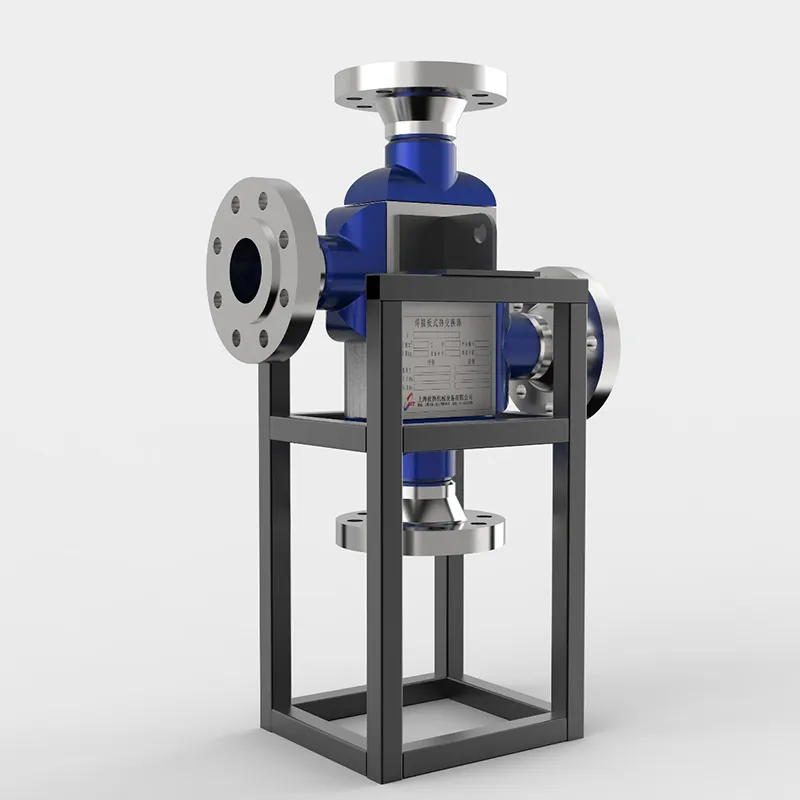
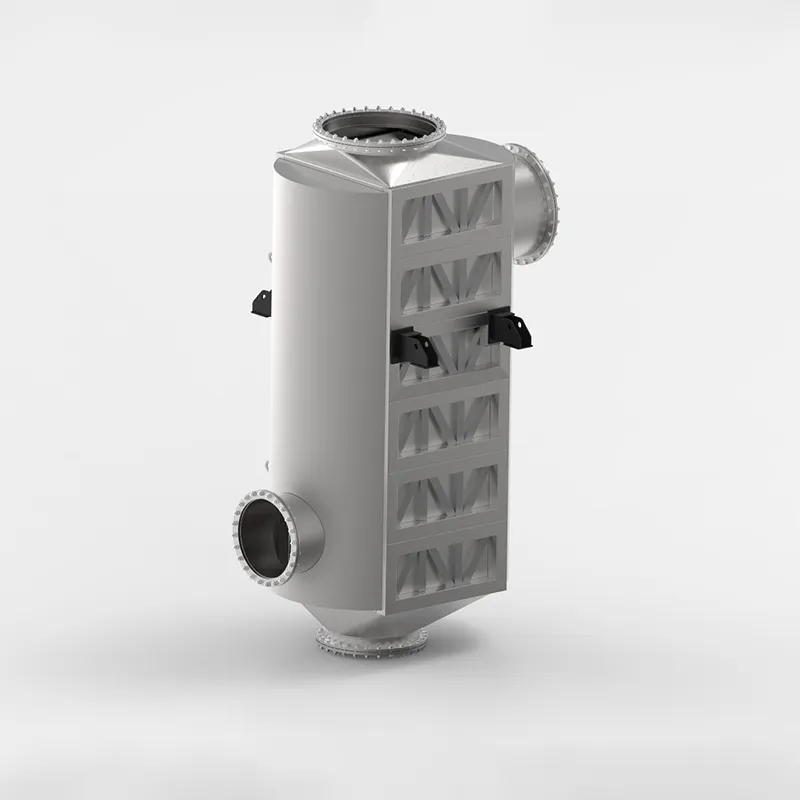
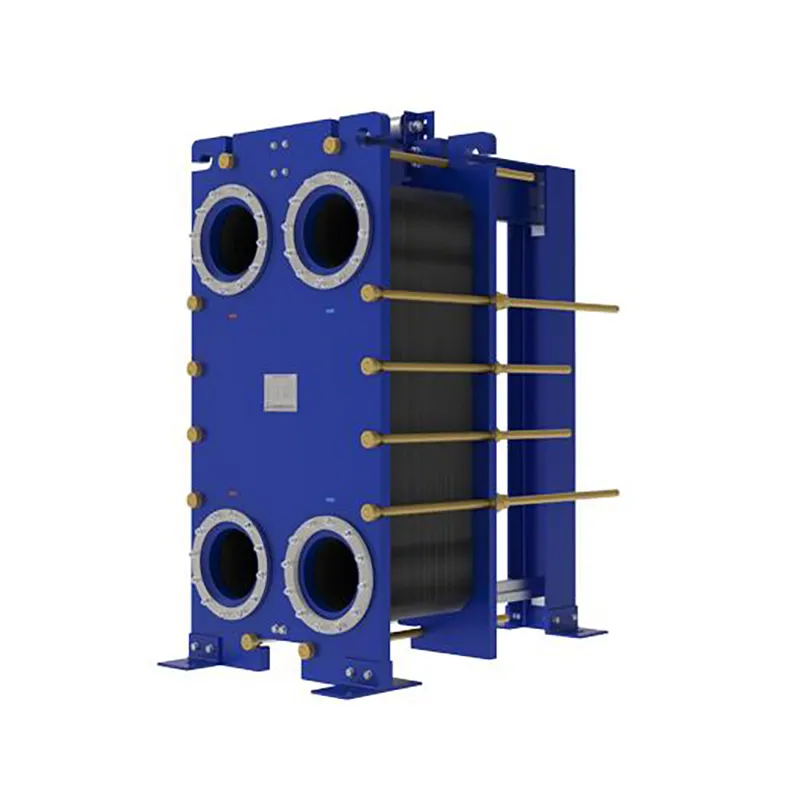
For applications requiring very high temperature recovery, a custom engineered plate air preheater may be the right choice. These units are designed for specific process conditions and can handle temperatures up to 800°C with appropriate materials. On the other hand, for simpler HVAC applications, a gasketed plate heat exchanger offers flexibility in maintenance, as plates can be individually removed for cleaning or replacement.
Common Application Scenarios
Air to air plate heat exchangers find use in a wide range of industries. In paint finishing lines, they recover heat from oven exhaust to preheat fresh air for the curing process. In textile manufacturing, they capture heat from drying equipment. In commercial buildings, they are used in ventilation systems to reduce heating and cooling loads. In power generation, they preheat combustion air for boilers, improving overall thermal efficiency.
For facilities dealing with corrosive exhaust gases, a wide gap welded plate heat exchanger provides the necessary durability. The wider channels allow for the passage of gases containing particulates or fibers without clogging. For high-pressure applications, a TP welded plate heat exchanger offers robust construction that can withstand demanding conditions.
Making the Investment Decision
Before committing to a purchase, conduct a thorough energy audit of your facility. Identify the largest sources of waste heat and the most promising recovery points. Calculate the potential savings based on your actual operating hours and energy costs. This will give you a clear picture of the payback period and return on investment.
Work with a reputable manufacturer who can provide detailed performance data and engineering support. Ask for references from similar installations. A quality unit may cost more upfront, but the reliability and efficiency gains will pay off over the long term. Remember that the cheapest option is not always the most economical when you factor in maintenance costs and energy savings over the equipment lifespan.
Future Trends in Heat Exchanger Technology
The industry is moving towards more compact designs with higher efficiency. Advanced manufacturing techniques now allow for thinner plates with more intricate surface patterns, increasing heat transfer coefficients while reducing material usage. There is also growing interest in hybrid systems that combine plate exchangers with other recovery technologies for maximum performance.
Digital monitoring is becoming more common, with sensors that track pressure drop, temperature differential, and flow rates in real time. This data can be used to optimize performance and schedule maintenance proactively. Some newer units come with built-in diagnostic capabilities that alert operators to potential issues before they cause downtime.
For specialized needs, custom engineered printed circuit heat exchangers offer extremely high heat transfer rates in a very compact footprint. These are particularly useful in applications where space is limited or where extremely high efficiency is required. Similarly, custom engineered pillow plates provide a versatile option for certain process configurations.
Final Thoughts on Maximizing Efficiency
An air to air plate heat exchanger is a proven, reliable technology that delivers tangible energy savings year after year. The key to success lies in proper selection, correct installation, and regular maintenance. By taking the time to understand your process requirements and working with experienced suppliers, you can maximize the return on your investment and contribute to your facility sustainability goals.
Whether you are planning a new installation or upgrading an existing system, consider the long-term benefits of a high-quality plate heat exchanger. The upfront cost is quickly recovered through reduced energy bills, and the durability of the equipment ensures many years of trouble-free operation. With the right approach, you can achieve significant improvements in both operational efficiency and environmental performance.

 English EN