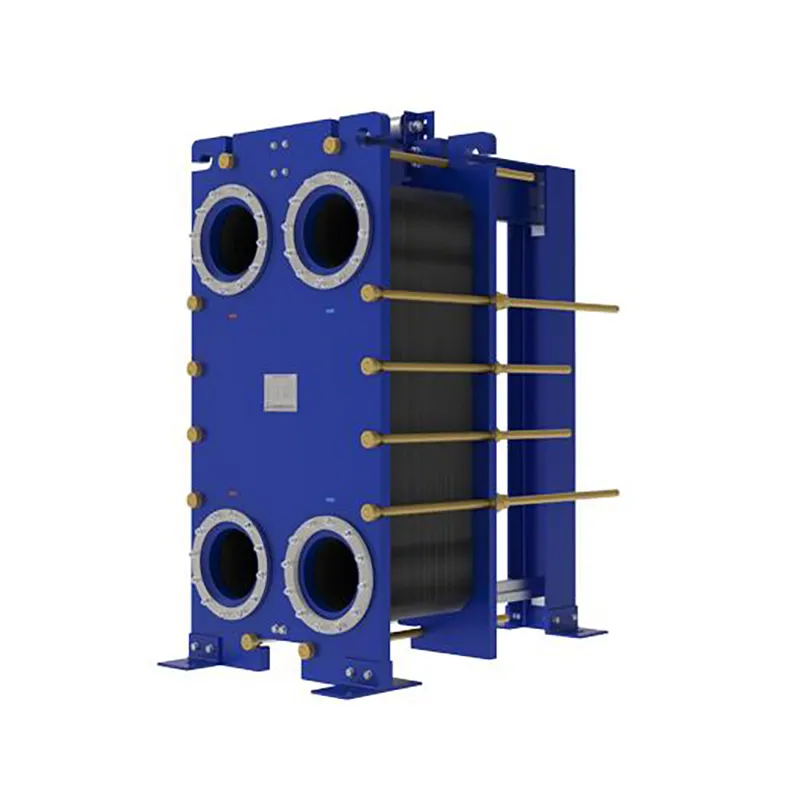
Immersion Pillow Plate Heat Exchanger: Ultimate Guide & Top Benefits
Whether you're working with corrosive chemicals, food products, or demanding thermal processes, immersion pillow plate heat exchangers offer a rugged and highly efficient solution. This guide breaks down how they work, where they shine, and why they often outperform traditional shell-and-tube designs in specific applications. We'll cover the construction, real-world benefits, and key selection criteria so you can decide if this technology fits your operation.
What Is an Immersion Pillow Plate Heat Exchanger?
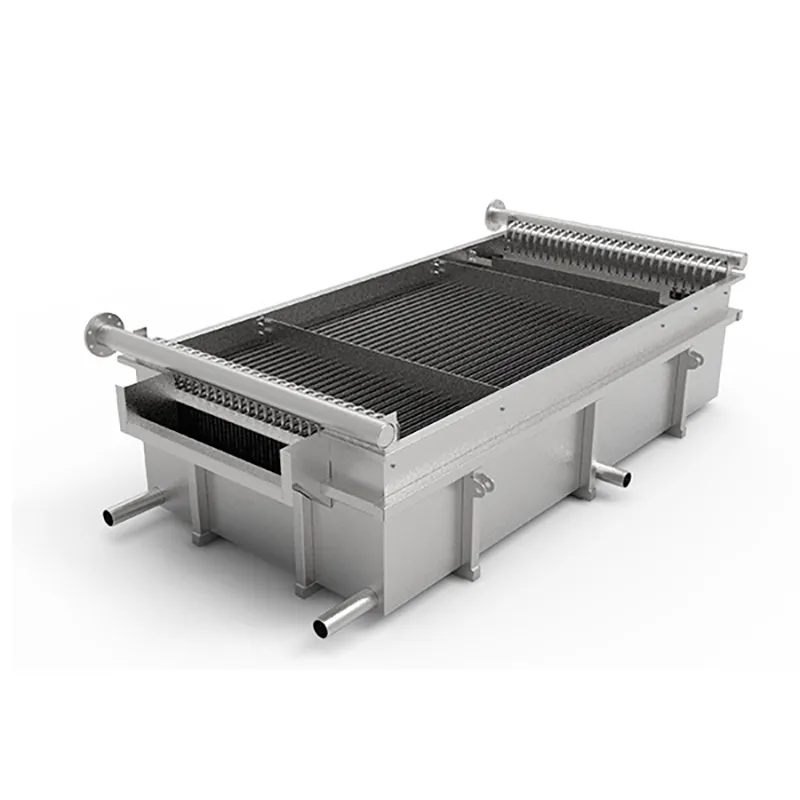
An immersion pillow plate heat exchanger is a type of heat transfer surface made from two thin metal sheets that are welded together in a pattern. The sheets are spot-welded at regular intervals, and then inflated with a fluid to create a "pillow" shape. These panels are designed to be immersed directly into a tank, vessel, or open bath, where they transfer heat between the fluid inside the pillow channels and the process liquid on the outside.
Unlike traditional heat exchangers that require a separate shell and tube bundle, immersion pillow plates act as both the heat transfer surface and the structural element. They can be shaped to fit the contours of existing tanks, making them incredibly versatile for retrofits or new installations where space is at a premium.
How Does It Work?
The operating principle is straightforward. A heating or cooling medium—such as steam, hot water, chilled water, or thermal oil—flows through the hollow channels inside the pillow plate. The large surface area of the plate, combined with the turbulent flow created by the spot-weld pattern, facilitates efficient heat transfer to the surrounding liquid in the tank.
The spot welds do more than just hold the sheets together; they create a series of dimples that induce turbulence in the fluid flow. This turbulence significantly improves the heat transfer coefficient compared to a smooth, flat surface. For applications that require gentle heating or cooling of shear-sensitive products (like certain foodstuffs or biological materials), the low-flow velocity and absence of hot spots make pillow plates a preferred choice.
Key Construction Features
Understanding the build quality is essential when evaluating these units. Here are the primary components and characteristics:
- Material Options: Most pillow plates are fabricated from stainless steel (304, 316L) for corrosion resistance. For highly aggressive chemicals, materials like titanium, Hastelloy, or nickel alloys are also available.
- Welding Pattern: The spot weld grid can be customized. A tighter grid increases the number of turbulence points and the pressure rating, but also slightly reduces the effective flow area. The pattern is chosen based on the operating pressure and the required heat transfer rate.
- Thickness: Standard sheet thicknesses range from 1.0 mm to 1.5 mm. Thicker sheets are used for higher pressure applications or where external mechanical damage is a concern.
- Connections: Inlet and outlet nozzles are welded onto the plate. These can be positioned to suit the tank geometry and piping layout.
Top Benefits of Using Immersion Pillow Plates
Why choose this technology over a conventional heat exchanger? The advantages are compelling in the right scenarios:
1. Space Efficiency and Design Flexibility
Because the plates are immersed directly into the process tank, there is no need for a separate footprint. This is a massive advantage in facilities where floor space is limited. Moreover, the plates can be curved, bent, or angled to fit the internal contours of a tank, maximizing the use of available volume.
2. Superior Heat Transfer Efficiency
The dimpled surface creates high turbulence even at low flow rates. This results in heat transfer coefficients that are often 2-3 times higher than smooth pipes or flat plates. For heating viscous fluids, this means faster temperature ramps and better energy utilization.
3. Easy Maintenance and Cleaning
Since the heat transfer surface is exposed, it can be easily inspected and cleaned in place. There are no cramped tube bundles to rod out or replace. For industries with strict hygiene requirements (like dairy or pharmaceutical), this is a major operational benefit. The smooth, crevice-free surface also minimizes bacterial growth.
4. Reduced Fouling
The continuous turbulent flow across the plate surface prevents stagnation and reduces the deposition of scale or sludge. This is particularly beneficial when processing hard water, slurries, or fluids with suspended solids. Less fouling translates directly into lower maintenance costs and consistent thermal performance over time.
5. Cost-Effective for Large Tanks
When you need to heat or cool a large volume of liquid in a storage tank, immersion plates are often the most economical solution. The cost per square meter of heat transfer area is significantly lower than that of a shell-and-tube exchanger of equivalent duty.
Common Applications Across Industries
Immersion pillow plates are not a niche product; they are used in a wide range of sectors:
- Chemical Processing: Heating or cooling reaction vessels, storage tanks for acids, alkalis, and solvents.
- Food & Beverage: Pasteurizing milk, heating cooking oils, cooling brine solutions, and maintaining temperatures in mixing tanks.
- Pharmaceuticals: Precise temperature control in bioreactors and buffer solution preparation tanks.
- Wastewater Treatment: Maintaining optimal temperatures for anaerobic digestion processes.
- Metal Finishing: Heating electroplating baths and anodizing tanks where chemical resistance is critical.
Immersion Pillow Plates vs. Other Heat Exchangers
To make an informed choice, it helps to compare directly with alternatives:
vs. Shell-and-Tube
Shell-and-tube units are robust and handle high pressures, but they are bulky and prone to fouling on the tube side. Immersion plates offer better thermal efficiency for low-pressure tank heating and are far easier to clean. If your process operates below 10 bar and you are heating an open tank, pillow plates are usually the better fit.
vs. Gasketed Plate Heat Exchangers
Gasketed plate heat exchangers (PHEs) are excellent for high-efficiency liquid-to-liquid duties. However, they rely on gaskets that can fail at high temperatures or with certain chemicals. Immersion pillow plates have no gaskets, making them more reliable for aggressive media and high-temperature steam heating. They also don't require the same level of disassembly for cleaning.
vs. Welded Plate Heat Exchangers
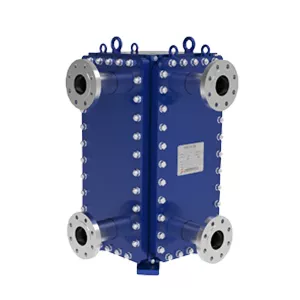
Fully welded plate heat exchangers, like the HT-Bloc welded plate heat exchanger, handle high pressures and temperatures without gaskets. But they are typically used for liquid-to-liquid duties in a closed loop. Immersion plates are specifically designed for tank immersion, offering a simpler installation when you already have the vessel.
Design Considerations and Selection Criteria
When specifying an immersion pillow plate, you need to consider several factors to ensure optimal performance:
- Heat Transfer Area: Calculate the required surface area based on the heat duty (kW), the overall heat transfer coefficient (U-value), and the log mean temperature difference (LMTD).
- Flow Rate and Pressure Drop: The internal channel dimensions determine the pressure drop for the service fluid. Ensure your pump can handle the required flow at the calculated pressure drop.
- Material Compatibility: Verify that the plate material is compatible with both the process liquid and the service fluid (steam, brine, etc.) at the operating temperature.
- Mechanical Support: Large plates may require additional support brackets to prevent sagging or vibration, especially in tanks with agitators.
- Custom Shapes: Don't hesitate to ask for custom bending or profiling. A plate that follows the tank wall will provide more uniform heating and reduce dead zones.
Installation and Operational Tips
Getting the most out of your heat exchanger starts with proper installation:
- Positioning: Place the plates where there is good natural circulation or ensure the agitator directs flow across the plate surface. Avoid dead corners.
- Venting: Always install a vent at the highest point of the plate to allow air to escape when using steam. Trapped air drastically reduces heat transfer.
- Condensate Removal: For steam heating, use a properly sized steam trap to remove condensate quickly and prevent water hammer.
- Support: Use non-metallic guides or brackets to support the plates if they are tall or subject to vibration.
Related Heat Exchanger Technologies
If you are exploring different heat transfer solutions, you might also consider these related products from our range:
Conclusion
Immersion pillow plate heat exchangers are a proven, versatile, and cost-effective solution for tank heating and cooling. Their unique construction offers excellent heat transfer, minimal maintenance, and unmatched design flexibility. Whether you are upgrading an existing process or designing a new plant, considering this technology early in the design phase can lead to significant savings in both capital expenditure and operating costs.
If you need assistance with sizing, material selection, or custom fabrication, our team is ready to help you find the right configuration for your specific process requirements. Reach out to discuss your application details and get a tailored recommendation.

 English EN