English EN


How Printed Circuit Heat Exchanger Solves High-Pressure Heat Transfer Challenges
Printed Circuit Heat Exchanger technology ensures safe, efficient, and reliable high-pressure heat transfer with compact design and superior mechanical integrity.
More
The printed circuit heat exchanger leverages a unique microchannel architecture, with fluid passages etched chemically into metal plates and then diffusion-bonded into a solid block. This design dramatically increases the surface area-to-volume ratio, enabling heat transfer coefficients that are several times higher than those of conventional shell-and-tube or gasketed plate heat exchangers. The compact arrangement reduces fluid boundary layer thickness, promoting turbulent flow even at low Reynolds numbers, which further enhances thermal performance.
In modern industrial applications such as waste heat recovery, chemical processing, and power generation, this efficiency translates directly into smaller equipment footprints and lower energy consumption. The microchannels also allow for precise temperature control and rapid response to load changes, making the technology ideal for processes requiring high thermal duty within limited space. Industries that have adopted this solution report significant improvements in overall system efficiency and operational cost savings.
Learn more about microchannel heat exchanger technologyHigh Surface Area Density: Up to 2500 m²/m³, enabling compact designs that reduce material and space requirements.
Enhanced Turbulence: Microchannel geometry promotes mixing and disrupts laminar layers, boosting heat transfer coefficients by 200–500% compared to conventional designs.
Low Pressure Drop: Optimized channel shapes minimize flow resistance while maintaining high thermal performance, reducing pumping power requirements.
View technical specifications for compact heat exchangersThe microchannel design is particularly effective in high-pressure and high-temperature environments where traditional heat exchangers struggle. In the chemical sector, it enables precise thermal management for exothermic reactions. In power plants, it improves the efficiency of supercritical CO₂ cycles. The compact architecture also simplifies installation in retrofits and new builds, reducing capital expenditure and maintenance downtime.
Explore application case studies in thermal managementPrinted circuit heat exchangers (PCHEs) are engineered to operate reliably in environments where conventional heat exchangers fail. Their all-welded construction and compact micro-channel design enable exceptional structural integrity, making them ideal for high-temperature and high-pressure industrial processes.
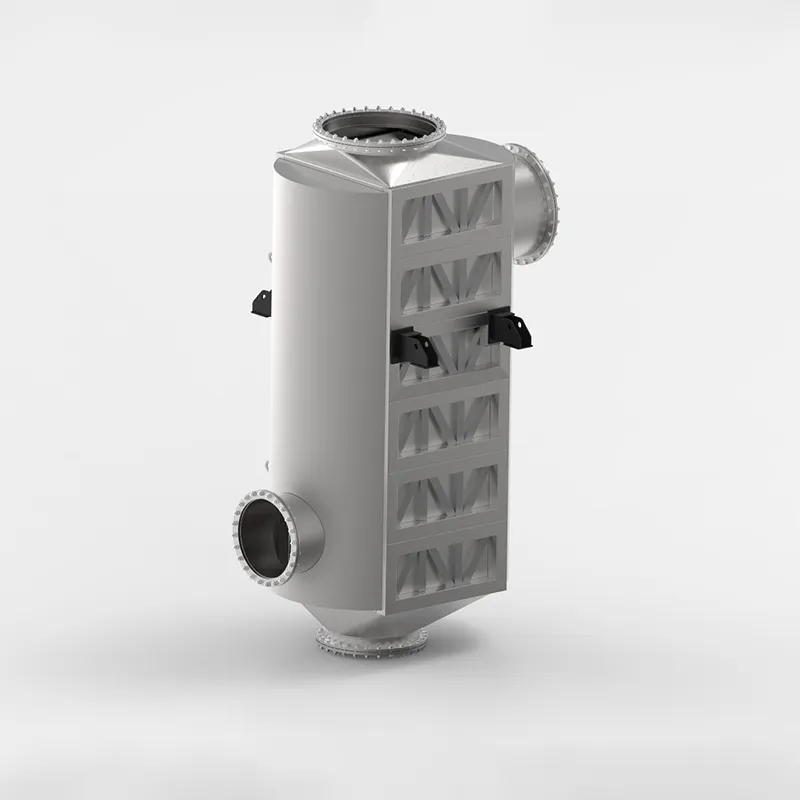
Withstanding temperatures exceeding 900°C and pressures up to 500 bar, PCHEs deliver unmatched thermal performance in applications such as concentrated solar power, nuclear reactors, and chemical processing. The etched flow channels maximize heat transfer surface area while minimizing stress concentrations, ensuring long-term durability and resistance to thermal fatigue.
This robust capability reduces maintenance downtime and extends equipment lifespan, providing a reliable solution for industries that demand consistent operation under the most challenging thermal and pressure regimes.
The compact architecture of printed circuit heat exchangers (PCHEs) directly addresses the critical need for miniaturization in industries such as aerospace, marine, and modular power generation. By utilizing chemically etched flow channels with high surface-area-to-volume ratios, PCHEs achieve thermal performance equivalent to conventional shell-and-tube or gasketed plate designs while occupying up to 85% less physical space and weighing significantly less.
This drastic reduction is made possible through the diffusion bonding of thin metal plates, which eliminates heavy flanges, gaskets, and bulky support structures. The resulting monolithic core is both structurally robust and exceptionally lightweight, enabling integration into tight equipment layouts and mobile platforms without compromising heat transfer efficiency.
| Parameter | Conventional Shell & Tube | Printed Circuit Heat Exchanger |
|---|---|---|
| Volume (m³) | 1.0 | 0.15 |
| Weight (kg) | 450 | 85 |
| Heat Transfer Area (m²) | 50 | 48 |
| Footprint (m²) | 0.8 | 0.12 |
Table data based on a 500 kW thermal duty application using water-glycol mixture at 3 bar pressure drop.
For industries where every kilogram and cubic meter counts, such as offshore platforms and aircraft thermal management systems, the PCHE provides a transformative solution. Its high-integrity diffusion-bonded core eliminates leak paths and allows operation at extreme pressures (up to 600 bar) and temperatures, further reducing the need for additional safety envelopes. Designers can now allocate saved space and weight to other critical subsystems, improving overall system performance and payload capacity.
Explore custom-engineered PCHE solutions for your specific space constraints: Custom Engineered Printed Circuit Heat Exchanger.
The selection of advanced corrosion-resistant alloys and coatings in printed circuit heat exchangers directly enhances system longevity and minimizes unplanned downtime. By resisting degradation from aggressive fluids and high-temperature environments, these materials ensure consistent thermal performance over extended operational cycles, reducing the frequency of inspections and part replacements.
This inherent durability translates to lower lifecycle costs and higher operational reliability, particularly in chemical processing, oil and gas, and power generation sectors where corrosive media are common. The robust construction also simplifies maintenance protocols, allowing facilities to focus on productivity rather than frequent equipment servicing.
Printed circuit heat exchangers (PCHEs) play a pivotal role in advancing sustainable energy by capturing waste heat from industrial processes and converting it into usable energy. Their compact design and high thermal efficiency allow for seamless integration with renewable systems such as solar thermal plants and geothermal loops, reducing reliance on fossil fuels.
By recovering exhaust heat from turbines, compressors, and chemical reactors, PCHEs improve overall system efficiency by up to 30%. This recovered energy can be redirected to preheat feedwater, generate steam, or power organic Rankine cycles, directly lowering carbon emissions and operational costs for industries like petrochemicals, power generation, and manufacturing.
In renewable integration, PCHEs serve as critical components in concentrated solar power (CSP) plants, where they handle high-temperature heat transfer fluids with minimal pressure loss. Their corrosion-resistant channels also make them ideal for geothermal brine applications, ensuring long-term reliability in harsh environments.
To explore how PCHEs can be customized for your waste heat recovery or renewable energy project, review our engineered solutions:
Adopting PCHE technology accelerates the transition to a circular energy economy, where waste becomes a resource and renewables operate at peak performance. This innovation is not just an upgrade—it is a foundation for next-generation thermal management in sustainable industry.
We provide you with comprehensive foreign trade solutions to help enterprises achieve global development
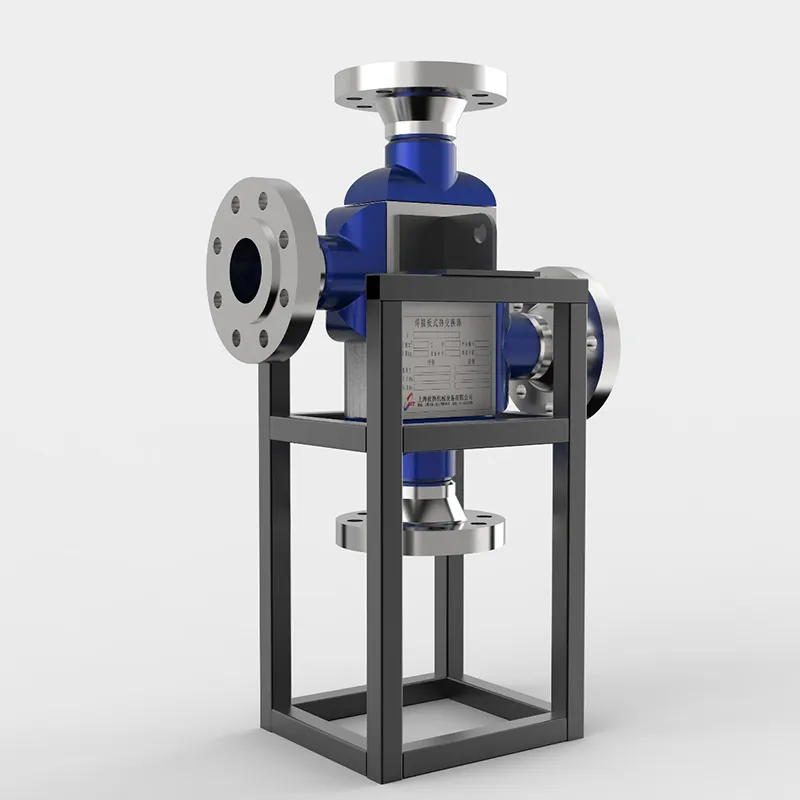
The SHPHE Printed Circuit Heat Exchanger (PCHE) is an advanced diffusion bonded microchannel heat exchanger engineered for demanding high-pressure and high-temperature thermal duties. Compared with conventional shell-and-tube equipment, its chemically etched microchannel structure provides exceptionally high heat-transfer surface density within a compact core. Combined with solid-state diffusion bonding, the design delivers high thermal effectiveness, mechanical integrity, and reliable containment under extreme operating conditions.
Designed as a compact high pressure heat exchanger, the SHPHE PCHE supports critical thermal processes across LNG, natural gas processing, offshore energy systems, supercritical CO₂ power cycles, hydrocarbon processing, and high-pressure hydrogen applications. Its combination of compact size, high pressure capability, low fluid inventory, and efficient heat recovery makes PCHE technology particularly suitable for applications where equipment footprint, weight, safety, and thermal performance are equally important.
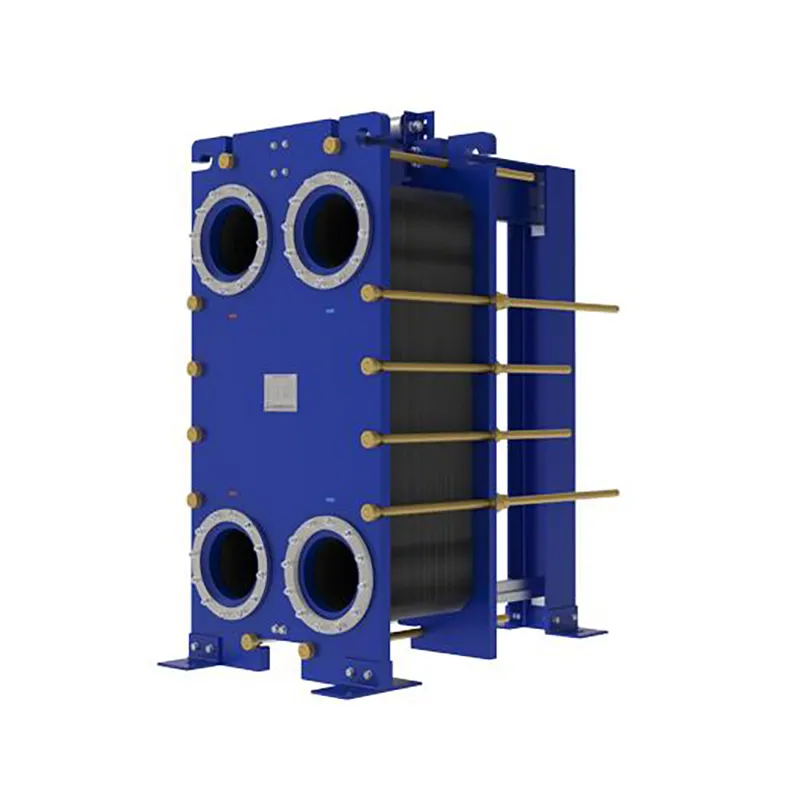
Since the invention of the plate heat exchanger (PHE) in 1923, thermal technology has evolved from standard food-grade processing to highly complex industrial operations. At SHPHE, we take this classic, versatile design and transform it into highly bespoke heat transfer solutions tailored to your unique process fluids and thermal loads. While traditional gasketed PHEs offer high efficiency and compact footprints, SHPHE optimizes plate corrugations, metallurgy, and sealing systems to handle your specific chemical, HVAC, or energy recovery parameters. Our custom-engineered gasketed plate heat exchangers provide outstanding scalability and ease of maintenance, serving as an indispensable asset for heavy industries—including oil and gas, metallurgy, and food processing—where uptime, energy recovery, and long-term sustainability are top priorities.
Industrial furnace and boiler exhaust gases carry vast amounts of unutilized thermal energy. The SHPHE custom Plate Air Preheater (PAPH) is target-engineered to intercept this high-temperature flue gas, recovering valuable waste heat and transferring it directly back to incoming combustion air or process gas streams. By substantially elevating the temperature of your flame feed, our custom systems optimize combustion thermodynamics, deliver massive fuel savings, and significantly reduce industrial carbon and emissions footprints. Built to withstand severe flue-gas environments, SHPHE PAPH systems serve as the premier choice for modern, energy-intensive plants prioritizing decarb compliance and maximum thermal efficiency.
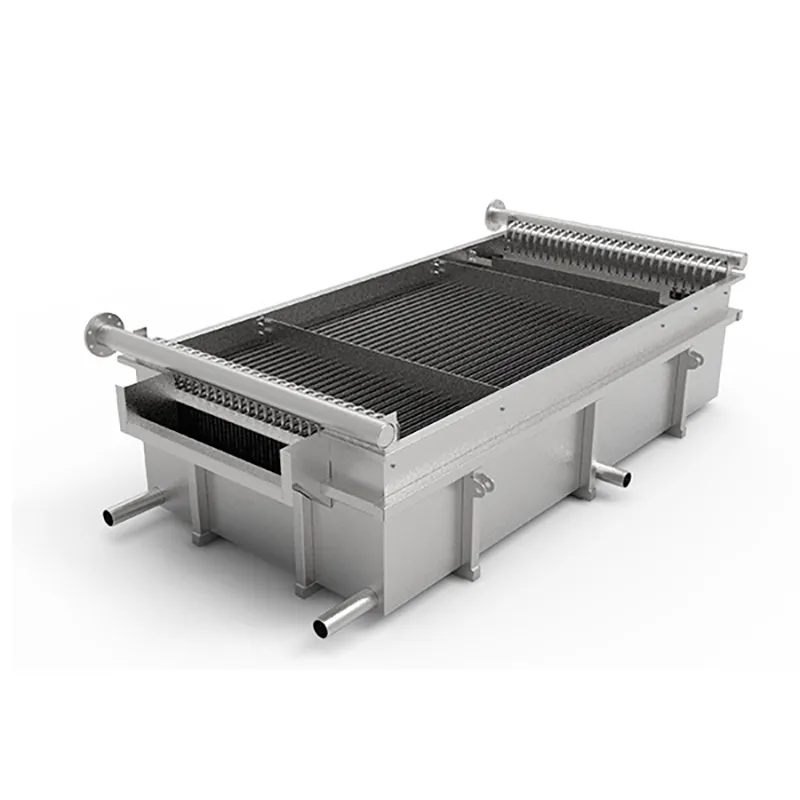
Originated in the mid-20th century to bypass the manufacturing bottlenecks and weight limitations of standard jacketed thermal components, the Pillow Plate (also known as a dimple plate or embossed plate) has revolutionized precision fluid-wall engineering. At SHPHE, we take this highly flexible technology and elevate it into a core foundation for bespoke industrial heat transfer integration. By utilizing state-of-the-art automated CNC fiber laser welding, our engineers customize the mechanical inflation profiles and spot pitch grids to directly match your specific fluid dynamics, pressure limits, and vessel configurations. Today, SHPHE's custom pillow plates are indispensable assets for worldwide processing plants prioritizing advanced thermal performance, zero-leak safety, and hygienic processing—serving as the definitive solution across food, pharmaceutical, chemical, and bulk solids cooling sectors.